How to Style a Layered Diamond Necklace Stack for Beginners
Learn how to build a stunning layered diamond necklace stack. Discover ideal chain lengths, diamond grades, and anti-tangle tips for beginners.

The Anatomy of a Perfect Layered Diamond Necklace Stack
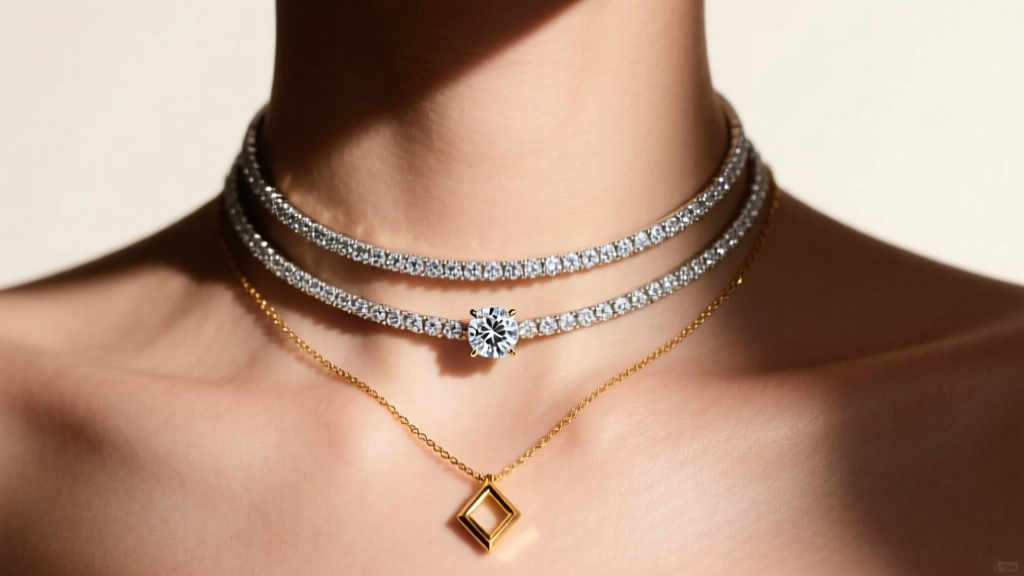
Building a curated neck party is one of the most effective ways to elevate your everyday jewelry wardrobe. However, throwing on multiple chains without a strategy often results in a tangled mess or a cluttered neckline. A well-executed layered diamond necklace stack relies on intentional spacing, varied visual weights, and complementary hardware. For beginners, the goal is to create a cohesive look that highlights the brilliance of the diamonds without overwhelming your natural features.
The foundational rule of necklace stacking is the 'Two-Inch Drop.' To prevent your chains from overlapping and tangling, each subsequent layer should be at least two inches longer than the one above it. This creates a cascading effect that draws the eye downward and allows each individual diamond pendant or station to catch the light independently. In this guide, we will break down the exact specifications, material grades, and styling frameworks you need to build a stack that looks professional and lasts a lifetime.
Choosing Your Diamond Quality: The Melee Sweet Spot
When shopping for layered pieces, you will primarily encounter 'melee' diamonds—small stones typically ranging from 0.01 to 0.18 carats. Because these diamonds are so small, paying a premium for top-tier clarity and color is a common beginner mistake that inflates your budget with zero visual return.
The 4Cs for Layering
- Clarity: Stick to SI1 or SI2 (Slightly Included). Inclusions in a 0.05ct diamond are entirely microscopic and invisible to the naked eye. Avoiding VVS (Very Very Slightly Included) grades will save you 30% to 40% per layer.
- Color: Target the G-H range (Near Colorless). When set in 14k or 18k yellow or rose gold, the warm metal reflects into the stone, making G-H diamonds face up completely white. If you prefer white gold or platinum, you may want to step up to F-G to prevent any faint yellow tint from showing against the stark white metal.
- Carat Weight: For a balanced stack, your total carat weight (ctw) across all layers should ideally sit between 0.50 ctw and 1.00 ctw. A 0.25 ctw solitaire on a 16-inch chain paired with a 0.15 ctw diamond choker creates a delicate, high-end aesthetic.
According to the Gemological Institute of America (GIA), the cut quality of melee diamonds is rarely graded on standard reports, but you should always look for 'full cut' melee (57-58 facets) rather than 'single cut' (17-18 facets) to ensure maximum sparkle in your layered diamond necklace stack.
Lab-Grown vs. Natural: Pricing and Durability
Lab-grown diamonds are chemically, physically, and optically identical to mined diamonds. For everyday layering, where pieces are subject to more wear and potential loss, lab-grown stones offer a massive advantage in cost-replacement value.
| Layer Type | Natural Diamond Price Range | Lab-Grown Price Range | Best Use Case |
|---|---|---|---|
| 14' Diamond Choker (0.20 ctw) | $900 - $1,400 | $350 - $550 | Top layer, sits tight on collarbone |
| 16' Solitaire Pendant (0.25 ct) | $1,200 - $2,000 | $400 - $700 | Middle anchor layer, focal point |
| 18' Station Chain (0.50 ctw) | $1,800 - $2,800 | $600 - $950 | Bottom layer, adds movement and width |
Preventing Tangles: Chain Textures and Hardware
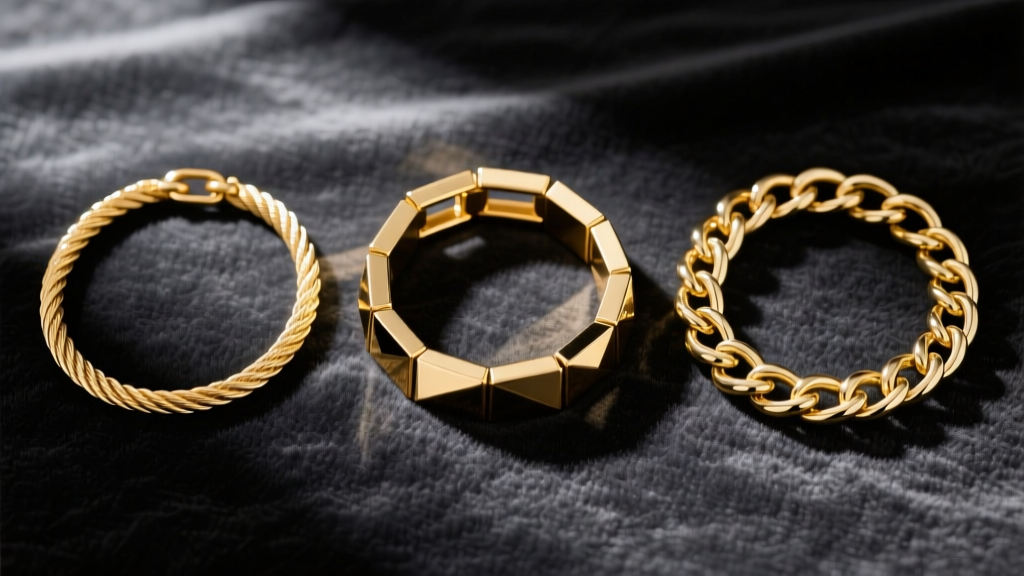
The most frustrating aspect of wearing multiple necklaces is the inevitable tangling. This occurs when identical chain links weave into one another due to friction. The secret to a tangle-free layered diamond necklace is mixing your chain textures.
The Texture Mixing Framework
Never wear three cable chains together. Instead, use this structural combination:
- Layer 1 (14-15 inches): A delicate box chain (0.8mm - 1.0mm). Box chains lay flat and provide a modern, sleek backdrop for a small diamond bezel.
- Layer 2 (16-17 inches): A classic cable chain (0.9mm - 1.2mm). The oval links offer a traditional look and hold pendants securely.
- Layer 3 (18-20 inches): A rolo or paperclip chain (1.2mm - 1.5mm). The larger, rounder links create physical separation and add visual weight to the bottom of the stack.
Furthermore, pay close attention to your clasps. Spring ring clasps are notoriously difficult to fasten and prone to catching on hair. Always upgrade to lobster clasps, which feature a stronger internal spring and a wider opening. If you are layering three or more chains, consider investing in a multi-strand clasp converter, which attaches all your chains to a single, secure locking mechanism at the nape of your neck.
Strategic Neckline Pairings
A layered diamond necklace stack must be styled in harmony with your clothing. The neckline of your top dictates the maximum length and visual weight of your bottom layer.
V-Neck and Plunging Necklines
This is the most forgiving canvas for layering. Follow the V-shape of the garment by ensuring your longest chain (18 to 22 inches) ends roughly one inch above the hem of the V-neck. A graduated stack featuring a diamond choker, a mid-length solitaire, and a longer pear-shaped diamond pendant perfectly mimics the geometry of the neckline.
Crew Necks and Turtlenecks
High necklines require shorter, tighter stacks to avoid looking messy. Stick to a 14-inch choker and a 16-inch chain. Avoid long pendants that will dangle awkwardly over the fabric. Instead, opt for diamond station chains where the diamonds are bezel-set directly into the metal, allowing them to rest flat against the collar or upper chest.
Button-Down Shirts
Leave the top two buttons undone to create a makeshift V-neck. This provides a structured frame for your jewelry. A 16-inch and 18-inch combination works best here, ensuring the diamonds catch the light without getting caught in the shirt placket.
Expert Maintenance and Cleaning Protocols
Layered necklaces accumulate skin oils, lotions, and environmental dust much faster than single pieces, which can quickly dull the brilliance of your diamonds. Proper maintenance is non-negotiable.
According to Jewelers of America, the safest at-home cleaning method involves soaking your stack in a bowl of warm water with a few drops of mild, ammonia-free dish soap for 15 to 20 minutes. Use a soft-bristled baby toothbrush to gently agitate the dirt from behind the diamond settings, where grime accumulates and blocks light reflection.
Crucial Warning: Never place your layered diamond necklaces in an ultrasonic cleaner if you are unsure of the diamond's treatment history. Fracture-filled diamonds or stones with significant internal tension can shatter under the high-frequency vibrations of an ultrasonic machine. When in doubt, stick to manual soaking and brushing.
Finally, always unclasp your chains before storing them. Store each layer individually in a soft microfiber pouch or a dedicated compartment in a jewelry box. Storing them clasped and separated prevents the chains from weaving together in the dark, ensuring your layered diamond necklace stack is ready to wear the moment you open your jewelry box.


