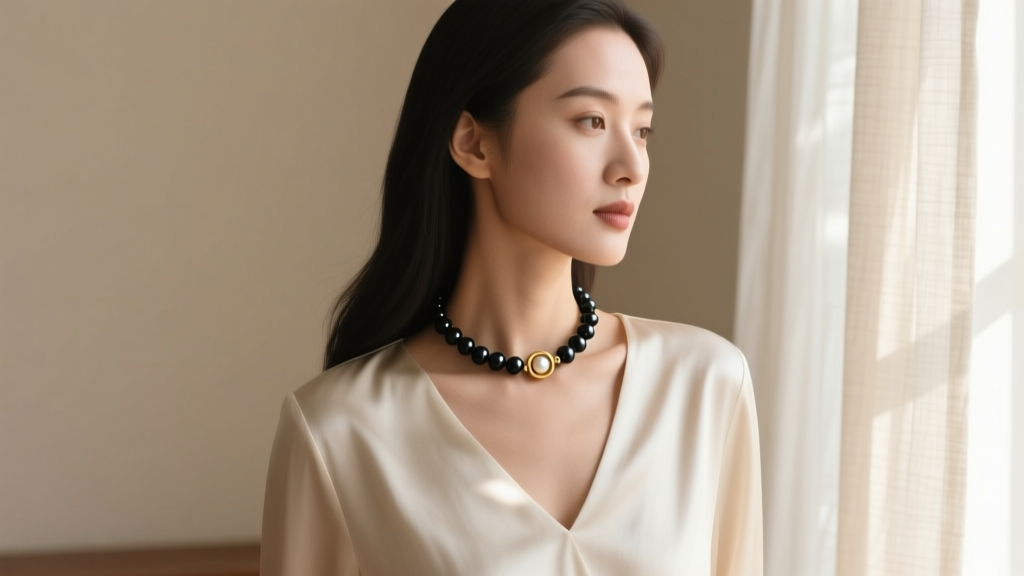
Black Pearl Choker Necklace: Tahitian vs. Dyed Freshwater Guide
Compare Tahitian, dyed freshwater, and Akoya black pearl choker necklaces. Learn nacre properties, stringing specs, and authentication markers.

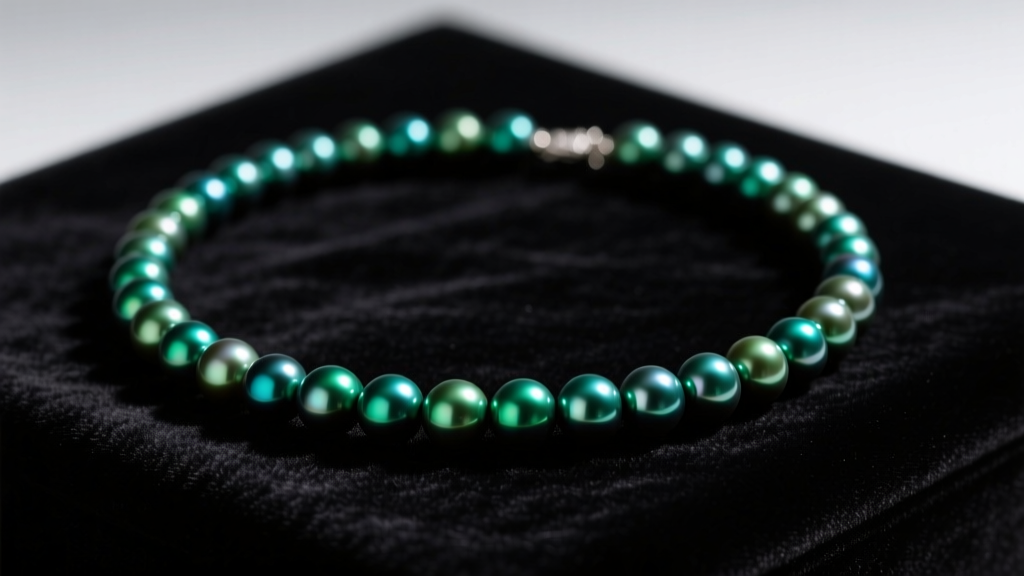
The Anatomy of a Black Pearl Choker Necklace
The black pearl choker necklace occupies a unique space in fine jewelry, balancing the traditional elegance of a close-fitting collar with the moody, iridescent depth of dark nacre. However, the market is saturated with material misrepresentations. A 'black pearl' can refer to a naturally dark Tahitian pearl, a chemically dyed freshwater pearl, or a heavily processed Akoya pearl. Understanding the material properties, nacre thickness, and structural integrity of these variations is critical for making an informed investment in 2026 and beyond.
According to the Gemological Institute of America (GIA), the value and durability of a pearl are intrinsically linked to its nacre quality and origin. When configured into a choker—which sits tightly against the pulse points and is exposed to skin oils, cosmetics, and friction—the material grade dictates the necklace's lifespan. This guide deconstructs the metallurgy, stringing mechanics, and gemological properties of black pearl chokers.
The Core Material Comparison: Tahitian vs. Dyed Alternatives
Not all black pearls are created equal. The biological origin of the pearl determines its nacre structure, overtone spectrum, and long-term durability. Below is a comparative matrix of the three most common materials used in black pearl chokers.
| Material Type | Oyster Species | Nacre Thickness | Color Origin | Market Price Range |
|---|---|---|---|---|
| Tahitian | Pinctada margaritifera | 2.0mm - 4.0mm+ | Natural (Melanin) | $800 - $4,500+ |
| Dyed Freshwater | Hyriopsis cumingii | Solid (Tissue nucleated) | Chemical Dye | $80 - $250 |
| Dyed Akoya | Pinctada fucata martensii | 0.2mm - 0.5mm | Chemical Dye | $300 - $700 |
The Tahitian Standard
True Tahitian pearls are bead-nucleated and secreted by the black-lipped oyster. Their dark body color is caused by melanin, naturally producing overtones of peacock green, aubergine, and pistachio. Because they remain in the oyster for 18 to 24 months, their nacre is exceptionally thick, making them highly resistant to the friction inherent in choker-style wear.
The Dyed Freshwater Alternative
Dyed freshwater pearls are tissue-nucleated, meaning they are solid nacre all the way through. While they lack the sharp, mirror-like luster of saltwater pearls, their solid composition makes them incredibly durable. The black color is achieved through post-harvest chemical treatment, which penetrates the porous nacre evenly.
Stringing Materials and Clasp Metallurgy
A choker necklace endures significant mechanical stress. The constant bending and unbending of the strand, combined with the weight of 8mm to 10mm pearls, requires specialized stringing materials. Standard nylon threads will stretch and degrade within a year.
- Size F or G Silk Thread: For 8mm-9mm pearls, Size F (0.30mm) is standard. For 10mm+ pearls, Size G (0.35mm) is required. Silk must be knotted between every bead to prevent catastrophic loss if the strand snaps.
- French Wire (Gimp): A microscopic coiled wire placed at the terminal ends of the silk thread where it meets the clasp. This prevents the metal clasp from sawing through the silk over time.
- PowerPro or Beadalon: Modern synthetic braided threads offer zero stretch and high tensile strength, though they require specialized crimping techniques rather than traditional hand-knotting.
For the clasp, 14k or 18k gold box clasps with double safety latches are the industry standard for high-end chokers. Box clasps distribute the tensile load evenly across the terminal ring. Lobster clasps, while common, introduce a rotational pivot point that can twist the jump ring and weaken the silk knotting over time.
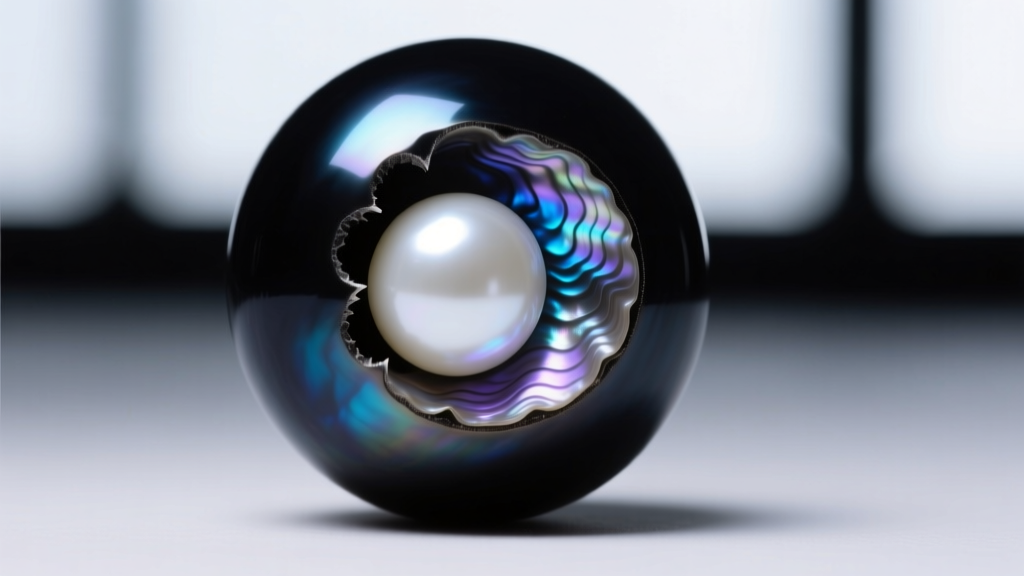
Authentication: Inspecting the Drill Hole
Because the visual difference between a high-quality dyed Akoya and a lower-grade Tahitian can be subtle to the untrained eye, gemologists rely on drill hole inspection. As noted in Pearl Paradise's educational archives, the drill hole reveals the internal architecture of the pearl.
Expert Authentication Tip: Use a 10x jeweler's loupe to examine the drill hole. In a dyed pearl, you will often see a concentrated, dark ring of dye pooled at the boundary between the shell bead nucleus and the nacre, or trapped in the conchiolin layer. A natural Tahitian pearl will show a dark nucleus, but the transition to the nacre will be gradual, with no artificial dye pooling.
Furthermore, dyed Akoya pearls with nacre thinner than 0.3mm are highly susceptible to 'peeling.' The friction of a choker rubbing against the collarbone can cause ultra-thin nacre to flake away, exposing the dull, white shell bead underneath. Always demand X-ray fluorescence or optical coherence tomography (OCT) reports for black pearl chokers priced above $1,500 to verify nacre thickness.
Sizing, Drape, and Bead Calibration
The defining feature of a choker is its precise fit. A standard black pearl choker measures between 14.5 and 16 inches. However, the bead size dramatically alters the visual weight and drape of the piece.
8.0mm - 9.0mm Beads: This is the most versatile calibration for a black pearl choker. It provides a refined, understated look that pairs seamlessly with both V-neck blouses and high-collared evening wear. A 15-inch strand of 8.5mm pearls typically contains 43 to 45 beads.
10.0mm - 12.0mm Beads: Reserved for statement pieces. The increased weight of larger Tahitian pearls requires a heavier silk thread and a reinforced box clasp. These larger beads sit stiffer on the neck and are best suited for open necklines where the pearls can lay flat against the skin without buckling.
Care, pH Vulnerabilities, and Storage
Pearls are organic gems composed primarily of calcium carbonate and conchiolin. This chemical makeup makes them highly vulnerable to acidic environments. Human sweat has a pH ranging from 4.5 to 7.0; prolonged exposure to acidic sweat can etch the nacre, dulling the luster of your choker.
To preserve the structural integrity and optical properties of a black pearl choker, follow these strict care protocols:
- The 'Last On, First Off' Rule: Always apply perfumes, hairsprays, and cosmetics before putting on the necklace. The alcohol and volatile organic compounds (VOCs) in cosmetics can dissolve the conchiolin binding the nacre layers.
- Post-Wear Wiping: Use a damp, lint-free microfiber cloth to wipe the pearls after every wear. This removes acidic skin oils and cosmetic residue.
- Proper Storage: Never store a pearl choker in an airtight plastic bag or a safety deposit box without a moisture source. Pearls require ambient humidity; severe dehydration causes the nacre to craze and crack. Store the choker flat in a soft pouch to prevent the silk from stretching.
For comprehensive maintenance guidelines, refer to the GIA's official pearl care and cleaning protocols. By understanding the material science behind your black pearl choker necklace, you ensure that its iridescent beauty endures for generations.