Black and White Necklace Value: Budget vs. Luxury Guide
Discover the true value of a black and white necklace. We compare onyx, enamel, and black rhodium against white gold and silver to maximize your budget.

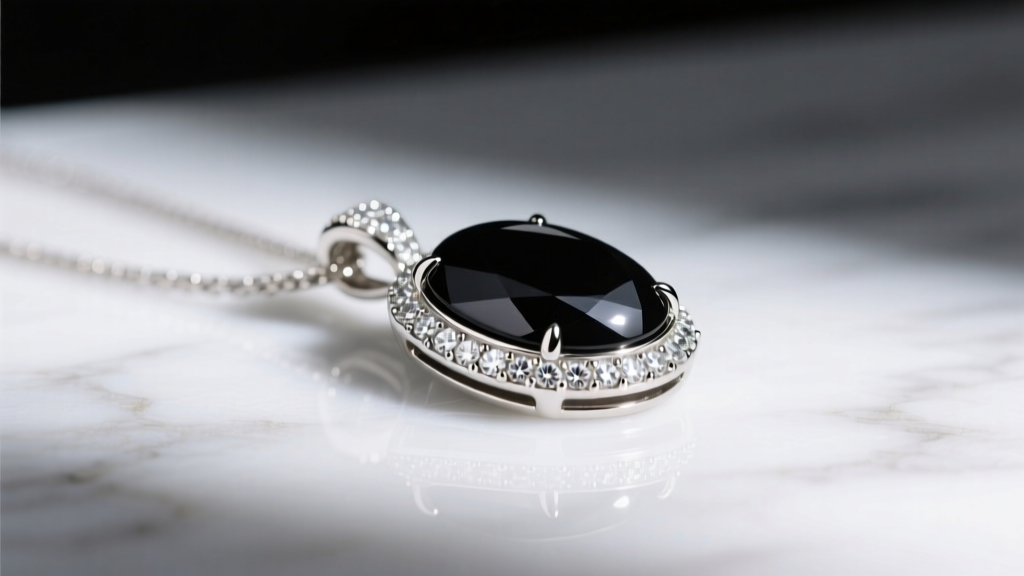
The Allure of Monochrome: Why Contrast Matters in Jewelry
The black and white necklace remains a cornerstone of modern jewelry design, offering a striking visual contrast that transcends seasonal trends. From Art Deco revivals to minimalist 2026 geometric pendants, the interplay between dark and light elements creates a focal point that draws the eye immediately. However, from a budget and value assessment perspective, not all monochrome jewelry is created equal. The market is flooded with pieces that look identical in dimly lit display cases but possess vastly different material integrities, longevity, and resale values.
As a consumer, understanding the gemological and metallurgical realities behind these contrasting elements is crucial. Are you paying for natural black spinel and platinum, or dyed agate and rhodium-plated brass? This comprehensive value guide breaks down the true cost of ownership, material grading, and hidden maintenance fees associated with black and white necklaces, ensuring your investment retains its brilliance long after the initial purchase.
Material Breakdown: What Are You Actually Paying For?
To accurately assess value, we must deconstruct the necklace into its two primary color components. The 'black' element is typically a gemstone or an applied finish, while the 'white' element is usually the precious metal setting or an accent stone.
The Black Elements: Onyx vs. Enamel vs. Black Spinel
- Black Onyx (Dyed Agate): According to the Gemological Institute of America (GIA), almost all black onyx on the market is actually gray chalcedony or agate that has been treated with sugar and sulfuric acid to achieve a uniform black color. While it boasts a respectable Mohs hardness of 7, it is porous. Value Verdict: Low material cost. You should never pay a premium for the stone itself; you are paying for the designer's craftsmanship.
- Black Spinel: A naturally occurring gemstone (MgAl2O4) that requires no heat treatment or dye. With a Mohs hardness of 8 and excellent refractive properties, black spinel offers a subtle, glassy luster that outshines onyx. Value Verdict: Moderate to high upfront cost, but exceptional long-term value due to its durability and natural origin.
- Black Enamel: A glass powder fused to metal at high temperatures. While it provides an opaque, glossy black finish, it is highly susceptible to thermal shock and chipping. Value Verdict: Strictly a fashion-tier material. Avoid paying luxury prices for enamel inlay.
The White Elements: Sterling Silver vs. White Gold vs. Platinum
The 'white' metal framework dictates the structural lifespan of your necklace. Sterling silver (925) is highly affordable but prone to tarnishing, requiring frequent polishing that can eventually wear down intricate details. 14k and 18k white gold are industry standards, but they are naturally alloyed with nickel or palladium, giving them a faint yellowish-gray tint. To achieve a bright white finish, they are plated with rhodium. Platinum, conversely, is naturally white, hypoallergenic, and incredibly dense, making it the ultimate choice for heirloom-quality black and white pendants, albeit at a 40-60% premium over white gold.
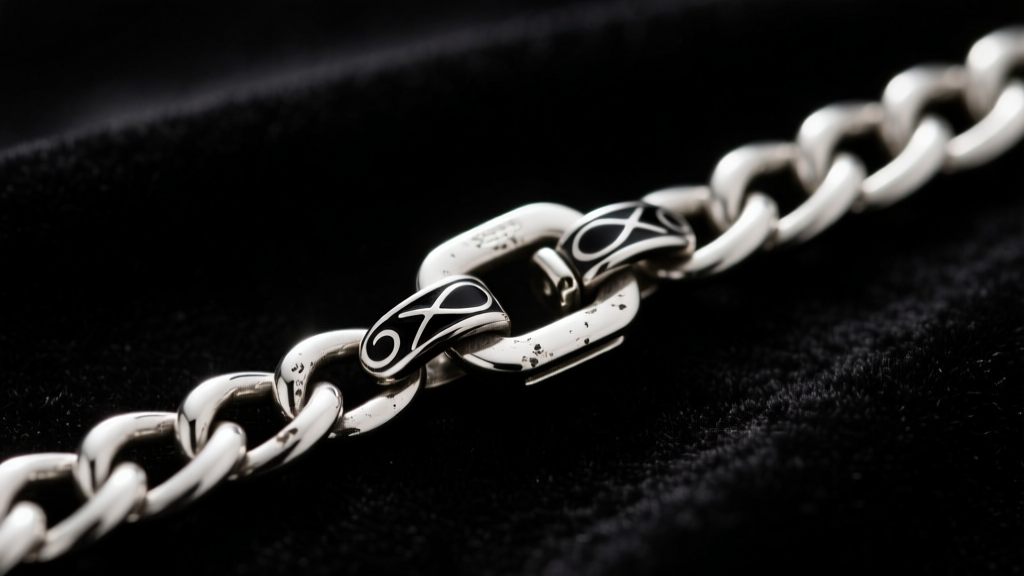
The Hidden Costs of Black and White Necklaces
When evaluating a black and white necklace, the initial price tag is only half the equation. The interplay between dark and light materials often necessitates specific manufacturing techniques that introduce long-term maintenance costs. For instance, black rhodium plating—a popular technique used to create black metal accents against white gold—wears off significantly faster than standard white rhodium due to the softer alloying metals (like tin or indium) required to achieve the dark hue.
Below is a 5-year cost of ownership analysis for common material combinations in the 2026 market:
| Material Combination | Est. Upfront Cost | 5-Year Maintenance | Durability Score (1-10) |
|---|---|---|---|
| Sterling Silver + Black Enamel | $80 - $150 | $60 (Tarnish removal, enamel repair) | 4 |
| 14k White Gold + Dyed Onyx | $350 - $600 | $150 (Rhodium re-dipping) | 7 |
| 18k White Gold + Black Spinel + Lab Diamonds | $800 - $1,500 | $150 (Rhodium re-dipping, prong tightening) | 8.5 |
| Platinum + Natural Black Diamond + White Diamond | $2,500+ | $50 (Polishing patina) | 10 |
Expert Insight: Always check the hallmark on white metals. The UK Assay Office and international equivalents mandate precise stamping. If a piece claims to be white gold but lacks a 750 (18k) or 585 (14k) stamp, you are likely purchasing rhodium-plated base metal, which holds zero intrinsic melt value.
Budget Tiers: What to Expect in 2026
The democratization of lab-grown white diamonds and moissanite has radically shifted the pricing landscape for high-contrast necklaces. Here is how to allocate your budget based on your investment goals:
Tier 1: The Fashion Budget (Under $200)
At this price point, prioritize design over material permanence. Look for sterling silver bases with black spinel or high-quality onyx. Avoid black enamel if you plan to wear the necklace daily, as the friction from clothing will degrade the finish. Expect to replace the piece every 2-3 years.
Tier 2: The Accessible Luxury Sweet Spot ($400 - $900)
This is where true value emerges. You can secure a solid 14k white gold chain and pendant featuring precision-cut black spinel surrounded by lab-grown white diamonds. The lab-grown market has driven the cost of brilliant white accent stones down by over 60% in the last three years, allowing your budget to be allocated toward a heavier, more durable gold setting rather than paying for natural diamond premiums.
Tier 3: The Heirloom Investment ($1,500+)
For generational pieces, platinum is non-negotiable. A platinum bezel setting secures black diamonds (which are heavily included and prone to cleaving if struck) far better than white gold prongs. The natural white color of platinum means you will never pay for rhodium re-plating, and the metal's tendency to develop a soft patina over time only enhances the vintage appeal of a monochrome design.
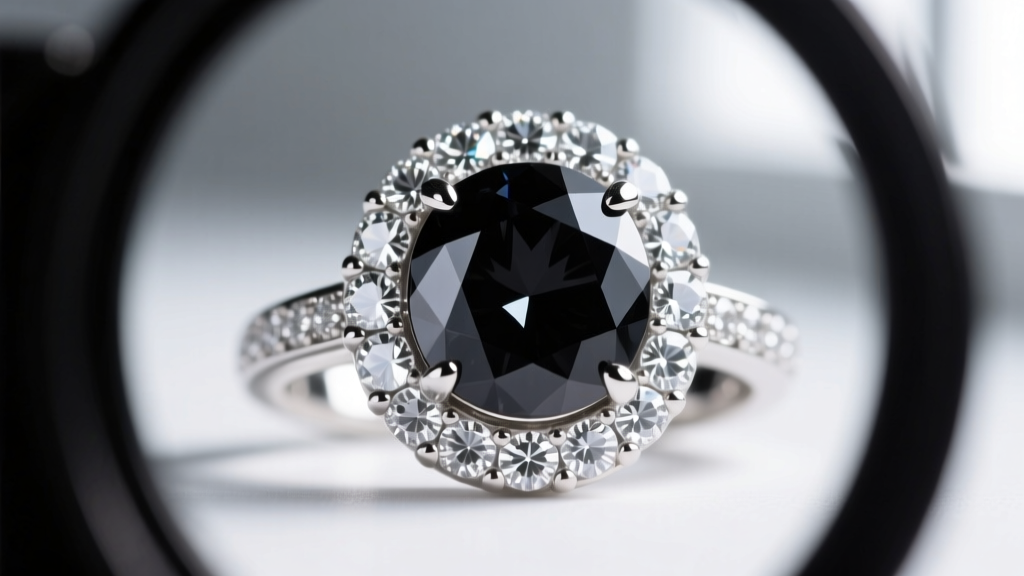
How to Inspect a Black and White Necklace Before Buying
Whether you are shopping at a high-end boutique or an estate sale, use this physical inspection checklist to uncover hidden flaws and assess true value:
- The Glue Test: Many mass-produced onyx pendants rely on epoxy glue to hold the black stone in a white metal bezel, rather than relying on the tension of the metal itself. Look closely at the seam where the black stone meets the white metal. If you see a yellowish residue or a perfectly uniform, unnatural gap, the stone is glued and will likely fall out when exposed to warm water or ultrasonic cleaners.
- Rhodium Wear Points: Inspect the back of the pendant and the clasp. These are high-friction areas. If the white gold underneath is already showing a yellowish tint on a 'new' piece, the initial rhodium plating was applied too thinly.
- Stone Surface Pitting: Use a jeweler's loupe to examine the surface of black spinel or black onyx. Dyed stones often reveal concentrated dye pooling in microscopic surface cracks, appearing as dark, web-like veins. Natural, untreated black spinel will have a clean, glassy surface with minor natural inclusions.
Final Verdict: Where Should You Invest Your Money?
The ultimate value of a black and white necklace lies in the harmony between durable materials and timeless design. If your budget is under $300, embrace sterling silver and onyx, but treat it as a temporary fashion accessory. For those seeking a lifelong piece that balances upfront cost with long-term wearability, the $500 to $900 range offers the highest ROI: opt for 14k white gold, natural black spinel, and lab-grown white diamonds. By understanding the material science behind the contrast, you can confidently navigate the market and secure a monochrome masterpiece that retains its striking beauty—and its value—for decades to come.


