The 2026 Guide to Buying Chunky Colourful Necklaces
Discover what to look for when buying chunky colourful necklaces in 2026. Expert guide on materials, weight distribution, clasps, and colorfastness.

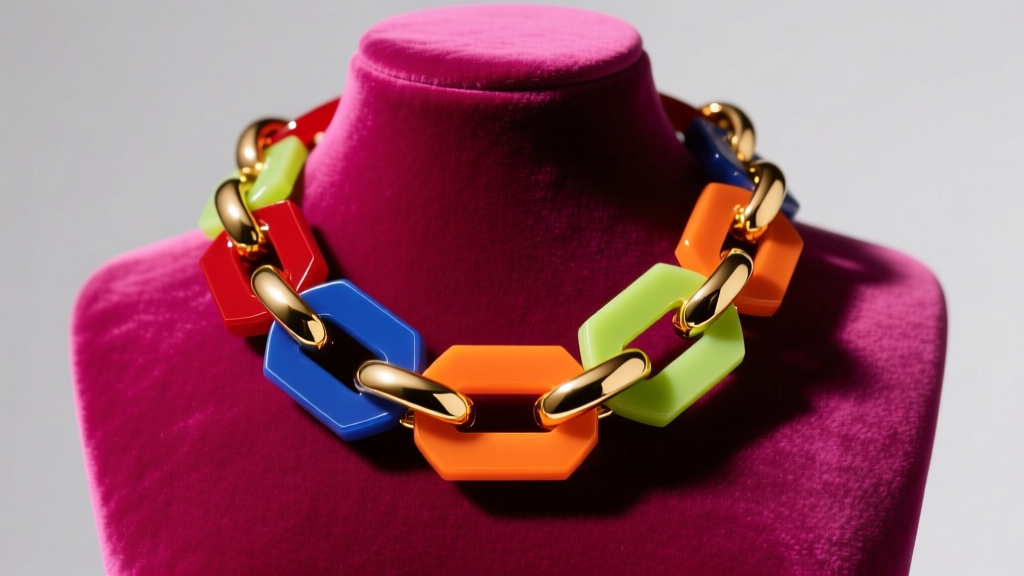
The Maximalist Renaissance: Beyond the Hype
The resurgence of bold, oversized jewelry has dominated runways and street style alike, but when shopping for chunky colourful necklaces, the line between a high-impact statement piece and an unwearable novelty is defined by structural engineering. In 2026, consumers are moving away from fast-fashion plastics and demanding artisanal quality, hypoallergenic materials, and ergonomic designs. A truly exceptional statement necklace must balance visual volume with physical wearability. This comprehensive buying guide breaks down the exact material grades, weight distribution metrics, and clasp mechanisms you need to evaluate before investing in bold neckwear.
Material Matrix: What Are They Actually Made Of?
The term "chunky" implies volume, but volume does not have to mean excessive weight or cheap polymers. Understanding the base material is the first step in assessing quality and longevity. Below is a comparative breakdown of the most common materials used in oversized, vibrant necklaces.
| Material | Weight Profile | Durability & Colorfastness | Average Price Range |
|---|---|---|---|
| Cellulose Acetate | Medium-Heavy (60-120g) | Excellent; hypoallergenic, polishes well, highly UV stable | $80 - $250 |
| Injection-Molded Acrylic | Lightweight (20-50g) | Poor; sharp mold lines, scratches easily, yellows over time | $15 - $45 |
| Cold Enamel (Epoxy Resin) | Medium (40-90g) | Fair; prone to chipping and UV degradation if uncoated | $40 - $120 |
| Vitreous Enamel | Heavy (100-180g) | Superior; kiln-fired glass, permanent color, but brittle on impact | $150 - $400 |
| Dyed Agate / Howlite | Very Heavy (150g+) | Variable; color can bleed with sweat, perfume, or heat exposure | $30 - $90 |
Pro-Tip: Always look for hand-polished cellulose acetate over acrylic. Acetate is a plant-based plastic derived from cotton linters and wood pulp, offering a warm, skin-like touch and deep, marbled colorways that acrylic simply cannot replicate.
The Physics of Chunky: Weight Distribution & Neck Strain
A common failure mode in poorly designed statement necklaces is the "pendulum effect." When a heavy pendant or concentrated cluster of beads sits at the bottom of a long chain, it acts as a pendulum, swinging with every step and placing repetitive shear stress on the cervical spine. According to ergonomic jewelry design principles, a necklace exceeding 120 grams should never hang lower than the collarbone (a 16-inch drop) unless it features a dedicated rear counterweight.
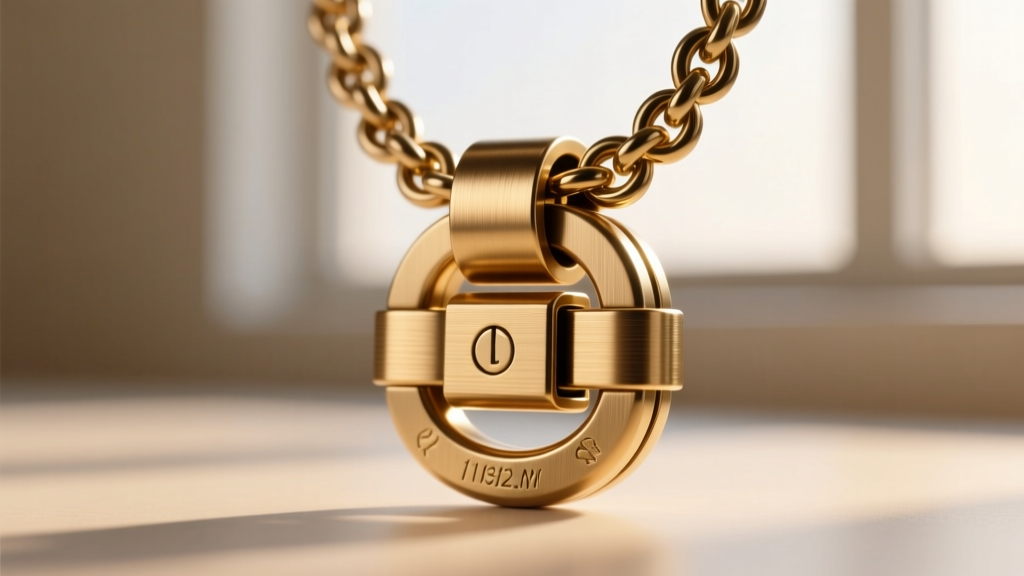
Evaluating Chain and Cord Integrity
If the colorful elements are strung on a chain, the chain's gauge is critical. A standard 1.5mm cable chain will snap under the dynamic load of a 100g+ pendant. For chunky designs, insist on a minimum 3mm rolo, curb, or Figaro chain. If the piece is strung on a cord, it must be multi-strand braided steel wire coated in nylon, or a high-tensile silk cord with a minimum breaking strength of 40 pounds. Never buy heavy gemstone or resin necklaces strung on single-ply cotton or cheap elastic.
Clasp Engineering: Why Your Lobster Claw Will Fail
The clasp is the most critical failure point on any heavy necklace. A standard 12mm lobster claw clasp is engineered for lightweight chains and is typically rated for a maximum static load of 30 grams. When subjected to the dynamic movement of a chunky necklace, the lever mechanism will fatigue, or the jump ring connecting it will pull open.
"For any necklace exceeding 80 grams, we mandate the use of a 25mm or larger toggle clasp, or a neodymium magnetic clasp with a minimum 15-pound pull force and a secondary figure-8 safety catch." — Rio Grande jewelry supply technical guidelines.
When inspecting a piece in person or reviewing high-resolution photos online, check the jump rings. They must be soldered closed or feature a split-ring double-wrap. An open jump ring on a heavy, chunky necklace is a guaranteed loss waiting to happen.
Colorfastness and UV Degradation in Bold Pigments
Vibrant hues are the defining feature of these necklaces, but not all pigments are created equal. In the realm of dyed semi-precious stones—such as brightly colored howlite masquerading as turquoise, or dyed agate slices—colorfastness is a major concern. The Gemological Institute of America (GIA) frequently notes that surface-level dyes in porous stones can degrade, bleed, or transfer onto clothing when exposed to the acids in human sweat or the alcohols in perfumes.
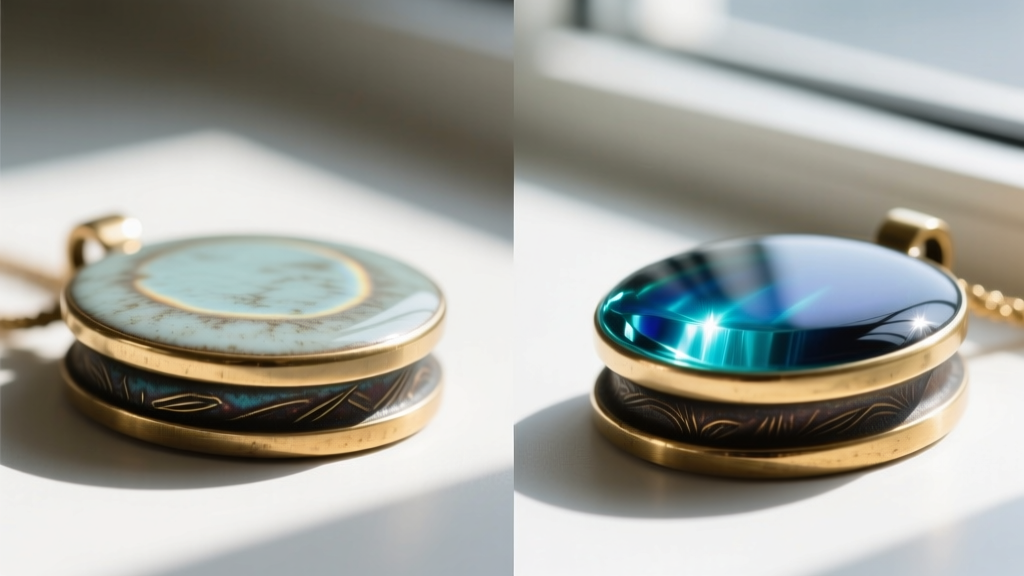
The Acetone Test and Enamel Stability
If you are buying vintage or artisan-dyed stone necklaces, gently rub a cotton swab dipped in a small amount of acetone (nail polish remover) on an inconspicuous area of the stone. If the swab picks up color, the dye is superficial and will eventually fade. Conversely, if you are looking at enameled metal pieces, verify whether the artisan uses cold enamel (a two-part epoxy resin) or vitreous enamel (powdered glass fired at 1400°F). Cold epoxy resins will inevitably yellow and become brittle when exposed to prolonged UV sunlight, whereas vitreous enamel will retain its brilliant, glassy color for centuries.
Proportion & Neckline Pairing Framework
The visual success of a chunky, colorful piece relies heavily on its proportion relative to your neckline and frame. Use this framework to select the correct drop length and silhouette:
- The Rigid Collar (14-15 inches): Best for V-necks and strapless gowns. A rigid, hinged acetate or enameled collar sits flush against the collarbone, framing the face without overwhelming the chest.
- The Princess Drop (18 inches): Ideal for crew necks and boat necks. Ensure the central colorful element is wide rather than long to avoid a "plunging" look that competes with the garment's hem.
- The Matinee Length (20-24 inches): Generally avoid this length for ultra-chunky pieces unless the beads are graduated (tapering smaller toward the back of the neck). A uniform 20-inch chunky chain will swing excessively and catch on belts or waistlines.
Final Buying Checklist
Before finalizing your purchase, run the piece through this quick diagnostic checklist:
- Is the primary material cellulose acetate, vitreous enamel, or solid stabilized stone? (Avoid cheap acrylic and cold epoxy).
- Does the clasp match the weight? (Toggle or heavy magnetic for pieces over 80g).
- Are the jump rings soldered or double-wrapped?
- Is the dye stable, or does it sit superficially in the cracks of porous stones?
- Does the piece feature a rear counterweight if the drop is longer than 16 inches?
By prioritizing structural integrity and material science over fleeting visual trends, you can invest in chunky colourful necklaces that remain vibrant, comfortable, and secure for years to come.


