The Ultimate Buying Guide for Solid Gold Necklaces
Discover what to look for when buying solid gold necklaces. Learn about chain durability, clasp types, metal purity, and pricing in our expert guide.

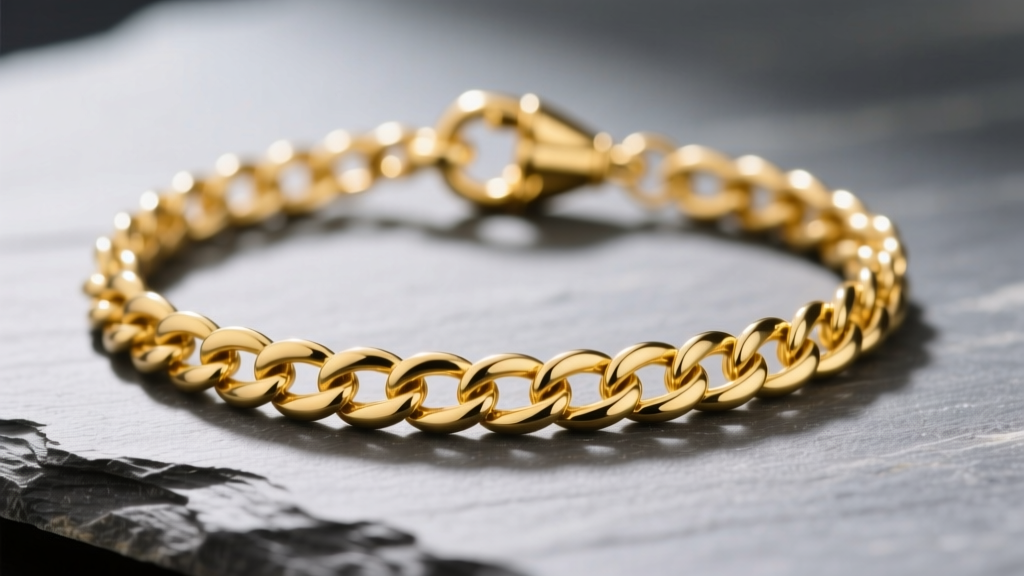
The Anatomy of a High-Quality Necklace
Buying fine necklaces is an investment in both personal style and precious metals. Yet, the market is flooded with pieces that prioritize visual width over structural integrity, leading to stretched links, broken clasps, and buyer's remorse. Whether you are shopping for a daily-wear pendant chain or a standalone statement piece, understanding the engineering behind the jewelry is critical. This guide bypasses generic styling advice to focus strictly on the material science, mechanical durability, and pricing metrics you need to evaluate before making a purchase in 2026.
Metal Purity and the Hardness Factor
The purity of gold is measured in karats, but higher purity does not equate to higher durability. According to the Gemological Institute of America (GIA), 24k gold is 99.9% pure and far too soft for functional chains. The industry standards for fine necklaces are 14k (58.3% gold) and 18k (75% gold).
14k vs. 18k Gold for Chains
For chains thinner than 2.0mm, 14k gold is objectively superior for everyday wear. The alloy metals (typically copper, silver, and zinc) increase the Vickers hardness of the metal. A standard 14k yellow gold chain boasts a hardness of roughly 140-150 HV, while 18k gold sits around 120-130 HV. This 15-20% difference in hardness means an 18k chain is significantly more prone to micro-stretching and link deformation when subjected to the repetitive tension of a heavy pendant. If you prefer the richer, deeper yellow hue of 18k gold, opt for thicker chain styles (3.0mm and above) or shorter lengths that experience less kinetic pull.
Chain Link Architecture: Beyond Aesthetics
The structural geometry of the chain link dictates its lifespan. Many buyers choose a chain based solely on how it catches the light, ignoring how the links interact under stress.
- Rolo and Anchor Chains: Featuring uniform, round or oval interlocking links, these are the workhorses of the jewelry world. The rounded edges prevent friction against the skin and clothing, and the simple geometry makes them incredibly easy for a bench jeweler to repair if a link fails.
- Box Chains: Constructed from square, folded links, box chains offer a brilliant, faceted reflection. They are highly resistant to pulling but can suffer from corner wear over decades of use. They are ideal for holding pendants due to their rigid drape.
- Cable Chains: The most traditional style, but the elongated oval links can easily stretch and pull apart if snagged. Avoid cable chains thinner than 1.2mm for heavy pendants.
- Herringbone and Snake Chains: These flat, fluid chains are notoriously fragile. They lack a true interlocking link structure, meaning a single sharp bend will cause a permanent kink that cannot be fully repaired.
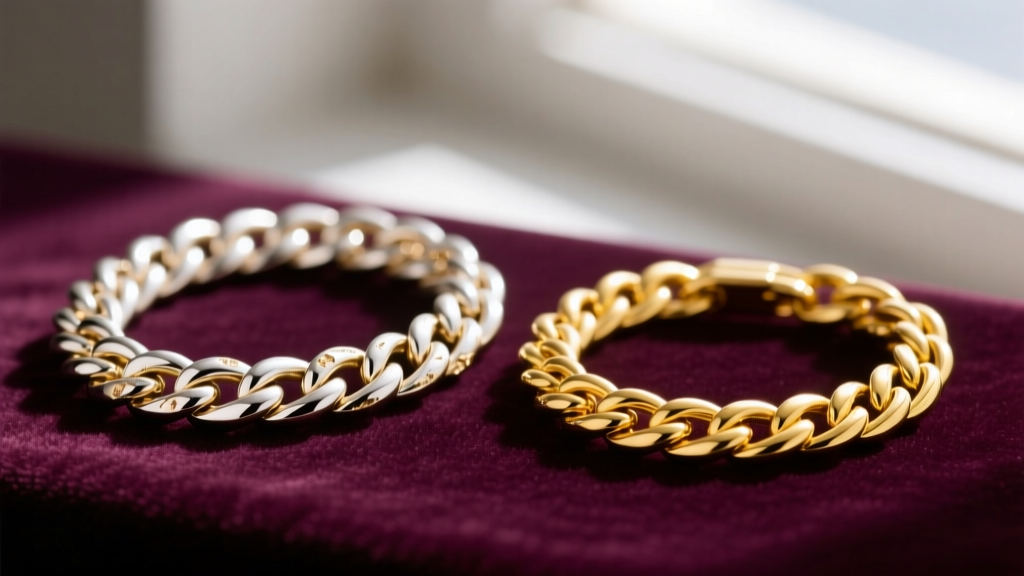
Clasp Mechanisms: The Weakest Link
A chain is only as secure as its clasp. The Federal Trade Commission (FTC) mandates strict hallmarking for metal purity, but there are no regulations governing clasp quality. Here is how the most common mechanisms compare in real-world scenarios.
| Clasp Type | Best For | Durability Rating | Common Failure Mode |
|---|---|---|---|
| Spring Ring | Chains under 1.5mm | Low | Internal spring fatigue; lever snaps off |
| Lobster Claw | Chains 1.5mm to 4.0mm | High | Rare; usually fails only if snagged violently |
| Box Clasp with Safety | Heavy chains, tennis necklaces | Very High | Tongue wear over decades of insertion |
| Magnetic | Accessibility needs | Low | Slips apart under the weight of heavy pendants |
Expert Tip: If a necklace features a spring ring clasp on a chain thicker than 1.5mm, it is a red flag. Manufacturers use spring rings to cut costs, but they lack the tensile grip required for heavier gold weights. Always upgrade to a solid cast lobster claw.
Weight, Width, and Pricing Metrics
Never buy a solid gold necklace based on millimeter width alone. Width is a visual metric; gram weight is a financial and structural metric. A 2.0mm rope chain might weigh 4 grams, while a 2.0mm box chain could weigh 8 grams due to the density of the folded links. The heavier chain will drape better, resist kinking, and hold more intrinsic value.
Calculating the Fair Market Price
To determine if you are being overcharged, calculate the melt value plus the making charge (the manufacturer's premium for labor and design). For example, if the spot price of gold is $2,050 per troy ounce in 2026, the raw material cost for 14k gold is approximately $38.50 per gram. If you are buying a 12-gram solid 14k chain, the baseline melt value is $462. A reputable jeweler will add a making charge of 20% to 50%, placing the fair retail price between $554 and $693. If a retailer is selling that same 12-gram chain for $1,200, you are paying an inflated brand premium. Conversely, if it is priced below $450, it is likely hollow or heavily plated.
'The most common repair we see on the bench isn't a broken clasp, but a stretched chain link near the clasp caused by repetitive tension on a soft 18k alloy or a hollow chain.' — Master Bench Jeweler
Sizing, Pendants, and Bail Proportions
When pairing a necklace with a pendant, the inner diameter of the pendant's bail (the loop that slides over the chain) must be proportionate to the chain's width. A general rule of thumb is to add at least 1.5mm to the chain's width to determine the minimum bail size. For instance, a 3.0mm box chain requires a bail with an inner diameter of at least 4.5mm. If the fit is too tight, the friction will cause micro-abrasions on the gold links every time you put it on or take it off, eventually leading to structural failure and a lost pendant.
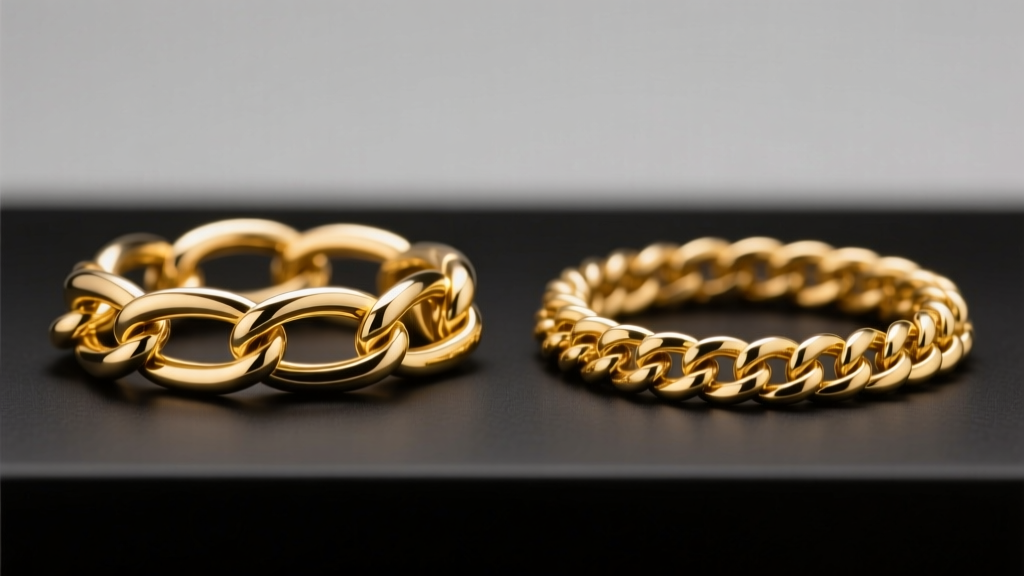
Red Flags and FTC Disclosures
Protect your investment by scrutinizing the product descriptions and hallmarks. Watch out for these common industry traps:
- Hollow and Electroformed Chains: These chains are manufactured using a wax or resin core that is later dissolved, leaving a thin shell of gold. They look incredibly thick and wide but weigh almost nothing. They dent easily if bumped against a hard surface and are virtually impossible to solder or repair if broken. Always ask for the gram weight; if a thick 5.0mm chain weighs under 6 grams, it is hollow.
- Gold Plated vs. Gold Vermeil: Standard gold plating is a microscopic layer of gold over base metals like brass or copper, which will tarnish and cause skin discoloration. Gold vermeil is a thicker layer of gold over sterling silver. While vermeil is a better alternative for fashion jewelry, neither should be confused with solid gold. Look for the '14K', '18K', or '585'/'750' stamp, which the FTC requires to be accompanied by a manufacturer's trademark hallmark to guarantee authenticity.
- Sizing Inconsistencies: Be wary of chains that do not specify if the stated length includes the clasp. A high-quality manufacturer measures the chain from the end of the last link to the end of the clasp mechanism to ensure accurate layering.
By prioritizing metal hardness, link geometry, and precise gram weight over mere visual width, you can confidently purchase necklaces that will endure decades of daily wear while retaining their intrinsic and aesthetic value.


