BV Necklace Guide: 18K Gold vs Ceramic Material Properties
Explore the metallurgical and mineral properties of BV necklace materials. Compare 18k gold, high-tech ceramic, and malachite for durability.

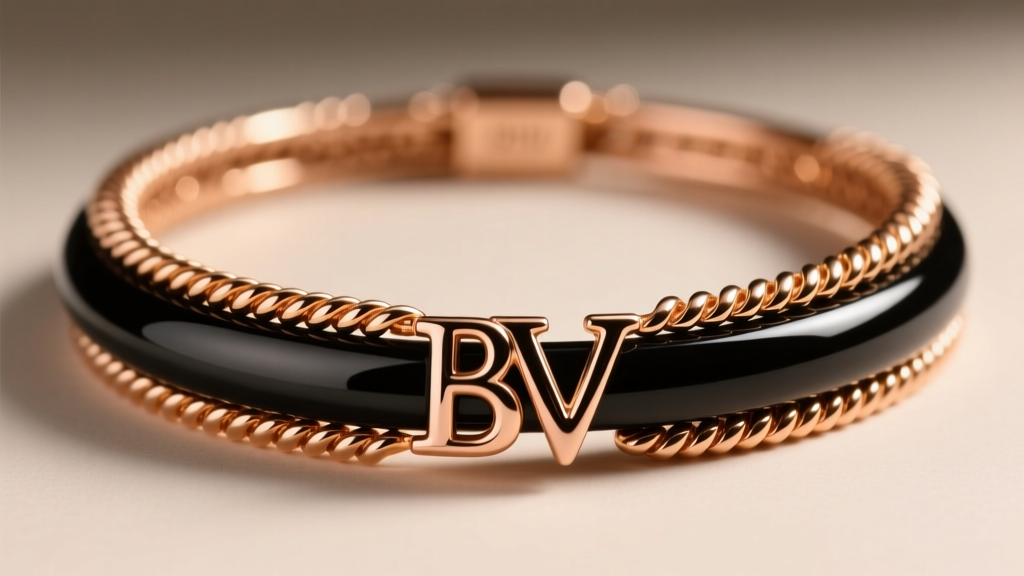
When collectors and enthusiasts search for a BV necklace, they are typically navigating the iconic architectural designs of Bvlgari’s B.zero1, Serpenti, and Divas' Dream collections. However, the true value and longevity of these pieces are dictated not just by their silhouette, but by the advanced material science engineering their core components. In 2026, understanding the metallurgical and mineralogical properties of these materials is essential for making informed purchasing decisions, predicting wear-and-tear, and establishing proper maintenance protocols.
This guide provides a deep-dive technical comparison of the primary materials used in BV necklaces: 18-karat gold alloys, high-tech structural ceramics, and porous gemstone inlays. We will examine Vickers hardness, fracture toughness, and real-world failure modes to help you choose the right material for your lifestyle.
The Metallurgy of Bvlgari’s 18K Gold Alloys
Pure 24-karat gold is far too malleable for the structural demands of a BV necklace, particularly the tension-based coil mechanisms found in the B.zero1 line. To achieve the necessary durability, Bvlgari utilizes 18-karat gold, which consists of 75% pure gold and 25% alloying metals. The specific alloying metals dictate the color, tensile strength, and oxidation resistance of the final piece.
Rose, Yellow, and White Gold Breakdown
- 18K Rose Gold: Alloyed with approximately 22.25% copper and 2.75% silver. The high copper content increases the Vickers hardness (HV) to roughly 150 HV, making it slightly more scratch-resistant than yellow gold. However, copper is prone to surface oxidation, meaning rose gold may develop a subtle patina over decades if exposed to high humidity and sulfur compounds.
- 18K Yellow Gold: Typically alloyed with equal parts silver and copper (12.5% each). It sits at around 130 HV. It is highly malleable, allowing for intricate micro-pavé diamond settings, but it is the most susceptible to micro-scratching from daily friction against clothing and skin.
- 18K White Gold: Bvlgari typically uses palladium rather than nickel as the bleaching agent to ensure hypoallergenic properties. White gold is almost always plated with a microscopic layer of rhodium to achieve a stark, reflective white finish. Over 3 to 5 years of daily wear, this rhodium layer will wear thin, revealing the slightly warm, yellowish-gray undertone of the base alloy, requiring professional re-plating.
High-Tech Ceramic: Zirconia Engineering
The black and white ceramic bands featured in many BV necklace designs are not traditional kiln-fired clays. They are advanced structural ceramics, primarily composed of Yttria-stabilized Zirconia (YSZ). This material is engineered for extreme hardness and chemical inertness.
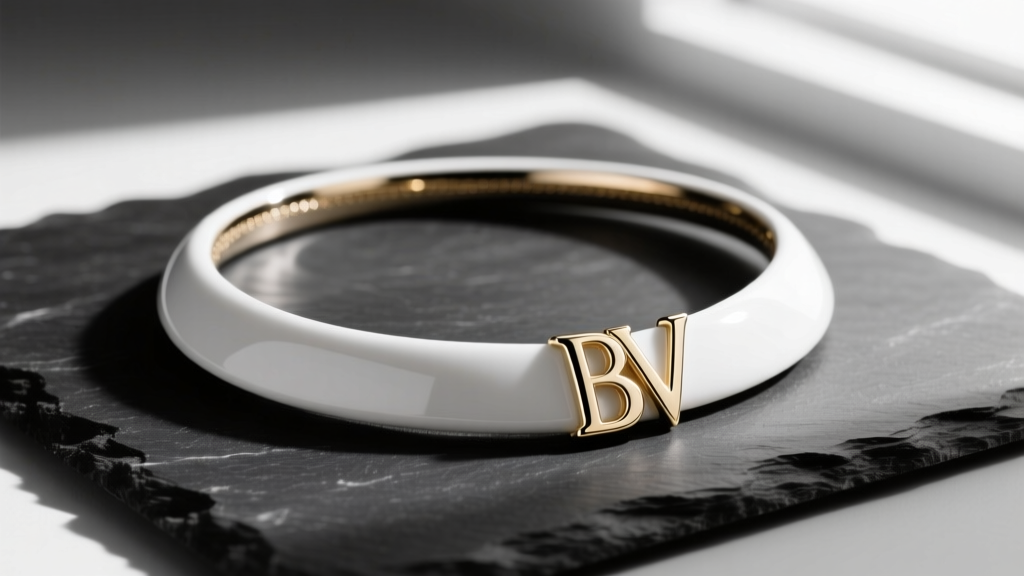
On the Mohs scale of mineral hardness, YSZ ceramic ranks at an 8.5, just below sapphire. For context, a standard steel knife blade ranks at 5.5, and airborne quartz dust (the primary cause of micro-scratches on metal jewelry) ranks at 7.0. Consequently, a ceramic BV necklace band is virtually impervious to scratching from daily environmental contact. Furthermore, the ceramic is completely UV-stable; unlike white gold, black ceramic will never fade, discolor, or require rhodium plating.
Technical Comparison: Gold vs. Ceramic
To understand how these materials behave under stress, we must look beyond scratch resistance and evaluate fracture toughness and density. The table below outlines the mechanical properties of the core materials used in the B.zero1 collection.
| Property | 18K Rose Gold | 18K White Gold | High-Tech Ceramic (YSZ) |
|---|---|---|---|
| Vickers Hardness (HV) | ~150 HV | ~135 HV | ~1200 HV |
| Mohs Hardness | 2.5 - 3.0 | 2.5 - 3.0 | 8.5 |
| Fracture Toughness | High (Malleable) | High (Malleable) | Low (Brittle) |
| Chemical Reactivity | Moderate (Tarnish risk) | Low (Rhodium dependent) | None (Inert) |
| Primary Failure Mode | Surface abrasion / Denting | Rhodium depletion | Catastrophic shattering |
Organic and Porous Inlays: Malachite and Onyx
While the B.zero1 relies on metals and ceramics, the Serpenti and Divas' Dream collections frequently incorporate vibrant gemstone inlays. The most iconic is malachite, prized for its striking concentric green banding. However, from a materials science perspective, malachite is a high-liability stone.
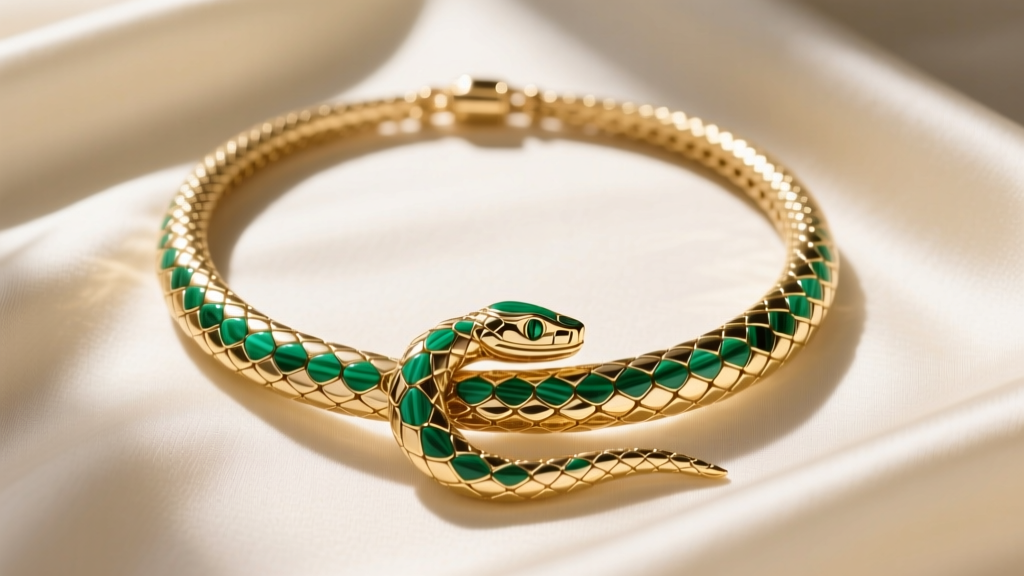
Malachite is a copper carbonate hydroxide mineral (Cu2CO3(OH)2). It ranks a mere 3.5 to 4.0 on the Mohs scale, making it exceptionally soft. More critically, it is highly porous and chemically reactive. According to the Gemological Institute of America (GIA), malachite is extremely sensitive to acids, ammonia, and even the natural lactic acid found in human sweat. Prolonged skin contact during high-exertion activities can literally dissolve the polished surface of the stone, leaving it dull and pitted.
By contrast, black onyx (a dyed chalcedony quartz) ranks at 7.0 on the Mohs scale. It is non-porous, chemically stable, and highly resistant to both scratching and acid exposure, making it a vastly superior choice for buyers who intend to wear their BV necklace daily without strict removal protocols.
Real-World Failure Modes and Maintenance Protocols
Understanding material properties allows you to predict and prevent specific failure modes associated with BV necklaces.
The Ceramic Shatter Risk
While YSZ ceramic is scratch-proof, its crystalline structure lacks the metallic bonds that allow gold to dent and deform. Ceramic has low fracture toughness. If a ceramic BV necklace is dropped from a height of 1.5 meters onto a hard, unyielding surface like marble or porcelain tile, the kinetic energy cannot be absorbed through deformation. This results in catastrophic brittle fracture—the ceramic band will shatter. Gold, conversely, will merely dent or warp, which can be hammered and polished back into shape by a master jeweler.
The Malachite Degradation Protocol
If your BV necklace features malachite, you must adhere to a strict chemical quarantine. Perfumes, lotions, and hairsprays must be applied and allowed to dry completely before the necklace is fastened. Ultrasonic cleaners, which are safe for diamond and gold, will vibrate the porous malachite at frequencies that can cause internal micro-fractures, leading to the stone splitting along its natural banding lines. Clean malachite only with a dry, ultra-soft microfiber cloth.
2026 Market Pricing and Investment Value
Material composition heavily dictates the entry price and secondary market retention of a BV necklace. As of 2026, the pricing tiers reflect both raw material costs and manufacturing complexity.
- Entry-Level (Ceramic & Steel/Gold accents): A one-band B.zero1 ceramic necklace typically retails between $1,200 and $1,600. The use of ceramic keeps the price accessible while maintaining the brand's architectural aesthetic.
- Mid-Tier (Solid 18K Gold): A three-band or four-band solid 18K gold B.zero1 necklace ranges from $3,800 to $6,500. The price is directly tethered to the spot price of gold, which the World Gold Council tracks continuously. Solid gold pieces generally retain higher resale value on the secondary market compared to ceramic hybrids.
- High Jewelry (Serpenti Pavé): Necklaces featuring 18K white gold fully paved with VS-clarity diamonds and emerald accents easily exceed $25,000. The value here shifts from the base metal to the gemological quality of the stones and the artisan labor required for micro-setting.
For comprehensive care instructions specific to your piece's material makeup, always refer to the official Bvlgari customer care guidelines. Ultimately, choosing the right BV necklace requires balancing your aesthetic preference for color and weight against the physical realities of how you interact with your environment daily. If your lifestyle is active and prone to impacts, 18K gold remains the safest, most repairable investment. If you prioritize pristine, scratch-free surfaces and adhere to careful wearing habits, high-tech ceramic offers unmatched modern durability.


