Can Cleef Necklace Chains Get Wet? A Beginner Care Guide
Wondering if your Van Cleef necklace can survive water? Discover expert care tips, material vulnerabilities, and daily wear rules for your Alhambra.

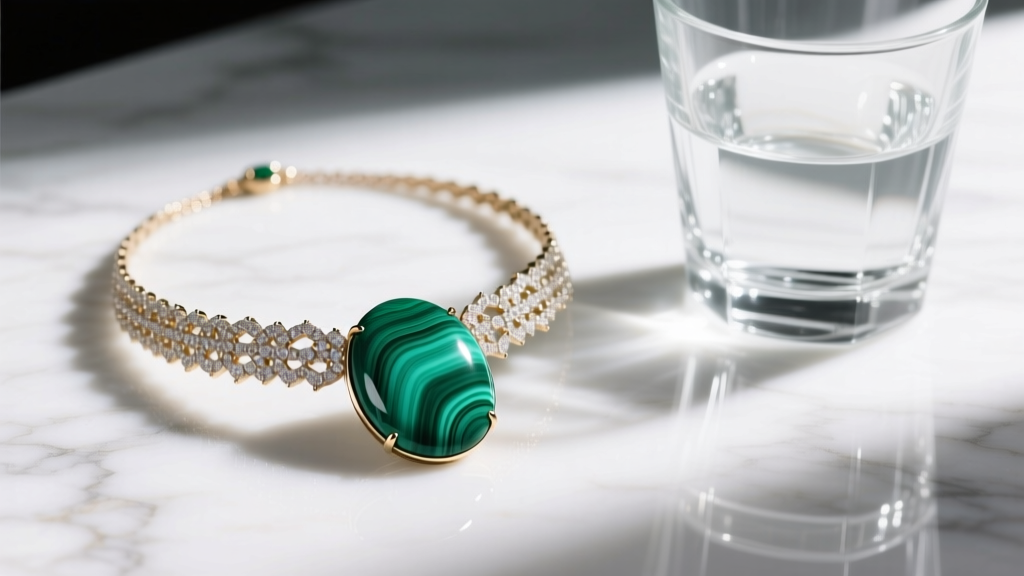
If you have found yourself typing can cleef necklace pieces get wet into your search bar, you are not alone. The iconic Van Cleef & Arpels Vintage Alhambra necklace is a cornerstone of luxury jewelry, but its delicate hardstones and 18k gold chains require specific care. As a beginner navigating the world of fine jewelry, it is crucial to understand that not all luxury pieces are created equal when it comes to water resistance. In this comprehensive 2026 guide, we break down the gemological and metallurgical realities of wearing your Alhambra necklace in water, sweat, and humidity.
The Anatomy of an Alhambra Necklace
To understand how water affects your necklace, you must first understand its composition. A standard Vintage Alhambra pendant consists of two main elements: the 18k gold chain and the central hardstone motif framed by a gold beaded border (guilloché).
18k gold is an alloy comprising 75% pure gold and 25% strengthening metals like copper, silver, or zinc. While pure gold is entirely impervious to water and rust, the alloyed metals can react to specific chemicals found in tap water, pools, and the ocean. The hardstones—ranging from malachite and onyx to mother-of-pearl and carnelian—each possess unique crystal structures and porosity levels that dictate their vulnerability to moisture.
What Happens When Hardstones Meet Water?
Water itself (H2O) is rarely the sole culprit of jewelry damage. It is the dissolved minerals, chlorine, salt, and temperature variations within the water that wreak havoc on porous gemstones. According to the Gemological Institute of America (GIA), organic and porous stones require vastly different care than crystalline quartz varieties.
Malachite: The Copper Carbonate Risk
Malachite is a copper carbonate hydroxide mineral with a low Mohs hardness of 3.5 to 4.0. It is highly sensitive to acids, heat, and prolonged moisture. If you swim in a chlorinated pool wearing a malachite Alhambra necklace, the chlorine can chemically react with the copper content, leading to a dull, whitish film or severe surface pitting that cannot be polished out at home.
Mother-of-Pearl: The Calcium Carbonate Vulnerability
Mother-of-pearl (nacre) is an organic-inorganic composite material produced by mollusks. It is primarily composed of calcium carbonate (CaCO3). Calcium carbonate readily dissolves in acidic environments. Even the slight acidity of rainwater or the chemical balance of a swimming pool can degrade the nacre's iridescent luster over time, leaving the stone looking chalky and lifeless.
Onyx and Carnelian: The Quartz Exceptions
Black onyx and carnelian are varieties of chalcedony (microcrystalline quartz) with a Mohs hardness of 6.5 to 7.0. These stones are largely non-porous and highly resistant to water. However, the official Van Cleef & Arpels care guidelines still advise against submerging them, as the adhesives or backing materials used to secure the stone within the gold bezel can degrade with prolonged water exposure.
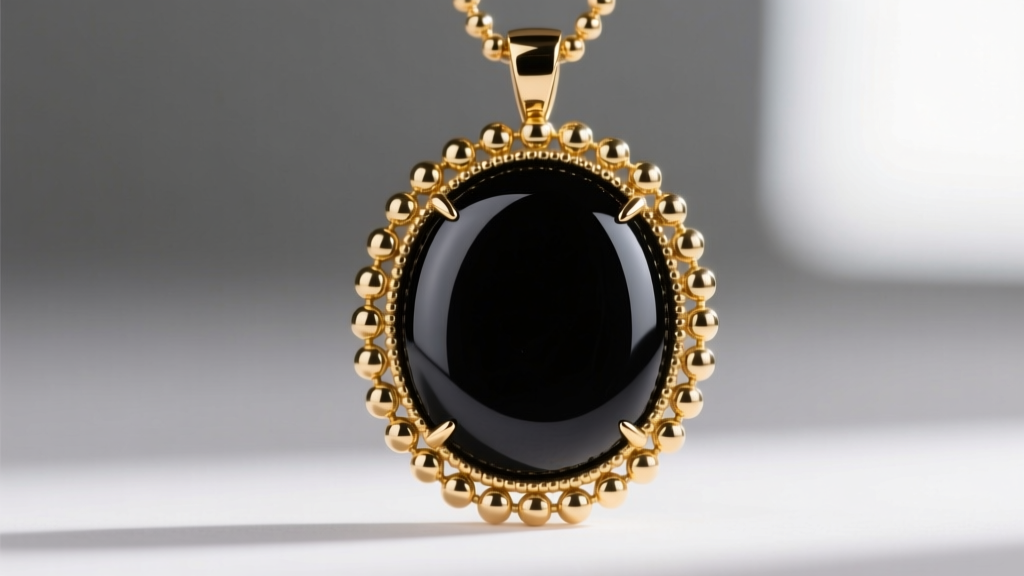
Stone Porosity & Water Vulnerability Chart
Use this quick-reference table to determine the relative safety of your specific Alhambra stone when exposed to moisture.
| Hardstone | Mohs Hardness | Porosity Level | Reaction to Chlorine/Salt | Water Exposure Verdict |
|---|---|---|---|---|
| Malachite | 3.5 - 4.0 | High | Severe chemical reaction | Strictly Avoid |
| Mother-of-Pearl | 2.5 - 4.5 | Medium-High | Surface degradation | Strictly Avoid |
| Carnelian | 6.5 - 7.0 | Very Low | Minimal reaction | Occasional / Wipe Dry |
| Black Onyx | 6.5 - 7.0 | Very Low | Minimal reaction | Occasional / Wipe Dry |
| Lapis Lazuli | 5.0 - 6.0 | Medium | Pyrite inclusions can rust | Strictly Avoid |
The Hidden Dangers: Sweat, Perfume, and Lotions
While you might remember to take off your necklace before jumping into the ocean, daily chemical exposures are often more destructive. Human sweat has a pH ranging from 4.5 to 7.0, making it slightly acidic. When sweat accumulates on the back of a mother-of-pearl or malachite motif, it slowly etches the stone.
Furthermore, cosmetics, perfumes, and hairsprays contain alcohols and volatile organic compounds (VOCs) that can strip the natural oils from organic gems and leave a stubborn, cloudy residue on the gold bezels. The golden rule of luxury jewelry layering is simple: Your necklace should be the last thing you put on when dressing, and the first thing you take off when undressing.
Chain Care: 18k Gold and Stress Corrosion
The delicate links of a Van Cleef & Arpels chain are masterfully crafted but inherently fragile. When 18k yellow or rose gold is exposed to chlorine (found in tap water, pools, and hot tubs), it can trigger a metallurgical phenomenon known as stress corrosion cracking.
Chlorine attacks the copper and silver alloys within the 18k gold, particularly at the microscopic stress points of the chain links or the solder joints near the clasp. Over time, this makes the gold brittle, leading to sudden chain snaps that often result in the loss of the pendant. In the 2026 secondary market, replacing a lost Alhambra motif or repairing a vintage chain can cost upwards of $1,500 to $3,000, making preventive care a vital financial decision.
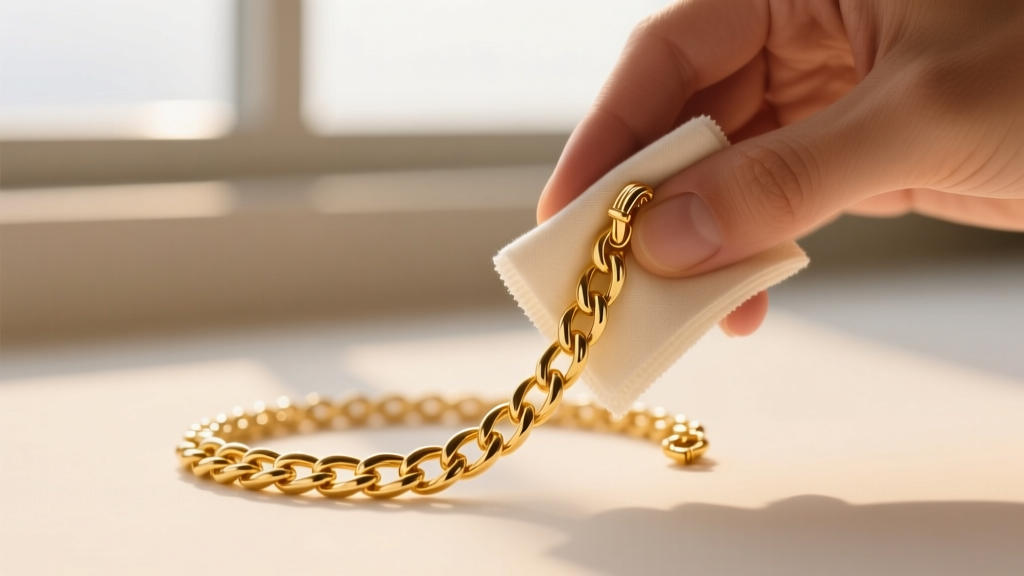
Step-by-Step Cleaning Protocol for Beginners
If your necklace has been exposed to sweat or accidental splashes, follow this safe, professional-grade cleaning protocol:
- Step 1: Dry Wipe. Use a clean, lint-free microfiber cloth to gently wipe the stone and gold. Never use paper towels, as their wood pulp fibers can cause micro-scratches on softer stones like malachite.
- Step 2: Mild Dampening (Quartz Only). For onyx or carnelian, you may slightly dampen the cloth with distilled water. Never apply water directly to the stone.
- Step 3: Avoid Ultrasonic Cleaners. Never place an Alhambra necklace in an ultrasonic jewelry cleaner. The high-frequency vibrations can shatter stones with natural cleavage planes or loosen the adhesive securing the hardstone to the gold backing.
- Step 4: Professional Polishing. If the gold bezel has accumulated deep scratches or the stone has lost its luster, take it to a Van Cleef & Arpels boutique. They use specialized, non-abrasive polishing techniques that preserve the integrity of the guilloché border.
Final Thoughts on Daily Wear
Owning a piece of high jewelry is an exercise in mindful adornment. While the search query can cleef necklace pieces survive the elements is common, the gemological reality is that true luxury requires protection. By understanding the specific vulnerabilities of your necklace's hardstone and respecting the chemical sensitivities of 18k gold, you ensure that your Alhambra piece remains a pristine, generational heirloom for decades to come.


