Ultimate Care Guide for Your Black Multi Strand Necklace
Learn expert cleaning and maintenance tips for your black multi strand necklace. Discover material-specific care to prevent tangling and fading.

The Hidden Complexity of Black Multi-Strand Jewelry
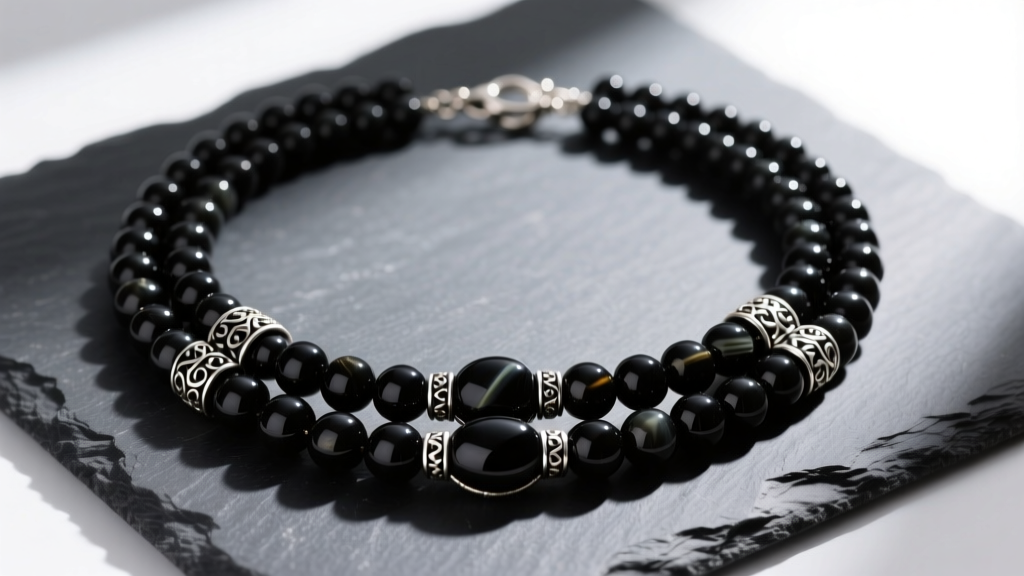
Black multi-strand necklaces are undeniably striking, offering a bold, textured aesthetic that elevates both casual and formal wear. However, their intricate layering makes them notorious magnets for skin oils, cosmetics, and environmental dust. Because dark colors contrast sharply with light dust and dried lotion, they require meticulous upkeep to maintain their deep, rich hues. Furthermore, the structural integrity of multi-strand pieces relies on hidden components—like crimp beads and nylon-coated wire—that can be easily destroyed by improper cleaning methods. This comprehensive guide will walk you through the exact protocols needed to clean, maintain, and store your black multi strand necklace without compromising its materials or structure.
Identifying Your Necklace Materials
Before applying any water or cleaning solution, you must identify the exact materials comprising your necklace. 'Black' is not a single material; it is a color achieved through various natural and synthetic processes. According to the Gemological Institute of America (GIA), many black beads on the market, particularly onyx and agate, are dyed to achieve their uniform dark color. Harsh chemicals can strip this dye, leaving the stones splotchy and gray.
| Material Component | Common Examples | Cleaning Sensitivity | Ultrasonic Safe? |
|---|---|---|---|
| Natural Hard Stones | Black Spinel, Black Tourmaline, Obsidian | Low (Resists mild chemicals) | No (Risk of inclusion fracturing) |
| Dyed Stones | Dyed Onyx, Dyed Agate, Dyed Jade | High (Chemicals strip dye) | No (Vibrations cause dye leaching) |
| Organic Materials | Leather Cords, Silk Thread, Black Pearls | Extreme (Water causes warping/rot) | No (Will destroy organics) |
| Strand Core Wire | 49-Strand Nylon-Coated Stainless Steel | Moderate (Prolonged water degrades nylon) | No (Fraying risk) |
The Anatomy of the Strands: Why Ultrasonics Are the Enemy
Most high-quality multi-strand necklaces are constructed using 49-strand stainless steel beading wire encased in a protective nylon sheath. While the steel core provides flexibility and strength, the nylon coating is vulnerable. Submerging your necklace in an ultrasonic cleaner or leaving it soaked in water can cause the nylon to degrade, swell, or separate from the steel. Once water penetrates the crimp beads at the clasp, it becomes trapped against the steel wire, leading to internal rust that will eventually snap the strands. Always opt for manual, targeted cleaning methods.
Daily Wear and Preventative Maintenance
The Jewelers of America consistently emphasizes that preventative care is the most effective way to preserve complex jewelry. For a black multi strand necklace, this means adhering to the 'Last On, First Off' rule.
- Last On: Apply perfumes, hairsprays, and lotions at least 10 minutes before putting on your necklace. Alcohol and oils in cosmetics can break down the polish on black spinel and strip the dye from black onyx.
- First Off: Remove the necklace before showering, swimming, or exercising. Chlorine and saltwater are particularly corrosive to the metal clasps and crimp beads holding the multiple strands together.
- Post-Wear Wipe: Keep a clean, dry microfiber cloth on your dresser. Gently wipe down the strands after each wear to remove acidic skin oils and microscopic dust before they can build up in the crevices between the beads.
Deep Cleaning Techniques by Material
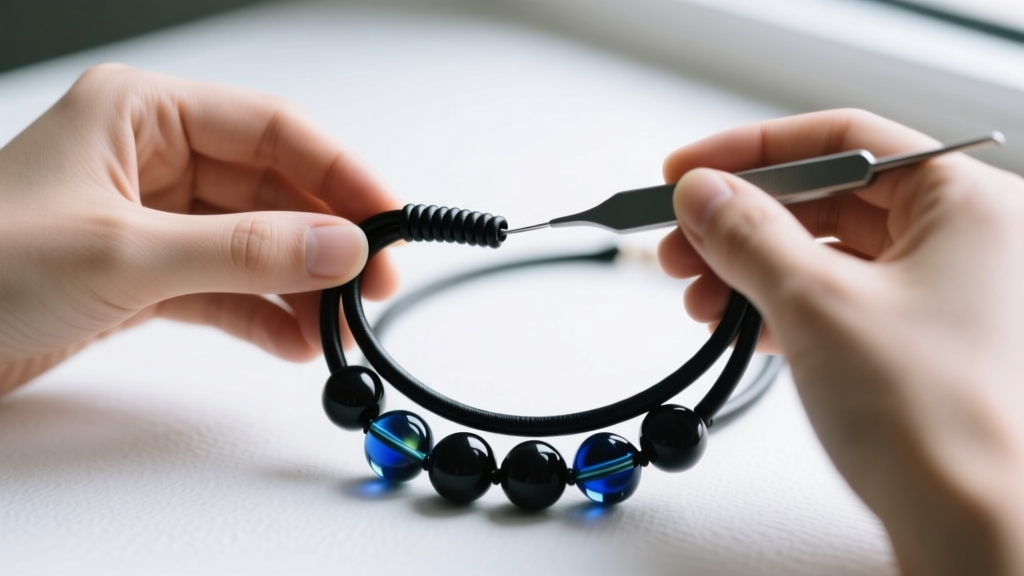
When your necklace requires a deeper clean, tailor your approach to the specific materials. Never use ammonia, bleach, or commercial silver dips on multi-strand jewelry.
1. Cleaning Hard and Dyed Stones (Onyx, Spinel, Glass)
Mix a few drops of pH-neutral dish soap (like Dawn or Castile soap) into a bowl of lukewarm distilled water. Distilled water is crucial because tap water contains minerals that can leave white, chalky deposits on dark beads. Dip a soft-bristled baby toothbrush or a specialized jewelry brush into the solution, and gently agitate the bristles between the strands. Do not scrub the beads aggressively. Rinse by briefly holding the necklace under a gentle stream of lukewarm distilled water, ensuring the water pressure is low enough not to bend the wire strands.
2. Cleaning Organic Strands (Leather, Silk, Dyed Pearls)
If your black multi strand necklace incorporates leather cords or silk threads, water is strictly prohibited. Instead, use a slightly damp microfiber cloth to wipe the surface of the leather. For stubborn grime, apply a tiny amount of leather conditioner to the cloth—not directly to the necklace—and buff gently. For black Tahitian pearls, use a dry, untreated polishing cloth, as their organic nacre is highly susceptible to acid and moisture damage.
3. Cleaning the Hardware (Black Rhodium and Oxidized Silver)
Many black necklaces feature black rhodium-plated brass or oxidized sterling silver clasps. Black rhodium plating is exceptionally thin, typically measuring only 0.1 to 0.2 microns. Using abrasive polishing cloths or liquid silver cleaners will strip this plating right off, exposing the base metal beneath. Clean these components using only a dry, lint-free microfiber cloth. If the clasp mechanism is stiff, apply a microscopic drop of synthetic watch oil to the hinge using a toothpick—never use WD-40, which attracts dust and gums up small jewelry mechanisms.
Safe Drying and Storage Protocols
Drying a multi-strand necklace improperly can lead to water spots and trapped moisture. Never hang a wet multi-strand necklace, as the weight of the water can stretch the nylon-coated wire and distort the drape of the strands.
The Towel Burrito Method: Lay the necklace flat on a clean, dry, lint-free cotton towel. Gently pat the strands to absorb excess water. Roll the towel up with the necklace inside (like a burrito) and press lightly to wick away remaining moisture. Unroll and allow the necklace to air dry completely on a flat surface for at least 4 hours before storing.
Troubleshooting Common Issues
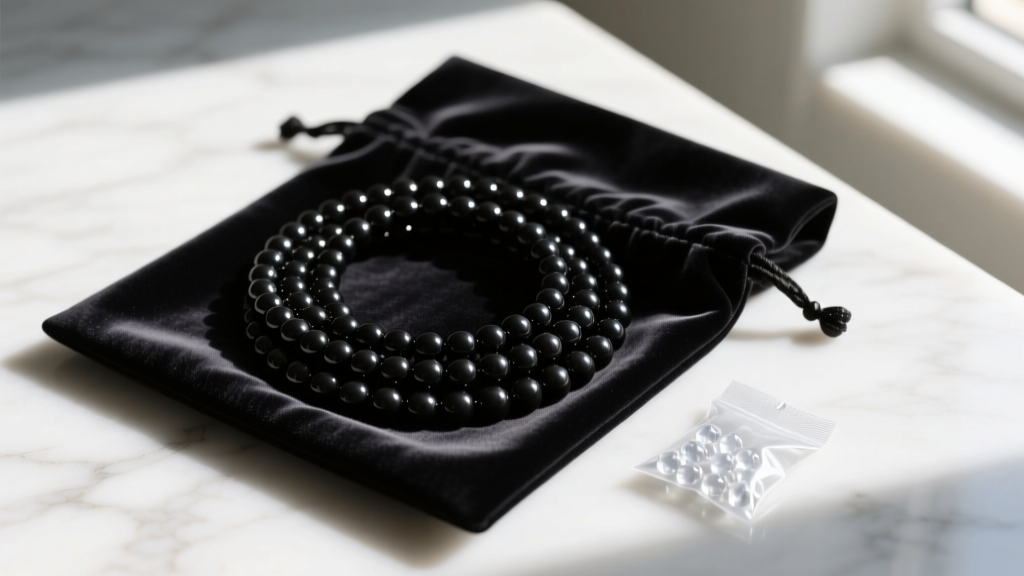
Even with meticulous care, multi-strand necklaces present unique structural challenges. Here is how to handle the most common issues:
The Dreaded Multi-Strand Tangle
When multiple strands twist around one another, pulling them tight will only worsen the knot and potentially kink the internal steel wire. Lay the necklace on a flat, hard surface. Use two straight pins or specialized jewelry detangling tools to gently tease the center of the knot outward. Apply a tiny dusting of talcum powder or cornstarch to the knot to reduce friction between the beads, allowing them to slide apart more easily.
Fading or Splotchy Black Beads
If your dyed onyx or agate beads are fading or showing lighter patches, the dye has been compromised by UV exposure, sweat, or chemicals. Unfortunately, this cannot be reversed at home. A professional jeweler can sometimes re-dye porous stones like agate, but this requires restringing the entire necklace. To prevent this, store your necklace away from direct sunlight and always remove it before heavy physical exertion.
Clasp Slippage and Strand Fraying
Inspect the crimp beads (the small metal tubes securing the strands to the clasp) every six months. If you notice the nylon coating peeling back near the crimp, or if the strands feel loose when you gently tug them, the structural integrity is failing. Take the piece to a professional jeweler to have the ends snipped and re-crimped before a strand snaps and scatters beads across the floor.
Final Thoughts on Longevity
A black multi strand necklace is an investment in intricate craftsmanship and bold style. By understanding the specific vulnerabilities of dyed stones, nylon-coated wires, and delicate black rhodium plating, you can ensure your piece remains a staple in your wardrobe for decades. Consistent, gentle maintenance will always outperform aggressive, infrequent deep cleans.


