How to Clean and Care for Your Sacred Heart Gold Necklace
Learn expert cleaning and maintenance tips to protect the intricate details and gold finish of your sacred heart gold necklace for years to come.

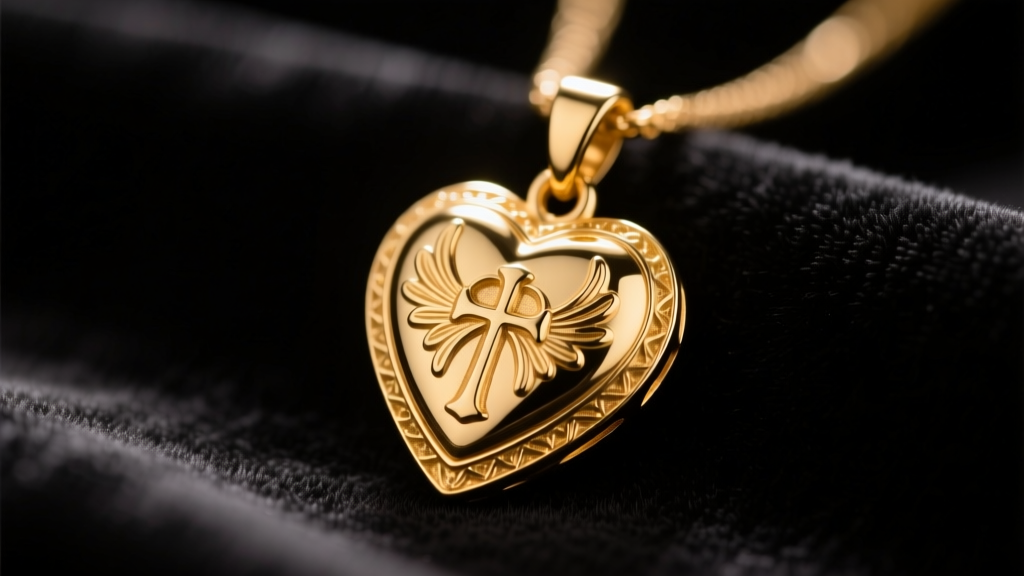
The sacred heart motif is one of the most deeply symbolic and visually complex designs in jewelry history. Characterized by its high-relief sunburst rays, wrapping thorns, and crowned flames, a sacred heart gold necklace is a stunning statement piece. However, this exact same intricate topography makes it a magnet for sebum, cosmetic residue, and environmental grime. Proper care is not just about maintaining its shine; it is about preserving the structural integrity of the gold alloy and the crispness of the artisan's engraving.
Whether your piece is a family heirloom crafted in 18k yellow gold or a modern 14k rose gold interpretation, the metallurgical realities of gold jewelry require a specific, disciplined approach to maintenance. Below is a comprehensive, expert-level guide to cleaning, storing, and troubleshooting your sacred heart pendant and chain.
Understanding Your Gold Alloy and Its Vulnerabilities
Before applying any cleaning solution, you must identify the exact composition of your necklace. Pure 24k gold is virtually impervious to tarnish, but it is far too soft for intricate pendant work. Therefore, your necklace is an alloy, and the secondary metals dictate its care requirements.
- 14k Gold (58.5% Pure Gold): Alloyed with copper, silver, and zinc for durability. The copper content makes 14k gold (especially rose gold) susceptible to oxidation and darkening when exposed to sulfur, chlorine, and harsh acids.
- 18k Gold (75% Pure Gold): Richer in color and highly resistant to tarnish, but physically softer. The high-relief flames and thorns on an 18k sacred heart pendant are prone to micro-scratches and edge-wear if polished too aggressively.
- Gold Vermeil: A sterling silver base plated with at least 2.5 microns of gold. According to FTC jewelry guidelines, vermeil requires the gentlest care, as abrasive polishing will strip the gold layer and expose the tarnish-prone silver beneath.
The Anatomy of Grime: Where Dirt Hides
A sacred heart pendant features deep undercuts and recessed channels. The area where the sunburst rays meet the central heart, the gaps between the crown of thorns, and the interior of the bail (the loop connecting the pendant to the chain) are primary traps for dead skin cells, lotion, and perfume. Over time, this organic matter hardens into a cement-like residue that dulls the gold's refractive qualities and can even harbor bacteria against the skin.

The Expert Step-by-Step Cleaning Protocol
Forget commercial jewelry dips; they often contain thiourea, a toxic chemical that can cause micro-pitting in gold alloys over time. For a sacred heart gold necklace, a manual, pH-neutral approach is the gold standard.
What You Will Need
- Distilled water (tap water contains minerals and chlorine that leave spots and react with copper alloys)
- pH-neutral liquid dish soap (e.g., original Dawn, free of lotions or citrus additives)
- An ultra-soft baby toothbrush (adult toothbrushes have bristles that can cause micro-scratches on high-polish gold)
- A lint-free microfiber cloth
- A wooden toothpick (for stubborn, hardened debris in deep crevices)
The Cleaning Process
- Prepare the Bath: Mix three drops of pH-neutral soap into a bowl of lukewarm distilled water. Avoid hot water, which can expand microscopic fissures in any gemstone accents.
- Soak: Submerge the necklace for exactly 10 to 15 minutes. This rehydrates and softens hardened sebum without stressing the metal.
- Agitate Gently: Using the baby toothbrush, brush the pendant in small, circular motions. Pay special attention to the back of the pendant and the bail. Use the wooden toothpick to gently dislodge any remaining debris from the thorns or flame tips—never use metal needles, which will gouge the gold.
- Rinse and Dry: Rinse thoroughly under a gentle stream of distilled water. Pat dry with the microfiber cloth, then allow it to air-dry completely on a paper towel before storage.
Expert Warning: Never use an ultrasonic cleaner on a sacred heart pendant if it features cold enamel (often used to color the flames red or the heart blue) or pave-set gemstones. The high-frequency vibrations can shatter enamel and shake loose delicate prongs.
Chemical Exposure: Safe vs. Unsafe Agents
Understanding what chemicals interact with your gold alloy is critical for preventing irreversible damage like stress corrosion cracking.
| Chemical / Substance | Effect on Gold Alloys | Verdict |
|---|---|---|
| Chlorine (Pools/Bleach) | React with copper/silver alloys, causing stress corrosion cracking and permanent brittleness. | AVOID AT ALL COSTS |
| Sulfur (Hot Springs/Rubber) | Binds with silver/copper in the alloy, creating a dark, stubborn tarnish layer. | AVOID |
| Isopropyl Alcohol | Safe for solid gold, but will strip the protective coatings on some treated gemstones. | USE WITH CAUTION |
| pH-Neutral Dish Soap | Lifts oils and organic matter without reacting with metal alloys. | HIGHLY RECOMMENDED |
| Ammonia-based Cleaners | Can degrade the structural integrity of the alloy over prolonged exposure. | AVOID |
Storage and Maintenance Best Practices
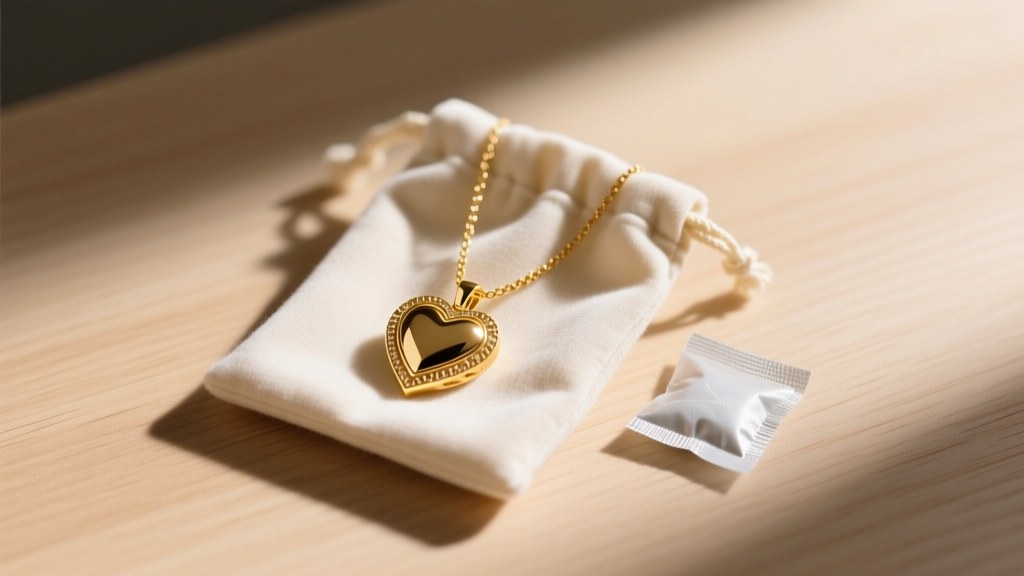
How you store your sacred heart gold necklace when it is not being worn is just as important as how you clean it. Gold is a relatively soft metal, and the intricate rays of the pendant can easily scratch the surface of the chain or other jewelry if tossed into a communal box.
Always store the necklace in an individual, anti-tarnish flannel or microfiber pouch. Include a small silica gel packet in your jewelry drawer to control ambient humidity, which accelerates the oxidation of the copper and silver alloys in 14k gold. Furthermore, always fasten the clasp before storing; this prevents the chain from slithering into knots and keeps the pendant from sliding down and scratching the chain links.
Troubleshooting Common Issues
Severe Chain Tangles
Delicate cable or figaro chains frequently knot around the pendant bail. Do not pull the knot tight. Instead, lay the necklace on a flat, hard surface, apply a tiny dusting of baby powder or talcum powder to the knot to reduce friction, and use two fine sewing needles to gently tease the links apart from the center outward.
Surface Scratches on High-Polish Areas
Over time, the high-polish surfaces of the heart will accumulate micro-scratches. For light scuffing, use a specialized jeweler's polishing cloth (impregnated with mild rouge). Rub in one direction, never in circles. If the scratches are deep, or if the piece has a brushed/matte finish on the sunburst rays, do not polish it yourself. Take it to a professional jeweler who can mask off the matte areas and selectively polish the high-relief elements without ruining the artisan's intended contrast.
Loss of Luster Despite Cleaning
If your necklace still looks dull after a thorough wash, the issue may not be dirt, but rather a buildup of hard water minerals or a chemical patina. A quick wipe with a cloth lightly dampened with white vinegar can dissolve mineral deposits, followed immediately by a distilled water rinse. For a comprehensive understanding of gold quality factors and how alloy compositions affect long-term wear, refer to the educational resources provided by the Gemological Institute of America (GIA).
By treating your sacred heart gold necklace with metallurgical respect and adhering to a gentle, consistent cleaning routine, you ensure that its profound symbolism and brilliant craftsmanship remain undimmed for generations.


