Expert Care and Cleaning Tips for Italian Necklaces
Learn expert cleaning and maintenance tips for Italian necklaces. Discover how to polish 14k and 18k gold chains, remove tarnish, and store them safely.

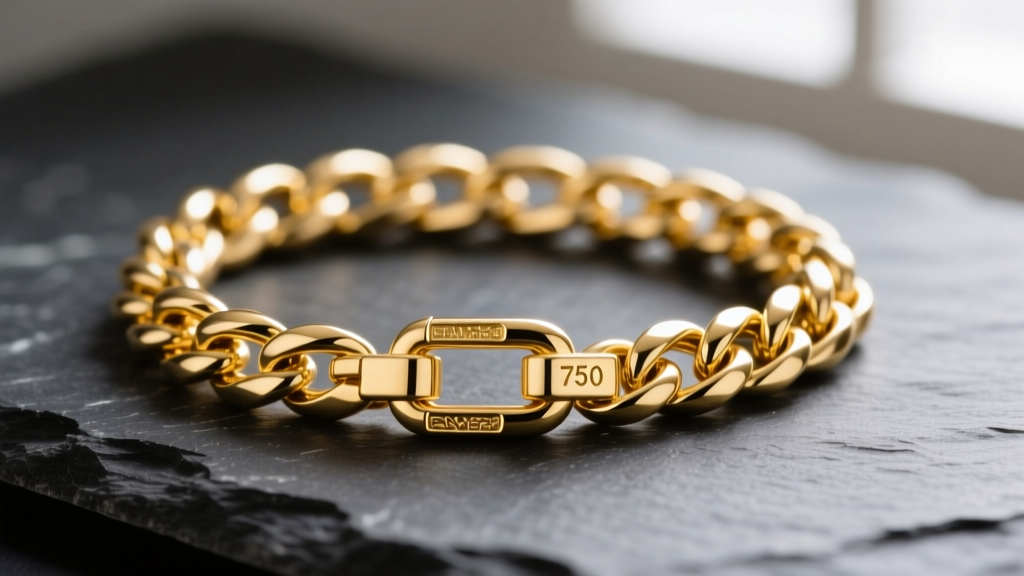
Italian gold necklaces are globally revered for their masterful craftsmanship, fluid draping, and intricate link patterns. Originating from historic jewelry hubs like Arezzo and Vicenza, these pieces are not just accessories; they are wearable investments. However, the very techniques that make Italian chains—such as the cordino (rope) or gourmette (curb)—so beautiful also dictate strict, specialized care protocols. Whether you own a solid 18k gold Figaro chain or a lightweight hollow box chain, understanding the metallurgy and structural vulnerabilities of your jewelry is essential for preserving its luster and structural integrity.
Decoding Italian Hallmarks: 750, 585, and Maker's Marks
Before applying any cleaning solution, you must identify the exact alloy of your Italian necklace. Under Italian Law 262/1968, precious metals must bear specific hallmarks. You will typically find a lozenge-shaped stamp containing a star, a number, and a province code (e.g., '1 AR' for Arezzo).
- 750 (18k Gold): Composed of 75% pure gold and 25% alloy metals. It has a rich, buttery yellow hue but is relatively soft. It resists tarnish exceptionally well but is prone to micro-scratches and stretching if pulled.
- 585 (14k Gold): Contains 58.5% pure gold. The higher alloy content (often copper and silver) makes it more durable for daily wear but slightly more susceptible to oxidation and tarnish over time, especially when exposed to sulfur or chlorine.
According to the Gemological Institute of America (GIA), understanding your gold's karat weight is the first step in determining the appropriate chemical cleaners, as higher alloy metals in 14k gold can react poorly to harsh ammonia-based dips.
The Vulnerability of Hollow Italian Chains (Tubolare)
Italian manufacturers pioneered the 'tubolare' (tubular or hollow) chain technique, allowing for voluminous, impressive-looking chains at a fraction of the solid gold weight and price. These are created using electroforming or a resin core that is later melted away.
Never place a hollow Italian chain in an ultrasonic cleaner. The high-frequency vibrations can cause micro-fractures in the thin gold walls, leading to irreversible crushing or snapping.
If your hollow chain becomes soiled, rely exclusively on gentle, static soaking methods. Avoid any mechanical brushing that could apply lateral pressure to the delicate links.
Step-by-Step Cleaning Protocol for Solid Italian Gold
For solid 14k and 18k Italian chains, a methodical approach will remove accumulated sebum, lotions, and environmental dust without damaging the metal's finish.
1. The Distilled Water Soak
Fill a glass bowl with warm (not hot) distilled water. Tap water contains trace minerals and chlorine that can leave spots or react with 14k alloys. Add three drops of a pH-neutral, phosphate-free dish soap (such as Dawn Free & Clear). Submerge the necklace for 15 to 20 minutes to loosen debris trapped in the crevices of complex links like the Italian rope chain.
2. Agitation and Brushing
Use an extra-soft baby toothbrush. Gently sweep the bristles along the grain of the chain. For Figaro and Curb chains, pay special attention to the flat interlocking surfaces where dead skin cells accumulate. Never use medium or hard bristles, as they will leave permanent swirl marks on high-polish 18k gold.
3. Rinsing and Drying
Rinse the chain under a gentle stream of lukewarm distilled water. To dry, lay the chain flat on a lint-free microfiber cloth. Do not rub vigorously; instead, pat it dry and allow it to air-dry completely before storage to prevent water spots.
Cleaning Solutions by Chain Type and Finish
Not all Italian chains feature a standard high-polish finish. The cleaning method must adapt to the surface treatment.
| Chain Style / Finish | Recommended Cleaner | Tools to Use | What to Avoid |
|---|---|---|---|
| Solid High-Polish (Box, Curb) | Mild dish soap + distilled water | Extra-soft baby toothbrush | Abrasive polishing pastes |
| Diamond-Cut (Rope, Figaro) | Ammonia-free jewelry dip | Soft lint-free cloth | Hard bristles (dulls facets) |
| Hollow / Tubolare | Warm distilled water only | Static soak (no brushing) | Ultrasonic cleaners, steam |
| Satin / Matte Finish | pH-neutral soap suds | Fingers only | Polishing cloths (ruins matte) |
Restoring the Sparkle to Diamond-Cut Italian Chains
Diamond-cut Italian chains feature precisely machined facets that reflect light brilliantly. Over time, these flat, angled surfaces become clouded by cosmetic buildup. While it is tempting to use a silver or gold polishing cloth to restore the shine, this is a critical error. Polishing cloths contain mild abrasives (like jeweler's rouge) that will slowly round off the sharp edges of the diamond-cut facets, permanently dulling the chain's signature sparkle. Instead, use a specialized, non-abrasive liquid jewelry cleaner formulated for gold, or stick to the mild soap soak and gently wipe the facets with a clean, damp microfiber swab.
Storage Strategies to Prevent Kinking and Crushing
How you store your Italian necklace is just as critical as how you clean it. Certain Italian weaves are notoriously difficult to repair if damaged in the jewelry box.
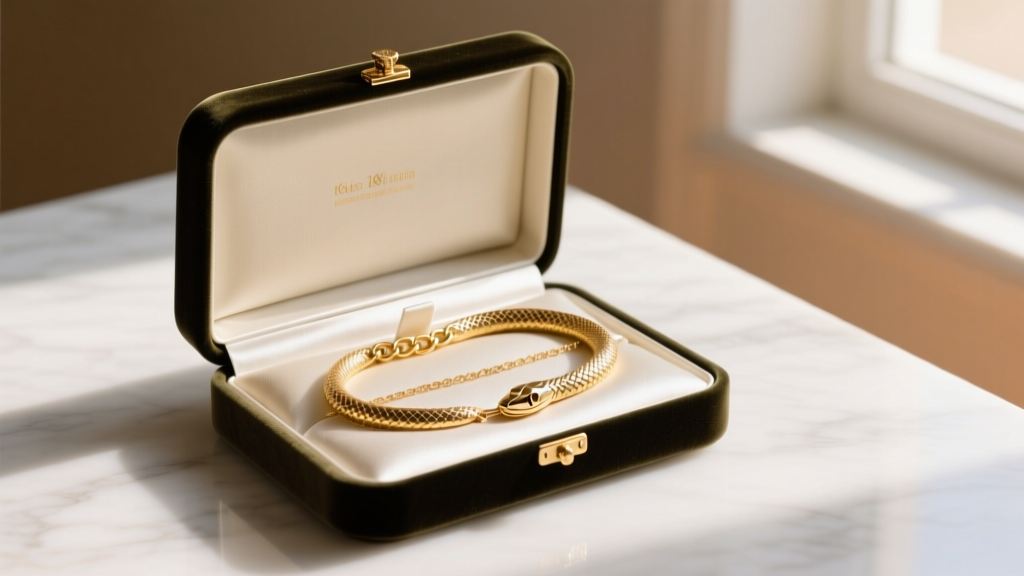
- Snake Chains: These feature a smooth, continuous surface that is highly susceptible to permanent kinking. Never toss a snake chain into a drawer. Store it perfectly flat in a velvet-lined box, or hang it on a wide-diameter hook.
- Box Chains (Foarzatina): While durable, the square links can catch on other jewelry. Store them individually in soft pouches to prevent the links from snagging and pulling apart.
- Anti-Tarnish Strips: If you own 14k Italian gold, place a 3M anti-tarnish strip in your storage box. These strips absorb airborne sulfur compounds that cause the copper alloys in 14k gold to oxidize and turn dull or slightly reddish.
When to Seek Professional Laser Welding
Even with meticulous care, the delicate spring mechanisms inside Italian lobster clasps can fail, or a link may stretch. When an Italian chain breaks, traditional torch soldering is often inadequate, especially for hollow or diamond-cut chains, as the heat can melt surrounding links or leave a visible, discolored seam. As noted by Jewelers of America, modern bench jewelers utilize laser welding for these repairs. Laser welding uses a highly focused beam of light to fuse the gold at a microscopic level without transferring heat to the rest of the chain, preserving the structural integrity and seamless aesthetic of your Italian masterpiece. Always request laser welding when taking your high-end Italian chains to a repair bench.


