Clean Your Necklace of African Continent Heritage: Expert Tips
Learn how to safely clean and store your necklace of African continent heritage. Expert tips for Tuareg silver, trade beads, and cowrie shells.

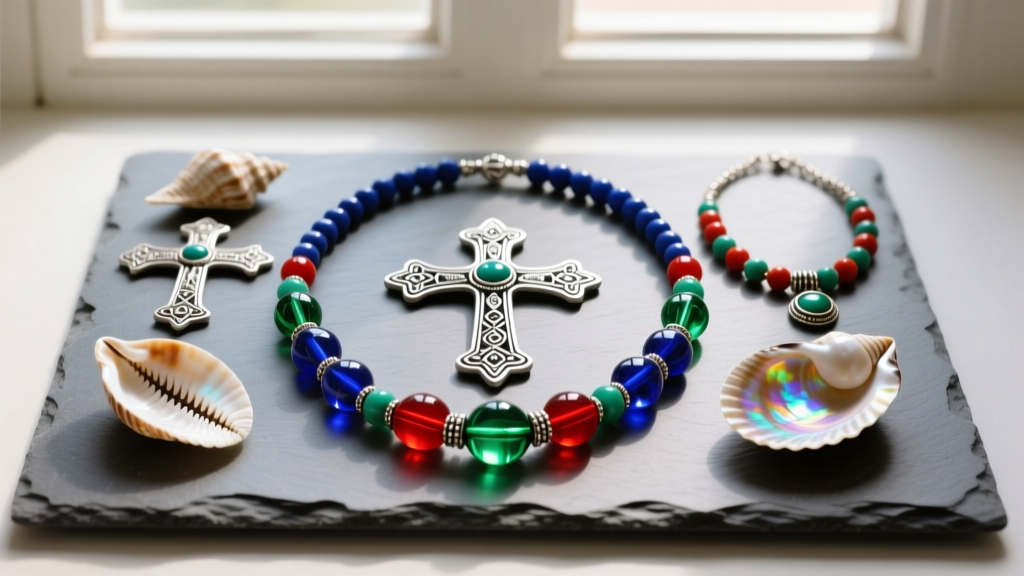
Owning a necklace of African continent origin is akin to holding a piece of living history. From the intricate, sand-cast Tuareg silver crosses of the Sahara to the vibrant powder-glass trade beads of West Africa and the sacred cowrie shell adornments of the Maasai, these pieces are masterworks of ethnographic art. However, preserving these culturally significant items requires a departure from standard commercial jewelry care. The materials used in traditional African jewelry are often highly porous, intentionally oxidized, or strung on organic fibers that degrade when exposed to modern chemical cleaners.
In this comprehensive 2026 conservation guide, we break down the exact metallurgical and organic properties of African heritage necklaces, providing you with a museum-grade maintenance framework to ensure your pieces survive for generations.
Understanding the Unique Materials in African Heritage Necklaces
Before applying any cleaning solution, you must identify the specific materials comprising your piece. According to the Smithsonian National Museum of African Art, traditional African jewelers utilized locally sourced alloys and organic elements that react unpredictably to standard commercial cleaners.
- Tuareg Silver: Unlike Western .925 sterling silver, Tuareg silver is often an alloy ranging from .800 to .900 silver, mixed with copper, brass, or zinc. It is heavily oxidized intentionally to highlight intricate geometric engravings.
- Krobo Powder Glass Beads: Made by crushing and sintering recycled glass in clay molds, these beads are highly porous. If the glaze is micro-fractured, they will absorb liquids and stain.
- Cowrie Shells: Composed primarily of calcium carbonate and aragonite, cowrie shells are highly sensitive to acidic compounds and will dissolve or pit if exposed to harsh chemicals.
- Red Brass and Copper: Frequently used in Maasai and Samburu beadwork, these base metals develop a desirable natural verdigris (patina) over time, which should not be stripped away.
The Golden Rules of Cleaning Traditional African Jewelry
When maintaining a necklace of African continent heritage, what you avoid is just as critical as what you apply. The American Institute for Conservation strictly advises against the following practices for ethnographic jewelry:
Never use ultrasonic cleaners. The high-frequency vibrations will shatter sintered powder glass beads, loosen resin inlays in Tuareg crosses, and cause micro-fractures in ancient cowrie shells.
Furthermore, never use commercial silver dip solutions (like Tarn-X). These thiourea-based chemicals will strip the intentional dark oxidation from Tuareg engravings, leaving the piece looking flat, artificially white, and culturally inaccurate. Finally, avoid submerging any beaded necklace in water; traditional cotton or animal sinew threading will absorb moisture, swell, and eventually rot from the inside out.
Step-by-Step Cleaning Guide by Material
1. Tuareg Silver and Cross Pendants
The goal here is to remove skin oils and environmental dirt while preserving the dark patina in the engraved lines.
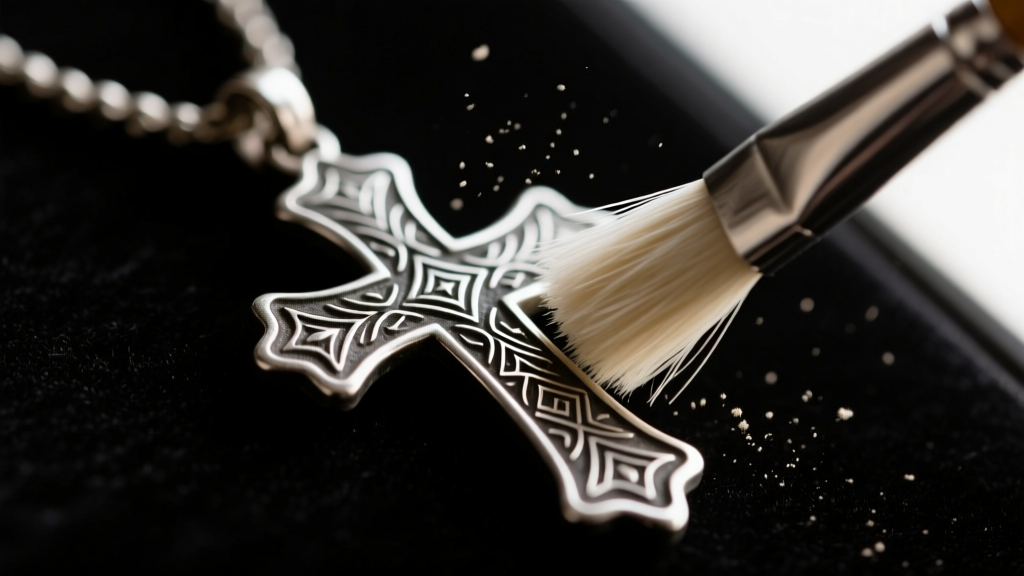
- Prepare the Solution: Mix 3 drops of pH-neutral dish soap (like Dawn) into 1 cup of distilled water. Tap water contains chlorine and minerals that can spot the copper alloys in the silver.
- Agitate Gently: Dip a clean, soft-bristled makeup brush (not a stiff toothbrush) into the solution. Gently sweep the bristles across the surface of the silver, avoiding aggressive scrubbing in the engraved grooves.
- Rinse and Dry: Wipe the pendant with a microfiber cloth dampened with pure distilled water. Immediately dry it completely with a lint-free cotton cloth. Any trapped moisture will cause the copper alloy to bloom green verdigris.
2. Glass Trade Beads and Maasai Beadwork
Because Maasai collars and Krobo bead necklaces are often strung on organic fibers, moisture is the enemy.
- Dry Dusting: Use a clean, dry, soft-bristled brush to remove dust and skin cells from between the beads.
- Spot Cleaning: For stubborn grime, lightly mist a microfiber cloth with distilled water (never spray the beads directly). Wipe each glass bead individually.
- Conditioning the Thread: If the necklace is strung on leather or sinew, apply a minuscule amount of Renaissance Wax to the cord using a cotton swab to prevent drying and cracking. Do not use oil-based conditioners, which can degrade the beads' pigments.
3. Cowrie Shells and Organic Elements
Cowrie shells require the gentlest touch due to their calcium carbonate composition.
- Wipe the shells with a dry, lint-free cloth.
- If sanitization is required, use a cotton swab lightly dampened with distilled water. Never use alcohol or vinegar, as the acidity will etch the pearlescent surface of the shell, leaving it dull and chalky.
Storage and Environmental Protection
Proper storage is paramount for preserving the structural integrity of your necklace of African continent origin. Environmental fluctuations cause organic threads to expand and contract, leading to snap failures.
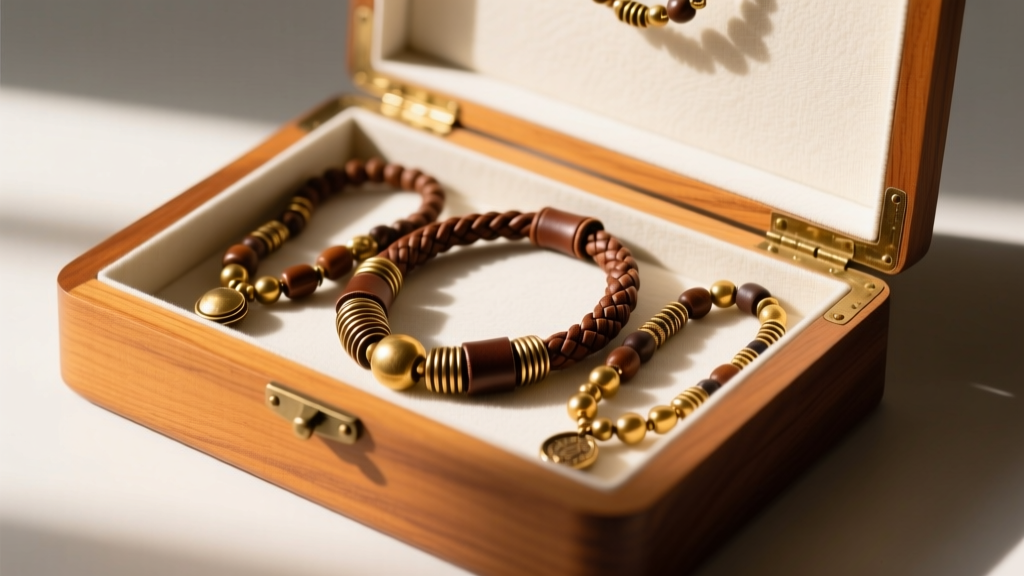
Humidity and Light Control
Maintain a stable Relative Humidity (RH) of 45% to 55% in your storage area. High humidity accelerates the tarnishing of brass and copper elements, while extreme dryness will cause leather and sinew cords to become brittle. Store your necklaces away from direct UV light, which will bleach the vibrant dyes used in Maasai beadwork and fade organic elements like seeds and wood.
Anti-Tarnish Strategies
For silver and brass components, utilize 3M Pacific Silvercloth or activated charcoal anti-tarnish strips inside your storage drawers. These materials absorb airborne sulfur compounds that cause rapid blackening. Never store African heritage jewelry in standard plastic zip-lock bags, as many plastics emit polyvinyl chloride (PVC) gases that permanently stain silver and degrade organic beads.
Material-Specific Maintenance Schedule
Use this matrix to establish a routine care schedule based on the primary material of your necklace.
| Material Type | Cleaning Frequency | Recommended Cleaning Agent | Storage Requirement |
|---|---|---|---|
| Tuareg Silver (.800-.900) | Every 3 months | pH-neutral soap + distilled water | Anti-tarnish cloth pouch |
| Krobo Powder Glass | Every 6 months | Dry microfiber cloth only | Flat lay, away from UV light |
| Cowrie Shells | As needed | Dry cotton swab | Climate-controlled (50% RH) |
| Red Brass / Copper | Annually | Dry brush (preserve patina) | Low humidity, separate from silver |
When to Seek Professional Restoration
Even with meticulous care, the structural components of vintage African necklaces will eventually fail. If you notice fraying on a cotton-threaded Maasai collar or a loose resin inlay on a Tuareg Agadez cross, do not attempt DIY repairs with modern superglues (cyanoacrylate), which will permanently cloud glass beads and stain porous metals.
Instead, seek a professional jeweler who specializes in ethnographic or antique jewelry. For re-stringing, modern conservationists recommend replacing rot-prone traditional cotton with UHMWPE (Ultra-High-Molecular-Weight Polyethylene) beading threads, such as Wildfire or FireLine. These synthetic threads mimic the drape of traditional sinew but are entirely impervious to moisture, rot, and stretching, ensuring your heritage piece remains structurally sound for decades to come. Always store heavy beaded collars flat rather than hanging, as the gravitational pull on a single strand of thread will inevitably lead to catastrophic failure over time.
By respecting the unique material science behind these incredible artifacts, you ensure that your necklace of African continent heritage remains a vibrant, wearable testament to the artisans who crafted it.


