Expert Care for Your Necklace with Oval Pendant Designs
Learn expert cleaning and maintenance tips for your necklace with oval pendant. Protect gemstones, metals, and settings from daily wear and tarnish.

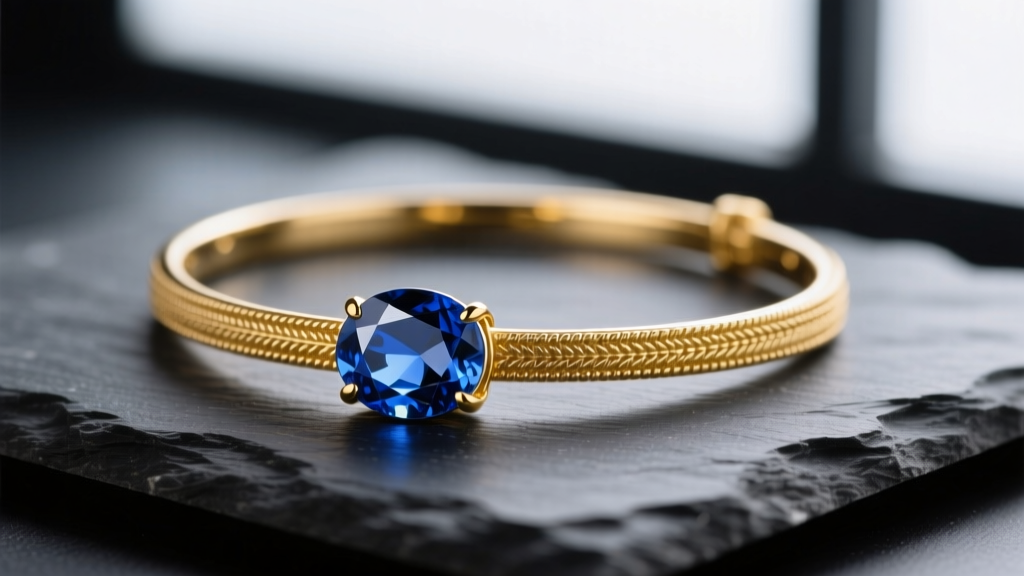
The Unique Maintenance Profile of Oval Pendants
A necklace with oval pendant settings offers an undeniable elegance, combining the elongating visual effect of the oval cut with the timeless drape of a classic chain. However, from a metallurgical and gemological perspective, oval pendants present distinct maintenance challenges that differ vastly from round brilliant or emerald cuts. The elongated pavilion (the bottom half of the stone) creates a deeper structural profile that is highly susceptible to trapping sebum, cosmetic residues, and environmental dust. Furthermore, the asymmetric weight distribution of an oval stone places unique kinetic stress on the bail and the supporting chain links.
If you own a fine jewelry piece featuring this cut, adopting a rigorous, material-specific care regimen is non-negotiable. According to the Gemological Institute of America (GIA), improper cleaning techniques account for a significant percentage of preventable gemstone abrasions and metal degradation. This comprehensive guide will walk you through the exact protocols required to maintain the brilliance and structural integrity of your jewelry.
Understanding the Anatomy and Vulnerabilities
The Prong vs. Bezel Setting Dilemma
Most oval gemstones are secured using either a four-prong, six-prong, or bezel setting. Prong settings maximize light return but leave the girdle (the widest edge of the oval) exposed to lateral impacts. Because oval stones have a longer horizontal or vertical axis, the prongs at the 'north' and 'south' poles of the stone endure disproportionate friction against clothing and skin. Over time, this microscopic wear can thin the metal tips, leading to catastrophic stone loss if not inspected regularly.
Bezel settings, while offering superior impact protection, introduce a different problem: the metal rim can trap microscopic debris against the stone's crown. When cleaning a bezel-set necklace with oval pendant stones, you must use specialized tools to dislodge this compacted grime without scratching the metal surround.
Bail Friction and Chain Stress
The bail—the loop that connects the pendant to the chain—is the highest-wear component of your necklace. Because an oval pendant swings with a different pendulum arc than a symmetrical round stone, the interior of the bail experiences asymmetric abrasion. If you are pairing a heavy solid gold oval pendant with a delicate 1mm cable chain, the friction will eventually wear through the chain's jump rings. Always ensure the chain's gauge and metal hardness are appropriately matched to the pendant's gram weight.
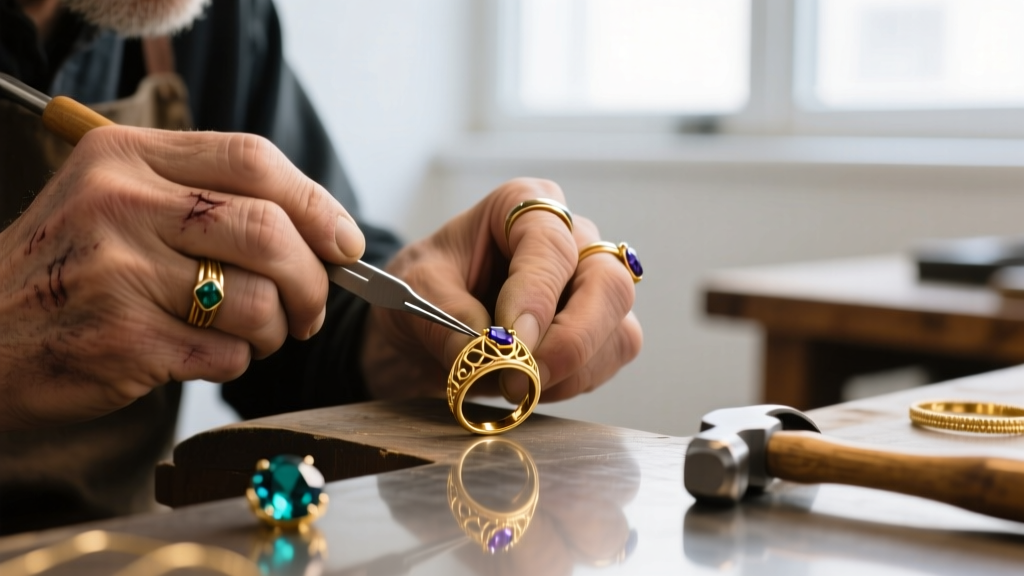
Step-by-Step Cleaning Protocols by Gemstone Type
The most critical mistake consumers make is applying a universal cleaning method to all gemstones. The American Gem Society (AGS) emphasizes that a gemstone's Mohs hardness, combined with its porosity and treatment history, dictates its cleaning protocol. Below is a decision matrix for the most common oval-cut gemstones.
| Gemstone | Mohs Hardness | Porosity & Treatments | Safe Cleaning Method |
|---|---|---|---|
| Diamond | 10 | Non-porous, highly durable | Ultrasonic safe; mild ammonia solution for maximum brilliance. |
| Sapphire / Ruby | 9 | Generally non-porous; watch for fracture filling | Warm soapy water; ultrasonic safe ONLY if untreated. |
| Emerald | 7.5 - 8 | Highly included; routinely oil or resin-treated | Strictly damp microfiber cloth. NEVER use ultrasonic or steam. |
| Opal | 5.5 - 6.5 | High water content; sensitive to thermal shock | Dry polishing only. Avoid prolonged water immersion. |
| Morganite | 7.5 - 8 | Moderate durability; attracts oils rapidly | Warm soapy water with a soft horsehair brush. |
The Danger of Ultrasonic Cavitation
Ultrasonic cleaners use high-frequency sound waves to create microscopic bubbles in a liquid solution. When these bubbles implode against the jewelry (a process called cavitation), they blast away dirt. While miraculous for diamonds, this violent micro-implosion can shatter included stones or strip the cedar oils from emeralds, leaving them cloudy and fractured. If your necklace with oval pendant features an emerald, opal, or turquoise, keep it far away from ultrasonic machines.
Deep Cleaning the Chain and Bail
While the gemstone gets all the attention, the metal chain requires equal care. Human sweat contains lactic acid and urea, which, when combined with environmental sulfur, accelerates the tarnishing of sterling silver and the dulling of gold alloys.
- The Soak: For 14k or 18k gold and platinum chains, mix a few drops of phosphate-free dish soap into a bowl of distilled water (tap water contains chlorine and minerals that can leave spots). Let the chain soak for 15 minutes.
- The Agitation: Use an extra-soft baby toothbrush or a specialized jeweler's horsehair brush to gently agitate the bail and the links immediately surrounding it. Do not use medium or hard bristles, as they will leave micro-scratches on polished gold.
- The Rinse and Dry: Rinse thoroughly under lukewarm distilled water. Pat dry with a lint-free microfiber cloth. Never air-dry, as water spots will form on the metal.
Pro Tip: To clean the tight crevices where the bail meets the pendant loop, use a wooden toothpick rather than a metal needle. Metal-on-metal contact will inevitably gouge the precious metal, creating permanent scratches that require professional polishing to remove.
Chemical Hazards: What to Avoid
Understanding the chemical vulnerabilities of your jewelry is just as important as knowing how to clean it. The alloys used in 14k and 18k gold (such as copper, silver, and zinc) are highly reactive to certain household chemicals.
Chlorine is the ultimate enemy of gold alloys. Exposure to chlorinated pool water or harsh household bleach causes a metallurgical reaction known as stress corrosion cracking. This reaction specifically attacks the solder points on your chain and the base of the prongs holding your oval pendant. A single summer of swimming in a chlorinated pool while wearing your necklace can make the prongs brittle enough to snap under minimal pressure.
Similarly, avoid exposing your jewelry to aerosol hairsprays, perfumes, and lotions. These products contain alcohols and emollients that coat the pavilion of the oval stone, drastically reducing its refractive index and making it appear dull and lifeless. Always adopt the "last on, first off" rule: your necklace should be the final item you put on after your cosmetics have dried, and the first item you remove when you return home.
Preventative Maintenance and Storage Hacks
How you store your necklace with oval pendant when it is not being worn dictates its long-term condition. Tossing it into a communal jewelry box is a recipe for disaster.
The "Oval Snag" Phenomenon
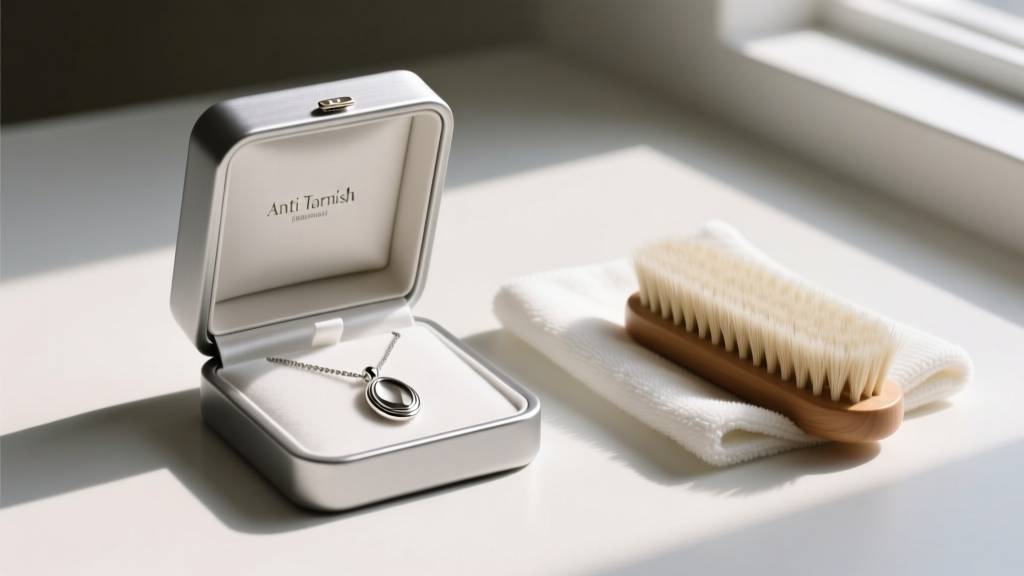
Because of their elongated shape, oval pendants act as natural hooks. When stored loosely with other chains, the pendant will inevitably catch on adjacent links, resulting in severe knotting or, worse, scratching softer gemstones in the same box. Always store your necklace individually in a soft flannel pouch or a dedicated compartment lined with anti-tarnish fabric.
Environmental Controls
Sterling silver chains are particularly prone to oxidation. To combat this, place a 3M anti-tarnish strip or a small packet of activated charcoal inside the storage pouch. These materials absorb ambient sulfur compounds before they can react with the silver. Furthermore, keep the storage environment climate-controlled; high humidity accelerates both silver tarnishing and the degradation of organic gemstones like pearls or coral if they are incorporated into the pendant's design.
When to Seek Professional Intervention
While home maintenance is vital, certain procedures require a master jeweler. You should take your necklace to a professional for a comprehensive inspection every 12 to 18 months. The jeweler will use a microscope to check for prong wear, bail thinning, and microscopic fractures in the stone's girdle. If your white gold chain or setting has begun to show a yellowish tint, it is time for rhodium replating—a process that restores the bright, silvery-white finish and adds a protective barrier against minor abrasions. By combining meticulous at-home care with professional oversight, your oval pendant will retain its structural security and optical brilliance for generations.


