Chain vs Necklace Care: Expert Cleaning & Maintenance
Discover the real differences in chain vs necklace care. Learn expert cleaning methods, storage tips, and maintenance routines for lasting shine.

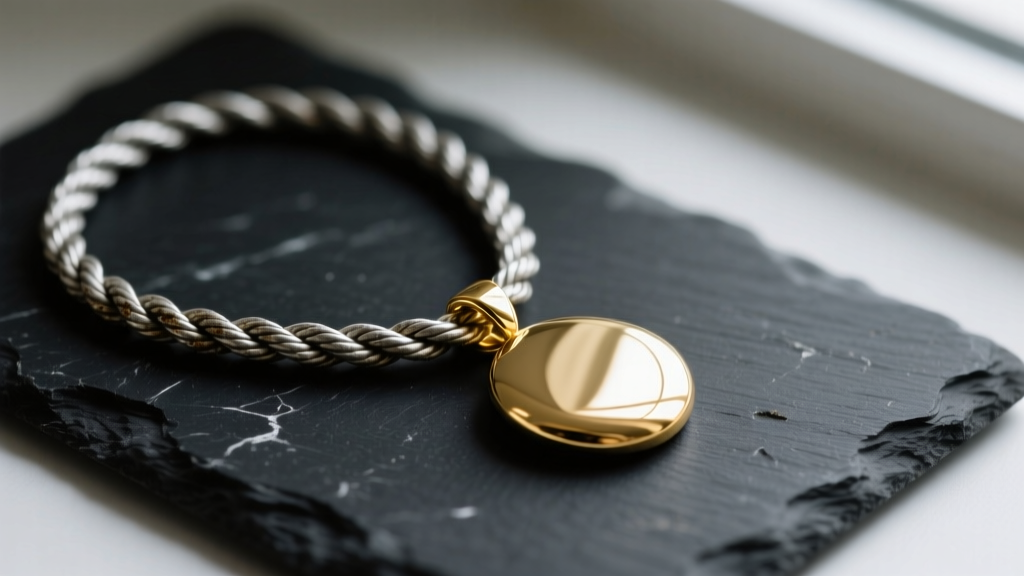
When discussing jewelry maintenance, enthusiasts and collectors often use the terms 'chain' and 'necklace' interchangeably. However, from a gemological and metallurgical perspective, understanding the nuanced chain vs necklace distinction is critical for proper care, cleaning, and long-term preservation. A chain is fundamentally a series of interconnected metal links, while a necklace is a complete, finished piece of adornment that may incorporate a chain but also includes clasps, jump rings, pendants, gemstones, or enamel work. This structural difference dictates entirely separate maintenance protocols.
The Core Distinction: Chain vs Necklace in Jewelry Care
The primary divergence in care stems from material homogeneity. A bare chain—such as a solid 14k yellow gold cable chain or a platinum figaro chain—is uniform in its material composition. Because it lacks secondary materials, it can generally withstand more aggressive cleaning methods, including high-frequency ultrasonic baths and chemical dips. A necklace, conversely, is a composite structure. A gold chain featuring a pave diamond pendant, an emerald drop, or an oxidized silver clasp introduces multiple variables. The cleaning agent that safely removes sebum from a gold link might simultaneously strip the oil from a porous emerald or loosen the adhesive in a pave setting. Recognizing whether you are maintaining a homogeneous chain or a heterogeneous necklace is the first step in preventing catastrophic damage.
Anatomy of Wear: Where Chains and Necklaces Fail
Daily wear exposes neckwear to a hostile environment of friction, cosmetic chemicals, and environmental pollutants. Understanding where these pieces fail allows for proactive maintenance.
Link Stress and Metal Fatigue
Different chain weaves trap debris in unique ways, accelerating metal fatigue. Box chains, with their hollow, square-linked geometry, are notorious for trapping dead skin cells, lotion, and microscopic dust. Over time, this compacted debris acts as an abrasive paste, grinding away the interior of the links and causing the chain to stretch or snap. Curb chains and rope chains, while more resistant to internal debris accumulation, suffer from lateral torsion. When a heavy pendant is attached to a necklace, the continuous downward pull combined with the wearer's movement creates micro-fractures at the solder points of the links. According to the Gemological Institute of America (GIA), regular inspection of link solder points under 10x magnification is essential for any necklace bearing a pendant weighing more than 5 grams.
Clasp and Jump Ring Vulnerabilities
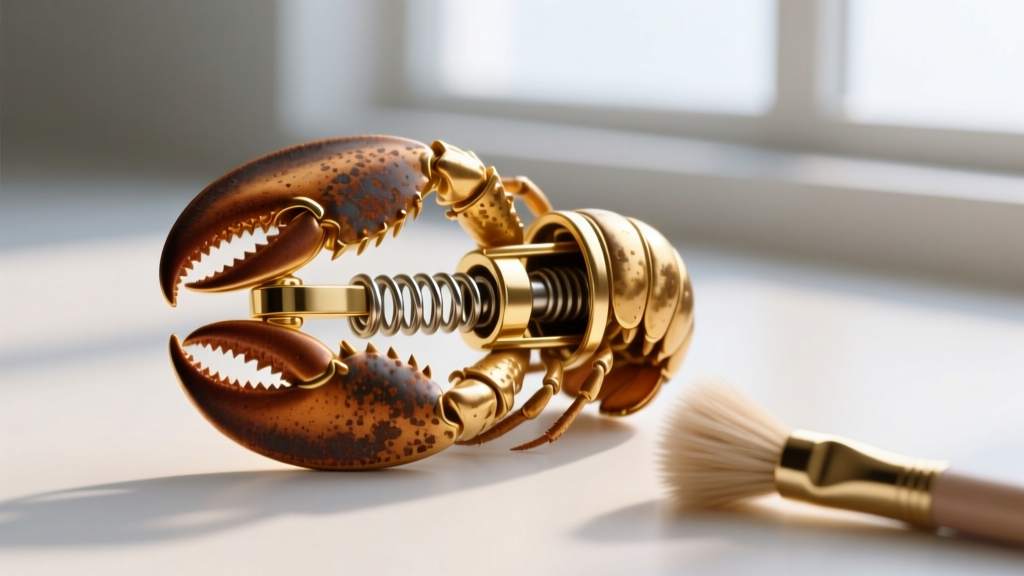
The clasp is the most common point of failure in any necklace. Lobster clasps, while secure, contain a microscopic internal steel spring to maintain tension. Even if the outer casing is 18k gold or platinum, exposure to chlorinated pool water or saltwater can cause the internal steel spring to rust and fail. Spring ring clasps suffer from similar issues but are also prone to warping if caught on fabric. Furthermore, the jump ring connecting the clasp to the chain is often left unsoldered on mass-produced jewelry. Routine maintenance involves using two pairs of flat-nose pliers to ensure the jump ring remains perfectly closed, preventing the necklace from slipping apart.
Targeted Cleaning Protocols: Bare Chains vs. Pendant Necklaces
Because of the chain vs necklace structural differences, your cleaning arsenal must be adaptable. Below is a decision matrix for safely cleaning various configurations without damaging the underlying metallurgy or gemological inclusions.
| Piece Type | Material / Composition | Recommended Cleaning Solution | Method & Tools | Ultrasonic Safe? |
|---|---|---|---|---|
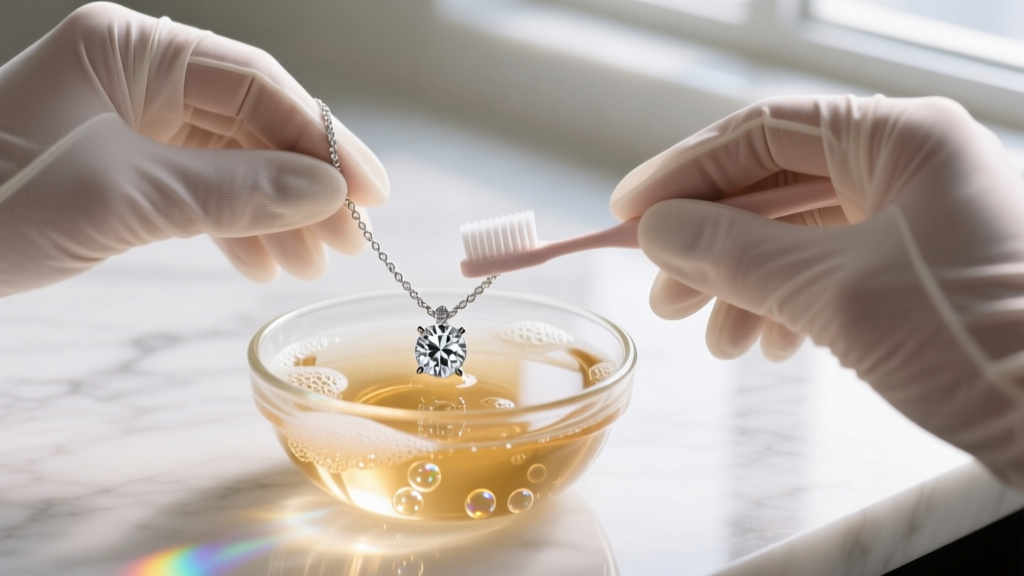
| Bare Chain | Solid 14k/18k Gold, Platinum | 3 drops phosphate-free dish soap in 8oz distilled water | Soak 15 mins, agitate with baby-soft toothbrush, rinse | Yes (40 kHz) |
| Bare Chain | Sterling Silver (925) | Specialized silver dip (thiourea-based) or baking soda paste | Quick dip (10 secs max), rinse thoroughly, dry with microfiber | No (Causes pitting) |
| Complex Necklace | Gold with Diamonds / Sapphires | Mild surfactant solution (ammonia-free) | Gentle brushing on the stone's pavilion, avoid direct bristle pressure on prongs | Yes (with caution) |
| Complex Necklace | Gold/Silver with Emeralds, Opals, Pearls | Damp microfiber cloth only | Wipe gently; never submerge porous or fracture-filled stones | Absolute No |
For bare gold and platinum chains, an ultrasonic cleaner operating at 40 kHz is highly effective at cavitating dirt out of tight link crevices. However, as the American Gem Society (AGS) warns, ultrasonic waves can easily shatter opals, emeralds, and tanzanite, and can violently shake loose the microscopic stones in a pave necklace setting. Always detach pendants from chains before utilizing ultrasonic or steam cleaning methods.
Advanced Maintenance: Polishing, Rhodium, and Oxidation
Cleaning removes dirt; polishing removes metal. Every time you use a treated jeweler's cloth or a rotary buffer on a chain, you are stripping away a microscopic layer of gold or silver. For bare chains, limit aggressive polishing to once or twice a year to preserve the structural integrity of the links. Over-polishing a delicate chain, such as a 1.0mm serpentine or omega chain, will flatten the links and ruin the drape of the piece.
White gold necklaces require a different maintenance paradigm. White gold is alloyed with metals like nickel, palladium, or silver, but it inherently retains a slight yellowish-gray tint. To achieve a brilliant white finish, these necklaces are plated with rhodium. Over time, friction against the neck and exposure to acidic skin pH will wear away the rhodium, particularly on the back of the chain links and the clasp mechanism. When a white gold necklace begins to look brassy, it does not need cleaning; it requires professional electroplating to restore the rhodium barrier. Attempting to polish the yellowing away will only accelerate the degradation of the gold alloy beneath.
Storage Frameworks to Prevent Tangling and Oxidation
Proper storage is the most overlooked aspect of jewelry maintenance. The way you store a bare chain versus a complex necklace differs significantly to prevent both physical damage and chemical tarnishing.
- Sterling Silver Chains: Silver tarnishes when the copper alloy in 925 silver reacts with hydrogen sulfide in the ambient air. Store bare silver chains in airtight polyethylene zip-lock bags (never PVC, which contains sulfur-emitting plasticizers) alongside a 3M anti-tarnish strip or a piece of activated charcoal.
- Delicate Link Chains: Chains like figaro, cable, and box weaves are highly susceptible to tangling, which can permanently kink the metal. Store them fully extended and fastened. Threading a bare chain through a plastic drinking straw before clasping it is an expert trick to guarantee it remains tangle-free in a jewelry box.
- Gemstone Necklaces: Necklaces featuring diamonds or sapphires must be stored in individual soft fabric pouches. Because diamonds rank a 10 on the Mohs hardness scale, a diamond pendant swinging freely in a shared jewelry box will easily scratch the gold links of neighboring chains or abrade softer gemstones like pearls (Mohs 2.5).
Summary Checklist for Longevity
To maximize the lifespan of your jewelry, implement this bi-annual maintenance checklist:
- Visual Inspection: Use a 10x jeweler's loupe to check all jump rings, prongs, and link solder points for gaps or thinning.
- Clasp Test: Ensure the lobster or spring ring clasp snaps back with crisp tension. If it feels sluggish, it requires professional ultrasonic flushing or spring replacement.
- Targeted Wash: Clean bare chains using the appropriate surfactant or silver dip, ensuring all chemical residue is rinsed with distilled water to prevent spotting.
- Isolate and Store: Fasten all clasps, separate composite necklaces from bare chains, and introduce fresh anti-tarnish agents to your storage environment.
By respecting the fundamental differences between a simple chain and a complex necklace, you transition from reactive damage control to proactive preservation, ensuring your pieces remain structurally sound and optically brilliant for generations.


