Citrine Bead Necklace Trends 2026: Styling & Layering Guide
Discover 2026 citrine bead necklace trends, from faceted 8mm rondelles to raw chip layering. Expert styling tips, grading guides, and pricing inside.

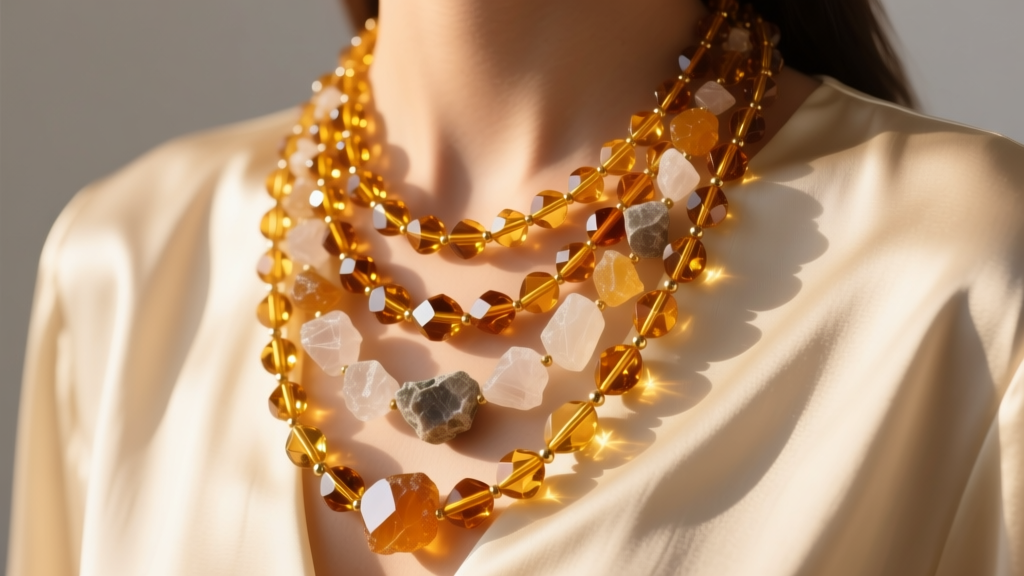
The jewelry landscape in 2026 has decisively moved away from the uniform, mass-produced strands of the past decade. Today, the citrine bead necklace is experiencing a renaissance, driven by a demand for organic textures, architectural layering, and gemological transparency. Once relegated to simple bohemian styles or basic birthstone gifts, citrine is now being reimagined by independent designers and high-end jewelers alike. Whether you are navigating the nuances of natural versus heat-treated stones or looking to master the modern multi-strand drape, understanding the technical and aesthetic shifts in citrine jewelry is essential for the contemporary collector.
The 2026 Shift: From Polished to Raw Citrine Aesthetics
For years, the market was dominated by the classic 8mm uniform round bead strand. While timeless, 2026 trends heavily favor asymmetry and mixed-media textures. Designers are now juxtaposing highly polished, diamond-cut faceted rondelles with raw, unpolished citrine nuggets. This contrast creates a dynamic interplay of light—where the faceted beads catch and refract sunlight, while the raw chips absorb and diffuse it, providing an earthy, grounded aesthetic.
Faceted Rondelles vs. Raw Nugget Chips
Faceted rondelles (typically 4mm to 6mm in width) offer a sophisticated, gem-like sparkle that elevates a bead necklace into fine jewelry territory. Conversely, raw nugget chips provide an organic, unrefined look that appeals to the growing 'quiet luxury' and 'nature-core' demographics. Mixing these two finishes within a single strand, or layering a raw chip choker with a faceted rondelle princess-length necklace, is the defining silhouette of the year.
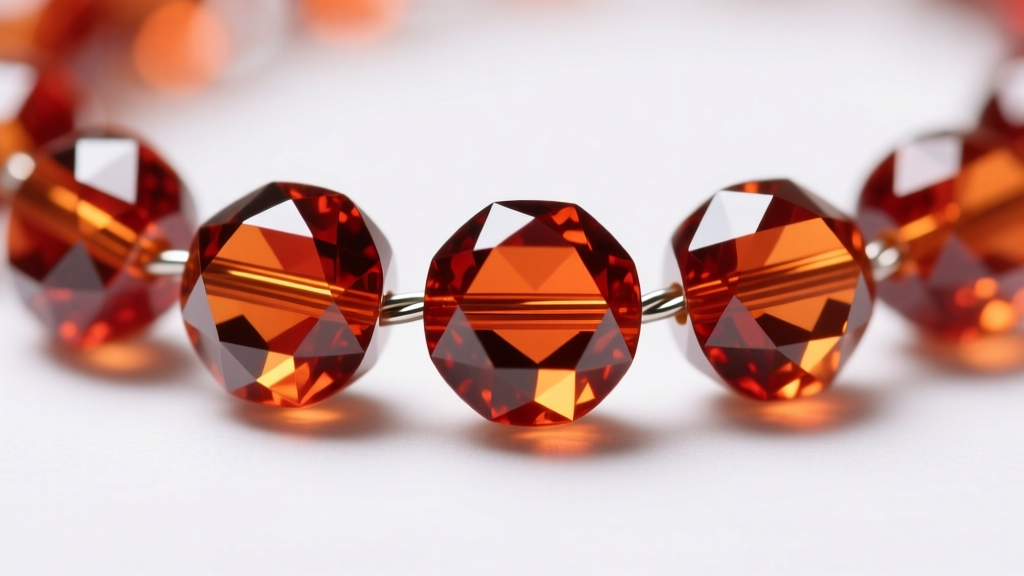
Technical Breakdown: Bead Sizing, Drilling, and Stringing
A common failure mode in commercial bead necklaces is improper stringing material relative to the bead weight and drill hole size. Citrine, ranking at a 7 on the Mohs hardness scale, features sharp internal drill holes that can easily fray cheap nylon threads or standard silk over time. For heavy 8mm to 10mm beads, professional jewelers in 2026 rely on 49-strand stainless steel beading wire coated in nylon.
| Bead Size | Recommended Stringing | Crimp Bead Size | Best Drape Style |
|---|---|---|---|
| 3mm - 4mm | SoftFlex .013' or Silk Size F | 1x1mm or 2x2mm | Tight Choker / Multi-wrap |
| 5mm - 6mm | SoftFlex .018' (49-strand) | 2x2mm Sterling Silver | Princess (18') / Layering |
| 8mm - 10mm | SoftFlex .024' (49-strand) | 2x3mm or 3x3mm Tube | Statement Matinee (24') |
| Raw Chips | SoftFlex .018' or .024' | Wire Guardians + 2x2mm | Asymmetric / Lariat |
Using proper wire guardians at the clasp connection points is non-negotiable for high-end pieces. This prevents the steel wire from kinking and snapping at the jump ring, a frequent point of failure in poorly constructed bead necklaces.
Color Grading: What to Look for in Modern Citrine
Not all yellow quartz is created equal. The color spectrum of citrine ranges from pale lemon to deep, reddish-brown. When shopping for a citrine bead necklace, understanding these trade terms will protect you from overpaying for lower-grade material.
'It is vital for consumers to know that the vast majority of citrine on the market is actually heat-treated amethyst. While completely accepted in the gem trade and stable in color, natural, unheated citrine is exceptionally rare and commands a significant premium.' — Gemological Institute of America (GIA)
The 'Madeira' Premium
The most prized color grade is 'Madeira' citrine, named after the fortified wine due to its deep, saturated reddish-orange hue. True Madeira beads are heavily sought after in 2026, often featuring visible color zoning (stripes of darker and lighter orange) which gemologists use to identify them as heat-treated amethyst origin. Lighter, uniform yellow beads are typically heat-treated smoky quartz or lower-grade amethyst and should be priced accordingly.
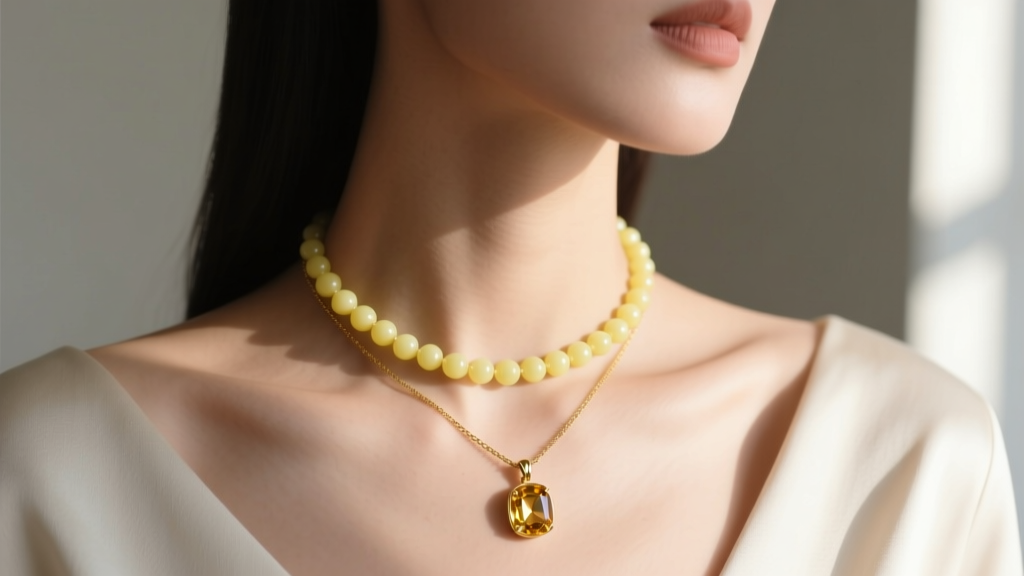
Advanced Layering Frameworks for Citrine Bead Necklaces
Layering bead necklaces requires a strategic approach to proportions and metal accents to avoid a cluttered, heavy appearance. The most successful 2026 styling framework relies on the 'Rule of Ascending Weight':
- The Base (15-16 inches): A delicate 3mm or 4mm pastel citrine bead choker, worn snugly against the collarbone. This acts as an anchor.
- The Core (18-20 inches): A 6mm faceted rondelle strand interspersed with 14k yellow gold or gold-filled spacer beads. The metal breaks up the continuous yellow tone and adds structural contrast.
- The Statement (24-28 inches): An asymmetric strand of raw citrine nuggets mixed with matte-finished black onyx or tourmaline beads to ground the bright yellow tones and add visual depth.
When layering, always ensure the clasps are staggered or use a specialized multi-strand magnetic clasp to prevent the strands from tangling and twisting around one another throughout the day.
Pricing Tiers and Market Realities
The pricing of a citrine bead necklace varies wildly based on bead uniformity, color saturation, and stringing quality. Here is what you should expect to pay in the current market:
- Commercial Grade ($25 - $60): Features raw chips or uniformly pale yellow round beads strung on basic nylon. Often lacks wire guardians and uses base-metal lobster clasps.
- Fine Artisan Grade ($80 - $250): Showcases 6mm to 8mm faceted rondelles with excellent clarity, strung on 49-strand coated steel wire with sterling silver or 14k gold-filled hardware and proper crimp covers.
- Gem-Grade Collector ($300 - $800+): Features deep, saturated Madeira or natural unheated citrine beads, often hand-knotted on heavy silk between each bead to prevent loss in case of a break, finished with solid 14k or 18k gold clasps.
Care, Maintenance, and Failure Modes
While citrine is relatively durable, bead necklaces present unique maintenance challenges. The most critical failure mode is UV degradation. Prolonged, direct exposure to harsh sunlight can cause some heat-treated citrine to fade or become brittle over time. Always store your necklaces in a lined jewelry box or opaque pouch.
Additionally, avoid wearing citrine bead necklaces in chlorinated pools or hot tubs. While the stone itself will not dissolve, the chlorine will rapidly oxidize and weaken the sterling silver crimp beads and wire guardians, leading to catastrophic strand failure. Clean your beads gently with warm water, a drop of mild dish soap, and a microfiber cloth, ensuring you dry the stringing material thoroughly before storage to prevent moisture-related degradation of the wire coating.


