Cleaning Jewelry Inspired by the Candy Necklace Lyrics
Learn expert care, cleaning, and storage tips for delicate enamel, resin, and pearl jewelry inspired by the viral candy necklace lyrics aesthetic.

The Pop-Culture Catalyst: From Lyrics to High Jewelry
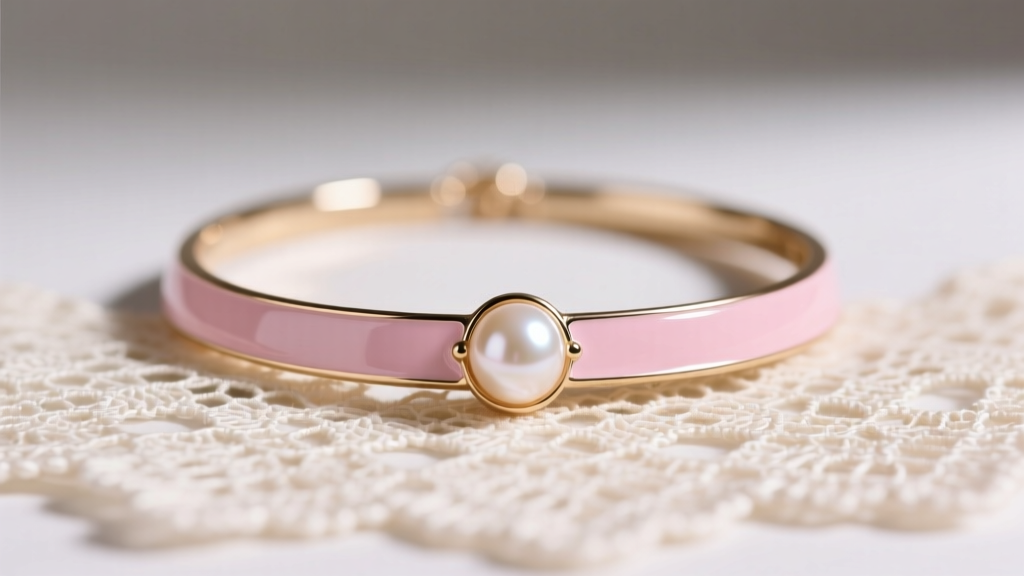
When the candy necklace lyrics first dominated global streaming charts, they inadvertently sparked a massive shift in jewelry design. The song's nostalgic, whimsical, and distinctly romantic imagery birthed a micro-trend that has now fully matured into a staple aesthetic for 2026: "candy-core" fine and bridge jewelry. This style is characterized by pastel vitreous enamels, translucent epoxy resins shaped like nostalgic sweets, delicate freshwater pearls, and vintage-inspired paste crystals.
While the aesthetic is playful, the materials require serious, specialized maintenance. Many collectors and fans who invested in high-end pieces inspired by the candy necklace lyrics trend are now facing the reality of material degradation. Resin yellows, enamel chips, and pearls lose their luster when subjected to standard jewelry cleaning methods. As a senior jewelry care specialist, I have developed this comprehensive maintenance matrix to ensure your whimsical pieces survive the test of time.
Material Science: Understanding Your "Candy" Pieces
Before applying any cleaning solution, you must accurately identify the materials in your necklace. The "candy" aesthetic relies heavily on three distinct materials, each with unique chemical vulnerabilities.
Vitreous Enamel vs. Cold Enamel (Resin)
True vitreous enamel is essentially glass fused to a metal substrate at temperatures exceeding 1,400°F (760°C). It is highly durable but susceptible to thermal shock and blunt force. Conversely, "cold enamel" is a marketing term for colored epoxy or UV-cured resin. Resin is a polymer that is highly sensitive to solvents, prolonged UV exposure, and heat. Using an ultrasonic cleaner on a cold enamel piece will often cause the resin to delaminate from the metal backing, ruining the pendant.
Organic Gems: The Pearl Element
The candy necklace lyrics aesthetic frequently incorporates blush-pink and cream freshwater pearls to evoke a soft, romantic vibe. Pearls are organic gems composed of nacre (calcium carbonate). According to the Gemological Institute of America (GIA), pearls rank between 2.5 and 4.5 on the Mohs hardness scale, making them exceptionally prone to scratching and chemical etching from acidic perspiration.
Step-by-Step Cleaning Protocols
Forget commercial silver dips and ultrasonic machines. Maintaining these specific pieces requires a gentle, chemistry-conscious approach.
Protocol A: Resin and Acrylic "Candy" Pendants
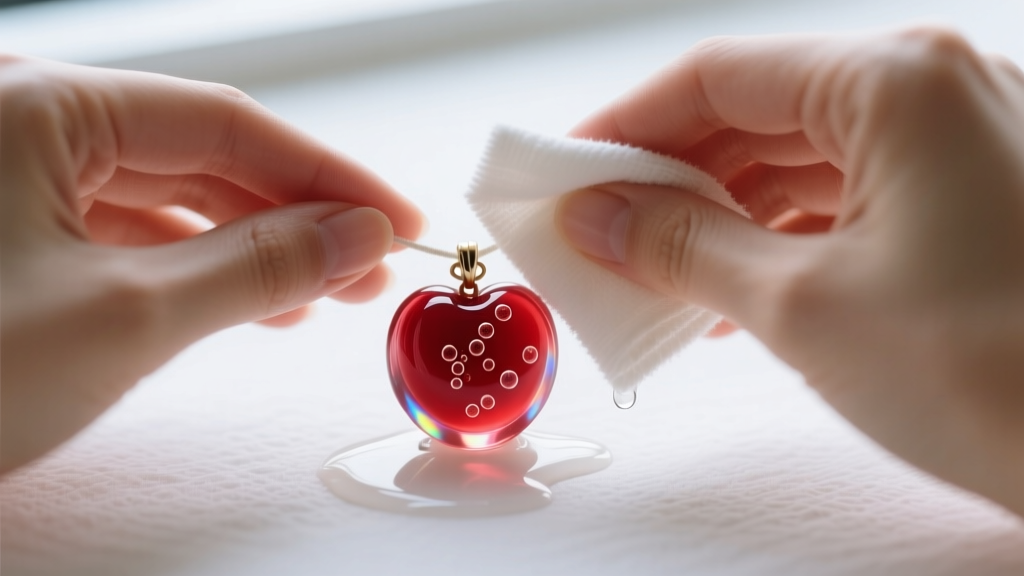
- The Solution: Mix 1 drop of pH-neutral dish soap (like Dawn Ultra) into 8 ounces of distilled, room-temperature water. Tap water contains chlorine and minerals that can leave a cloudy film on polished resin.
- The Application: Dip a lint-free microfiber cloth into the solution and wring it out until it is barely damp. Never submerge resin jewelry, especially if it is glued to a metal bezel, as water ingress will weaken the cyanoacrylate adhesives.
- The Drying Phase: Immediately buff the piece dry with a separate, clean microfiber cloth. Air-drying leaves water spots that are difficult to remove from porous acrylics without aggressive polishing.
Protocol B: Vitreous Enamel and Delicate Chains
For vitreous enamel pieces set on delicate 1.2mm cable or 0.8mm box chains, use a soft-bristled baby toothbrush. Dip the brush in a mild solution of warm water and castile soap. Gently agitate the chain links to remove sebum and dead skin cells, which accelerate the oxidation of sterling silver backings. Rinse quickly under a slow stream of lukewarm water, ensuring the drain is securely plugged. Pat dry with a non-abrasive cotton flannel cloth.
Maintenance Matrix: Quick Reference Guide
Use this structured data table to quickly identify the correct care protocol for your specific jewelry materials. The American Gem Society (AGS) strongly advises against using generic cleaners on mixed-material jewelry.
| Material | Mohs Hardness | Safe Cleaning Agent | Strictly Avoid |
|---|---|---|---|
| Vitreous Enamel | 5.0 - 7.0 | Mild Castile Soap, Lukewarm Water | Ultrasonic Cleaners, Steamers, Hard Brushes |
| Epoxy / UV Resin | 2.0 - 3.0 | Damp Microfiber, pH-Neutral Soap | Alcohol, Acetone, Submersion, Heat |
| Freshwater Pearl | 2.5 - 4.5 | Dry Polishing Cloth, Damp Wipe | Ammonia, Vinegar, Ultrasonics, Perfume |
| Paste / Crystal | 6.0 - 7.0 | Soft Brush, Mild Detergent | Harsh Chemicals that dissolve foil backings |
Storage: Preventing Degradation and Yellowing
The most common failure mode for resin "candy" jewelry is photo-oxidation—a chemical reaction where UV light breaks down the polymer chains in the epoxy, resulting in an irreversible yellow or brown tint. To preserve the pastel hues inspired by the candy necklace lyrics aesthetic, storage conditions are just as critical as cleaning methods.
Climate and Container Control
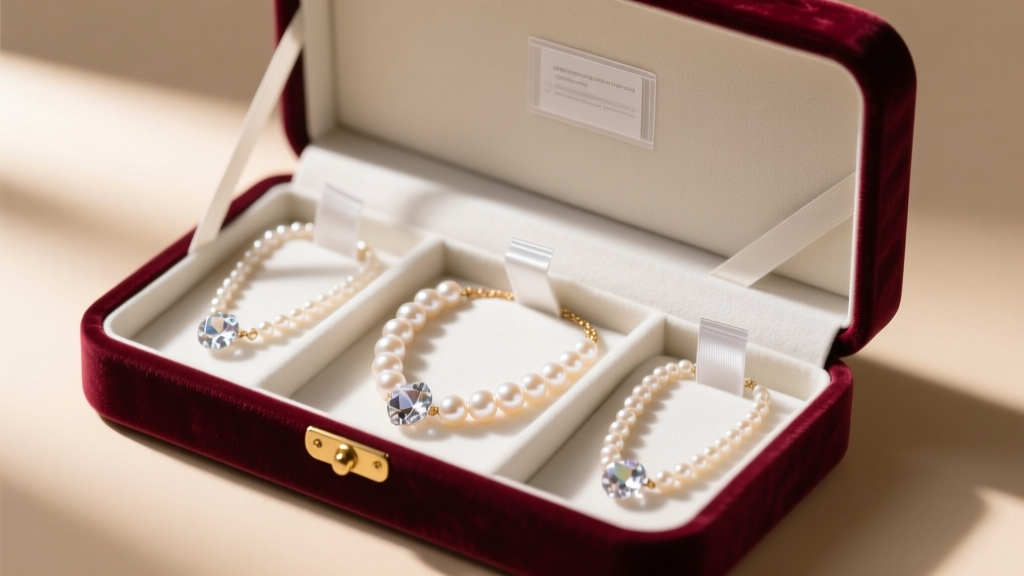
- UV Protection: Always store resin and enamel pieces in opaque, lined jewelry boxes or drawers. Never leave them on a vanity table exposed to direct sunlight.
- Humidity Levels: Maintain a relative humidity (RH) of 40% to 50% in your storage area. High humidity causes metal backings to tarnish, which can bleed into porous cold enamel.
- Plastic Off-Gassing: Never store these pieces in PVC (polyvinyl chloride) plastic bags. PVC off-gasses hydrogen chloride, which reacts with the copper alloys often used in fashion jewelry bases, causing severe verdigris (green corrosion). Use only polyethylene or polypropylene zip bags with anti-tarnish silica strips.
Troubleshooting Common Failure Modes
Even with meticulous care, accidents happen. Here is how to handle specific damage scenarios without causing further harm to your jewelry.
Cloudy or Scratched Resin
If your translucent resin pendant has developed a cloudy, scratched surface from friction against clothing, do not use metal polishes. Instead, use a specialized plastic polish like Novus Plastic Polish (specifically the #2 Fine Scratch Remover). Apply a tiny drop with a clean cotton swab, buff in tight circular motions for 60 seconds, and wipe clean. This restores the optical clarity of the acrylic without dissolving the polymer.
Chipped Vitreous Enamel
If a piece of glass enamel chips off the metal base, resist the urge to fill it with clear nail polish or superglue. Cyanoacrylate adhesives will cloud over time and trap dirt, making professional repair impossible. Place the piece in a soft pouch and take it to a jeweler who specializes in enameling; they can clean the void and potentially re-fire the piece or use a conservation-grade, reversible epoxy that will not damage the surrounding glass.
Pearl Nacre Degradation
If your blush pearls have lost their luster and appear chalky, they have likely suffered from acid erosion due to prolonged contact with skin oils and perfume. While you cannot regrow nacre, you can gently wipe the pearls with a cloth barely dampened with a drop of mineral oil to temporarily restore their luster and prevent further drying and cracking. Always put your pearls on after applying cosmetics, fragrances, and hairsprays.
Final Thoughts on the Trend's Longevity
The cultural footprint of the candy necklace lyrics has proven that whimsical, nostalgic jewelry is not just a fleeting fad, but a lasting category in modern accessorizing. By treating these playful pieces with the same rigorous, science-backed care protocols used for high jewelry, you ensure that your pastel enamels, translucent resins, and delicate pearls remain vibrant and structurally sound for decades to come.