How to Clean and Care for a Chunky Green Necklace
Learn expert care, cleaning, and storage tips for your chunky green necklace. Protect malachite, jade, and resin from damage with our guide.

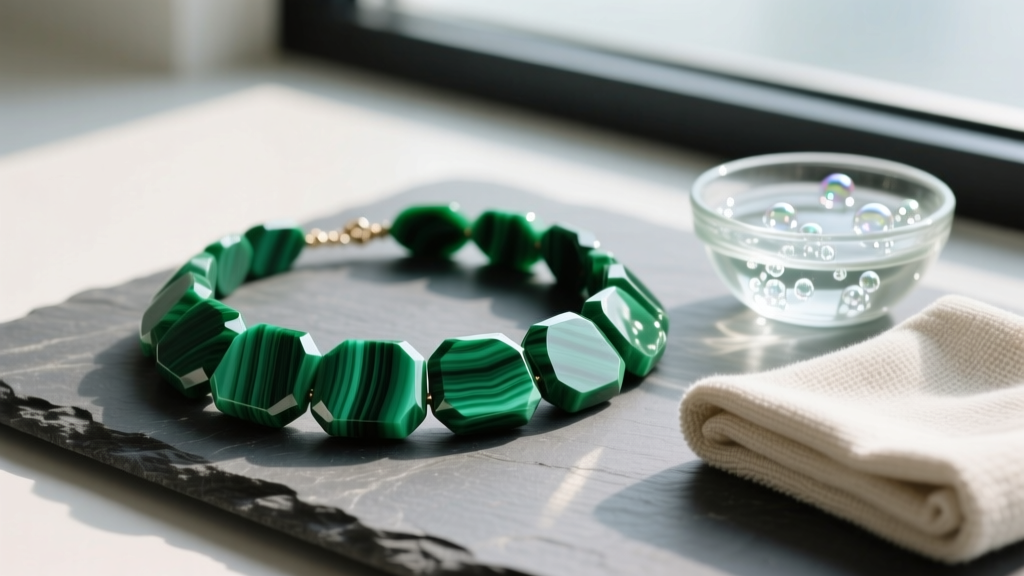
A statement piece can define an entire wardrobe, and few accessories command attention quite like a chunky green necklace. Whether your piece features banded malachite, carved jadeite, vibrant aventurine, or modern bio-resin, the substantial weight and unique material properties of these necklaces demand specialized care. In 2026, with the rise of sustainable synthetics and ethically sourced porous gemstones, understanding the exact chemical and physical tolerances of your jewelry is more critical than ever.
Improper cleaning can strip polymer coatings, fracture porous stones, or weaken the heavy-duty hardware required to support a chunky silhouette. This comprehensive guide breaks down the exact protocols for maintaining the luster, structural integrity, and color vibrancy of your favorite green statement pieces.
Identifying Your Green Material: The Foundation of Care
Before applying any cleaner, you must accurately identify the material of your chunky green necklace. The Gemological Institute of America (GIA) emphasizes that cleaning protocols must be strictly matched to a gemstone's Mohs hardness and porosity.
Porous and Soft Stones (Malachite, Chrysocolla, Turquoise)
Malachite is a staple for chunky green jewelry due to its striking concentric banding. However, it ranks at just 3.5 to 4 on the Mohs hardness scale and is highly porous. It is exceptionally sensitive to acids, heat, and prolonged moisture exposure. Water can seep into microscopic fissures, causing the stone to dull or even fracture over time.
Hard but Treated Stones (Jadeite and Nephrite)
While jade is tough (Mohs 6.5-7), much of the vivid green jade on the market is "Grade B" or "Grade C"—meaning it has been acid-bleached and impregnated with a polymer resin to enhance color and stability. Harsh chemicals will dissolve this polymer, leaving the jade looking dry, cloudy, and pitted.
Synthetics (Resin, Acrylic, and Enamel)
Contemporary chunky green necklaces often utilize cast bio-resins or vitreous enamel. While impervious to water, resins scratch easily (Mohs 2-3) and can melt or cloud when exposed to alcohol-based cleaners or ultrasonic vibrations.
The Cleaning Matrix: What to Use and What to Avoid
Use the table below as a quick-reference decision framework for your specific necklace material.
| Material | Safe Cleaners | Strictly Avoid | Ultrasonic/Steam Safe? |
|---|---|---|---|
| Malachite | Dry microfiber only; occasional barely-damp cloth | Water, acids, perfume, ultrasonic | NO |
| Jade (Grade A) | Mild pH-neutral soap, warm distilled water | Harsh detergents, extreme heat | NO (Steam can cause thermal shock) |
| Jade (Grade B/C) | Dry or barely damp microfiber | Alcohol, acetone, ultrasonic, acids | NO |
| Aventurine | Mild soap, warm distilled water, soft brush | Hydrofluoric acid, hard impacts | YES (Brief cycles only) |
| Resin / Acrylic | Mild soap, cool water, Novus plastic polish | Alcohol, acetone, ammonia, ultrasonic | NO |
Step-by-Step Cleaning Protocol for Stone and Resin
For water-safe materials like untreated aventurine, Grade A jade, or solid glass, follow this meticulous cleaning process to remove skin oils and environmental grime without causing micro-scratches.
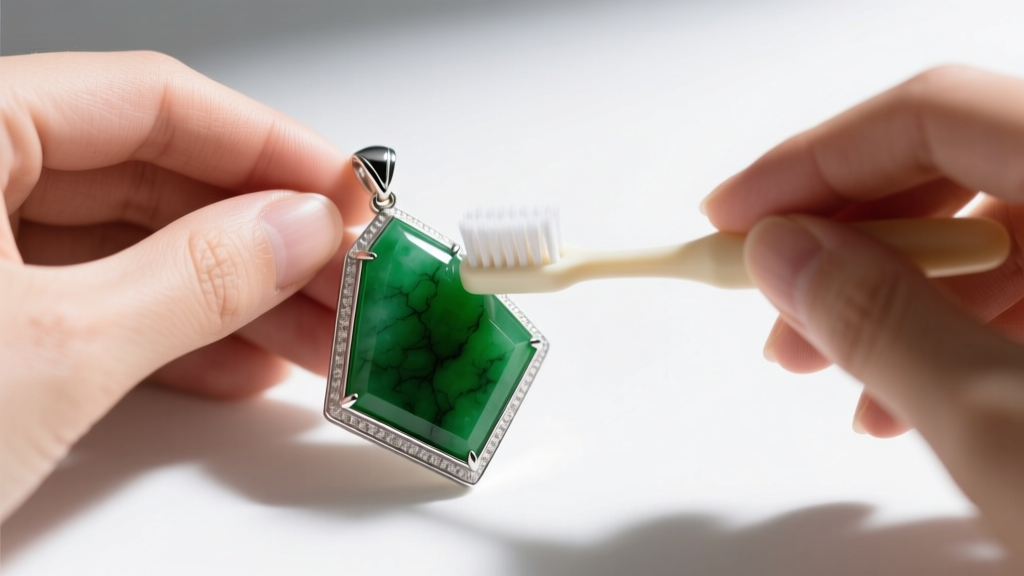
- Prep the Solution: Mix three drops of pH-neutral, fragrance-free dish soap (like Dawn Free & Clear) into a bowl of distilled water. Tap water contains minerals that can leave hard water spots on polished stones.
- Agitate Gently: Submerge the necklace for no more than 3 minutes. Use an extra-soft baby toothbrush to gently dislodge dirt from the bezel settings and chain links. Never use a standard toothbrush, as the bristles can inflict micro-scratches on softer green gems.
- The Rinse: Rinse under a gentle stream of lukewarm distilled water. Ensure the drain is plugged or use a mesh strainer to prevent losing the piece.
- Dry Thoroughly: Pat dry with a lint-free microfiber cloth. Use a can of compressed air or a hair dryer on the "cool" setting to blow water out of the jump rings and clasp mechanisms.
Expert Warning: Never soak a chunky necklace if you cannot verify that the bezel settings are fully sealed. Water trapped beneath a stone can cause the metal backing to oxidize, eventually pushing the gemstone out of its setting.
Hardware and Weight-Bearing Stress Points
The defining feature of a chunky green necklace is its weight. This mass places immense tensile stress on the hardware. According to the GIA's jade care guidelines, the physical durability of the setting is just as important as the stone itself.
Inspecting Jump Rings and Clasps
- Soldered vs. Unsoldered: Check the jump rings connecting the heavy pendant to the chain. If the ring has a visible slit (unsoldered), the weight of the chunky stone can easily pull it open. Have a jeweler solder these rings shut for permanent security.
- Clasp Integrity: Toggle clasps are popular for chunky necklaces because they are easy to fasten, but the "T" bar must be significantly longer than the O-ring diameter to prevent slipping. Lobster clasps should be tested monthly; if the spring mechanism feels sluggish, it requires professional ultrasonic cleaning and a drop of watch oil.
Storage and Environmental Threats
How you store your necklace when it is not being worn dictates its lifespan. Green materials are uniquely susceptible to specific environmental hazards.
UV Degradation and Fading
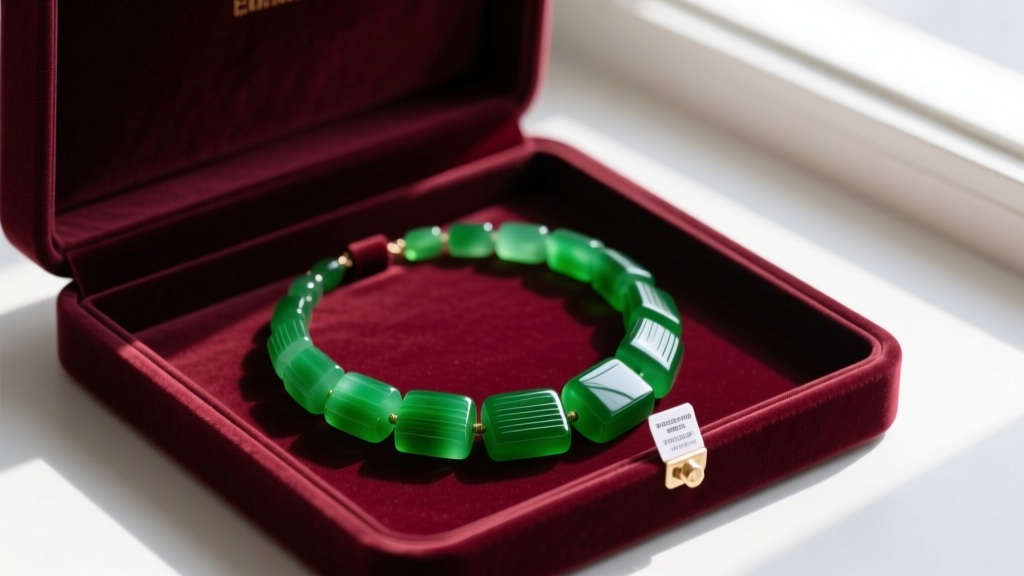
Dyed green stones (like dyed quartz or howlite masquerading as jade) and pigmented resins will fade rapidly under prolonged UV exposure. Never store your necklace on a vanity table in direct sunlight. Keep it in a closed, opaque drawer or a UV-blocking jewelry box.
Humidity and Oxidation
If your chunky green necklace features copper, brass, or bronze hardware (or if the "green" is actually a deliberate copper patina), high humidity is the enemy. Store the piece in an airtight Ziploc bag with a silica gel packet and a 3M anti-tarnish strip. Replace the anti-tarnish strip every 3 to 6 months.
Troubleshooting Common Issues
Cloudy or Scratched Resin
If your acrylic or resin chunky necklace has developed a cloudy finish from micro-scratches, do not use metal polish. Instead, use a specialized plastic polish like Novus 2 Fine Scratch Remover. Apply with a clean cotton cloth using circular motions, then buff with Novus 1 Plastic Clean & Shine.
The "Green Skin" Reaction
If the chain or backing of your necklace is turning your skin green, this is a harmless but annoying chemical reaction between your skin's natural acids and the copper alloys in the base metal. To fix this without replating, clean the metal thoroughly with rubbing alcohol, let it dry, and apply a thin coat of clear, hypoallergenic jewelry sealant or a high-quality clear nail polish to the areas that touch your skin.
Loose Bezel Settings
Heavy stones frequently rattle loose from their metal bezels. If you notice movement, stop wearing the necklace immediately. Do not attempt to bend the metal back yourself, as work-hardened silver or gold can snap. A jeweler can easily re-seat the stone and use a bezel roller to secure the metal lip safely.
By treating your chunky green necklace not just as an accessory, but as a specialized composite of distinct materials, you ensure it remains a vibrant, structurally sound centerpiece of your collection for decades to come.