Ultimate Care Guide for a Sliding Knot for Necklace Cords
Learn how to clean, tighten, and maintain a sliding knot for necklace cords. Expert tips on waxed cotton, nylon, and leather cord care.

The Anatomy of a Sliding Knot and Why It Fails
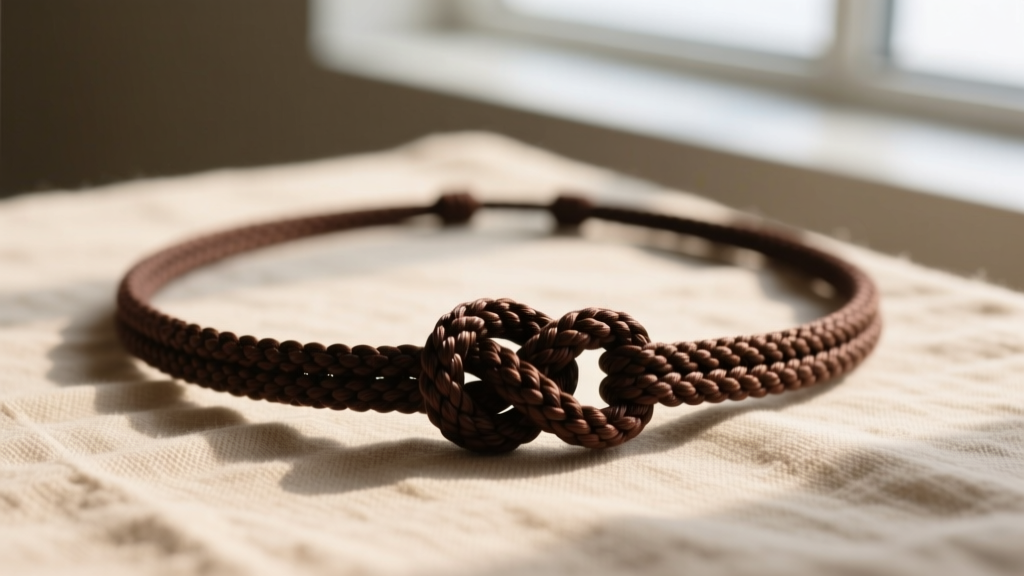
Adjustable cord necklaces are a staple in modern jewelry design, offering versatility and a relaxed aesthetic. However, the friction-based mechanism that makes them work is also their greatest vulnerability. A sliding knot for necklace designs—typically a macrame square knot, a double lark's head, or a snake knot—relies entirely on surface tension and the microscopic grip of the cord's fibers. Over time, this grip degrades.
The primary culprit is human sebum. Skin oils have a slightly acidic pH (typically between 4.5 and 6.0) and act as a slow-acting solvent on the natural waxes and finishes applied to jewelry cords. As sebum, dead skin cells, and environmental dust accumulate inside the dense weave of the knot, two distinct failure modes emerge: the knot either seizes up into a gummy, immovable lump, or it loses its friction entirely, causing the necklace to slip and loosen unexpectedly. Understanding the specific material of your cord is the first step in implementing a proper maintenance protocol.
Material-Specific Cleaning Protocols
Not all cords are created equal. The cleaning agents and conditioning treatments that will restore a waxed cotton cord will instantly ruin a silk or leather alternative. Below is a definitive matrix for maintaining the most common cord materials used in adjustable necklaces.
| Cord Material | Standard Diameter | Cleaning Agent | Conditioning Agent | Expected Lifespan |
|---|---|---|---|---|
| Waxed Cotton | 1.0mm - 2.0mm | Mild Castile Soap | Microcrystalline Wax | 1 - 3 Years |
| Nylon (e.g., C-Lon) | 0.11mm - 1.0mm | Isopropyl Alcohol (70%) | None Required | 5+ Years |
| Leather (Round) | 1.5mm - 2.5mm | Saddle Soap | Neatsfoot Oil / Mink Oil | 2 - 4 Years |
| Silk Thread | 0.5mm - 1.5mm | Baby Shampoo (Diluted) | None (Avoid Waxes) | 6 - 12 Months |
According to the Gemological Institute of America (GIA), when cleaning cords attached to porous gemstones like turquoise, opal, or pearls, you must avoid submerging the pendant. Always isolate the knot and cord during the cleaning process to prevent chemical damage or water-logging the stone's matrix.
Step-by-Step Deep Cleaning for Stubborn Grime
When your adjustable knot becomes stiff or discolored, a superficial wipe-down will not suffice. The debris is trapped deep within the overlapping cord layers. Follow this deep-cleaning framework to restore the cord's integrity without unraveling the knot.
- Isolate the Knot: Slide the knot away from the pendant. If the pendant is a porous stone or soft metal (like oxidized silver), wrap it in a soft microfiber cloth and secure it with a loose rubber band to protect it from moisture.
- Agitate the Fibers: Mix a few drops of unscented liquid Castile soap (such as Dr. Bronner's) with warm distilled water. Dip a soft-bristled baby toothbrush into the solution. Gently brush the knot in circular motions, working the lather into the crevices of the macrame weave.
- Extract the Sebum: For nylon cords, skip the soap. Instead, dip a cotton swab in 70% isopropyl alcohol and run it along the cord, focusing on the entry and exit points of the knot. The alcohol will dissolve the hardened skin oils without degrading the synthetic fibers.
- Rinse and Press: Dampen a clean cloth with distilled water and press it firmly against the knot to extract the soapy residue. Never twist or wring the cord, as this will cause the inner fibers to snap and the outer sheath to distort.
- Air Dry Under Tension: Hang the necklace vertically with a light weight (like a small binder clip) attached to the bottom ends. This ensures the cord dries straight and the knot fibers settle back into their proper alignment.
Restoring the Slide: Re-Waxing and Conditioning
Cleaning strips away the factory-applied waxes that give cords their water resistance and structural rigidity. If you have a waxed cotton or linen cord, re-waxing is mandatory after a deep clean to ensure the sliding knot for necklace adjustments remains smooth and secure.
Expert Insight: Avoid standard beeswax for cord maintenance. Pure beeswax is too tacky and will attract dust, eventually turning your knot into a dirt magnet. Instead, use a microcrystalline wax blend, such as Renaissance Wax, which dries hard and remains inert.
To re-wax, take a small amount of microcrystalline wax on your thumb and forefinger. Pinch the cord and pull it through your fingers, generating friction heat. This heat melts the wax into the microscopic gaps between the cotton fibers. Once the entire cord is coated, use a hairdryer on a low-heat setting to gently warm the knot area, allowing the wax to penetrate the dense center of the weave. Finally, buff the cord vigorously with a clean microfiber cloth to remove excess surface wax and achieve a subtle sheen.
Troubleshooting Common Sliding Knot Failures
Even with meticulous care, mechanical failures can occur. Here is how to troubleshoot the most frequent issues encountered with adjustable cord necklaces, drawing on techniques used by professional jewelers and cord-weavers.
The Knot is Completely Seized
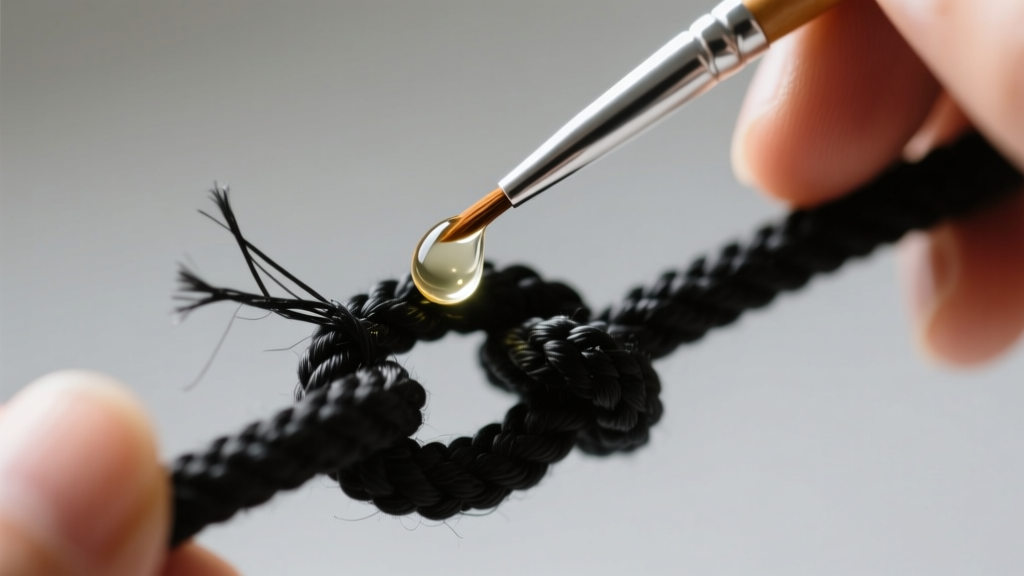
If the knot refuses to slide, do not force it with pliers; you will crush the fibers and permanently ruin the cord. Instead, apply a single drop of mineral oil directly to the center of the knot. Let it sit for 15 minutes to break down the hardened sebum and degraded wax. Massage the knot gently between your fingers until it loosens, then immediately clean the area with isopropyl alcohol to remove the oil, which would otherwise attract dirt.
The Knot Slips and Won't Hold Tension
This occurs when the cord has stretched or lost its surface texture. For nylon cords, this usually means the cord is nearing the end of its tensile lifespan and should be replaced. For waxed cotton, a loss of friction can often be fixed by applying a very thin layer of clear, flexible jewelry adhesive (like G-S Hypo Cement) to the *inside* of the knot's core, allowing it to dry completely. This adds microscopic bulk and grip without gluing the knot shut. For more on professional jewelry adhesives and their applications, refer to the material safety guides provided by Rio Grande.
Fraying Cord Ends
The ends of the cord act as the stoppers that prevent the sliding knot from coming off entirely. If they begin to fray:
- For Nylon: Do not hold a lighter flame directly to the cord. Hold the flame one inch away and let the radiant heat melt the nylon into a smooth, rounded bead. Direct flame will scorch the material, turning it brittle and black.
- For Cotton/Leather: Trim the frayed end at a sharp 45-degree angle. Apply a tiny drop of cyanoacrylate (super glue) or flexible jewelry adhesive to the tip, and roll it between your fingers to form a hardened, tapered point.
Preventative Maintenance and Storage
The longevity of your adjustable necklace is heavily dictated by how it is stored. Never toss a cord necklace into a communal jewelry box where it can become tangled with metal chains; the metal links will act like saws, slicing through the cord fibers over time.
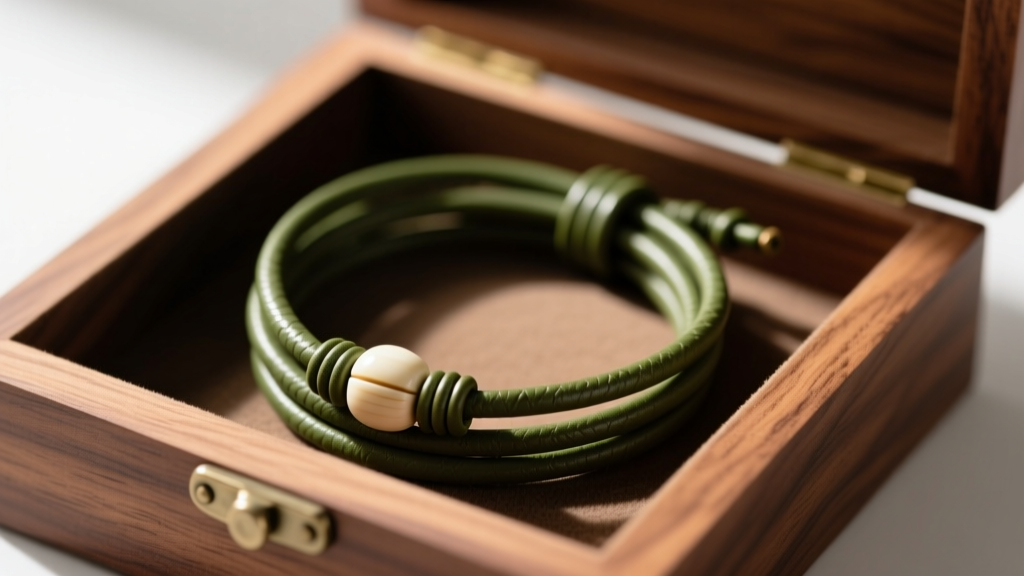
Store the necklace fully extended or loosely coiled in a dedicated soft pouch. If you live in a high-humidity environment, include a small silica gel desiccant packet in the storage area to prevent mold growth on natural fibers like cotton and silk. Finally, make it a habit to slide the knot back and forth a few times every week, even when not wearing the piece. This simple mechanical action prevents the waxes and oils from setting into a rigid mass, ensuring your necklace remains effortlessly adjustable for years to come.


