How to Clean and Care for a Vintage Bogoff Necklace
Discover expert cleaning and maintenance tips for your vintage Bogoff necklace. Learn how to protect foil-back rhinestones and gold plating.

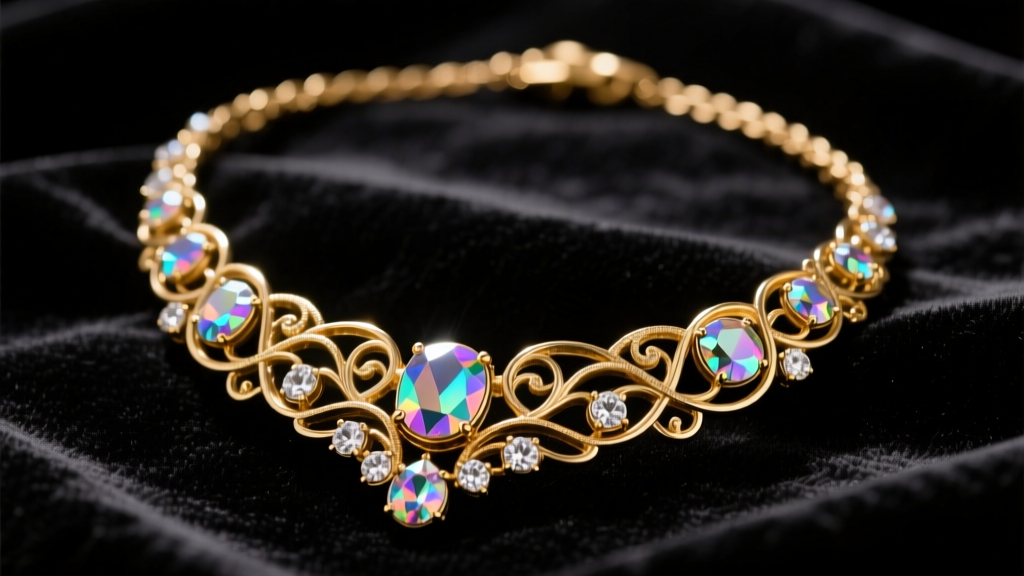
Owning a vintage Bogoff necklace is like holding a piece of mid-century New York glamour in your hands. Renowned for their intricate gold-washed filigree, aurora borealis (AB) glass rhinestones, and elaborate enamel work, Bogoff pieces are highly sought after by costume jewelry collectors. However, the very materials that give these 1940s to 1960s necklaces their breathtaking sparkle also make them incredibly fragile. Unlike modern fine jewelry, vintage costume pieces require a highly specific, conservative approach to maintenance. In this comprehensive guide, we will break down the exact protocols for cleaning, polishing, and storing your Bogoff necklace to ensure it survives for another generation.
The Anatomy of a Bogoff Necklace: Understanding the Materials
Before applying any cleaning method, you must understand what you are working with. According to Collectors Weekly, mid-century costume jewelry manufacturers typically utilized a base of "pot metal" (a zinc, copper, and lead alloy) or brass, which was then finished with a microscopic layer of gold or silver electroplate. This gold wash is often less than 0.5 microns thick—significantly thinner than modern gold plating. Furthermore, the brilliant sparkle of a Bogoff necklace relies on glass rhinestones backed with a delicate metallic foil and set into the metal using tiny prongs or adhesive. Understanding this fragile ecosystem is the first step in preventing irreversible damage.
The Golden Rule: Never Submerge Foil-Backed Stones
The single most common mistake new collectors make is attempting to wash their vintage necklaces in soapy water or commercial jewelry dips. Never submerge a Bogoff necklace in liquid. The metallic foil backing the rhinestones is essentially a micro-thin layer of silver or gold paint. When moisture seeps under the prongs or settings, it becomes trapped against the foil. This causes the foil to oxidize, flake, or turn completely black, resulting in a "dead" or cloudy stone. Once the foil is compromised, the stone loses its light-reflecting properties, and the damage cannot be reversed without professional re-foiling or total stone replacement. As noted by GIA Gemstone Care guidelines regarding treated and backed stones, moisture and chemical exposure are the primary catalysts for backing degradation.
Step-by-Step Dry Cleaning Protocol
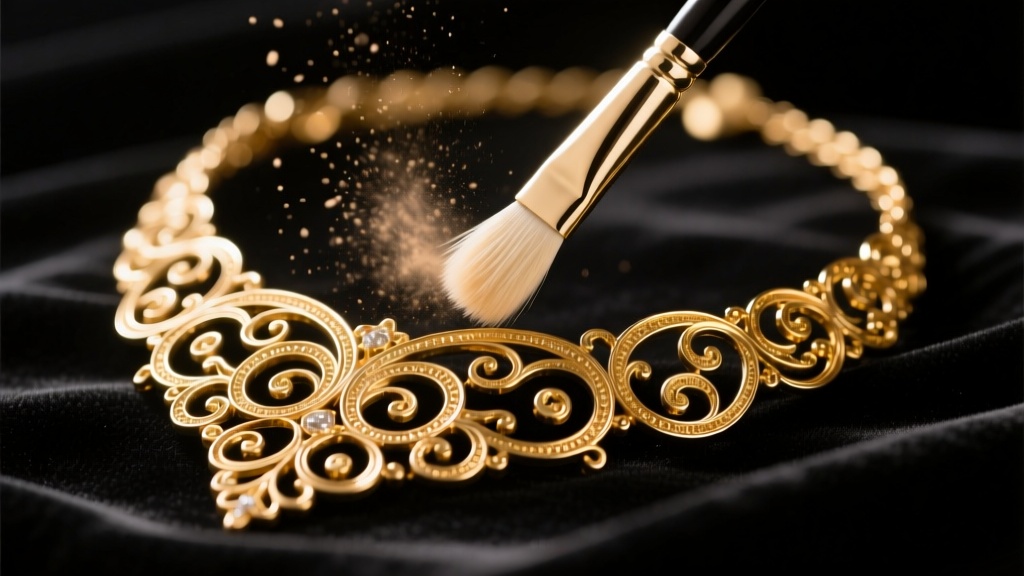
To safely remove accumulated dust, skin oils, and cosmetic residue from your Bogoff necklace, you must rely on mechanical dry cleaning. Follow these precise steps:
- Compressed Air Dusting: Hold a can of compressed air completely upright (to prevent propellant liquid from spraying) and use short bursts to dislodge loose dust from the deep filigree crevices. Keep the nozzle at least six inches away from the stones to avoid excessive pressure on the prongs.
- Goat-Hair Brushing: Use a clean, soft goat-hair makeup brush to gently sweep the surface of the rhinestones and metalwork. Goat hair is naturally anti-static and soft enough not to scratch the gold wash or loosen the settings.
- Wooden Toothpick Detailing: For stubborn grime trapped in the metal lattice, use a wooden toothpick. Gently scrape the debris away. Never use metal needles or safety pins, as they will instantly scratch the soft base metal and strip the gold electroplate.
- Microfiber Buffing: Finally, lightly buff the stones with an untreated, high-pile microfiber cloth to restore their optical clarity and remove fingerprint oils.
Polishing the Metal: Preserving the Gold Wash
It is tempting to use liquid silver polishes or abrasive pastes to brighten the metal on a vintage necklace, but this is a fatal error for gold-washed Bogoff pieces. Liquid dips (like Tarn-X) and polishing creams contain micro-abrasives and harsh chemicals that will strip the 0.5-micron gold layer down to the dull, gray pot metal beneath in seconds. Instead, rely on a dry, untreated jeweler's cloth. If your Bogoff piece is silver-tone rather than gold-washed, you may use a specialized silver-polishing cloth, but you must meticulously avoid rubbing the cloth against the rhinestones, as the tarnish-removing compounds embedded in the cloth will cloud the glass and degrade the foil backing.
Cleaning Agents Matrix: What to Use vs. What to Avoid
| Cleaning Agent | Effect on Gold Wash | Effect on Foil-Backs | Verdict |
|---|---|---|---|
| Ultrasonic Cleaners | Can cause micro-abrasions | Destroys foil instantly via vibration and moisture | Never Use |
| Mild Soap & Water | Safe for metal, risky for glue | Causes oxidation and blackening if trapped | Avoid |
| Commercial Silver Dip | Strips gold wash entirely | Chemically dissolves metallic foil | Never Use |
| Compressed Air | No effect | Safe if held upright | Highly Recommended |
| Goat-Hair Brush | No effect | Safe, removes dust without scratching | Highly Recommended |
| Untreated Microfiber | Safe, gentle buffing | Safe for glass surface | Recommended |
Addressing Verdigris and Clasp Maintenance
Vintage necklaces frequently develop verdigris—a green, crusty copper acetate buildup—around the clasp and jump rings where skin acids and moisture accumulate. Do not attempt to scrub this off with a wet brush. Instead, use a dry wooden toothpick to gently flake the verdigris away. If the buildup is severe, a professional restorer can apply a localized, neutralizing treatment. Regarding the clasp, Bogoff necklaces often feature fold-over clasps or J-hooks accompanied by delicate figure-eight safety chains. These safety chains are notorious for snapping if pulled. Always open the primary clasp before attempting to unhook the safety chain, and never pull the necklace off over your head.
Storage and Preventative Maintenance
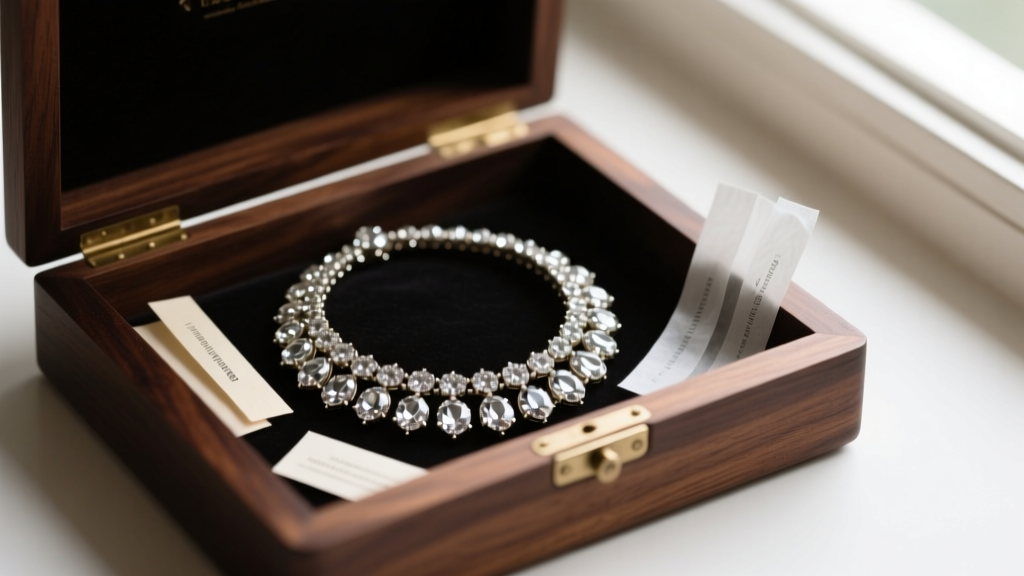
Proper storage is just as critical as cleaning. Pot metal is susceptible to "metal fatigue" and environmental degradation. Store your Bogoff necklace flat in a dark, climate-controlled environment. Hanging vintage link necklaces can cause the heavy glass stones to pull on the aging metal links, leading to structural failure over time. Line your storage box with acid-free tissue paper and include 3M anti-tarnish strips to absorb airborne sulfur and moisture. Replace these strips every six months. Finally, keep the necklace away from direct sunlight, which can degrade the adhesive used to secure the rhinestones and cause vintage enamel accents to fade or craze.
When to Seek Professional Vintage Restoration
While routine dry cleaning is easily managed at home, certain issues require the expertise of a vintage jewelry restoration specialist. If your Bogoff necklace has missing rhinestones, a broken safety chain, or stones that have turned completely black due to foil failure, do not attempt DIY repairs. Modern adhesives like Super Glue will off-gas and create a permanent white haze over the surrounding stones. A professional restorer will have access to period-correct glass stones, specialized re-foiling techniques, and archival-grade jeweler's epoxy. By respecting the delicate nature of mid-century construction and adhering to these strict dry-cleaning protocols, your vintage Bogoff necklace will continue to capture the light—and the imagination—for decades to come.


