Cleaning A Thorn Necklace: Self Portrait With A Necklace Of Thorns
Learn how to safely clean and maintain intricate, antiqued thorn necklaces inspired by Kahlo's art without damaging the dark patina or sharp points.

The Allure and Anatomy of Botanical Thorn Jewelry
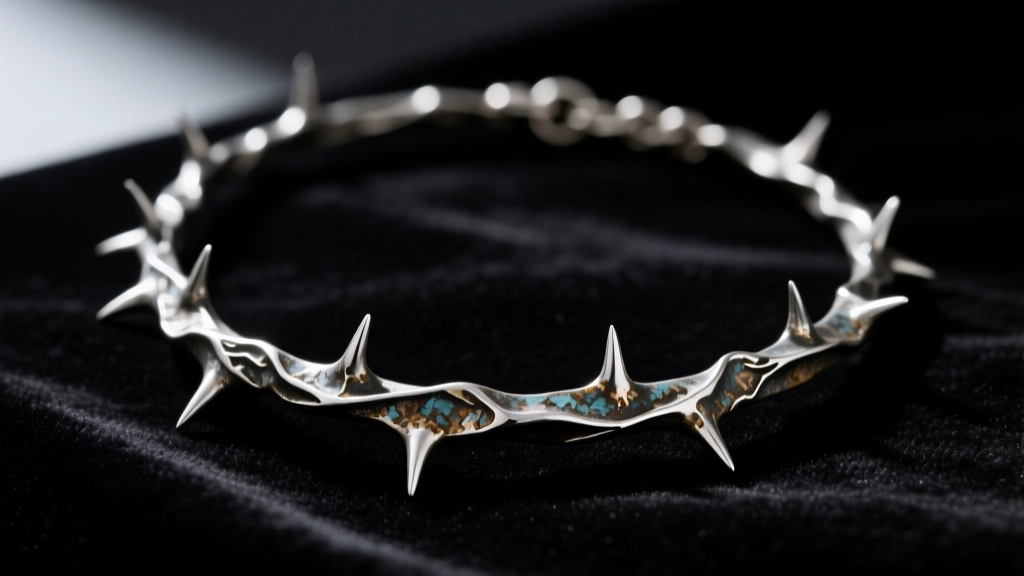
Frida Kahlo’s iconic 1940 painting, Self Portrait with a Necklace of Thorns, captures a striking, painful botanical choker that draws blood, symbolizing resilience and emotional endurance. Today, contemporary jewelry artisans replicate this haunting aesthetic using lost-wax casting techniques, pouring molten 925 sterling silver, brass, or bronze into molds made from actual rose and blackberry brambles. The result is a breathtakingly intricate necklace featuring sharp, organic points and deep, rugged undercuts.
However, from a jewelry conservation perspective, these botanical replicas present a unique maintenance challenge. The very crevices that give the thorns their realistic, woody texture—often measuring between 1.5mm and 3.0mm in depth—are perfect traps for sebum, dead skin cells, cosmetic powders, and environmental dust. Furthermore, to achieve the dark, moody aesthetic seen in Kahlo's masterpiece, jewelers treat the metal with liver of sulfur (potassium sulfide) to force a rapid, intentional oxidation (patina) into the recesses, while polishing only the high points. Cleaning a thorn necklace requires a meticulous, multi-step protocol to remove biological buildup without stripping this delicate, chemically induced patina or fracturing the fragile, needle-like tips.
Why Standard Silver Cleaners Destroy Antiqued Finishes
When caring for an antiqued thorn necklace, the first rule is to absolutely avoid commercial liquid silver dips. According to conservation guidelines from the Victoria and Albert Museum, most commercial silver dips rely on thiourea and strong acids to strip tarnish. While highly effective on bright, polished silver chains, these chemicals will instantly dissolve the intentional black and brown oxidation nestled inside the thorn crevices, leaving the piece looking flat, unnaturally bright, and stripped of its botanical depth.
Similarly, ultrasonic cleaners are strictly contraindicated for this jewelry style. Ultrasonic machines operate at frequencies around 40kHz, creating microscopic cavitation bubbles that implode with immense localized force. On a delicate, cast-bramble necklace where individual thorns may taper to an 18-gauge equivalent thickness, this cavitation can cause stress corrosion cracking, literally snapping the sharp tips off the main branch.
The 4-Step Deep Cleaning Protocol for Intricate Crevices
To safely restore your thorn necklace, you must rely on mechanical agitation and pH-neutral chemistry. Follow this professional conservation protocol to lift debris without harming the metal or the patina.
Step 1: Dry Extraction
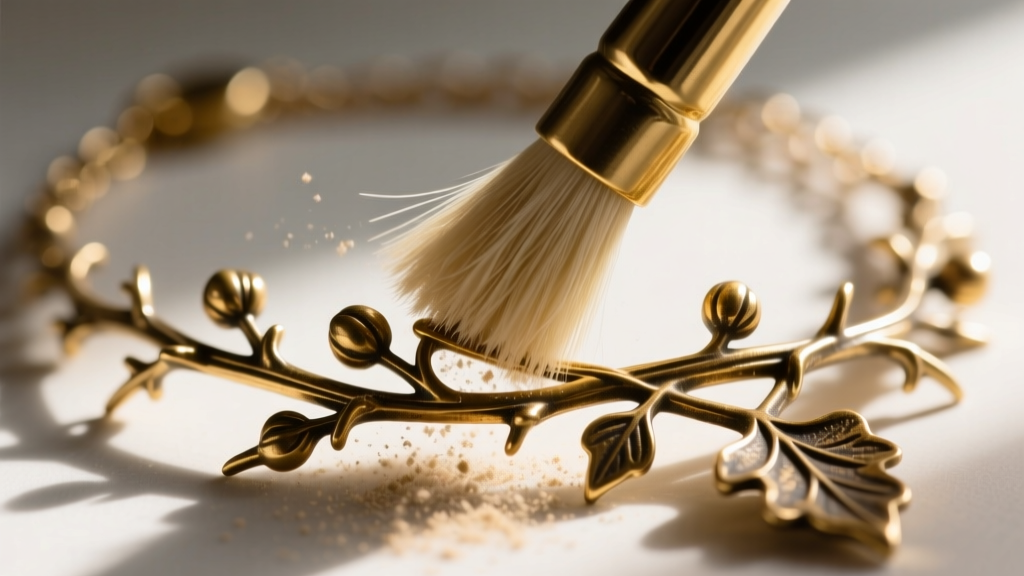
Before introducing any moisture, which can turn trapped cosmetic powders into a stubborn paste, perform a dry extraction. Use a soft, 0.05mm natural horsehair detailing brush. Gently sweep the brush along the grain of the 'branches' and directly into the undercuts of the thorns. The natural oils in horsehair will attract and lift dry particulate matter without scratching the oxidized silver or brass.
Step 2: The Surfactant Bath
Prepare a cleaning bath using distilled water and a few drops of pH-neutral (7.0) liquid dish soap. Avoid soaps containing moisturizers, citrus degreasers, or micro-abrasives. Submerge the necklace for exactly 3 to 5 minutes. This allows the mild surfactants to break the surface tension and loosen the bond between sebum and the metal.
Step 3: Targeted Agitation
While the piece is still submerged, use a soft-bristled baby toothbrush or a specialized jewelry cleaning brush to gently work the soapy water into the deepest crevices. Brush in small, circular motions at the base of each thorn. Never use stiff nylon or wire brushes, as these will scratch the polished high-points of the silver and ruin the contrast between the dark crevices and bright tips.
Step 4: Controlled Drying
Rinse the necklace thoroughly under a gentle stream of lukewarm distilled water. Do not use tap water, as the chlorine and dissolved minerals can leave spots or react with the copper content in sterling silver. Pat the piece dry with a lint-free microfiber cloth, then use a hair dryer on the 'cool' setting to blow remaining moisture out of the deep thorn undercuts. Trapped moisture is the primary catalyst for verdigris (green copper corrosion) in brass and bronze botanical pieces.
Chemical Compatibility Chart for Patinated Metals
Understanding how different agents interact with both the base metal and the intentional patina is crucial for long-term preservation. The Birmingham Assay Office emphasizes that chemical stripping is the greatest threat to antiqued silver. Refer to the table below before applying any product to your thorn necklace.
| Cleaning Agent | Effect on Base Metal | Effect on Dark Patina | Verdict for Thorn Jewelry |
|---|---|---|---|
| Safe; lifts oils | Neutral; preserves oxidation | Highly Recommended | |
| Baking Soda Paste | Mildly abrasive | Strips patina from high points | Avoid (ruins contrast) |
| Commercial Silver Dip | Chemically strips tarnish | Completely dissolves black oxidation | Never Use |
| Ultrasonic Cleaner | Safe for solid metal | Neutral | Avoid (snaps delicate thorns) |
| Polishing Cloth (Treated) | Restores shine | Removes patina on contact | Use only on high-point tips |
Troubleshooting Stubborn Sebum and Verdigris Buildup
If your brass or bronze thorn necklace has developed a crusty green buildup (verdigris) deep within the bramble joints, pH-neutral soap will not be enough. Verdigris is a copper acetate or chloride that forms when copper alloys react with sweat and environmental humidity.
To remove this without damaging the surrounding dark patina, use a wooden toothpick or a soft bamboo skewer to gently mechanically dislodge the green crust. Never use a steel needle or metal pin, as steel is harder than brass and bronze and will leave permanent, bright scratches inside the crevices. If the verdigris persists, dip a cotton swab in a highly diluted solution of white vinegar and distilled water (1:10 ratio), apply it only to the green spot, let it sit for 30 seconds, and immediately neutralize it with a baking soda and water paste. Rinse thoroughly and dry immediately.
Preserving the Thorns: Storage and Handling
The physical geometry of a thorn necklace makes it a hazard to itself during storage. The sharp, interlocking points can easily scratch the polished high-points of adjacent branches, or worse, catch on soft fabrics and bend, causing metal fatigue.
Expert Storage Tip: Never toss a botanical thorn necklace into a communal jewelry box. The sharp points will snag on other chains, potentially bending the delicate cast tips or scratching softer gemstones.
Always store your thorn necklace flat in its own individual polyethylene zip-lock bag. Include a 3M anti-tarnish strip or a piece of Pacific Silvercloth inside the bag to absorb ambient sulfur gases before they can react with the silver. When putting the necklace on, fasten the clasp at the back of your neck rather than pulling it over your head; pulling it over your head stretches the chain and forces the rigid, thorny centerpiece to bend at unnatural angles, risking structural failure at the solder joints where the clasp rings meet the bramble.
By treating your botanical jewelry with the same reverence as a museum artifact, you ensure that the dark, intricate beauty inspired by Kahlo's Self Portrait with a Necklace of Thorns remains striking, sharp, and perfectly patinated for decades to come.


