Beginner's Guide to the Clove Necklace: Meaning, Styling & Care
Discover the spiritual meaning of the clove necklace. Learn how to style, craft, and care for botanical clove amulets and metal pendants in this guide.

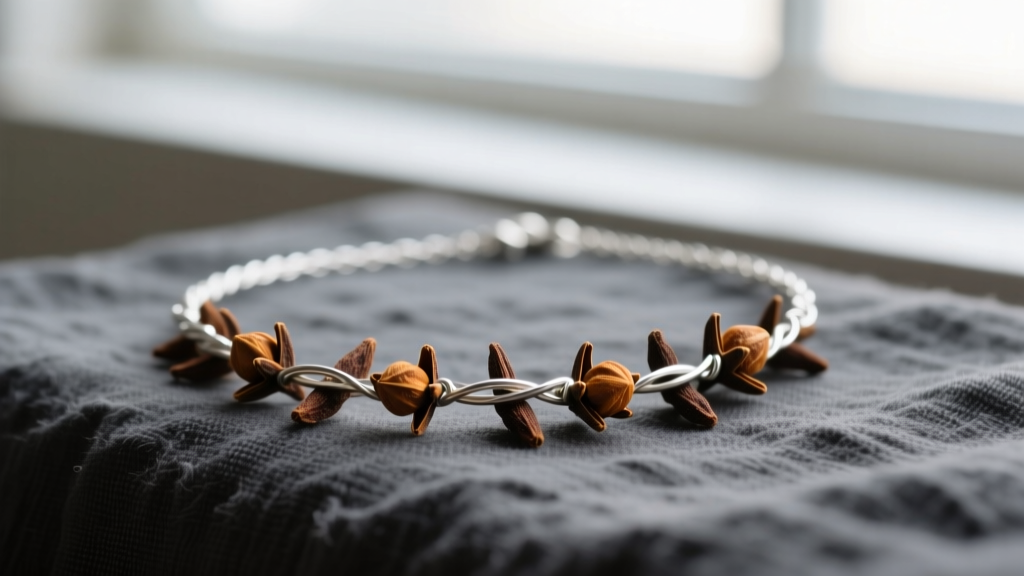
The Rise of Botanical Jewelry: What Is a Clove Necklace?
In the ever-evolving landscape of personal adornment, the shift toward organic, meaningful, and grounding accessories has made botanical jewelry a standout trend. At the intersection of aromatherapy, folk magic, and artisan craftsmanship sits the clove necklace. But what exactly is it? When jewelry enthusiasts and spiritual practitioners refer to a clove necklace, they are typically talking about one of two distinct styles: a true botanical amulet crafted from whole, dried clove buds (Syzygium aromaticum), or a metallic pendant cast in the intricate shape of a clove.
For beginners drawn to the earthy, grounding aesthetic of organic jewelry, the dried botanical clove necklace offers a deeply personal connection to nature. Unlike traditional gemstones, a dried clove bud is a complex biological structure consisting of the hypanthium (the tubular base) and the four sepals that form the crown. When worn as a pendant, it serves as a subtle, aromatic talisman. Conversely, metal clove pendants—often cast in recycled sterling silver or brass—offer a permanent, durable homage to the spice without the maintenance required for organic materials. In this comprehensive guide, we will focus primarily on the botanical clove amulet, exploring its rich history, how to craft one safely, and how to integrate it into your everyday wardrobe.
Historical Roots and Spiritual Significance
To understand the appeal of the clove necklace, we must look back at the historical and spiritual significance of the spice itself. According to Encyclopedia Britannica, cloves are native to the Maluku Islands in Indonesia, historically known as the Spice Islands. During the Middle Ages and the Renaissance, cloves were among the most expensive and sought-after commodities on the planet. They were frequently used in 'pomanders'—ornamental balls made of perforated wood or metal filled with aromatic spices—worn around the neck or carried to ward off miasma and disease.
In modern spiritual practices, the clove necklace has been adopted as a powerful protective amulet. In various Mediterranean and Middle Eastern folk magic traditions, cloves are associated with banishing negative energy and deflecting the 'evil eye' (mal de ojo). Practitioners often string exactly 9, 11, or 13 dried cloves on a red or black thread to create a protective barrier around the wearer's aura. Furthermore, in Ayurvedic traditions, cloves are linked to the fire element, believed to stimulate warmth, courage, and clear communication when worn near the throat chakra.
How to Craft Your Own Botanical Clove Amulet
Creating a botanical clove necklace requires a delicate touch. Dried cloves are incredibly brittle; attempting to drill a hole through the bud with a standard jewelry bit will almost certainly shatter the spice. Instead, professional botanical jewelers use a wire-wrapping technique to secure the clove without piercing it.
Materials and Tool Specifications
- The Cloves: Select whole, plump dried cloves with the crown (the four sepals) fully intact. Avoid cloves that look dusty or excessively dry, as they will crumble under pressure.
- Wrapping Wire: Use 28-gauge or 26-gauge dead-soft copper, brass, or sterling silver wire. Dead-soft wire is highly malleable and will grip the uneven surface of the clove stem without requiring excessive force. For authoritative guidance on wire temper and gauges, Rio Grande Jewelry Supply remains the industry standard reference.
- Structural Wire: 20-gauge or 22-gauge half-hard wire for creating the bail (the loop that connects the wrapped clove to your chain).
- Tools: Flush cutters, chain-nose pliers, and nylon jaw pliers (to prevent marring the soft wire).
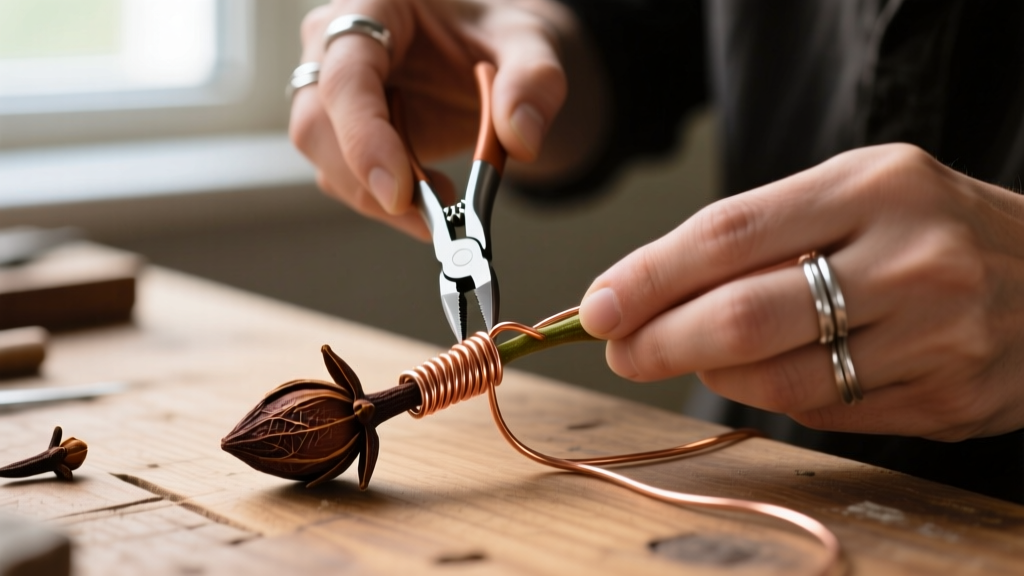
The 'Cinch Wrap' Technique
Begin by cutting a 12-inch length of your 28-gauge dead-soft wire. Find the 'neck' of the clove—the narrow groove just below the crown and above the textured stem. Gently place the wire against this groove and begin wrapping it tightly around the clove 4 to 6 times. The goal is to create a secure metal corset that holds the bud in place. Once wrapped, twist the two wire ends together at the top to form a small loop. Trim the excess wire with your flush cutters, and use your chain-nose pliers to tuck any sharp wire tails safely into the wrap. Finally, attach your wrapped clove to a 20-gauge structural bail, and thread it onto your chain.
Aromatherapy Benefits and Skin Safety
One of the most unique aspects of wearing a dried clove necklace is its natural aromatic profile. The distinct, warm scent of cloves comes from eugenol, a chemical compound that makes up 72% to 90% of the spice's essential oil. Eugenol is celebrated in aromatherapy for its grounding, stress-relieving, and mentally clarifying properties. Simply bringing the pendant to your nose and taking a deep breath can serve as a quick, grounding mindfulness exercise during a busy day.
However, skin safety is paramount. The Tisserand Institute, a leading authority on essential oil safety, notes that eugenol is a known skin sensitizer. If you choose to 'refresh' the scent of your clove necklace by applying clove essential oil to it, never apply it undiluted, and ensure the oiled clove does not rest directly against your skin. Always dilute the essential oil in a carrier oil (like jojoba) at a 1% ratio, apply a single drop to the very bottom tip of the stem, and let it dry completely before wearing. Alternatively, rely on the natural, subtle scent of the dried bud, which can last for years if stored properly.
Styling and Layering Your Clove Necklace
Because of its rustic, organic texture, a botanical clove necklace fits perfectly into bohemian, earthy, and eclectic wardrobes. To style it effectively, consider the neckline of your garment and the accompanying materials in your layering stack.
- The Neckline: Clove pendants are generally small to medium in size (about 0.5 to 0.75 inches long). They shine best when worn over scoop necks, deep V-necks, or off-the-shoulder tops, where the dark brown of the spice contrasts beautifully against the skin or a light-colored fabric.
- Chain Selection: Avoid highly polished, delicate chains like snake chains, which clash with the rustic vibe. Instead, opt for oxidized sterling silver cable chains, raw brass rope chains, or even braided leather cords.
- Layering Partners: Create a textured, organic stack by pairing your 18-inch clove pendant with a 16-inch matte lava stone bead choker and a 22-inch raw turquoise or wooden bead opera-length necklace. The matte finishes of the companion beads will highlight the natural sheen of the clove's crown.

Care, Maintenance, and Humidity Control
The greatest enemy of botanical jewelry is moisture. While fresh cloves are pliable, dried cloves are desiccated. If exposed to high humidity (above 60%), a dried clove pendant can absorb moisture from the air, leading to structural softening and, eventually, mold growth. To preserve your clove necklace, remove it before showering, swimming, or engaging in heavy exercise.
When not in wear, do not leave the necklace hanging in an open, humid bathroom. Store it in an airtight jewelry box or a sealed glass jar alongside a small silica gel desiccant packet. This will maintain a dry micro-environment, ensuring the clove remains brittle, intact, and fragrant for years to come.
Quick Comparison: Dried Botanical vs. Metal Clove Pendants
If you are torn between crafting a real botanical amulet and purchasing a metal cast, refer to the table below to see which option aligns with your lifestyle.
| Feature | Dried Botanical Clove | Metal Clove Pendant (Silver/Brass) |
|---|---|---|
| Material | Organic Syzygium aromaticum bud | Cast Sterling Silver, Bronze, or Brass |
| Durability | Low (Brittle, shatters if dropped) | High (Withstands daily wear and tear) |
| Aroma | Natural, warm, spicy eugenol scent | None (Unless paired with an oil pad) |
| Maintenance | High (Requires humidity control) | Low (Occasional polishing required) |
| Price Range | $5 - $15 (DIY) / $25 - $45 (Handmade) | $40 - $120+ (Depending on metal weight) |
Final Thoughts
The clove necklace is far more than a fleeting trend; it is a wearable piece of history, a botanical marvel, and a deeply personal talisman. Whether you choose to carefully wire-wrap a dried bud to harness its protective folklore and grounding aroma, or opt for a permanently cast metal version for everyday durability, this unique pendant offers a beautiful way to stay connected to the earth. By understanding the specific wire gauges, safety profiles of eugenol, and proper storage techniques, you can confidently craft, style, and preserve your clove jewelry for years to come.


