Corgi Necklace Value Guide: Sterling Silver vs Enamel
Discover the true value of a corgi necklace. We compare sterling silver, gold vermeil, and enamel options to help you avoid cheap alloys.

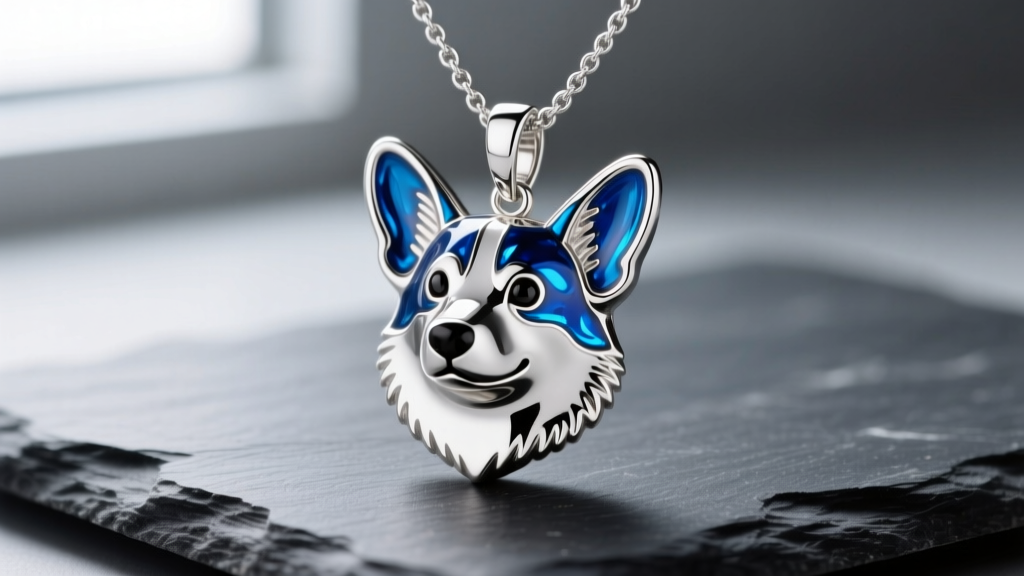
The True Cost of Novelty Jewelry: Assessing the Market
The appeal of a corgi necklace is undeniable. Whether you are a devoted owner of a Pembroke Welsh Corgi or simply an admirer of the breed's iconic silhouette, animal-themed jewelry has cemented itself as a staple in modern accessory wardrobes. However, the novelty jewelry market is notoriously saturated with low-quality, mass-produced items that prioritize quick trends over lasting craftsmanship. As a buyer, distinguishing between a $14 dropshipped pendant and a $120 artisan-cast piece requires a deep understanding of metallurgy, enamel techniques, and structural integrity.
In this comprehensive value assessment, we break down the exact material grades, manufacturing methods, and pricing tiers you will encounter when shopping for a corgi necklace. By understanding what you are actually paying for, you can avoid the dreaded "green neck" syndrome and invest in a piece that withstands daily wear.
Material Breakdown: Base Metals vs. Precious Alloys
The base metal of your pendant dictates its longevity, skin compatibility, and intrinsic value. Many budget-friendly corgi necklaces are marketed with deceptive terms that obscure their true composition.
The "Tibetan Silver" and Zinc Alloy Trap
If you see a corgi pendant labeled as "Tibetan Silver," "Alpaca," or "Silver-Plated Alloy" for under $20, you are looking at a zinc and copper alloy with zero actual silver content. These base metals are highly reactive to the natural acids and salts in human sweat. Within weeks, the thin electroplated flash coating wears off, leading to rapid oxidation. This not only turns the pendant a dull, mottled gray but also causes the copper underneath to react with your skin, leaving a green or black stain on your chest. According to the Federal Trade Commission Jewelry Guides, marketers must clearly disclose the base metal and the thickness of any plating, yet many overseas marketplaces bypass these regulations entirely.
925 Sterling Silver and Gold Vermeil Standards
For a corgi necklace to be considered a lasting investment, it should be cast in solid 925 sterling silver. This alloy consists of 92.5% pure silver and 7.5% copper. The copper is essential; pure silver (999) is too soft to hold the intricate details of a corgi's fur texture or the structural integrity of the pendant's bail. While the copper content means sterling silver will eventually tarnish when exposed to sulfur in the air, it can be easily polished back to a brilliant shine without losing any underlying detail.
If you prefer a gold tone, look strictly for "Gold Vermeil" rather than standard "Gold Plated." Vermeil requires a base of 925 sterling silver plated with at least 2.5 microns of 10k or higher gold. Standard gold-plated brass, by contrast, often features less than 0.5 microns of gold over a reactive base metal, meaning the gold will rub off the high points of the corgi's ears and snout within a month of daily wear.
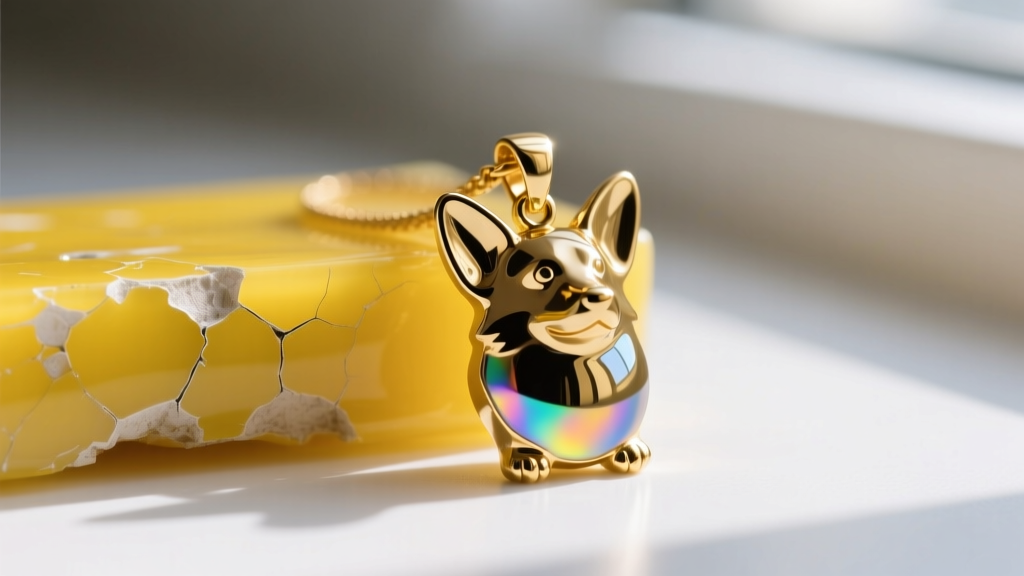
Enamel Quality: Epoxy Resin vs. Vitreous Glass
Many corgi necklace designs incorporate color to highlight the dog's white chest, tan markings, or a decorative bandana. The method used to apply this color is the single biggest indicator of the piece's value and lifespan.
- Cold Enamel (Epoxy Resin): Found in budget and mid-tier pieces, this is essentially a two-part hardened plastic. It is poured into the recesses of the metal and left to air-cure. While initially vibrant, epoxy resin is highly susceptible to UV degradation. Within a year or two of daily sun exposure, white and yellow resins will yellow significantly. Furthermore, resin sits slightly above the metal bezel, making it prone to chipping and scratching upon impact.
- Hard Enamel (Vitreous Glass): Used by fine jewelers and high-end artisans, vitreous enamel is made from finely ground glass frit. It is packed into the metal recesses and fired in a kiln at temperatures between 1380°F and 1560°F. As detailed in the GIA Enamel Overview, this process fuses the glass directly to the metal at a molecular level. The result is a completely UV-stable, scratch-resistant surface that is polished flush with the metal bezel. A corgi necklace featuring vitreous enamel will retain its brilliant colors for generations.
2026 Corgi Necklace Price & Value Matrix
To help you benchmark the market, we have categorized the current landscape into three distinct value tiers. Use this matrix to evaluate whether a seller's asking price aligns with the actual materials and labor involved.
| Value Tier | Price Range | Base Metal | Color Technique | Expected Lifespan | Value Rating |
|---|---|---|---|---|---|
| Fast Fashion | $8 - $22 | Zinc Alloy / Brass | Epoxy Resin | 3 - 6 Months | Poor (Avoid) |
| Mid-Market Artisan | $45 - $85 | 925 Sterling Silver | Cold Enamel / Antiquing | 3 - 5 Years | Good (Everyday Wear) |
| Heirloom / Fine | $110 - $250+ | 14k Solid or Heavy Vermeil | Vitreous Glass Enamel | Lifetime | Excellent (Investment) |
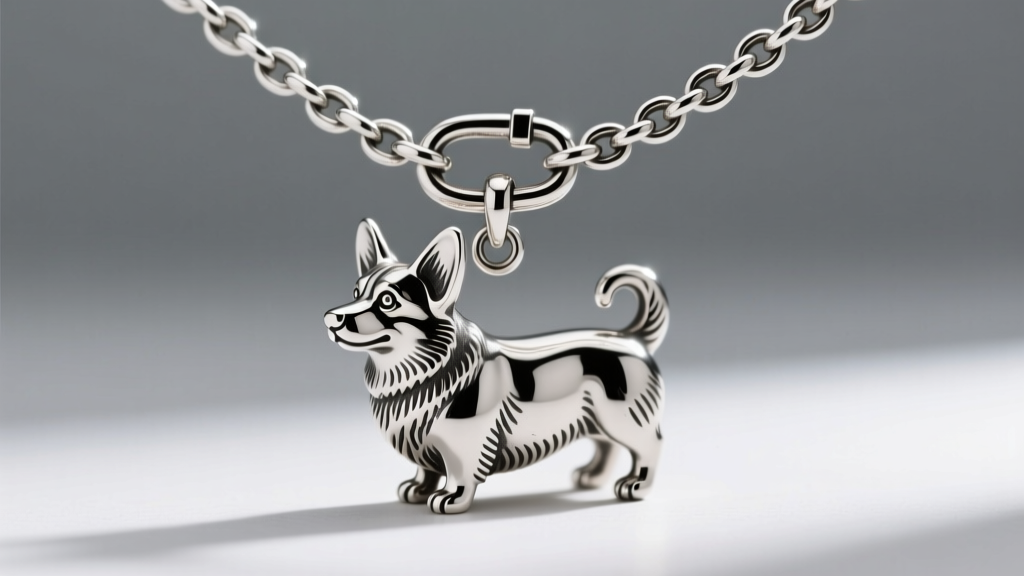
Chain Mechanics and Bail Construction: The Hidden Value Killers
A pendant is only as secure as the chain and bail supporting it. When assessing the value of a corgi necklace, buyers frequently overlook the hardware, focusing entirely on the charm itself. This is a costly mistake.
The Bail: Soldered vs. Pinched
The bail is the loop at the top of the corgi pendant that the chain passes through. In cheap manufacturing, the bail is "pinched" or glued onto the pendant. Over time, the friction of the chain rubbing against the bail causes the metal to bend backward, eventually snapping open and dropping your pendant into the abyss of a parking lot or drain. A high-value corgi necklace will feature a soldered bail, where the loop is seamlessly fused to the pendant body using a high-temperature silver solder, eliminating any weak points.
Chain Gauge and Clasp Integrity
Solid silver corgi pendants have a surprising amount of heft. A detailed, 3D-cast sterling silver corgi charm can easily weigh between 4 and 8 grams. Suspending this weight on a flimsy 0.8mm cable chain with a weak spring-ring clasp is a recipe for disaster. Spring rings are notorious for their internal springs failing, leaving the clasp permanently jammed open or closed.
For optimal value and security, demand a chain that is at least 1.5mm to 2.0mm in thickness, woven in a rolo, wheat, or box pattern, which offer superior tensile strength compared to standard cable links. Furthermore, ensure the chain is finished with a lobster clasp. Lobster clasps feature a robust, self-closing spring mechanism housed in a solid metal body, capable of supporting the dynamic weight of a heavy pendant without warping.
Final Verdict: Where to Invest Your Budget
Expert Insight: If your budget is strictly under $30, avoid metal entirely. Instead, opt for a high-quality, laser-engraved acrylic or sustainably sourced wood corgi pendant on a durable leather cord. You will get vastly superior durability and aesthetic appeal from premium alternative materials than you will from a degrading, skin-irritating zinc alloy masquerading as silver.
Ultimately, the true value of a corgi necklace lies in its ability to be worn daily without fear of degradation. By prioritizing 925 sterling silver, demanding soldered bails, and seeking out vitreous enamel over epoxy resins, you transition your purchase from a fleeting fast-fashion accessory to a meaningful, enduring piece of personal jewelry. Always verify the "925" hallmark and ask the jeweler specifically about their enamel firing process before completing your purchase.


