DIY Botanical Hemp Seed Necklace: Step-by-Step Guide
Learn how to craft a unique botanical hemp seed necklace using eco-resin and macrame hemp cord. Step-by-step DIY guide for bohemian jewelry makers.

The Anatomy of a Botanical Hemp Seed Necklace
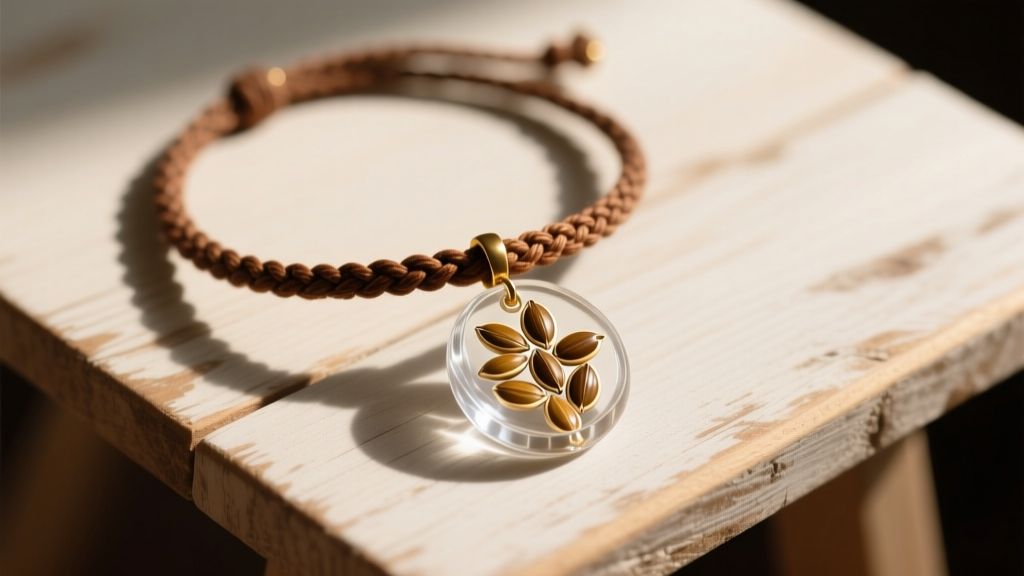
Creating a genuine hemp seed necklace presents a unique structural challenge for jewelry makers. Whole, unshelled hemp seeds (Cannabis sativa) are incredibly small, typically measuring just 2 to 3 millimeters in diameter. Their brittle outer shell and soft inner endosperm make traditional drilling impossible without shattering the seed. Therefore, the professional approach to crafting a hemp seed necklace relies on a botanical resin encapsulation technique for the focal pendant, paired with a hand-knotted hemp cord and larger structural seed beads to complete the bohemian aesthetic.
This guide will walk you through the exact process of encasing raw hemp seeds in bio-epoxy resin, stringing them on a durable macrame hemp cord, and integrating natural accent seeds like Acai or Rudraksha. By the end of this tutorial, you will have a masterclass-level understanding of botanical jewelry fabrication.
Essential Materials and Tool Specifications
To ensure your necklace is durable and visually striking, you must source materials with specific grades and dimensions. Avoid generic craft store supplies where possible, as they often lack the UV resistance and structural integrity required for wearable botanical art.
- Focal Seeds: Whole, raw, unshelled hemp seeds. Do not use hulled "hemp hearts," as they lack the distinct textured shell and will degrade in resin.
- Resin: Bio-epoxy resin (such as EcoPoxy FlowCast). Bio-epoxy has a lower exothermic reaction, preventing the delicate seed oils from cooking and clouding the pendant.
- Cord: 1.5mm polished hemp cord. Polished (or glazed) hemp resists fraying and holds knots tightly.
- Accent Beads: 6mm natural Acai seed beads or 8mm Rudraksha seeds. Ensure the drill hole is at least 1.2mm to accommodate the hemp cord.
- Hardware: 925 sterling silver glue-on bail with a 6mm pad.
- Adhesive: E6000 Jewelry & Bead adhesive for securing the bail.
- Tools: Silicone pendant mold (15mm round), precision tweezers, digital scale, and a butane lighter.
Step 1: Casting the Botanical Resin Pendant
The most critical phase of making a hemp seed necklace is the resin pour. Hemp seeds have a low specific gravity, meaning they will naturally float to the surface of liquid resin if not managed correctly. To achieve a perfectly suspended, 3D botanical effect, you must use the "double-pour" method.
The Base Layer and Tack Cure
Mix your bio-epoxy resin according to the manufacturer's volume ratio (typically 2:1 for EcoPoxy). Stir slowly for 3 minutes to minimize air bubbles. Pour a shallow base layer into your 15mm silicone mold, filling it exactly one-third of the way. Allow this layer to cure in a dust-free environment at 72°F (22°C) until it reaches a "tack-free" gel state, which usually takes 4 to 6 hours. This semi-solid base will act as a shelf for your seeds.
Seed Placement and Top Coat
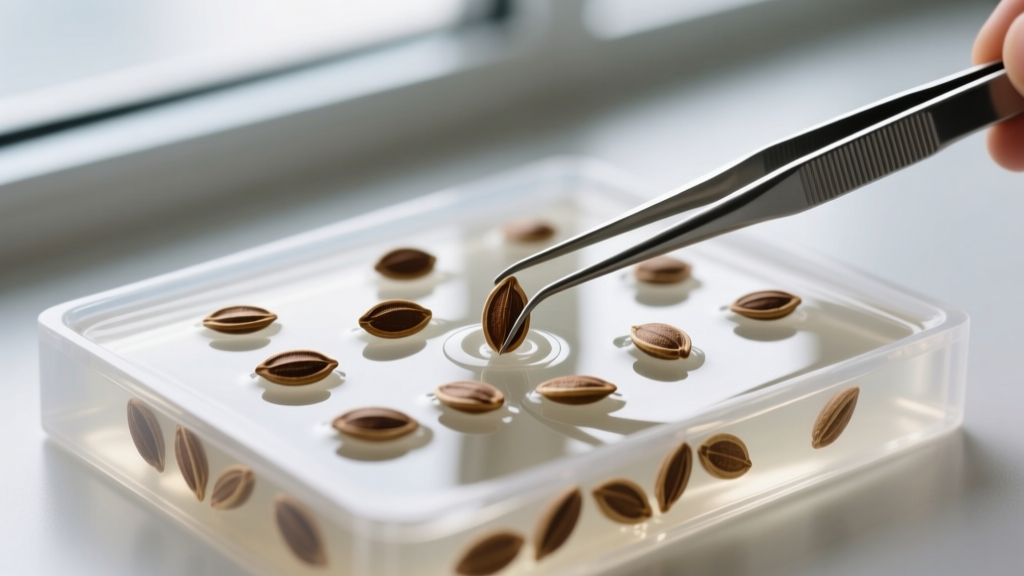
Using precision tweezers, carefully place 5 to 7 whole hemp seeds onto the tacky base layer. Arrange them in a loose, organic cluster rather than a rigid geometric pattern. Once positioned, mix a second, smaller batch of resin and gently pour it over the seeds to fill the mold to the brim. Use a toothpick to pop any micro-bubbles clinging to the seed shells. Cover with a dust dome and let it cure fully for 48 hours before demolding.
Step 2: Sizing the Hemp Cord and Accent Seeds
While your resin pendant cures, prepare the necklace chain. A hemp seed necklace requires a cord that is robust enough to support the resin pendant but flexible enough for macrame knotting. Below is a structural compatibility chart to help you match your cord thickness with natural seed beads.
| Cord Material & Thickness | Bead Hole Requirement | Best Seed Bead Pairings | Durability Rating |
|---|---|---|---|
| 1.0mm Unpolished Hemp | 1.0mm - 1.2mm | Small Acai, Job's Tears | Moderate (Prone to fraying) |
| 1.5mm Polished Hemp | 1.5mm - 1.8mm | Large Acai, Rudraksha, Bodhi | High (Excellent for knotting) |
| 2.0mm Braided Hemp | 2.0mm+ | Large wooden beads, bone | Very High (Stiff drape) |
For this project, we are using 1.5mm polished hemp cord. Cut a single length of cord measuring exactly 36 inches. This allows enough material for the necklace circumference, the sliding closure knot, and the decorative tail ends. If your natural seed beads have holes that are slightly too tight for the 1.5mm cord, use a diamond-coated bead reamer to gently widen the holes without cracking the organic seed material.
Step 3: Macrame Knotting and Seed Bead Integration
Stringing the accent beads and attaching the pendant requires specific knotting techniques to ensure the necklace remains adjustable and secure. According to knotting experts at The Spruce Crafts, the sliding square knot is the gold standard for adjustable bohemian jewelry.
Threading and Positioning
Fold your 36-inch hemp cord in half to find the center point. Thread your focal resin pendant onto the center loop using a lark's head knot. Next, slide your 6mm Acai seed beads onto the two working ends of the cord. Position them symmetrically, leaving about 2 inches of bare cord between the pendant and the first seed bead. This negative space prevents the beads from crowding the focal pendant.
Tying the Sliding Square Knot
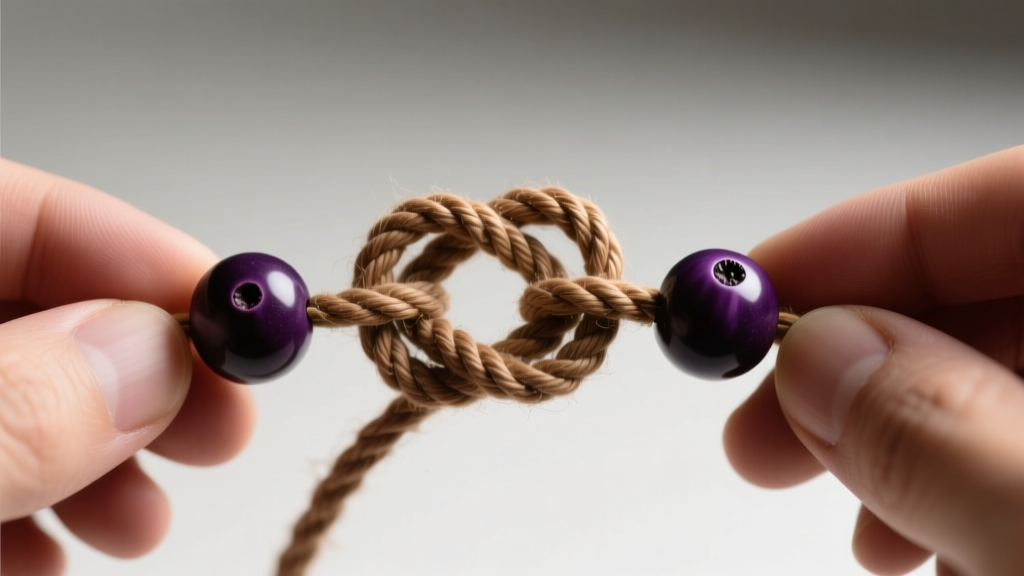
Bring the two ends of the cord together to form a circle. Take a separate, 12-inch piece of 1.0mm hemp cord to serve as your knotting cord. Lay it horizontally across the two main cords. Tie a series of alternating square knots (right over left, then left over right) around the main cords. Four to five knots will create a sturdy, 1-inch sliding barrel that allows the wearer to adjust the necklace length from 16 to 22 inches.
Step 4: Attaching Hardware and Sealing the Ends
The final steps involve securing the pendant bail and weatherproofing the cord ends. Because bio-epoxy resin is naturally smooth, a glue-on bail requires surface preparation to ensure a permanent bond.
Lightly sand the top flat edge of your demolded resin pendant with 400-grit sandpaper. Clean the area with isopropyl alcohol to remove any resin dust. Apply a small drop of E6000 adhesive to the 6mm pad of your sterling silver bail and press it firmly onto the sanded area. Clamp it lightly and let it cure for 24 hours.
Finally, trim the tail ends of your necklace cord, leaving about 1 inch below the sliding knot. To prevent the hemp fibers from unraveling over time, rub the tips with natural beeswax and briefly pass them under the flame of a butane lighter. This melts the wax into the fibers, creating a sealed, waterproof aglet that will never fray.
Long-Term Care for Botanical Jewelry
A hemp seed necklace is a piece of living art that requires specific maintenance. While the bio-epoxy resin is highly UV-resistant, prolonged exposure to direct sunlight over several years can cause the natural oils inside the hemp seeds to oxidize, slightly darkening their color. Store your necklace in a dark, dry jewelry box when not in use.
Furthermore, while polished hemp cord is water-resistant, it is not waterproof. Avoid wearing your necklace in the shower or swimming pool, as chlorine and hard water minerals will degrade the natural plant fibers and dull the sterling silver bail. With proper care, your botanical hemp seed necklace will remain a stunning, earthy statement piece for years to come.