Crafting the Perfect DIY Necklace Gift for Every Occasion
Discover how to craft the perfect DIY necklace gift for any occasion. Learn wire gauges, clasp types, and material grades for stunning handmade jewelry.

The Art of the Handmade: Why DIY Jewelry Wins in 2026
In 2026, the jewelry landscape has decisively shifted away from mass-produced, fast-fashion accessories toward hyper-personalized, sustainably crafted pieces. When it comes to gifting, a thoughtfully constructed DIY necklace carries an emotional weight that no luxury brand can replicate. However, the difference between a craft-store trinket and a boutique-quality handmade heirloom lies entirely in material science, structural integrity, and occasion-appropriate design. This guide will walk you through the exact specifications, from wire tempers to finding failure modes, ensuring your handmade gifts are both beautiful and enduring.
Material Grades & Wire Gauges: The Foundation
The most common point of failure in amateur jewelry making is selecting the wrong wire temper or gauge. Wire temper dictates the metal's stiffness and spring-back, while gauge determines its thickness. For a high-quality DIY necklace, you must match the wire to the structural demand of the piece.
Understanding Wire Temper
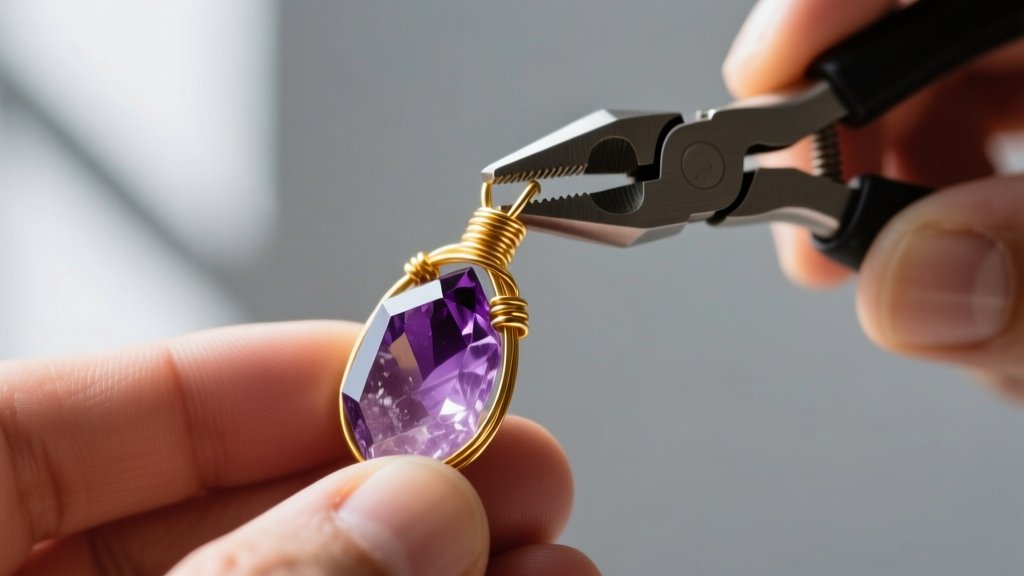
- Dead Soft: Extremely pliable. Ideal for intricate wire-wrapping around raw gemstones or weaving. It will bend easily but lacks the structural memory to hold heavy clasps.
- Half-Hard: The industry standard for jump rings, ear wires, and structural links. It offers a balance of malleability and spring-back, ensuring clasps stay closed under tension.
- Full-Hard: Very stiff and brittle if overworked. Best reserved for rigid structural elements or pins that require high tensile strength.
Wire Gauge Application Chart
| Gauge (AWG) | Thickness (mm) | Best Application | Tensile Note |
|---|---|---|---|
| 16 Gauge | 1.29mm | Heavy pendant bails, thick chain links | Requires heavy-duty flush cutters |
| 18 Gauge | 1.02mm | Standard jump rings, sturdy clasps | Ideal for supporting pendants over 15g |
| 20 Gauge | 0.81mm | Wire-wrapping, headpins, ear wires | The most versatile gauge for general use |
| 22 Gauge | 0.64mm | Fine wire-wrapping, small bead stringing | Can kink easily if handled roughly |
| 24 Gauge | 0.51mm | Coiling, weaving, securing cabochons | Strictly decorative; zero load-bearing |
Metals That Matter: Moving Beyond Base Alloys
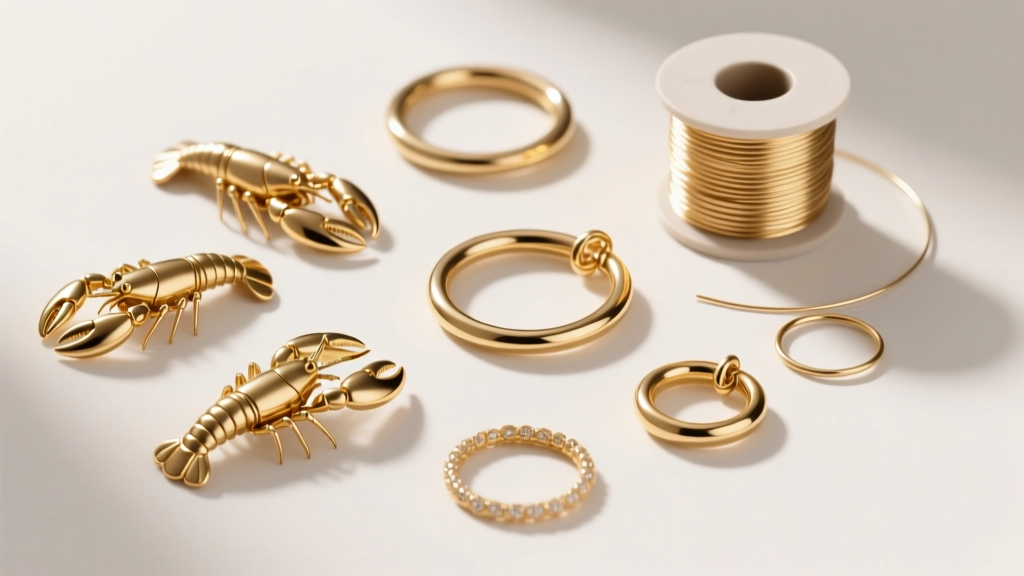
If you are gifting a necklace meant to be worn daily, base metals like brass or copper will inevitably oxidize and cause skin discoloration. Instead, invest in professional-grade metals.
14/20 Gold-Filled: Unlike gold-plated wire (which features a microscopic micron-layer of gold that rubs off in months), 14/20 gold-filled wire consists of a solid brass core mechanically bonded with a thick layer of 14k gold that makes up 5% of the total weight. It is tarnish-resistant, hypoallergenic, and can withstand years of daily wear. According to Rio Grande, gold-filled materials are the premier choice for independent jewelers seeking luxury quality without the solid-gold price tag.
Argentium Silver: An upgrade over traditional Sterling Silver (925), Argentium contains germanium, which creates a transparent, self-healing oxide layer that makes it highly tarnish-resistant. It is also brighter and whiter than traditional sterling, making it an exceptional choice for milestone anniversary gifts.
Occasion Matching: Selecting the Right Components
A DIY necklace must align with the formality and sentiment of the occasion. Here is a framework for matching components to the event.
Anniversaries & Milestones (The Heirloom Approach)
For major milestones, focus on minimalism and high-grade materials. A single, high-clarity gemstone set in a bezel or secured with a half-hard 18k gold-filled wire wrap speaks volumes. Avoid dyed or treated stones. Consult the Mohs Hardness Scale via the Gemological Institute of America (GIA) to ensure the stone can withstand daily wear. For a necklace, stones with a Mohs rating of 7 or higher (like sapphire, quartz, or topaz) are essential to prevent scratching from ambient dust, which contains silica.
Birthdays & Casual Gifting (The Modular Trend)
The biggest trend in 2026 is modular, charm-based jewelry. Craft a delicate 20-gauge cable chain with multiple soldered jump rings acting as 'stations' where the recipient can clip on interchangeable enamel or gemstone charms. This allows the gift to evolve over time. Sourcing high-quality vitreous enamel charms from reputable suppliers like Fire Mountain Gems ensures the colors won't fade or chip like cheap resin alternatives.
Sympathy & Remembrance (The Tactile Approach)
For memorial jewelry, incorporate tactile elements that ground the wearer. Matte-finished beads, raw uncut crystals, or hammered metal pendants provide a soothing sensory experience. Use a heavier 16-gauge chain to give the piece a comforting, substantial weight against the collarbone.
The Hardware: Clasps, Findings, and Failure Modes
The clasp is the most critical structural point of any necklace. A beautiful pendant is useless if the chain fails. Understanding failure modes will elevate your DIY craftsmanship from amateur to professional.
Jump Ring Torsion vs. Tension
The most common failure in DIY necklaces is a jump ring pulling apart. This happens when the ring is subjected to lateral tension (pulling straight out). To prevent this, always open and close jump rings using a twisting motion (torsion) with two pairs of flat-nose pliers, never pull them apart. For heavy pendants, abandon open jump rings entirely and use soldered jump rings or split rings (which look like miniature keyrings) to guarantee the pendant never detaches.
Clasp Selection Guide
- Lobster Clasp: The standard for chains under 20 grams. Ensure you buy 'trigger' lobsters with a strong internal spring. Cheap cast lobsters will snap under pressure.
- Magnetic Clasp: Excellent for accessibility and older recipients, but must feature a secondary safety chain. Neodymium magnets are strong, but lateral sliding can cause them to detach.
- Toggle Clasp: Ideal for heavy, chunky beaded necklaces. The weight of the beads keeps the T-bar securely locked inside the ring. Ensure the ring's inner diameter is at least 2.5 times the width of the T-bar to prevent accidental slippage.
Stringing Mechanics: Crimping Done Right
If you are stringing beads on flexible beading wire (like 49-strand micro-wire), your crimping technique dictates the necklace's lifespan. Avoid standard round crimp beads, which can shear the wire if crushed improperly. Instead, use sterling silver tube crimps and a specialized crimping tool that folds the tube into a neat, rounded bead. Always use a wire guardian (also known as French wire or wire protector) at the clasp connection point. This horseshoe-shaped finding prevents the metal clasp from sawing through the flexible beading wire over time, a failure mode that ruins countless handmade pieces.
Packaging and Presentation
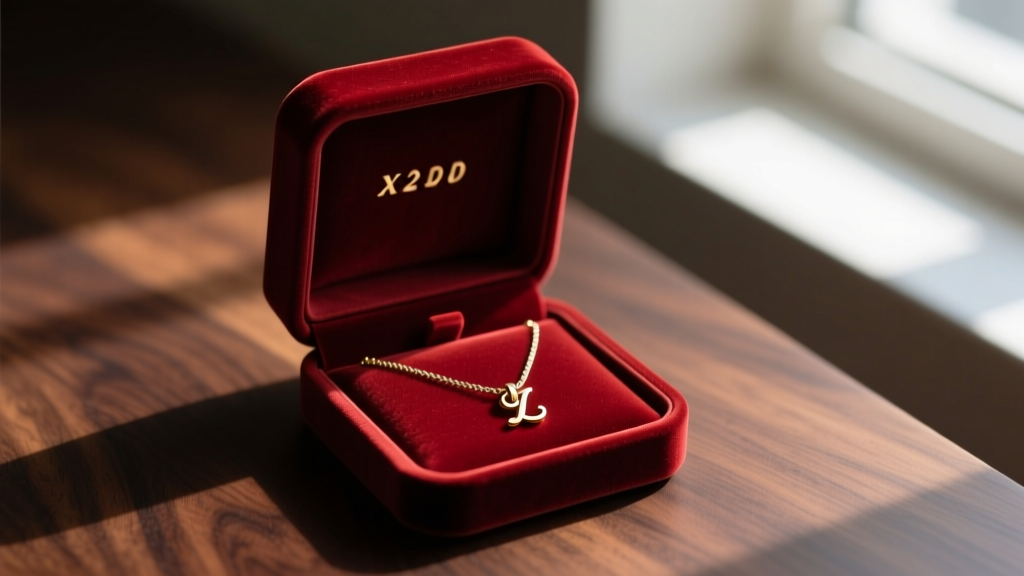
The presentation of a DIY necklace should mirror the quality of the craftsmanship. Avoid cheap plastic baggies. Invest in two-piece rigid setup boxes with a velvet or suede insert. Include a small, professionally printed care card detailing the exact materials used (e.g., '14/20 Gold-Filled Wire, Natural Untreated Amethyst') and instructions for cleaning. This not only educates the recipient but firmly establishes your piece as a serious work of artisan jewelry rather than a casual craft project.


