The Ultimate Guide to Choosing a Durable Grandchildren Necklace
Discover expert technical insights on selecting a durable grandchildren necklace. Learn about metal grades, chain weaves, and secure clasps for heirlooms.

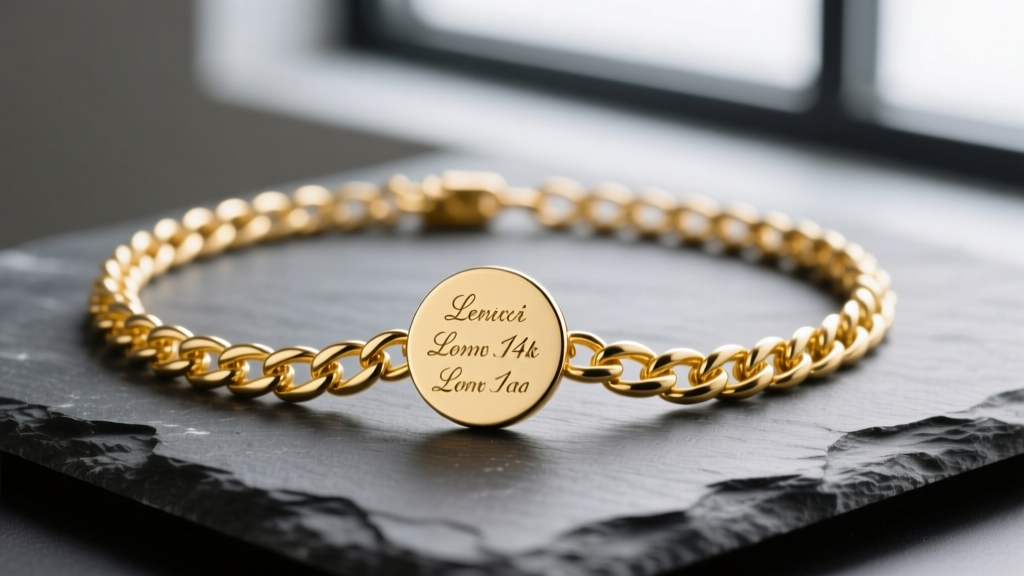
The Engineering of Sentimental Jewelry
When selecting a grandchildren necklace, the emotional weight of the piece is often the primary focus. However, from a metallurgical and structural engineering perspective, these necklaces face some of the harshest physical conditions in fine jewelry. They are subjected to the unpredictable tensile stress of toddlers grabbing them, the corrosive effects of daily perspiration, and the long-term fatigue of continuous wear. To ensure a grandchildren necklace survives to become a true multi-generational heirloom, buyers must look beyond aesthetics and evaluate the technical specifications of the alloys, chain weaves, and clasp mechanics.
Metallurgy and Vickers Hardness: Choosing the Right Alloy
The foundation of any durable heirloom is its base metal. The Gemological Institute of America (GIA) notes that pure 24k gold is far too soft for daily wear, scoring low on the Vickers Hardness (HV) scale. For a necklace meant to withstand decades of wear, we must evaluate specific alloy compositions.
- 14k Gold (58.5% Pure): With a Vickers hardness of approximately 130-150 HV, 14k gold offers the optimal balance of malleability and tensile strength. The alloying metals (typically copper and silver) create a crystalline lattice that resists the micro-abrasions of daily life.
- Platinum 950: Scoring around 110-135 HV, platinum is technically softer than 14k gold, but its high density and unique 'work-hardening' properties make it superior for heirlooms. When scratched, platinum displaces rather than loses metal, developing a patina that protects the structural integrity of the piece.
- Sterling Silver (925): Scoring a mere 60-70 HV, sterling silver is highly susceptible to scratching and sulfide tarnish. While budget-friendly, it lacks the structural permanence required for a true generational piece without rigorous maintenance.
According to the Federal Trade Commission Jewelry Guides, ensuring proper hallmarking is critical. Always verify the quality stamp (e.g., '14K' or 'PT950') and the maker's mark to guarantee the alloy's authenticity and traceability.
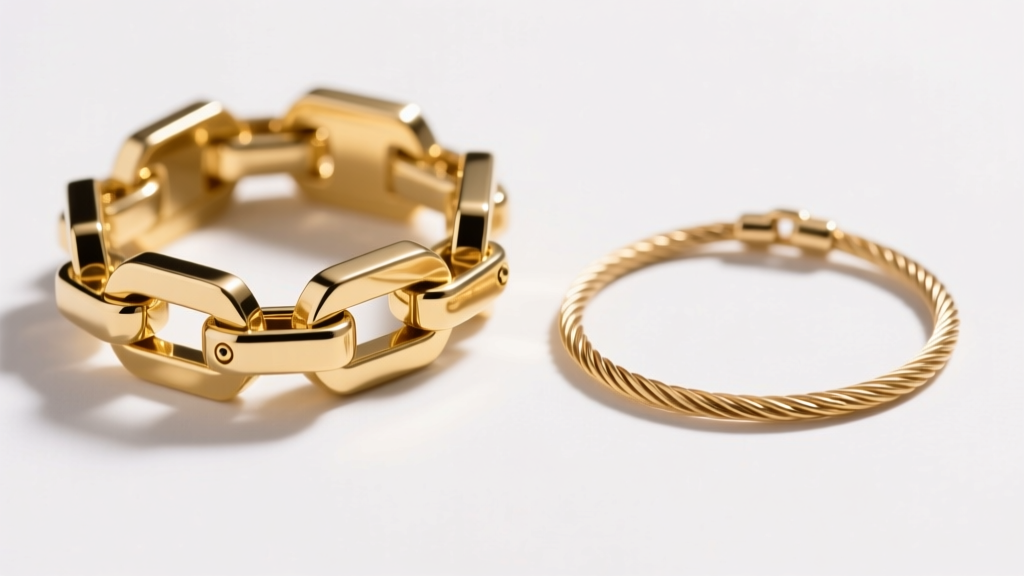
Chain Weave Engineering: Tensile Strength vs. Snag Factor
The chain is the most common point of catastrophic failure in a grandchildren necklace. When a child pulls on a pendant, the lateral force applied to the chain links can easily exceed the yield strength of delicate solder joints. Understanding chain topology is essential for preventing breakage.
| Chain Type | Tensile Strength | Snag Resistance | Failure Mode |
|---|---|---|---|
| Cable Chain | Low | High | Solder point failure under lateral stress |
| Wheat (Spiga) Chain | Very High | Moderate | Requires extreme force; links bend before breaking |
| Box Chain | High | High | Kinking leads to structural fatigue over time |
| Rope Chain | Moderate | Low | Unravels catastrophically if a single twist fails |
For a grandchildren necklace, the Wheat (Spiga) chain is the undisputed technical champion. Its woven, multi-directional friction links distribute kinetic energy across the entire weave, meaning there is no single solder point that acts as a weak link. If a toddler yanks the necklace, a wheat chain will absorb and distribute the shock, whereas a standard cable chain will snap at the solder joint.
Precision Engraving: Laser vs. Rotary Mechanics
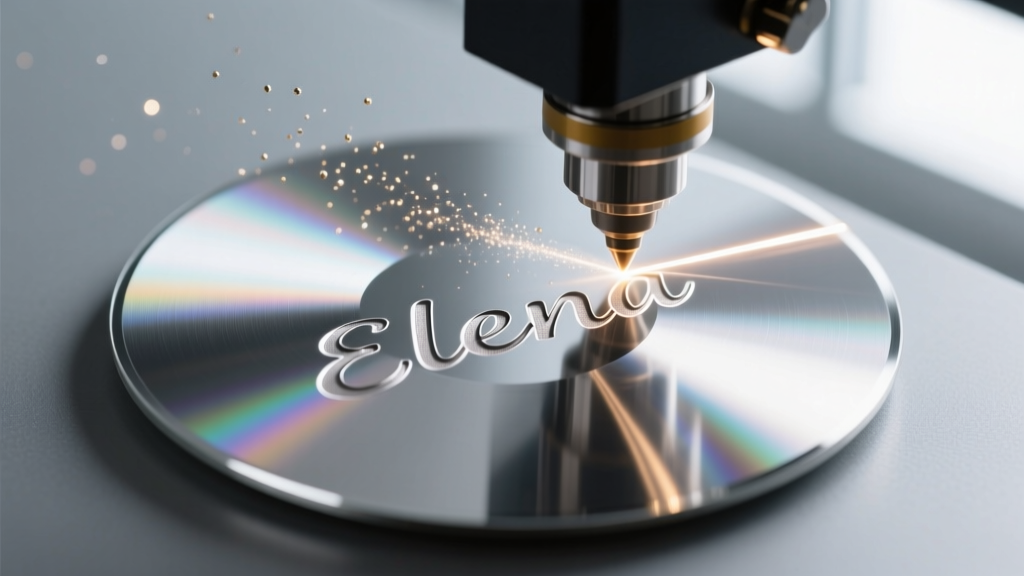
Fitting multiple names or birthdates onto a single pendant requires microscopic precision. Traditional rotary (diamond drag) engraving relies on a physical bit carving into the metal. This method requires a minimum line width of 0.15mm and struggles with legibility when scaling down to fit five or six names on a 20mm disc.
Modern Fiber Laser Engraving operates at a wavelength of 1064nm, vaporizing the metal surface with a focal spot size as small as 0.02mm. This allows for profound depth (up to 50 microns) without compromising the structural thickness of the pendant. When designing the layout, opt for sans-serif typefaces like Helvetica or Futura. Serif fonts lose their microscopic extensions during the engraving process, resulting in blurred or illegible text at heights below 2mm.
Clasp Mechanics and Anti-Loss Fail-Safes
The clasp is a mechanical spring system subject to metal fatigue. The ubiquitous 5mm spring-ring clasp is highly prone to failure; the internal steel spring frequently corrodes from sweat, or the tiny trigger mechanism snaps under repeated use. For a secure grandchildren necklace, mandate a 9mm or 10mm Lobster Claw clasp forged from the same karat gold as the chain. Lobster claws utilize a heavier, more robust internal spring and a wider jaw that securely locks into the end ring.
Furthermore, integrate a safety chain. A 1-inch, 0.8mm gauge tether welded to either side of the clasp ensures that if the primary mechanism fails, the necklace remains draped around the neck rather than falling to the ground and being lost or stepped on.
Pendant Weight and Creep Deformation
In metallurgy, 'creep' refers to the slow, permanent deformation of a material under constant mechanical stress. If a heavy, multi-charm pendant (exceeding 5 grams) is hung on a delicate 1.0mm chain, the constant gravitational pull will cause the gold links to slowly elongate over months and years. To prevent this creep deformation, maintain a strict pendant-to-chain weight ratio. The chain's gauge should be thick enough to support at least three times the weight of the pendant. For a standard 3-gram engraved disc, a 1.2mm to 1.5mm wheat chain provides the necessary structural resistance to prevent long-term stretching.
'An heirloom is not defined merely by the preciousness of its materials, but by the engineering foresight that allows it to survive the physical reality of the family it represents.' — Master Jeweler's Bench Manual
Final Specifications for the Perfect Heirloom
When commissioning or purchasing a grandchildren necklace, demand the following technical specifications to ensure it outlasts the generations it honors:
- Alloy: 14k Gold or Platinum 950 for optimal Vickers hardness and corrosion resistance.
- Chain Weave: 1.2mm Wheat chain for superior tensile strength and shock distribution.
- Engraving: Fiber laser with sans-serif typography for sub-millimeter legibility.
- Clasp: 9mm Lobster claw with an integrated 0.8mm safety tether.
- Ergonomics: 16-inch base length with a 4-inch adjustable extender loop to accommodate layering and seasonal weight fluctuations.
By prioritizing structural engineering and material science alongside sentimental design, you guarantee that the necklace remains a physical anchor for family history, impervious to the chaotic, beautiful reality of grandchildren.


