Egyptian Collar Necklace Buying Guide: What to Look For
Discover what to look for when buying an Egyptian collar necklace. Learn about materials, weight distribution, clasps, and historical Usekh designs.

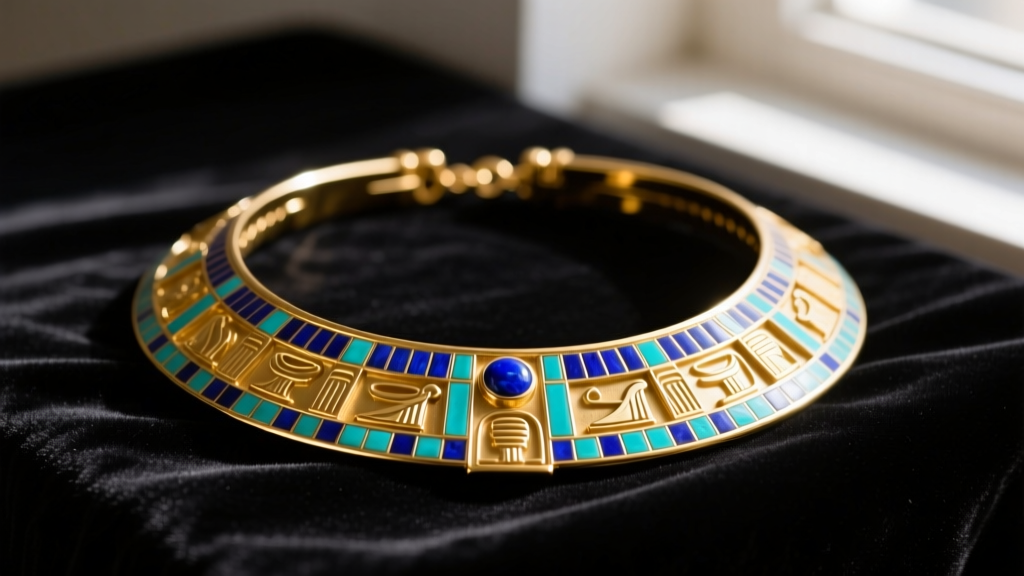
The Egyptian collar necklace, historically known as the Usekh (meaning 'broad' in ancient Egyptian), is one of the most striking and architecturally complex jewelry styles in history. Originally worn by royalty and deities in ancient Egypt, these sweeping, shoulder-grazing pieces were crafted from precious metals and vibrant gemstones. Today, the Egyptian collar necklace remains a powerful statement piece in modern jewelry, but purchasing one requires a keen eye for structural integrity, material quality, and ergonomic design. As of 2026, the market is flooded with both historically inspired artisan pieces and poorly constructed costume jewelry. This comprehensive buying guide will help you navigate the nuances of metal grades, weight distribution, and clasp mechanisms to ensure you invest in a collar that is as comfortable as it is beautiful.
The Anatomy of an Authentic Usekh Collar
Before evaluating modern reproductions, it is essential to understand the historical blueprint. According to the Metropolitan Museum of Art's Egyptian Art archives, the traditional Usekh collar was composed of multiple concentric rows of beads, tubes, and amulets, often terminating in semi-circular or falcon-headed clasps at the shoulders. The collar was designed to rest flat against the clavicle and upper chest, acting almost as a wearable armor of protection and status.
When shopping for a modern Egyptian collar necklace, look for designs that respect this anatomical drape. A high-quality piece will feature a tapered back or a flexible mesh backing that allows the collar to conform to the natural curve of the human neck and shoulders. Stiff, perfectly circular metal rings that do not account for the slope of the clavicle will inevitably ride up, choke the wearer, or slide off the shoulders entirely.
Material Grades and Metal Quality
The visual impact of an Egyptian collar relies heavily on its metallic luster and the vibrancy of its inlays. Because these necklaces cover a large surface area of the skin, the base metal and plating quality are paramount for both longevity and skin safety.
Base Metals and Plating Thickness
Cheap costume collars are typically stamped from thin, nickel-laced brass and flash-plated with less than 0.5 microns of gold. These will tarnish, turn the skin green, and cause contact dermatitis within weeks. When evaluating a piece, look for the following metal standards:
- Sterling Silver Base (Demi-Fine): The ideal foundation for a high-quality modern collar. Sterling silver (925) is hypoallergenic and provides a durable base for gold plating.
- Gold Vermeil: If the piece is gold-toned, ensure it is classified as 'vermeil.' By industry standards, vermeil requires a sterling silver base coated with at least 2.5 microns of 10k, 14k, or 18k gold. This thickness ensures the plating will not wear through to the silver beneath with regular use.
- Metal Gauge: A durable metal collar should be constructed from at least 18-gauge (1.02mm) thick sheet metal or wire. Anything thinner, such as 22-gauge, will easily warp or bend when the wearer takes the necklace on and off.
Gemstone Inlays: Genuine vs. Synthetic
Traditional Usekh collars utilized lapis lazuli, turquoise, carnelian, and faience (a quartz-based glazed ceramic). Today, genuine gemstones in a broad collar format can be prohibitively expensive and excessively heavy. According to the Gemological Institute of America (GIA), genuine lapis lazuli is characterized by its deep royal blue color and metallic pyrite flecks. However, many mid-tier Egyptian collars use dyed howlite or synthetic resins to mimic these stones.
There is no shame in purchasing a piece with high-quality enamel, synthetic lapis, or reconstituted turquoise, provided the seller is transparent about the materials. What you must avoid are pieces that use cheap, painted plastics that chip easily, exposing the base metal beneath. High-fire vitreous enamel or precision-cut synthetic stones set in bezels are excellent, durable alternatives for modern wear.
Solving the 'Flip' Problem: Weight and Construction
The single most common failure mode of the Egyptian collar necklace is the 'flip.' Because the collar is heavily weighted at the front with metal, beads, and pendants, the center of gravity pulls the front down and levers the back up. If you bend over or move quickly, the back of the necklace can flip up and strike your neck, or the entire piece can slide forward off your shoulders.
To combat this physics issue, expert jewelers employ specific construction techniques. When inspecting a collar, check for the following anti-flip features:
The Counterweight Rule: A rigid or semi-rigid Egyptian collar must feature a built-in counterweight at the nape of the neck. This is often disguised as a decorative terminal, a heavy clasp mechanism, or a hidden lead-free brass weight encased in the back band. Without a counterweight, a front-heavy collar will never sit flush against the chest.
Additionally, look for 'articulated' or 'segmented' construction. Rather than a single solid band of metal, the best collars are made of interlocking plates or chainmaille mesh. This articulation allows the necklace to drape fluidly over the collarbones, distributing the weight evenly across the upper chest rather than concentrating it on the front edge.
Clasp Mechanisms and Security
The clasp on a broad collar is subjected to immense lateral tension. Standard lobster clasps and spring rings are entirely unsuited for Egyptian collars; they are too small to grip securely, and the delicate jump rings they attach to will easily snap under the weight of the metal.
When buying, prioritize collars that utilize one of the following heavy-duty closures:
- Neodymium Magnetic Clasps: High-strength rare-earth magnets encased in metal housings are the modern standard for demi-fine collars. They allow for easy one-handed application. Ensure the magnet housing is soldered directly to the collar's terminal ends, not merely hanging from a thin chain link.
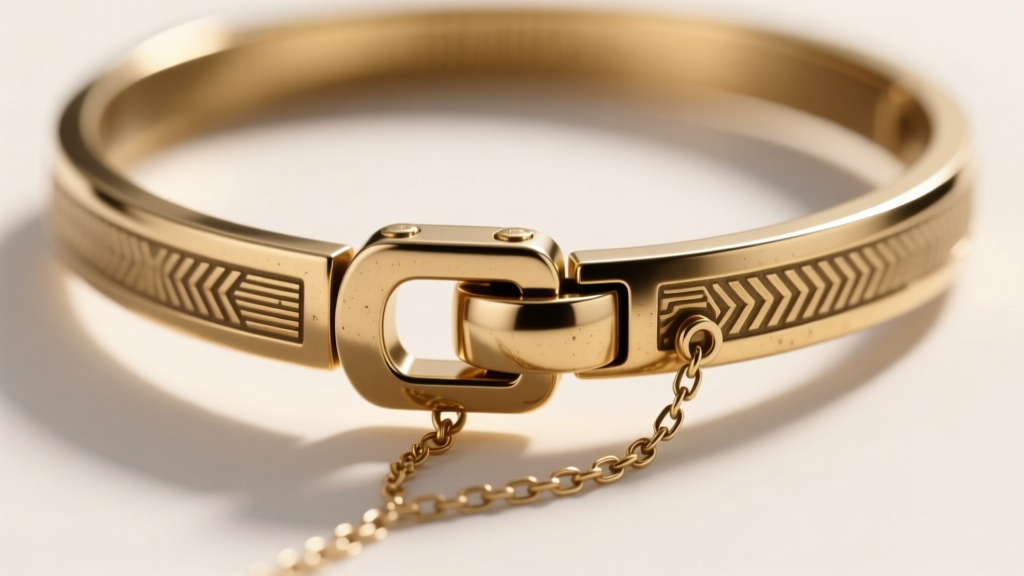
- Hinge and Pin Closures: Found in fine jewelry and high-end artisan pieces, a concealed hinge on one side and a secure locking pin on the other provides the most rigid, flush fit. This mechanism turns the necklace into a solid, unbreakable ring when worn.
- Safety Chains: Regardless of the primary clasp, a high-quality Egyptian collar necklace should feature a secondary safety chain. If the magnetic seal breaks or the pin slips, the safety chain prevents the heavy metal collar from falling to the floor and denting.

Pricing Tiers: What You Should Expect to Pay
Understanding the pricing landscape will help you identify whether a piece is priced fairly for its materials and construction complexity. Below is a breakdown of the current market tiers for Egyptian collar necklaces.
| Tier | Price Range | Base Metal & Finish | Construction & Inlays |
|---|---|---|---|
| Costume / Fashion | $40 - $90 | Brass or Zinc alloy with thin gold flash plating (under 1 micron). | Stamped solid metal, lightweight acrylic or glass 'gemstones', basic lobster clasp. High risk of flipping and tarnishing. |
| Demi-Fine / Artisan | $180 - $450 | Sterling silver base with 2.5+ micron gold vermeil or thick rhodium plating. | Articulated links or mesh backing, genuine turquoise/lapis or high-fire enamel, neodymium magnetic clasp with safety chain. |
| Fine / Museum Replica | $1,200 - $5,000+ | Solid 14k or 18k gold, or heavy oxidized sterling silver. | Custom-hinged construction, genuine faience or precision-cut semi-precious stones, integrated counterweights, heirloom durability. |
Styling and Neckline Pairings
Because the Egyptian collar necklace is inherently voluminous, it requires careful styling to avoid overwhelming your silhouette. The golden rule of wearing a broad collar is to let the jewelry serve as the absolute focal point of the outfit.
For the most flattering drape, pair the collar with deep V-necks, scoop necks, or strapless garments. These necklines expose the clavicle and upper chest, providing a bare canvas that allows the intricate metalwork and vibrant inlays of the Usekh design to stand out. Avoid wearing broad collars over turtlenecks, high collars, or heavily patterned fabrics, as the visual clutter will clash with the detailed geometry of the necklace. In a modern 2026 context, pairing a sleek, minimalist gold Egyptian collar with a tailored black blazer or a simple silk slip dress creates a striking juxtaposition of ancient opulence and contemporary minimalism.
By prioritizing structural integrity, verifying metal thickness, and ensuring proper weight distribution, you can confidently invest in an Egyptian collar necklace that is not only a stunning tribute to ancient artistry but also a comfortable, wearable masterpiece for your modern wardrobe.


