Egyptian Jade Necklace Buying Guide: What to Look For
Discover the gemological truth behind the Egyptian jade necklace. Learn how to identify serpentine, avoid fakes, and choose quality settings in our guide.

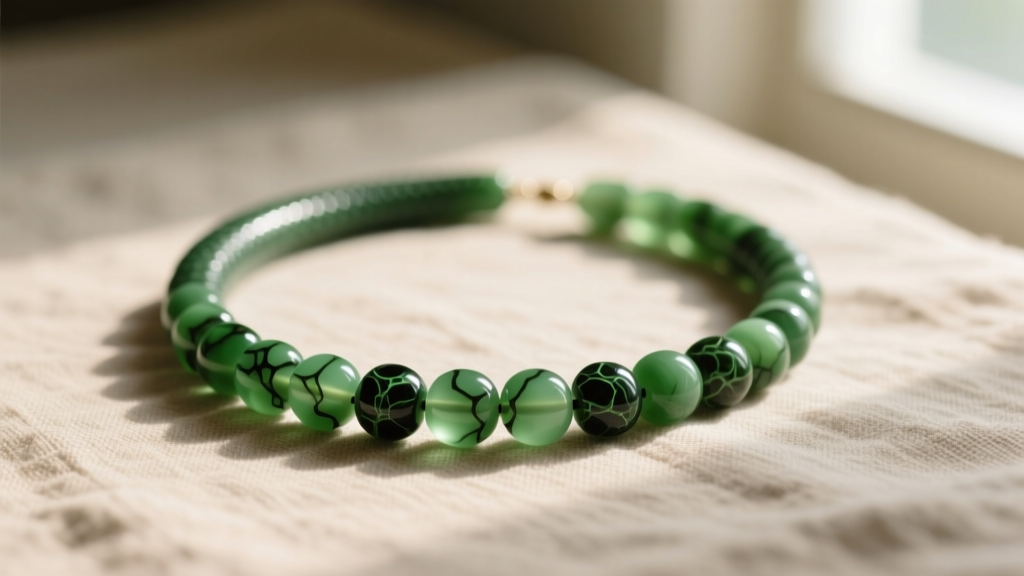
The allure of ancient Egyptian aesthetics combined with the lush, verdant appeal of green gemstones makes the Egyptian jade necklace a highly sought-after piece in the vintage and contemporary jewelry markets. However, navigating this specific niche requires a firm understanding of gemological terminology, historical context, and modern trade practices. If you are looking to purchase an Egyptian jade necklace, whether as a statement piece or a historical artifact, you must look past the marketing jargon and evaluate the stone, the craftsmanship, and the provenance.
This comprehensive buying guide will deconstruct what "Egyptian jade" actually is, how to evaluate its quality, and the specific red flags to avoid when making your purchase.
The Gemological Reality: What Exactly is "Egyptian Jade"?
To become an informed buyer, you must first understand a fundamental gemological fact: true jade is not native to Egypt. The Gemological Institute of America (GIA) strictly defines jade as either Jadeite (primarily sourced from Myanmar) or Nephrite (sourced from China, Canada, Russia, and New Zealand). Therefore, the term "Egyptian jade" is a commercial misnomer.
When you encounter an Egyptian jade necklace on the market today, it almost always falls into one of two categories:
- Modern Serpentine (Bowenite or Williamsite): In the modern gem trade, "Egyptian jade" is widely used as a trade name for high-quality green serpentine. Serpentine is a metamorphic mineral that visually mimics nephrite but possesses entirely different physical properties.
- Ancient Faience or Glazed Steatite: In the context of genuine antiquities, ancient Egyptians did not have access to jade. Instead, they carved amulets and beads from steatite (soapstone) and coated them in a copper-based green glaze (faience) to mimic the appearance of precious green stones.
"In ancient Egyptian culture, the color green (wadj) symbolized fertility, the papyrus marshes, and the life-giving Nile. Because true jade was geologically unavailable, artisans mastered the art of green faience and amazonite to capture this vital hue."
Visual and Physical Identifiers of Serpentine
Assuming you are shopping for a modern "Egyptian jade" necklace made of serpentine, you need to know how to evaluate the stone's quality. According to the Mindat mineralogical database, serpentine exhibits specific traits that distinguish it from true jadeite or nephrite.
Color and Matrix
High-quality serpentine beads should exhibit an even, apple-green to deep olive-green color. Unlike high-grade jadeite, which can be highly translucent, serpentine is generally semi-translucent to opaque. Look for the presence of a black matrix—these are inclusions of magnetite or chromite. While heavy black spotting can lower the value, a delicate, web-like matrix is often prized for adding character and proving the stone's natural, untreated origin.
Luster and the "Waxy" Feel
True nephrite has a greasy luster, while jadeite is vitreous (glassy). Polished serpentine, however, typically displays a distinct waxy to resinous luster. When you run your fingers over a high-quality serpentine bead, it should feel smooth and slightly soapy, never glassy or overly reflective.
Gemological Comparison Chart
To ensure you are not being overcharged for a misidentified stone, use this comparative framework when evaluating a potential purchase. Unscrupulous sellers may attempt to price serpentine as if it were Imperial Jadeite.
| Property | Serpentine ("Egyptian Jade") | Nephrite (True Jade) | Jadeite (True Jade) |
|---|---|---|---|
| Mohs Hardness | 2.5 - 5.5 (Soft) | 6.0 - 6.5 (Tough) | 6.5 - 7.0 (Hard) |
| Specific Gravity (Heft) | 2.57 (Feels lighter) | 2.95 (Feels heavy) | 3.33 (Feels very heavy) |
| Refractive Index | 1.56 - 1.57 | 1.60 - 1.63 | 1.66 - 1.68 |
| Typical Market Value | $30 - $250 (Necklace) | $150 - $2,000+ (Necklace) | $500 - $100,000+ (Necklace) |
Pro-Tip: The "Heft Test" is invaluable here. Because serpentine has a much lower specific gravity than true jade, a large serpentine bead necklace will feel surprisingly light in the hand compared to a similarly sized nephrite or jadeite strand.
Evaluating Craftsmanship: Stringing and Hardware
The most critical failure mode for any serpentine necklace is structural damage caused by poor stringing and inappropriate hardware. Because serpentine can drop as low as 2.5 on the Mohs hardness scale (especially in its softer antigorite forms), it is highly susceptible to abrasion and chipping.
The Dangers of Wire Stringing
Avoid Egyptian jade necklaces strung on bare stainless steel or copper wire. Over time, the friction of the metal wire against the soft stone will act like a saw, slowly cutting through the bead holes and causing the necklace to snap. Furthermore, if the necklace features a heavy metal clasp that swings freely and strikes the beads, it will leave permanent scratches and dents.
What to Look For Instead
- Hand-Knotted Silk or Nylon: The gold standard for serpentine bead necklaces is individual knotting between each bead. This prevents bead-on-bead abrasion and ensures that if the strand breaks, you only lose one bead.
- French Wire (Gimp) Protection: Check the ends of the necklace near the clasp. High-quality jewelers will use a tiny coiled metal wire (French wire) or a synthetic guard to protect the soft stone hole from being worn away by the metal clasp jump ring.
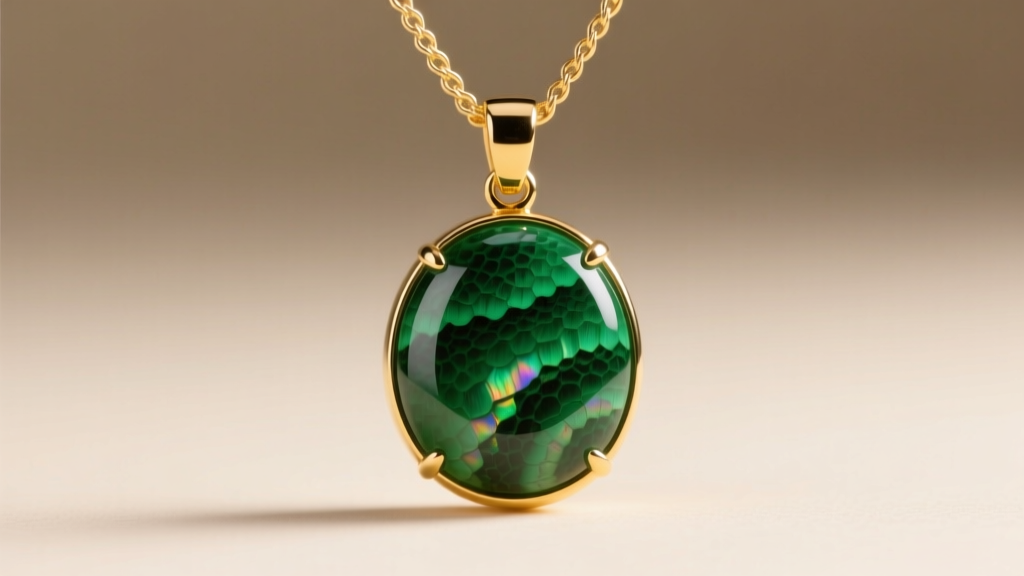
- Bezel Settings for Pendants: If your necklace features a carved serpentine pendant, ensure it is set in a bezel (a rim of metal encircling the stone) rather than prongs. Prongs require tight pressure that can easily fracture soft serpentine, and they leave the edges of the stone exposed to chipping against doorframes and desks.
Market Pricing and Red Flags
Understanding the pricing tiers of the Egyptian jade necklace market will protect you from common scams. The Gemological Institute of America (GIA) notes that serpentine is an abundant mineral, meaning its value lies in the artistry of the carving and the quality of the stringing, not the rarity of the rough material.
| Necklace Type | Fair Market Price Range | Red Flags to Avoid |
|---|---|---|
| Simple Bead Strand (8mm-10mm) | $40 - $120 | Priced over $300; claims of "Type A Jadeite". |
| Carved Pendant on Gold Chain | $150 - $450 (depending on gold weight) | Prong settings; glued-on bails instead of soldered. |
| Verified Ancient Faience Amulet | $800 - $3,500+ | No provenance or COA; perfectly uniform modern glaze. |
Major Red Flag: If a seller claims their "Egyptian Jade" is certified Type A Jadeite mined in Egypt, walk away immediately. This is geologically impossible and indicates a profound lack of gemological knowledge or an intentional attempt to defraud the buyer.
Care and Maintenance Protocols
Owning a serpentine necklace requires a gentler approach to maintenance than owning diamond or sapphire jewelry. The chemical and physical vulnerabilities of the stone dictate strict care routines.
- Ban the Ultrasonic Cleaner: Never place a serpentine necklace in an ultrasonic jewelry cleaner. The high-frequency vibrations can easily shatter the stone, especially if it contains natural internal fractures or black magnetite inclusions that expand at different rates.
- Avoid Harsh Chemicals: Serpentine is sensitive to acids. Household cleaners, perfumes, and even prolonged exposure to acidic sweat can dull the waxy polish of the stone, leaving it looking chalky and lifeless.
- The Soapy Soak Method: To clean your necklace, use lukewarm water and a few drops of mild, pH-neutral dish soap. Gently agitate the water, use a baby-soft toothbrush to lightly sweep the bead holes, and immediately pat dry with a microfiber cloth.
- Storage Isolation: Because serpentine is easily scratched by quartz (dust), topaz, and diamonds, always store your Egyptian jade necklace in a dedicated fabric-lined pouch or a separate compartment in your jewelry box.
Final Verdict: Is an Egyptian Jade Necklace Right for You?
An Egyptian jade necklace is a phenomenal purchase for collectors who appreciate rich, earthy greens, historical aesthetics, and unique mineralogical stories. By recognizing that you are likely purchasing high-grade serpentine rather than true jade, you can accurately assess the value, demand superior stringing techniques, and negotiate a fair price. Armed with the knowledge of its waxy luster, lower specific gravity, and need for protective bezels, you are now fully equipped to add a stunning, historically evocative green gemstone to your permanent collection.


