2026 Gift Guide: The Emerald Necklace Park Botanical Trend
Discover the 2026 emerald necklace park botanical trend. Our expert gift guide covers occasion matching, gem grades, and vine-set styling.

The Architecture of the Emerald Necklace Park Aesthetic
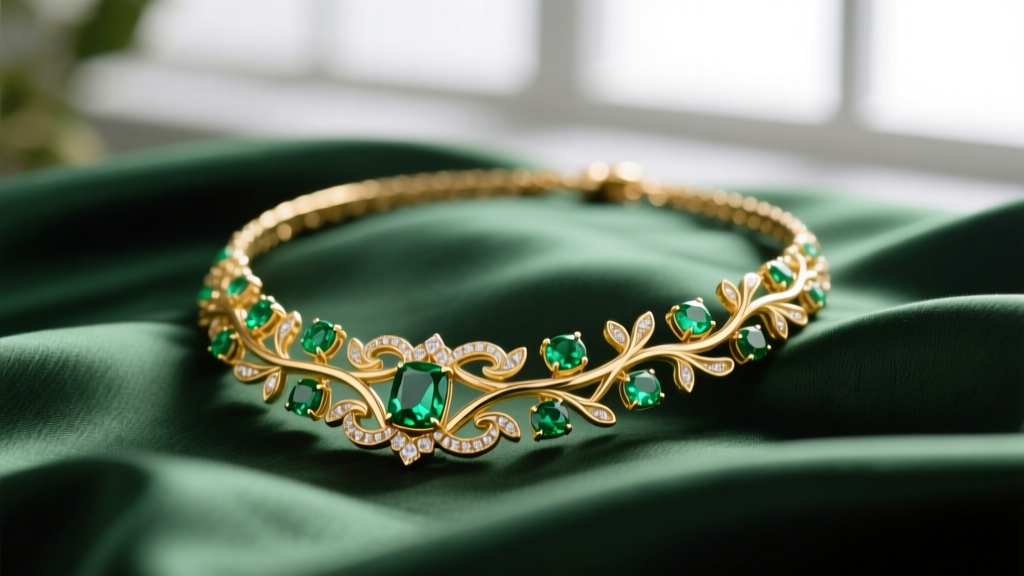
When curating a luxury gift for a nature enthusiast or a lover of intricate metalwork, the emerald necklace park aesthetic has emerged as a defining jewelry trend for 2026. Inspired by the sprawling, interconnected botanical landscapes of historic urban park systems, this design philosophy moves away from rigid, geometric settings. Instead, it embraces organic, vine-wrapped bezels, cascading leaf motifs, and asymmetrical gold foliage that cradles the emerald as if it were discovered deep within a lush forest.
Crafting an authentic emerald necklace park piece requires master-level lost-wax casting. Jewelers typically utilize 18k yellow gold (75% pure gold, alloyed with copper and silver) because its warm, rich undertone perfectly mimics the color of sunlit bark and autumn leaves, providing a striking contrast to the cool, vivid green of the emerald. Unlike standard prong settings that expose the gem's girdle, the botanical park motif often employs a "vine-wrapped" semi-bezel. This not only secures the notoriously brittle Type III gemstone but also integrates the metalwork into the stone's natural narrative.
Metal Pairings and Chain Selection
The pendant is only half the equation. To maintain the organic flow of the emerald necklace park style, the chain must be carefully selected. Avoid heavy, rigid chains like cuban links or complex rope chains, which can snag on the delicate gold leaf accents. Instead, opt for a 1.2mm to 1.5mm wheat chain or a classic 1.0mm cable chain in 18k gold. These chains offer fluid drape and tensile strength without visually competing with the intricate pendant.
Occasion Matching: When to Gift Botanical Emeralds
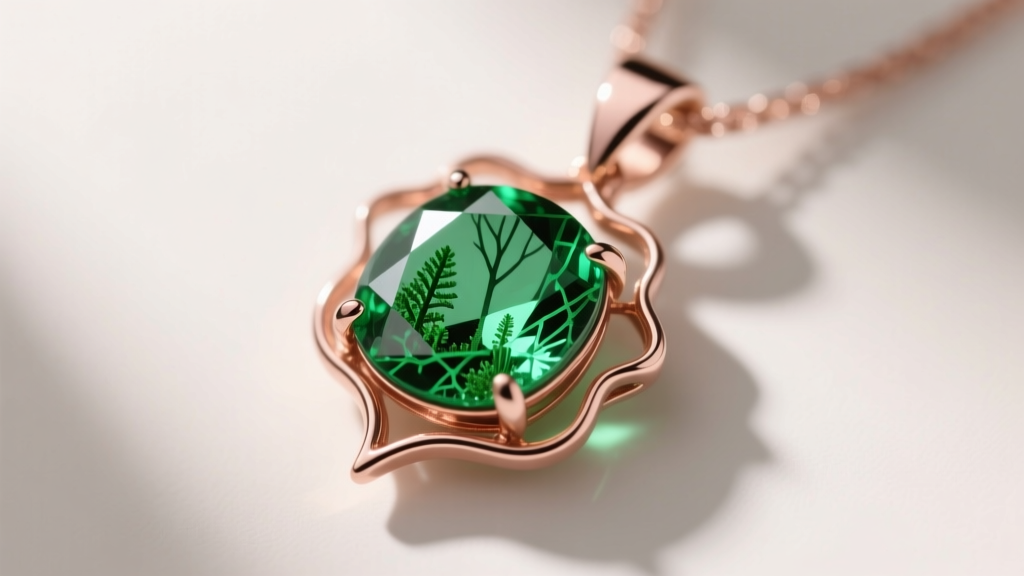
Gifting an emerald is a significant gesture, but the botanical "park" motif adds a layer of specific symbolism—representing growth, deep roots, and flourishing life. Here is a strategic framework for matching this specific necklace style to the right occasion:
- The 55th Wedding Anniversary: According to Jewelers of America, the emerald is the traditional gift for the 55th milestone. The intertwined vine motifs of the park aesthetic perfectly symbolize a marriage that has grown and adapted over more than half a century.
- May Birthdays & Milestone Graduations: Green is the universal color of new beginnings and vitality. For a May-born graduate entering a new phase of life, a botanical emerald pendant serves as a grounding talisman.
- "Push" Presents & Motherhood: The lush, life-affirming imagery of leaves and vines makes this an incredibly thoughtful push present, symbolizing the blossoming of a new family branch.
- The Nature-Loving Partner: For the partner who prefers hiking trails to red carpets, the organic, unpolished feel of the vine-set emerald offers luxury that aligns with an earthy, grounded lifestyle.
Gemological Deep Dive: The "Jardin" Within
To truly appreciate the emerald necklace park aesthetic, one must understand the gemological concept of the jardin (French for garden). Emeralds are beryl crystals colored by trace amounts of chromium and vanadium. They are classified by the GIA as Type III gemstones, meaning they are almost always expected to have visible inclusions.
Rather than viewing these inclusions as flaws, gemologists and designers celebrate them as the stone's internal "garden" or "park." Liquid inclusions, three-phase inclusions (liquid, gas, and solid crystals), and jagged internal fractures create a microscopic landscape inside the gem. When you gift an emerald necklace park pendant, you are gifting a stone that literally contains its own hidden, natural park within its crystal lattice. For a comprehensive breakdown of clarity expectations, refer to GIA's Emerald Quality Factors.
Origin Comparison & Pricing Framework (2026 Market)
The origin of the emerald drastically alters both the color profile and the price point. Below is a buying matrix for a 1.50-carat to 2.00-carat center stone set in an 18k gold botanical vine motif:
| Origin / Type | Color Profile & Clarity | Treatment Standard | Estimated Price Range (Set) |
|---|---|---|---|
| Colombian (Muzo) | Warm, vivid, saturated green; prominent jardin | Minor Cedar Oil | $8,500 – $18,000+ |
| Zambian (Kagem) | Cool, bluish-green; higher clarity, less jardin | Minor to Moderate Oil | $3,200 – $6,500 |
| Brazilian (Santa Terezinha) | Lighter, yellowish-green; highly included | Moderate Oil / Resin | $1,800 – $3,500 |
| Lab-Grown (Hydrothermal) | Highly saturated, flawless to VVS clarity | None (Opticon/Oil optional) | $900 – $2,200 |
Layering Techniques for the Botanical Pendant
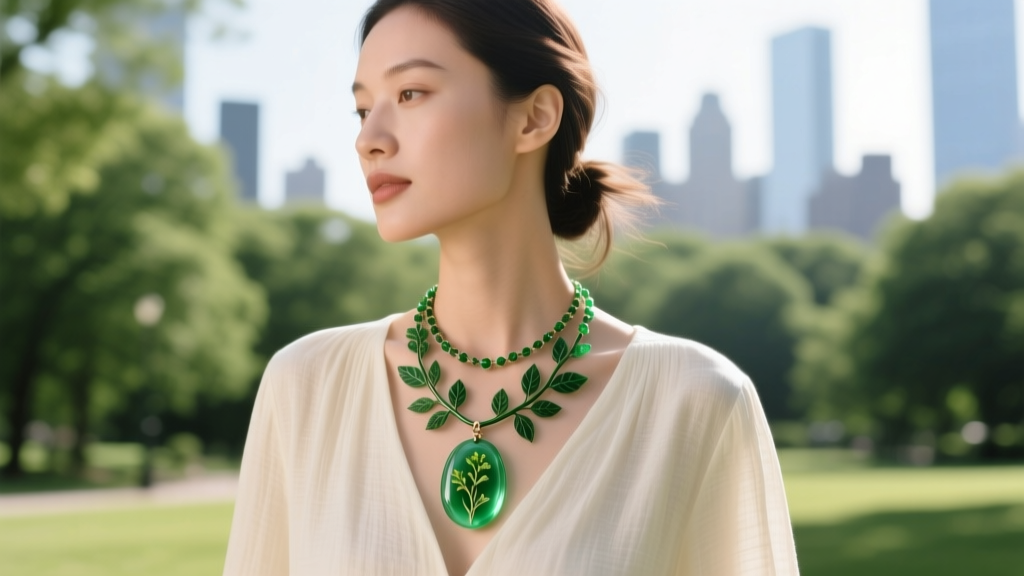
The emerald necklace park pendant is inherently a statement piece, but it can be integrated into a modern layered stack if balanced correctly. The key to layering organic, asymmetrical pendants is to anchor them with minimalist, geometric counterparts.
The 3-Point Layering Rule:
- The Anchor (16 inches): Start with a simple 16-inch 14k gold snake chain featuring a tiny, 2mm bezel-set diamond solitaire. This catches the light near the collarbone without adding visual clutter.
- The Focal Point (18 inches): The emerald necklace park pendant should sit at 18 inches, allowing the vine motifs to rest comfortably on the upper sternum, avoiding the collarbone which can cause the pendant to flip.
- The Extension (22 inches): Finish with a 22-inch delicate link chain featuring a small, textured gold botanical charm (like a simple acorn or leaf) without any gemstones. This draws the eye downward and elongates the neckline.
Expert Care & Maintenance Protocol
Gifting an emerald requires educating the recipient on its unique vulnerabilities. Because the emerald necklace park design features intricate gold vines that wrap closely around the stone, dirt and skin oils can easily accumulate in the crevices, dulling the gem's brilliance.
Expert Warning: Never place an oiled emerald in an ultrasonic cleaner or use steam. The high-frequency vibrations can shatter the stone along its internal fracture lines, and the heat will boil out the cedar oil, leaving the gem looking cloudy and white-fractured.
The Safe Cleaning Method: Mix a few drops of pH-neutral dish soap in lukewarm (never hot) water. Use a baby-soft toothbrush to gently sweep the bristles under the vine settings and behind the emerald's pavilion. Rinse with distilled water and pat dry with a microfiber cloth. If the stone begins to look opaque or chalky after a few years, take it to a certified gemologist for a professional re-oiling treatment to restore its luster and structural stability.


