Hawaiian Lei Necklace Repair: Fix Shells & Kukui Nuts
Troubleshoot common issues with your Hawaiian lei necklace. Learn expert repair, restringing, and care tips for Ni'ihau shells and Kukui nuts.

The Anatomy of a Hawaiian Lei Necklace: Why They Fail
When jewelry enthusiasts refer to a Hawaiian lei necklace, they are rarely talking about the perishable floral garlands handed out at airports. In the realm of fine and artisan jewelry, this term encompasses meticulously crafted strands of Ni'ihau shells, polished Kukui nuts, and genuine puka shells. As of 2026, the market for authentic Hawaiian organic jewelry continues to surge, but these natural materials present unique structural vulnerabilities. Unlike gold or platinum, organic leis react aggressively to environmental shifts, body chemistry, and improper storage.
The most frequent failure modes include thread degradation in multi-strand shell leis, humidity-induced cracking in Kukui nuts, and hardware failure under the weight of dense puka strands. Troubleshooting these issues requires an understanding of material science and traditional Polynesian crafting techniques adapted for modern wear. Below, we break down the exact repair protocols for the three most common types of Hawaiian lei necklaces.
Troubleshooting Ni'ihau Shell Leis: Breakage & Fading
Ni'ihau shell leis are the pinnacle of Hawaiian jewelry, often commanding prices from $500 to over $10,000 depending on the shell type (kahelelani, laiki, or kamoa) and the number of strands. The primary point of failure is the stringing material.
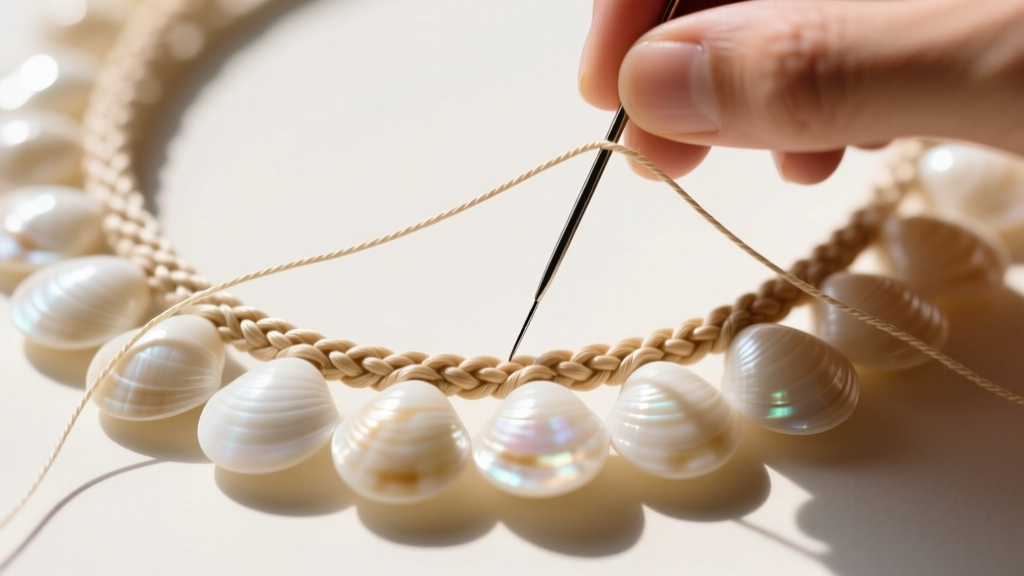
Restringing Protocol: Thread Gauge & Knotting
Historically, these leis were strung on natural fibers or silk. However, silk is a protein-based fiber that rapidly degrades when exposed to the acidity of human sweat and high humidity. If your vintage or heirloom Ni'ihau lei is snapping, it is likely suffering from silk rot.
- Material Selection: Discard silk entirely. According to technical guidelines from Fire Mountain Gems, modern restringing requires gel-spun polyethylene (GSP) or high-tenacity braided nylon threads.
- Gauge Sizing: For tiny kahelelani shells, use a 0.20mm to 0.25mm thread. For larger kamoa or laiki shells, step up to a 0.35mm to 0.40mm braided nylon.
- Knotting Technique: Do not use standard overhand knots. Use a double surgeon's knot between every cluster of 3 to 5 shells. This prevents total strand loss if a single knot fails and stops the shells from grinding against one another, which chips their delicate apertures.
Spotting Fakes and Diagnosing Color Loss
If your colorful kahelelani shells are fading or looking uniformly dyed, you may have purchased treated or counterfeit shells. The Gemological Institute of America (GIA) notes that genuine Ni'ihau shells possess a natural, subtle gradient and specific aperture shapes that mass-produced dyed howlite or plastic cannot replicate. True color loss in authentic shells is usually caused by prolonged UV exposure or contact with chlorine. While you cannot reverse UV bleaching, you can restore luster by gently wiping the shells with a microfiber cloth dampened with a tiny drop of mineral oil—never use chemical jewelry dips, which will dissolve the calcium carbonate structure.
Kukui Nut Lei Restoration: Fixing Cracks & Dullness
Kukui nut leis, carved from the candlenut tree, are prized for their deep, glass-like polish. However, when worn outside of Hawaii's humid tropical climate—particularly in mainland winters with indoor central heating—the nuts lose moisture and develop micro-fractures or catastrophic splits.
The Tung Oil vs. Polyurethane Debate
Many commercial Kukui leis are coated in thick polyurethane to create a cheap, instant shine. Over time, this plastic coating yellows, peels, and traps moisture, leading to rot underneath. True restoration requires stripping the synthetic coating and penetrating the wood grain.
- Stripping: Use a gentle citrus-based solvent to remove flaking polyurethane. Avoid harsh acetone, which can dry out the nut's natural oils.
- Sanding: Wet-sand the nuts progressively through 800, 1500, and 2000-grit sandpaper. This burnishes the natural wood surface without removing too much material.
- Oiling: Apply 100% pure tung oil. Warning: Do not use "boiled" linseed oil or commercial "tung oil finishes" from hardware stores, as these contain toxic metallic driers and varnishes. Pure tung oil polymerizes naturally, creating a waterproof, flexible seal that moves with the wood as humidity fluctuates.
- Curing: Allow 48 hours between coats. A proper restoration requires 3 to 4 thin coats.
Puka Shell Leis: Untangling & Hardware Failures
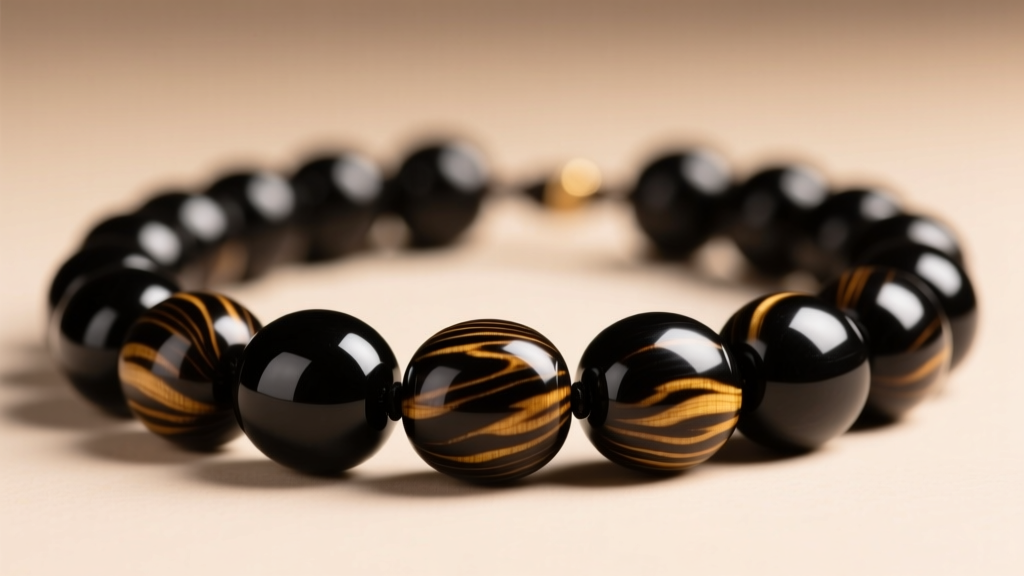
Genuine puka shells (the naturally occurring apex of the cone snail) are thicker and heavier than mass-produced chip shells. A multi-strand puka Hawaiian lei necklace can easily exceed 150 grams. The most common troubleshooting issue here is clasp failure and severe tangling.
Upgrading the Clasp and Wire
Standard lobster clasps and spring rings are insufficient for heavy puka leis; the jump rings pull apart under the dynamic weight of the necklace.
The Fix: Replace the hardware with a solid-cast toggle clasp or a locking lobster clasp rated for at least 30 lbs of tensile strength. Furthermore, if your puka lei is strung on thread, it will stretch and tangle. Re-string heavy puka shells onto 0.018-inch (0.45mm) nylon-coated stainless steel beading wire, securing the ends with 2x2mm sterling silver crimp beads crushed with a micro-crimping tool.
Troubleshooting Matrix: Quick Diagnostic Guide
Use this decision framework to quickly identify and resolve the most common issues affecting your organic Hawaiian jewelry.
| Symptom | Material Affected | Root Cause | Actionable Solution |
|---|---|---|---|
| Sudden strand snap | Ni'ihau Shell | Silk thread rot from sweat/humidity | Restring using 0.30mm braided nylon with surgeon's knots |
| Chipped shell edges | Ni'ihau / Puka | Shells grinding together without knot buffers | Add micro-knots or 1mm silicone spacer beads between shells |
| Surface cracking | Kukui Nut | Low ambient humidity (under 30% RH) | Sand lightly and apply 3 coats of 100% pure tung oil |
| Clasp pulling open | Puka Shell | Dynamic weight exceeding spring ring tensile limit | Upgrade to a solid-cast toggle or locking lobster clasp |
| Chalky white residue | All Organic Shells | Chemical reaction to sunscreen or lotions | Wipe with distilled water; avoid chemical ultrasonic cleaners |
Preventative Maintenance & Expert Insights
Preserving a Hawaiian lei necklace is an ongoing practice of environmental management. The Bernice Pauahi Bishop Museum in Honolulu, which houses some of the oldest and most significant Hawaiian cultural artifacts, emphasizes that organic materials require stable environments. For long-term storage, never leave your lei in a sealed plastic bag, which traps moisture and promotes mold on Kukui nuts and thread. Instead, store the necklace flat in a breathable cotton pouch with a small silica gel desiccant packet to maintain a stable 45-55% relative humidity.
"The longevity of a Ni'ihau shell lei is entirely dependent on the stringing architecture. A master stringer doesn't just thread the shells; they engineer a flexible suspension system that absorbs the shock of movement, protecting both the calcium carbonate shells and the thread itself."
By diagnosing the specific failure points of your materials and upgrading to modern, high-tenacity stringing supplies, you can ensure your Hawaiian lei necklace remains a durable, wearable piece of history rather than a fragile relic confined to a display case.


