Fix a Cloudy Blue Glass Heart Necklace: Expert Guide
Learn how to clean, repair, and restore a cloudy blue glass heart necklace. Expert troubleshooting for glass scratches, bail repairs, and chain tarnish.

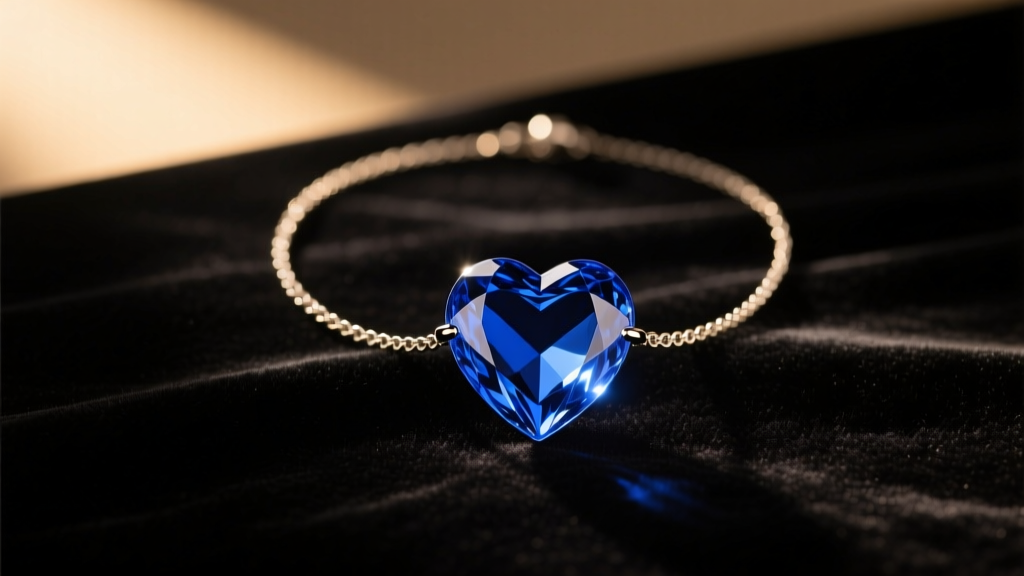
The Anatomy of a Blue Glass Heart Necklace
The blue glass heart necklace is a timeless jewelry staple, beloved for its versatility and romantic silhouette. Whether you own a vintage Murano piece, a modern dichroic art glass pendant, or a simple pressed cobalt charm, glass jewelry requires specialized care. Unlike crystalline gemstones such as sapphire or diamond, glass is an amorphous solid. This unique molecular structure makes it susceptible to specific failure modes, including surface cloudiness, micro-scratching, and adhesive degradation at the bail. According to the GIA Gem Encyclopedia, most jewelry glass sits between 5.5 and 6.5 on the Mohs hardness scale, meaning it can easily be scratched by airborne quartz dust or damaged by harsh chemical cleaners. In this comprehensive troubleshooting guide, we will diagnose the most common issues plaguing your blue glass heart necklace and provide professional, step-by-step restoration protocols.
Diagnosing the Damage: Why Your Glass Looks Cloudy
When a once-vibrant blue glass heart pendant loses its luster, the culprit is rarely the glass itself degrading. Instead, cloudiness is usually a surface-level issue caused by environmental factors. Identifying the exact cause is critical, as using the wrong cleaning method can permanently etch the glass or ruin delicate foil backings.
Common Causes of Cloudiness
- Hard Water Stains: Calcium and magnesium deposits from tap water leave a stubborn, chalky white film. This is common if the necklace is worn in the shower or cleaned with unfiltered water.
- Sebum and Cosmetic Buildup: Lotions, perfumes, and natural skin oils create a hazy, greasy film that traps dirt and dulls the light refraction of the blue glass.
- Chemical Etching: Prolonged exposure to alkaline substances (like certain dish soaps or ammonia-based glass cleaners) can actually leach the alkali metals out of the glass matrix, leaving a permanent, iridescent white crust known as 'crizzling'.
- Foil-Backing Oxidation: If your blue glass heart is foil-backed to enhance its color, moisture trapped behind the glass can cause the metallic foil to oxidize, appearing as dark or cloudy patches from the front.
Step-by-Step Glass Restoration Protocol
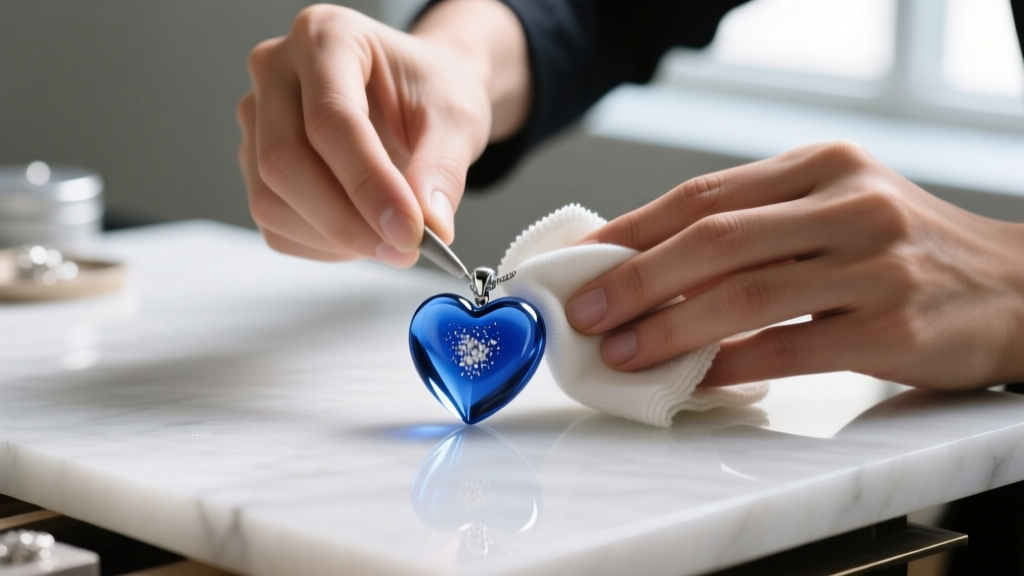
Once you have identified the cause of the cloudiness, you can proceed with the appropriate restoration technique. Always remove the glass heart from its metal chain before deep cleaning to prevent chemical damage to the chain's plating or patina.
Level 1: Gentle Degreasing (For Sebum and Cosmetics)
For standard buildup, avoid commercial jewelry dips. Instead, create a mild, pH-neutral bath. Mix three drops of mild, phosphate-free dish soap (like Dawn) into a bowl of lukewarm distilled water. Submerge the glass heart for exactly five minutes. Use a pristine, ultra-soft baby toothbrush to gently agitate the crevices near the bail. Rinse thoroughly with distilled water and dry immediately with a lint-free microfiber cloth to prevent water spots.
Level 2: Hard Water Descaling
If distilled water and soap fail, the cloudiness is likely mineral-based. Mix a solution of 50% white vinegar and 50% distilled water. Soak the glass heart for no more than three minutes. The mild acetic acid will dissolve the calcium carbonate deposits without harming the glass matrix. Warning: Do not use this method if you suspect your pendant is foil-backed or has a painted finish, as the acid can seep into micro-fractures and destroy the backing.
Level 3: Polishing Micro-Scratches
If the glass feels rough or looks cloudy even after deep cleaning, it likely suffers from micro-scratches. To restore optical clarity, you need a specialized abrasive. Cerium oxide powder, mixed with a few drops of water to form a slurry, is the industry standard for glass polishing. Apply the slurry with a felt polishing bob attached to a rotary tool set to a low speed (under 500 RPM). Keep the glass moving to prevent heat buildup, which can cause thermal shock and shatter the heart.
Troubleshooting Hardware Failures: Bails and Jump Rings
The most catastrophic failure point for any blue glass heart necklace is the bail—the metal loop that connects the glass to the chain. Glass hearts typically feature either a glued-on metal pad bail or a wire-wrapped top. Glued bails are notorious for snapping off when the necklace is snagged on clothing.
Reattaching a Dropped Glass Heart
If your glass heart has detached from its bail, do not reach for standard super glue (cyanoacrylate). Super glue cures brittle, has poor shear strength, and will eventually fail when exposed to skin oils. Furthermore, it can leave a stubborn white residue on the glass. According to the Rio Grande Adhesives Guide, jewelers rely on specific flexible epoxies or UV resins for glass-to-metal bonding.
| Adhesive Type | Best Application | Cure Time | Pros & Cons |
|---|---|---|---|
| Two-Part Epoxy (e.g., Loctite EA 3430) | Heavy glass hearts, flat metal pad bails | 5-10 mins (Full cure 24h) | Pros: Extremely strong, gap-filling. Cons: Can yellow over time if exposed to UV. |
| UV Jewelry Resin | Small pendants, wire-wrapping seals | 30-60 seconds (under UV lamp) | Pros: Crystal clear, instant cure. Cons: Brittle, requires UV light to set. |
| E6000 Jewelry & Bead | Flexible settings, uneven glass surfaces | 10 mins (Full cure 72h) | Pros: Highly flexible, shock-absorbent. Cons: Stringy application, strong fumes. |
Preparation is key: Before applying any adhesive, you must remove all old glue from both the glass and the metal bail. Use a wooden toothpick dipped in acetone to gently scrape away the old residue. Acetone is safe for solid glass but will melt plastic or resin faux-glass, so test a hidden area first. Lightly sand the metal pad of the bail with 600-grit sandpaper to create a mechanical tooth for the new adhesive to grip.
Chain Tarnish and Clasp Malfunctions
A pristine blue glass heart is easily overshadowed by a tarnished, kinked, or broken chain. The chain bears the brunt of environmental exposure and mechanical stress.
Sterling Silver vs. Gold-Filled Chains
If your necklace features a sterling silver chain, it will inevitably tarnish due to the copper alloy reacting with sulfur in the air and skin acids. Never use silver dip chemicals on a chain while the glass heart is attached; the harsh thiourea compounds in silver dips can etch the glass surface. Instead, use a dry, treated silver polishing cloth to gently buff the chain links. For gold-filled chains, tarnish is rare, but the outer layer of gold can wear away at the clasp and jump rings due to friction, exposing the brass core underneath, which will turn your skin green.
Fixing a Stiff Lobster Clasp
The lobster clasp is the standard for glass pendants due to its security. However, the internal steel spring can become clogged with lint, skin cells, and soap residue, causing the lever to stick or fail to close completely. To troubleshoot this, place a single drop of lightweight sewing machine oil or WD-40 Specialist Contact Cleaner onto the hinge pin of the clasp. Work the lever back and forth a dozen times to distribute the lubricant, then wipe the clasp thoroughly with a microfiber cloth to remove excess oil.
Preventative Storage and Wear Guidelines
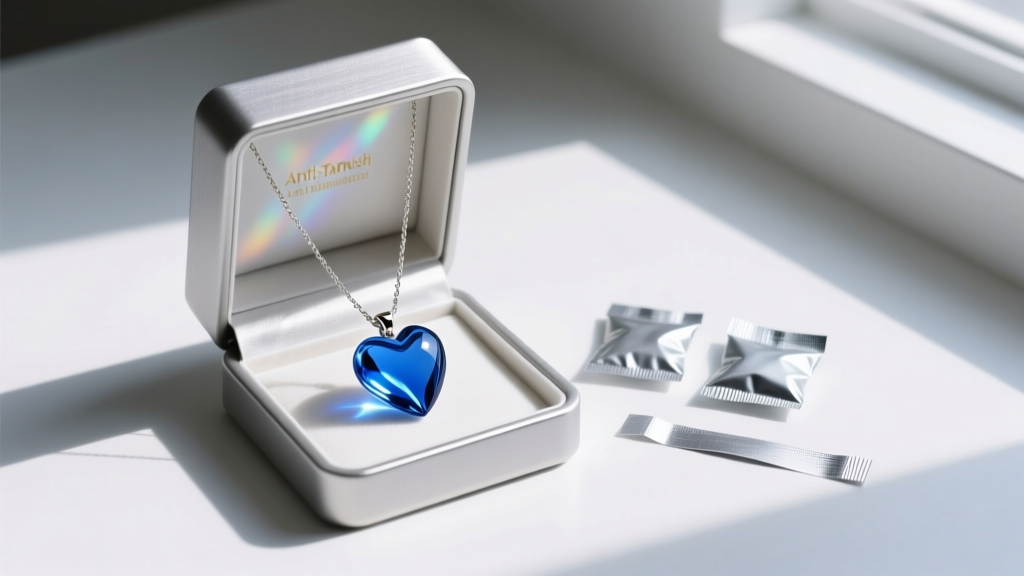
Troubleshooting is only half the battle; proper storage prevents the need for future repairs. Glass is highly susceptible to thermal shock and mechanical abrasion. Never store your blue glass heart necklace in a communal jewelry box where it can tumble against harder gemstones like diamonds, sapphires, or even quartz crystals, all of which will easily scratch the glass surface.
Store the necklace flat in a dedicated, anti-tarnish flannel pouch. Include a small silica gel desiccant packet and a 3M anti-tarnish strip inside the pouch to neutralize airborne sulfur and moisture. Finally, always adhere to the golden rule of jewelry wear: your blue glass heart necklace should be the last thing you put on when getting dressed, and the first thing you take off before showering, swimming, or applying cosmetics. By understanding the material science of glass and employing these targeted troubleshooting techniques, your pendant will maintain its brilliant blue clarity and structural integrity for decades to come.


