J Crew Statement Necklace Repair: Stop Flipping & Tarnish
Stop your J Crew statement necklace from flipping and tarnishing. Expert fixes for heavy pendants, weak clasps, and base metal skin reactions.

The Anatomy of a J Crew Statement Necklace (And Why It Fails)
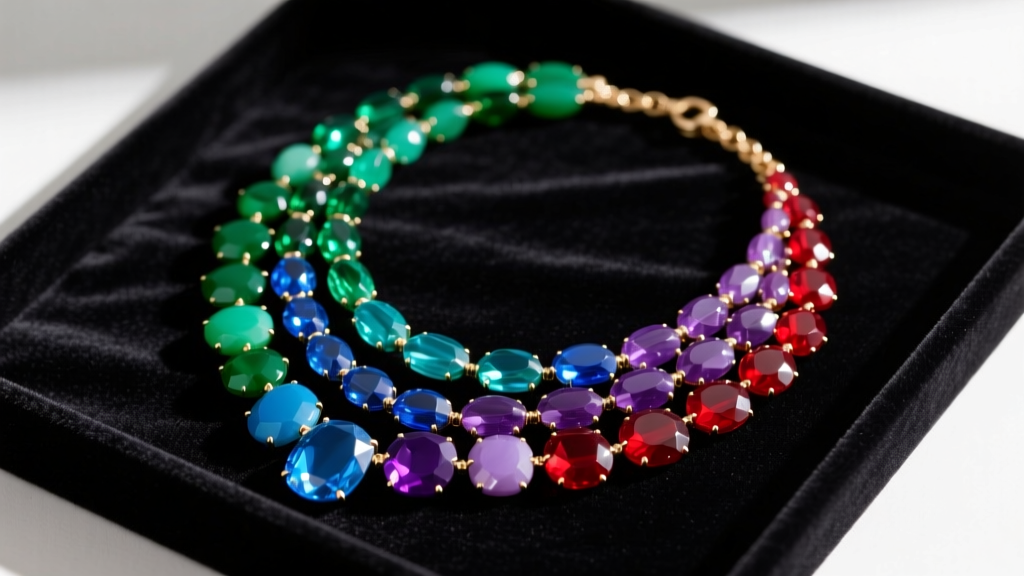
J.Crew has built a legacy on bold, maximalist jewelry. From the iconic Maja crystal collars to heavy enamel floral bibs and multi-strand resin necklaces, a J Crew statement necklace is a staple in many wardrobes. However, because these pieces are primarily fashion jewelry rather than fine jewelry, they are constructed with specific manufacturing shortcuts that lead to predictable failures. The base materials typically involve zinc alloy or brass castings, plated with thin layers of gold or silver-tone metals, and accented with glass, acrylic, or epoxy enamel.
While visually striking, this construction creates three major structural vulnerabilities: severe weight imbalances that cause the necklace to flip upside down, rapid hardware failure under heavy loads, and base metal exposure that leads to skin irritation. Troubleshooting these issues requires understanding the physics of how the necklace sits on the body and upgrading the components using fine jewelry techniques.
Troubleshooting the 'Pendulum Effect' (Necklace Flipping)
The most common complaint among wearers of heavy fashion jewelry is the 'pendulum effect.' This occurs when the center of gravity is heavily skewed toward the front of the piece. A typical J.Crew crystal bib necklace can weigh between 120 and 180 grams, while the accompanying brass chain might weigh less than 15 grams. As you move, the heavy front pulls downward, and the ultra-light chain slides frictionlessly against your skin or clothing, eventually causing the clasp to migrate to the front of your neck.
Fix 1: The Counterweight Method
To stop the chain from sliding forward, you must artificially increase the weight at the nape of the neck. You can achieve this by attaching a decorative counterweight charm to the chain, directly next to the clasp. Look for a solid brass or stainless steel fob, a heavy vintage coin pendant, or a specialized jewelry counterweight (often sold as 'necklace stays') that weighs at least 20 to 30 grams. This creates a fulcrum effect, anchoring the back of the necklace and keeping the heavy bib centered on your collarbone.
Fix 2: Increasing Chain Friction
If you prefer not to alter the chain's weight, you can increase friction. Slip a 2-inch piece of clear, medical-grade silicone tubing (available at craft stores) over the chain at the back of the neck. The silicone grips the skin and fabric, preventing the chain from sliding forward. Alternatively, applying a micro-thin layer of clear museum wax to the back links of the chain will create a tacky barrier that resists movement without damaging your clothing.
Solving Base Metal Skin Reactions & Tarnish
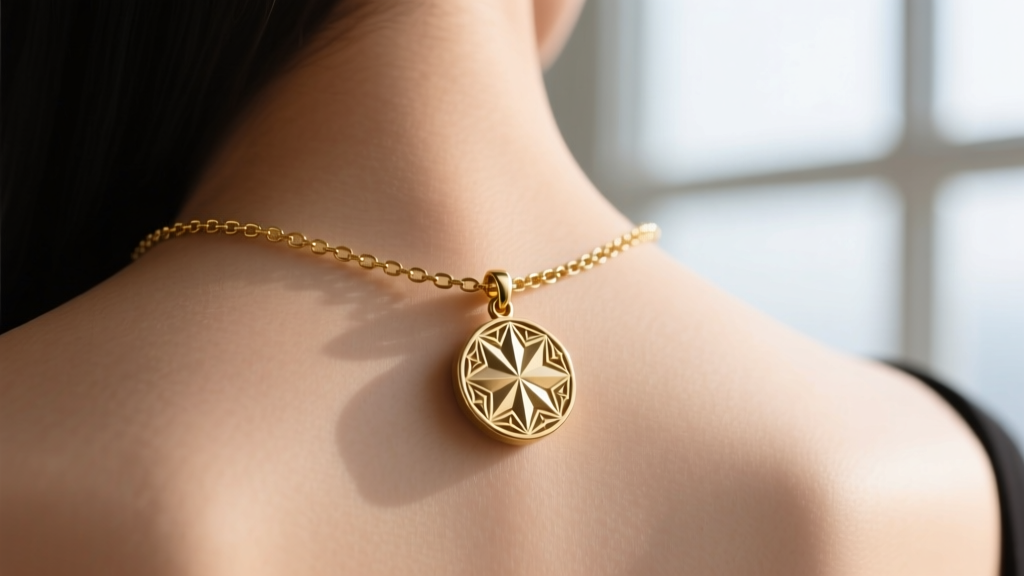
Because J.Crew necklaces are crafted from base metals like brass and zinc, they rely on a thin electroplated finish. Over time, friction, sweat, and cosmetic products wear away this plating, particularly at the nape of the neck and the underbelly of the bib. Once the base metal is exposed, two things happen: the piece tarnishes rapidly, and it can cause allergic contact dermatitis, often due to nickel or copper in the alloy.
According to the American Academy of Dermatology, nickel allergy is one of the most common causes of allergic contact dermatitis. If your skin turns green or develops a rash, the plating has failed.
The Protective Coating Solution
Do not rely on clear nail polish, which yellows, chips, and traps moisture against the metal. Instead, use professional-grade jewelry sealants. Before applying any sealant, clean the necklace thoroughly with isopropyl alcohol and let it dry completely.
| Coating Type | Durability | Best Use Case | Application Method |
|---|---|---|---|
| Everbrite ProtectaClear | High (1-2 Years) | Chain links, clasps, and backplates | Brush-on polyurethane coating |
| Renaissance Wax | Medium (3-6 Months) | Textured metal, enamel, and resin | Buff-on microcrystalline wax |
| Clear Nail Polish | Low (1-4 Weeks) | Emergency temporary fixes only | Paint-on lacquer |
For a permanent barrier, Everbrite ProtectaClear is the industry standard for sealing base metals. It cures to a hard, invisible, and hypoallergenic finish that completely blocks sweat from reaching the brass or zinc underneath.
Clasp and Jump Ring Failures Under Heavy Loads
Fashion jewelry manufacturers frequently use lightweight, unsoldered jump rings to attach the clasp and the pendant drops. A standard J.Crew jump ring is usually 22-gauge (0.64mm thick) or 20-gauge (0.81mm thick). When supporting a 150-gram necklace, the tension on these thin, unsoldered rings is immense. Over time, they pull apart, resulting in lost pendants or a broken chain.
Upgrading the Hardware
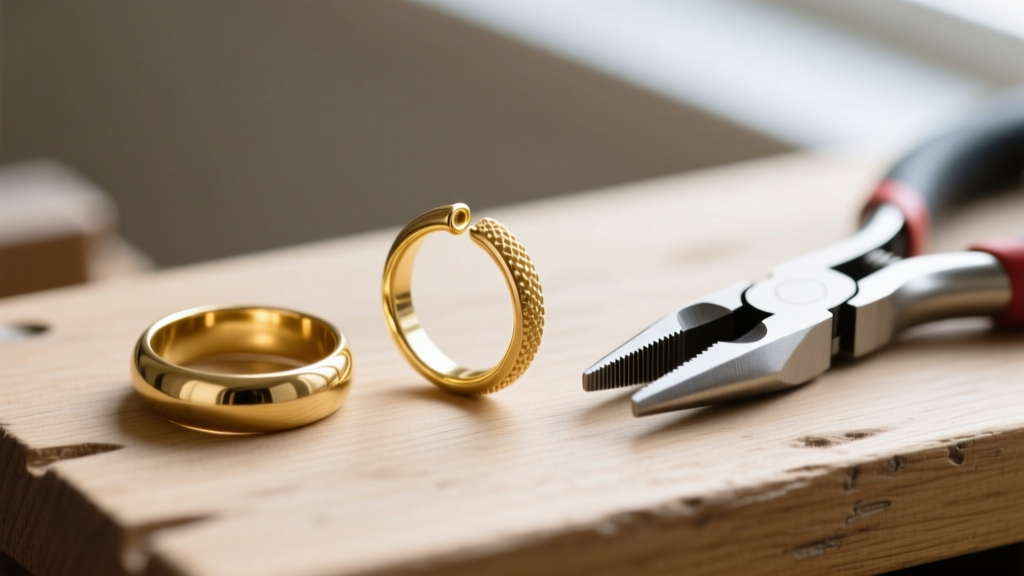
To secure your investment, you must upgrade the structural findings. Jewelry suppliers like Rio Grande provide heavy-duty findings that are essential for statement pieces.
- Upgrade Jump Rings: Replace all 22-gauge unsoldered rings with 18-gauge (1.02mm) or 16-gauge (1.29mm) soldered jump rings. Soldered rings are welded shut, meaning they cannot be pulled apart by the weight of the necklace.
- Upgrade the Clasp: The standard 10mm lobster clasp included with these necklaces is often too small and weak. Swap it for a 15mm heavy-duty trigger clasp, or better yet, a neodymium magnetic tube clasp. Magnetic clasps eliminate the need to fiddle with tiny lobster levers behind your neck and offer a secure, weight-bearing lock.
- Reinforce the Chain Ends: Ensure the chain is attached to the clasp using a folded-over wire loop or a heavy-duty soldered ring, rather than a simple split ring that can easily unhook.
Preventing Enamel Chipping and Resin Clouding
Many J.Crew statement pieces feature vibrant epoxy enamel or poured resin elements. These materials are highly susceptible to micro-fractures if dropped, and they can become cloudy when exposed to alcohol-based perfumes or hand sanitizers.
Expert Storage Tip: Never hang a heavy enamel or resin statement necklace on a standard jewelry tree. The sustained downward pull can warp the base metal over time, causing the rigid enamel to crack and pop out of its bezel. Always store these pieces flat in a lined jewelry box, fully extended, with acid-free tissue paper placed between the layers to prevent the metal from scratching the resin.
Summary Checklist for Statement Necklace Maintenance
By treating your fashion jewelry with the same structural respect as fine jewelry, you can extend its lifespan by decades. Keep this troubleshooting checklist in mind:
- Assess the Weight: If the necklace flips, add a 20g+ counterweight to the nape.
- Seal the Metal: Apply ProtectaClear to the chain and backplate before the first wear to prevent green skin.
- Swap the Rings: Replace 22-gauge split rings with 18-gauge soldered rings.
- Upgrade the Clasp: Install a heavy-duty magnetic or trigger clasp for security.
- Store Flat: Protect enamel and resin from warping and cracking by storing the piece horizontally.
A J Crew statement necklace is a wearable piece of art. With a few strategic, low-cost hardware upgrades and protective sealants, you can eliminate the frustrations of flipping chains and tarnished metals, allowing you to wear your favorite bold pieces with absolute confidence.


