Japan White Gold Necklace Troubleshooting: Tarnish & Authenticity
Learn how to troubleshoot your Japan white gold necklace. Expert fixes for rhodium wear, kinked chains, clasp failures, and verifying vintage hallmarks.

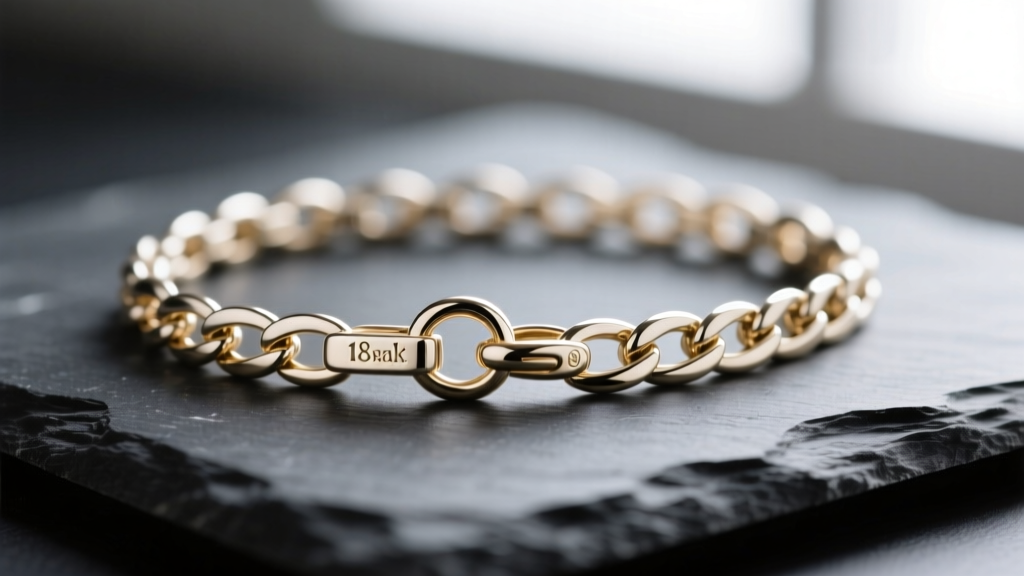
When you acquire a vintage or modern japan white gold necklace, you are investing in a piece of precision engineering and rich metallurgical history. Japanese jewelry manufacturing is globally renowned for its exacting standards, particularly in chain weaving and clasp mechanics. However, owning white gold comes with a unique set of maintenance challenges. Unlike yellow gold, white gold is an alloy that requires specific care to maintain its brilliant, silvery-white luster. Whether you are dealing with a yellowing pendant bail, a stubbornly stuck spring ring clasp, or confusion over cryptic hallmarks, this comprehensive troubleshooting guide will help you diagnose and resolve the most common issues associated with Japanese white gold necklaces.
The Unique Metallurgy of Japanese White Gold
To effectively troubleshoot your jewelry, you must first understand what it is made of. Pure 24K gold is naturally yellow. To create white gold, it is alloyed with white metals. Historically, Western manufacturers relied heavily on nickel to bleach the gold. However, due to strict contact dermatitis regulations and a cultural preference for hypoallergenic materials, Japanese jewelers have heavily favored palladium-rich alloys for their premium pieces.
A standard Japanese 18K white gold alloy typically consists of 75% pure gold, 15% to 20% palladium, and trace amounts of silver or copper. Palladium is a platinum-group metal that provides a naturally whiter base color than nickel, but it lowers the Vickers hardness (HV) of the metal. While a nickel-based 14K white gold might measure around 150 HV, a palladium-based 18K white gold often sits closer to 125 HV. This means your Japanese 18K necklace will be slightly softer, more ductile, and more prone to micro-scratches and clasp fatigue than its Western 14K counterparts.
Troubleshooting Yellowing and Rhodium Wear
The most frequent complaint among owners of a japan white gold necklace is the gradual yellowing of the metal, particularly around the pendant bail and the back of the chain where it rubs against the skin. This is not tarnish in the traditional sense; it is the depletion of the rhodium plating.
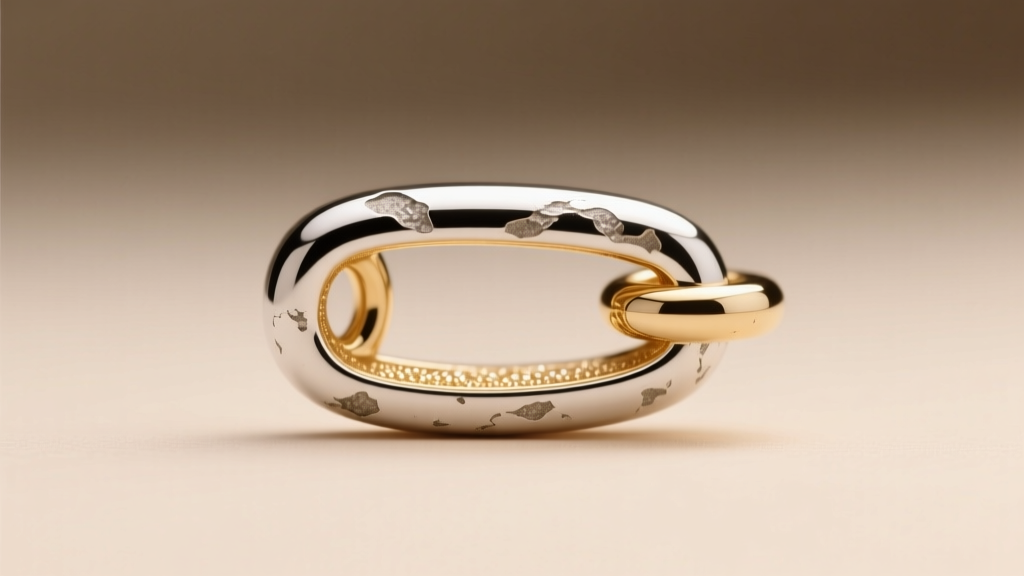
Because even palladium-alloyed white gold has a faint warm or grayish undertone, manufacturers electroplate the finished piece with rhodium, a highly reflective platinum-group metal. This plating is incredibly thin, typically ranging from 0.75 to 1.5 microns. Over time, friction, skin acidity, and exposure to cosmetics wear this layer away, revealing the true alloy underneath.
DIY vs. Professional Replating
- Polishing (The Wrong Fix): Many owners attempt to use silver polishing cloths or abrasive dips to 'clean' the yellowing. This actually accelerates the problem by stripping the remaining rhodium and scratching the softer 18K gold underneath.
- Ultrasonic Cleaning (For Maintenance): If the necklace is just dull, an ultrasonic cleaner with a mild, ammonia-free jewelry solution can remove trapped sebum and lotions without damaging the rhodium.
- Professional Replating (The Only Fix): To restore the brilliant white finish, the piece must be polished by a jeweler to remove scratches and then re-electroplated with rhodium. Expect to pay between $40 and $80 for this service, which should last 1 to 3 years depending on wear.
Decoding Japanese Hallmarks and Authenticity
Verifying the authenticity of your necklace is a critical troubleshooting step, especially for vintage pieces sourced from estate sales or international markets. According to the Federal Trade Commission (FTC) Jewelry Guides, gold markings must accurately reflect the purity of the alloy, but international vintage pieces can feature stamps that are confusing to the untrained eye. Japanese pieces are typically marked with the Karat designation (e.g., 18K, 14K) alongside the maker's mark or the word 'JAPAN'.
| Stamp / Hallmark | Gold Purity | Typical Japanese Alloy Composition | Common Troubleshooting Issues |
|---|---|---|---|
| 18K / 750 | 75.0% | Gold, Palladium, Silver/Copper | Softness, prong wear, rhodium depletion |
| 14K / 585 | 58.5% | Gold, Palladium/Nickel, Zinc | Mild tarnishing, clasp spring fatigue |
| 10K / 417 | 41.7% | Gold, Silver, Copper, Zinc | Oxidation, skin discoloration, brittleness |
| 18KGF / HGE | Surface Only | Brass or Copper core | Flaking, green skin reaction, cannot be polished |
Note: If your necklace is stamped '18KGF' (Gold Filled) or 'HGE' (Heavy Gold Electroplate), it is not solid gold. These pieces cannot be resized, soldered, or aggressively polished without destroying the gold layer.
Fixing Japanese Spring Ring and Box Clasps
Japanese chain manufacturers frequently utilize the classic 'spring ring' clasp, even on high-end 18K pieces. These clasps are prized for their lightweight, unobtrusive profile, which prevents the clasp from pulling the delicate chain backward. However, they are notorious for failing due to their tiny internal mechanisms.
If the lever on your 4mm or 5mm spring ring clasp is stiff, refuses to snap shut, or feels 'mushy', the issue is almost always impacted debris. Skin oils, dead cells, and lotion dry inside the microscopic housing, gumming up the internal steel spring. Do not apply household oils like WD-40. Oil will attract dust and create a permanent abrasive paste inside the clasp.
The Fix: Place the clasp in a small glass beaker filled with a few drops of mild dish soap and warm water. Submerge the beaker in an ultrasonic jewelry cleaner for 3 to 5 minutes. The high-frequency sound waves will cavitate the microscopic debris out of the spring housing. Dry it thoroughly with compressed air or a hair dryer on a cool setting. If the spring itself has lost its metallurgical tension (metal fatigue), the clasp must be snipped off and replaced by a jeweler; the internal spring cannot be repaired.
Resolving Chain Kinks in Precision Japanese Weaves
Japanese box chains and rope chains are marvels of micro-engineering, often woven at thicknesses as fine as 0.8mm. Because the links are so tightly toleranced, they are highly susceptible to kinking if folded back on themselves or pulled through a snag.
Warning: Never pull a kinked box chain taut to 'snap' the kink out. This applies immense shear force to the laser-welded links, causing micro-fractures that will eventually lead to the chain snapping under the weight of a pendant.
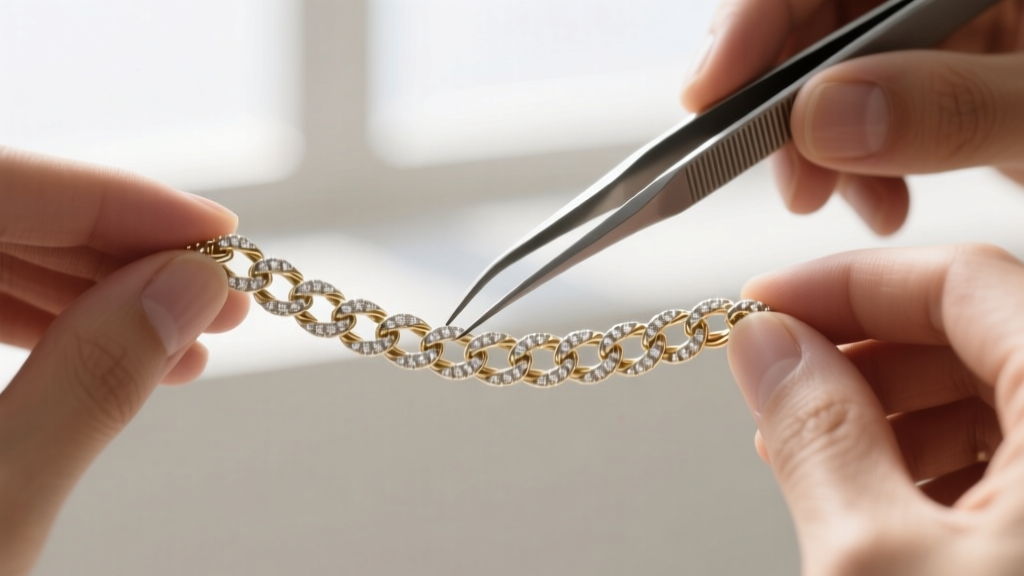
The Pin-and-Needle Technique: Lay the necklace flat on a soft jeweler's mat. Using two fine-point sewing needles or precision tweezers, gently work the kinked links back into their natural geometric alignment. Manipulate the links horizontally, not vertically. If the chain has suffered a hard crease where the metal has actually folded, you will need to take it to a professional. According to the Gemological Institute of America (GIA), attempting to solder micro-chains with a traditional torch often fuses the adjacent links together; a master jeweler will use a laser welder to repair the fracture without compromising the surrounding weave.
When to Consult a Master Jeweler
While ultrasonic cleaning and careful link manipulation can solve many day-to-day issues, certain problems require professional intervention. If your japan white gold necklace exhibits severe structural stretching (where the links no longer sit flush against one another), deep gouges that catch on fabrics, or a pendant bail that has worn dangerously thin, stop wearing the piece immediately. Take it to a certified bench jeweler who has experience with palladium-rich white gold alloys, as soldering palladium requires different temperatures and fluxes than standard nickel white gold. By understanding the specific metallurgy and mechanics of your jewelry, you can ensure your necklace remains a flawless, brilliant staple in your collection for decades to come.


