Toothless Necklace Fixes: Clasps, Prongs & Enamel Repair
Fix your slipping necklace or chipped Toothless pendant. Expert troubleshooting for broken clasp teeth, sheared prongs, and enamel repair in 2026.

What Does a "Toothless" Necklace Mean in Jewelry Repair?
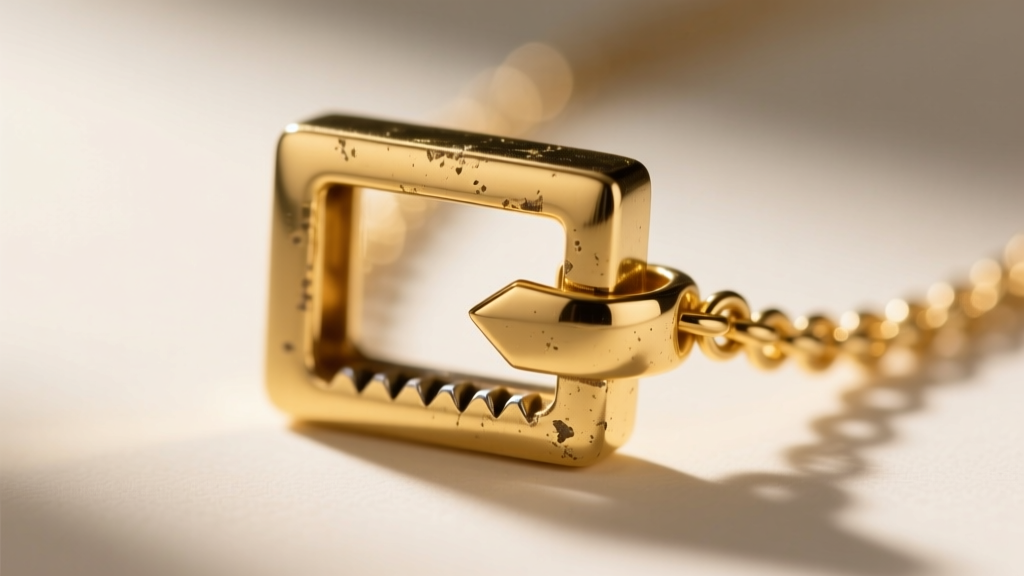
When you search for a "toothless necklace," you are likely encountering one of two very different jewelry crises. In the professional bench jeweler's lexicon, a "toothless" failure refers to highly specific mechanical breakdowns: the loss of friction "teeth" inside a box or fold-over clasp, or the shearing of prong "teeth" holding a pendant's gemstone. Both failures compromise the structural integrity of your necklaces, leading to slipping chains or catastrophic gemstone loss. However, in the pop-culture and merchandise sphere, a "Toothless" necklace refers to pendants featuring the Night Fury dragon from the How to Train Your Dragon franchise, which suffer from an entirely different set of material failures, including cold enamel chipping and base-metal oxidation.
As we navigate the jewelry landscape in 2026, understanding the metallurgy and material science behind these failures is critical. Whether you are trying to re-tension a sterling silver clasp, retip a platinum diamond setting, or restore a chipped enamel character pendant, this comprehensive troubleshooting guide provides the exact bench techniques, tool requirements, and material upgrades needed to rescue your neckwear.
Troubleshooting the Mechanical "Toothless" Clasp
Box clasps and fold-over safety clasps rely on a V-shaped spring tongue that compresses upon insertion and expands against internal ridges—the "teeth"—to lock the necklace in place. When a clasp becomes "toothless," it means either the internal friction ridges have worn smooth, or the spring tongue has flattened and lost its tension. This is incredibly common in 925 sterling silver and 10k gold chains due to the metallurgical properties of these alloys.
The Anatomy of Clasp Failure and Work-Hardening
Sterling silver (925) has a relatively low Vickers hardness (HV 60-70) and is highly susceptible to work-hardening. Every time you snap the clasp shut, the metal tongue undergoes microscopic stress. Over months of daily wear, the silver work-hardens, becomes brittle, and eventually flattens out or snaps entirely. Conversely, 14k yellow gold is more malleable but prone to bending out of shape under the blunt force of a heavy pendant pulling against the neckline.
Step-by-Step Fix for Worn Friction Teeth
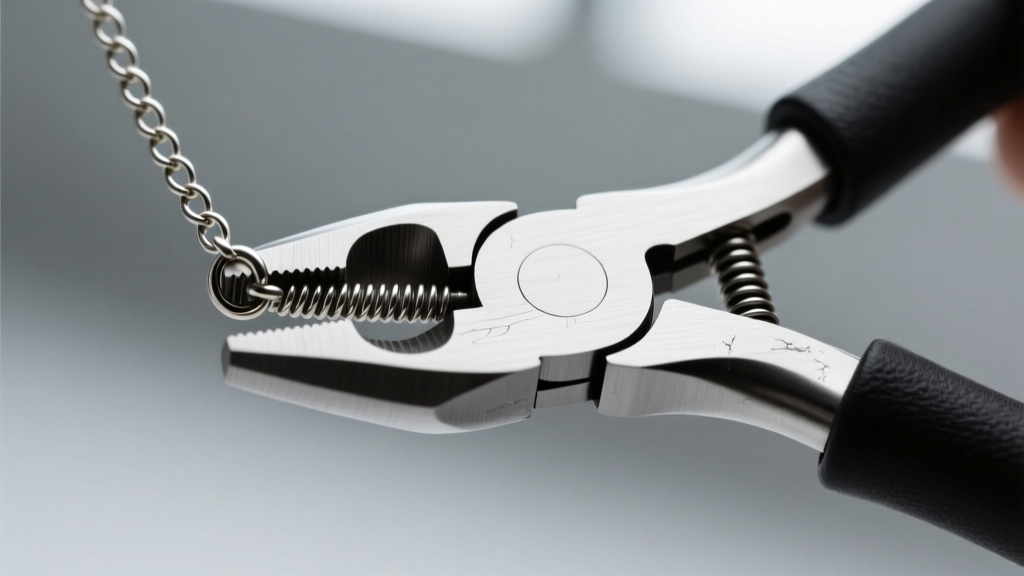
Before taking your necklace to a repair shop, you can often troubleshoot a slipping clasp at home using the right tools. Never use standard steel hardware pliers, as they will mar the precious metal and accelerate work-hardening.
- Inspect with a Loupe: Use a 10x triplet jeweler's loupe to look inside the female end of the box clasp. If the internal ridges are completely smooth, the clasp must be replaced. If the ridges are intact but the tongue is flat, proceed to step two.
- Re-Tension the Tongue: Using nylon-jaw pliers or flat-nose pliers wrapped in painter's tape, gently grip the V-shaped tongue. Apply microscopic upward pressure to bend the tongue back to a 12-to-15-degree angle.
- Test the Click: Insert the tongue into the box. You should feel a distinct mechanical "click" as the teeth catch. If it slides out easily, bend the tongue another 2 degrees. Do not exceed 20 degrees, or the tongue will jam and snap.
"A slipping box clasp is the number one reason clients lose heirloom pendants. Re-tensioning the tongue takes ten seconds, but ignoring a 'toothless' grip will inevitably result in a dropped chain." — Master Bench Jeweler Protocol, JCK Online
The "Toothless" Pendant: Dealing with Sheared Prongs
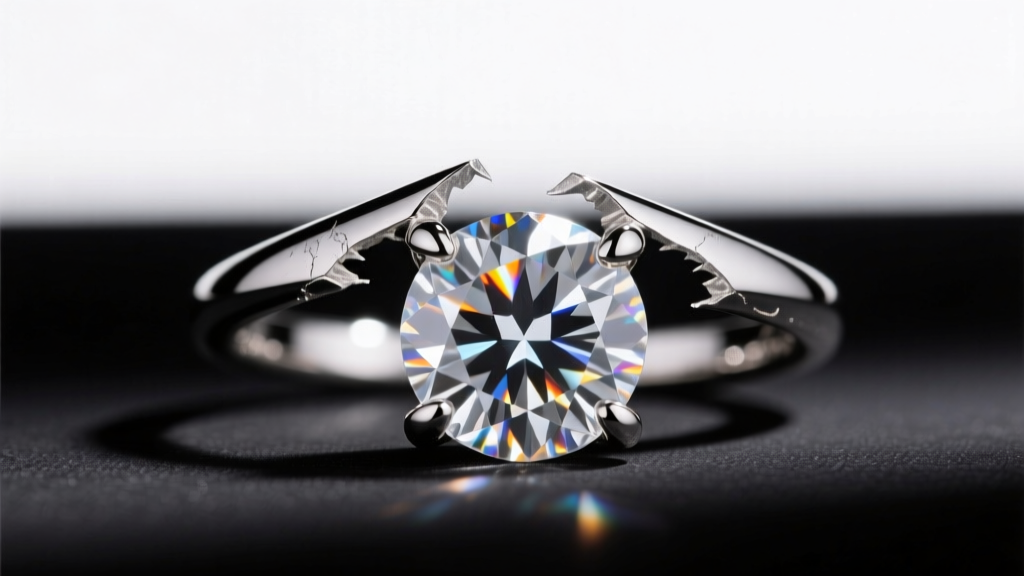
In gemology, the "teeth" of a pendant are the prongs that secure the gemstone to the metal basket. A "toothless" setting occurs when one or more prongs shear off or wear down to the girdle of the stone, leaving the gemstone entirely exposed and ready to fall out. According to the Gemological Institute of America (GIA), prong wear is the most common cause of gemstone loss in fine jewelry.
Prong Wear vs. Prong Snagging
It is vital to distinguish between gradual wear and sudden shearing. Platinum (HV 120-140) is incredibly dense and durable; it rarely wears thin from friction, but it can experience blunt-force shearing if the pendant is slammed against a hard surface (like a granite countertop). 14k and 18k gold, however, act like erasers. Over 5 to 7 years of daily wear, the friction against cotton and silk clothing literally sands the gold prongs away until they are flat and "toothless."
Retipping and Laser Welding
If your pendant has lost a prong tooth, do not attempt to bend the remaining prongs tighter with pliers; this will shift the gemstone and cause it to crack. The only proper fix is "retipping." In 2026, most reputable jewelers use laser welders to add new gold or platinum wire to the sheared prong. Laser welding is highly localized, meaning the jeweler can melt the metal onto the prong without heating the gemstone. This is critical for heat-sensitive stones like opals, emeralds, and tanzanites, which would shatter or fracture under a traditional butane torch.
Semantic Overlap: Troubleshooting "Toothless" Character Pendants
Because search intent often crosses over into pop-culture merchandise, we must address the "Toothless" (Night Fury) dragon pendants. These are typically mass-produced from zinc alloy or pewter and finished with cold enamel. The most common "toothless" problem here is literal: the painted enamel teeth and scales of the dragon chip away, and the underlying pot metal oxidizes, turning the wearer's skin green.
Enamel Repair and Chain Upgrades
To fix chipped enamel on a character pendant, clean the micro-chips with 99% isopropyl alcohol. Fill the voids with a clear, UV-curing jeweler's epoxy resin, and cure it under a 365nm UV lamp for 60 seconds. Sand it flush with 2000-grit wet sandpaper. More importantly, the stock chains provided with these pendants are usually plated brass. The copper content reacts with sweat and skin oils, causing severe discoloration. Upgrade the chain immediately to a 2mm 316L surgical stainless steel or solid titanium curb chain, which are entirely nickel-free and immune to oxidation.
Repair vs. Replace: 2026 Cost & Failure Matrix
Understanding the financial and structural realities of jewelry repair helps you decide whether to fix a toothless component or replace the necklace entirely. The table below outlines standard bench repair scenarios and their associated 2026 market costs.
| Failure Mode | Material | Repair Method | 2026 Est. Cost |
|---|---|---|---|
| Flattened Clasp Tongue | 925 Sterling Silver | Nylon-plier re-tensioning | $15 - $25 (Bench Fee) |
| Stripped Clasp Teeth | 14k Yellow Gold | Complete clasp soldering replacement | $85 - $140 |
| Sheared Prong (Tooth) | Platinum | Laser wire retipping | $45 - $75 per prong |
| Worn Prong Heads | 18k White Gold | Rebuilding with rhodium plating | $60 - $90 |
| Chipped Enamel Scales | Zinc Alloy (Merch) | UV resin fill and polish | $20 (DIY) / $50 (Pro) |
Preventative Maintenance to Keep Grips and Prongs Intact
Preventing a necklace from becoming "toothless" requires a proactive maintenance schedule. For mechanical clasps, avoid pulling the chain taut when putting it on; always support the weight of the pendant so the clasp doesn't bear the lateral load. For gemstone prongs, implement the "cotton ball test" twice a year. Gently run a cotton ball over the pendant setting. If the cotton snags on a prong, that metal tooth is lifted, bent, or heavily worn and requires immediate professional polishing and tightening.
Finally, always adhere to the Federal Trade Commission (FTC) Jewelry Guides regarding metal stamping. If your necklace lacks a proper hallmark (e.g., 925, 14k, PT950), it is likely base metal, and attempting to solder or laser-weld a broken clasp or prong will result in the metal melting into a useless slag. In those cases, upgrading to a verified solid-metal chain and setting is the only viable long-term solution.


