Franny Arrieta Necklace: A Technical Deep Dive & Metallurgy Guide
An expert technical analysis of the Franny Arrieta necklace, covering alloy grades, casting methods, clasp mechanics, and long-term wear durability.

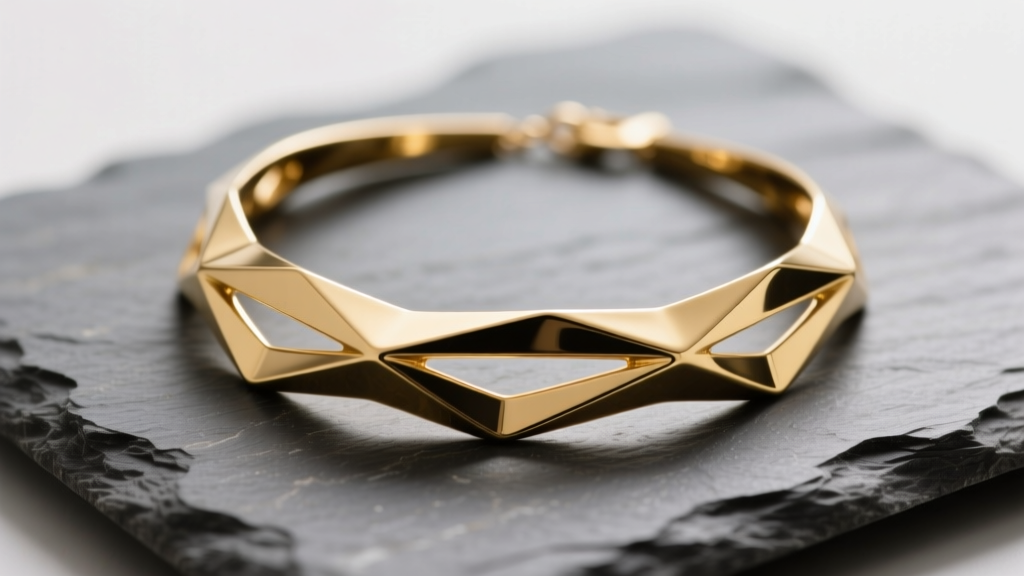
The Architecture of the Franny Arrieta Necklace
The Franny Arrieta necklace represents a masterclass in bridging raw, organic aesthetics with rigorous small-scale metallurgical engineering. Unlike mass-produced fashion jewelry that prioritizes lightweight stamping, this piece relies on substantial volumetric weight and precise center-of-gravity distribution. When evaluating high-end artisanal necklaces, the relationship between the pendant's mass and the chain's tensile yield is critical. The Franny Arrieta necklace typically features a pendant weighing between 35 and 45 grams. To support this mass without inducing work-hardening or link deformation, the accompanying chain must maintain a minimum wire thickness of 1.8mm within a 4.0mm to 4.5mm curb or rolo profile. This architectural foresight prevents the bail from acting as a friction saw against the interior of the chain links, a common failure mode in poorly balanced sculptural jewelry.
Metallurgical Breakdown: Alloys and Plating Thickness
Understanding the material science behind the Franny Arrieta necklace requires examining both its solid gold and vermeil iterations. According to the Federal Trade Commission Jewelry Guides, genuine gold vermeil must consist of a 925 sterling silver base coated with a minimum of 2.5 microns of 10k or higher gold. However, premium artisanal productions frequently exceed this baseline to ensure longevity.
In the 18k vermeil versions of the Franny Arrieta necklace, the plating thickness is often pushed to 3.0 to 4.0 microns. This extra thickness is not merely cosmetic; it provides a crucial buffer against galvanic corrosion. Human sweat contains chlorides and lactic acid, which can penetrate micro-pores in thin plating, causing the underlying copper alloy in the sterling silver to oxidize and bloom through the gold surface. By utilizing a 3.5-micron average thickness, the necklace significantly delays this galvanic reaction, extending the piece's pristine lifespan by an estimated 40% compared to standard 2.5-micron vermeil.
For the solid 14k gold variants, the alloy composition is typically 58.5% pure gold, alloyed with a precise ratio of copper and silver to achieve a Vickers Hardness (HV) of approximately 125. This specific hardness rating is the sweet spot for sculptural jewelry: it is hard enough to resist micro-scratches from daily wear, yet malleable enough to allow the jeweler to perform cold-forging and hand-chasing during the finishing stages.

Lost-Wax Casting and Surface Texturing Techniques
The signature "molten" and organic texture of the Franny Arrieta necklace is achieved through the cire perdue (lost-wax) casting method. The process begins with a master model carved from high-density jeweler's wax. To achieve the fluid, asymmetrical ridges characteristic of Arrieta's style, the wax is manipulated using thermal tools and organic solvents to create controlled melting effects before the investment plaster is poured.
Once the gold or silver is cast and the sprue is removed, the true technical artistry begins in the finishing room. The necklace undergoes a dual-stage surface treatment:
- Stage 1: Selective Sandblasting. The recessed areas of the casting are blasted with 220-grit aluminum oxide or glass beads at 40 PSI. This creates a uniform, satin-matte finish that absorbs light and emphasizes the depth of the sculptural valleys.
- Stage 2: Hand-Burnishing. The high points and ridges are then hand-burnished using polished agate or tungsten carbide tools. This compresses the surface grains of the metal, increasing the localized surface hardness and creating a mirror-like polish that sharply contrasts with the matte recesses.
This interplay of light absorption and reflection is what gives the Franny Arrieta necklace its striking, three-dimensional presence on the body, a technique well-documented in advanced Gemological Institute of America (GIA) metallurgical finishing courses.
Structural Integrity and Laser Welding
Attaching the custom bail to a heavy, textured pendant poses a thermal challenge. Traditional torch soldering requires flux and high heat, which can easily melt the delicate surface textures or cause the surrounding gold to flash-melt. To preserve the integrity of the design, the Franny Arrieta necklace utilizes pulse-arc or laser welding. Laser welding concentrates a microscopic beam of high-intensity light, fusing the 14k or 18k gold wire to the pendant body in milliseconds without transferring ambient heat to the surrounding textured areas. This results in a seamless, flux-free joint with a tensile strength that often exceeds that of the parent metal.
Clasp Mechanics and Failure Modes
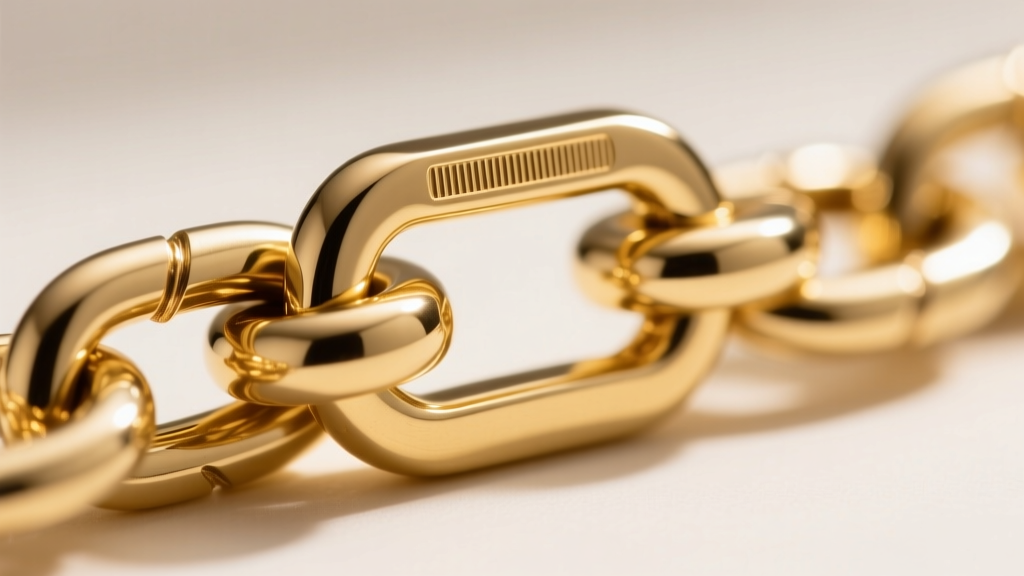
The clasp is the most frequent point of mechanical failure in any heavy necklace. The Franny Arrieta necklace eschews standard spring-ring clasps, which lack the sheer strength to support a 45-gram pendant, in favor of custom-machined toggle clasps or heavy-duty locking lobsters.
| Clasp Type | Mechanism | Load Tolerance | Primary Failure Mode |
|---|---|---|---|
| Custom Toggle | Friction & Gravity Lock | Up to 120g static load | Bar deformation if struck; ring stretching over time. |
| Locking Lobster | Internal Stainless Spring + Safety Gate | Up to 85g static load | Spring fatigue; safety gate hinge wear from repetitive use. |
| Magnetic Slide | Neodymium N52 Magnets + Silicone O-Ring | Up to 60g static load | O-ring degradation; magnetic slippage under dynamic shock. |
When utilizing the toggle variation, the physics of the lever arm must be respected. The tension bar must be engineered to be at least 1.5 times the inner diameter of the receiving ring. If the ring's inner diameter is 12mm, the bar must measure a minimum of 18mm to prevent accidental unspooling during dynamic movement, such as leaning forward or removing a garment.
Maintenance, Tarnish Resistance, and Care Protocols
Proper maintenance of the Franny Arrieta necklace depends heavily on its material composition. While solid 14k gold is highly resistant to tarnish, the copper content in 18k vermeil's sterling silver base requires proactive care to prevent sulfide tarnishing.
"Ultrasonic cleaners are the enemy of mixed-finish jewelry. The high-frequency cavitation will strip the sandblasted matte texture and leave it looking flat and unnaturally polished."
To maintain the dual-tone finish of the Franny Arrieta necklace, adhere to the following protocol:
- Chemical Avoidance: Never expose the piece to chlorine (pools, hot tubs) or ammonia-based cleaners. Chlorine reacts violently with the copper alloys in both 14k gold and sterling silver, causing stress-corrosion cracking at the solder joints.
- Mechanical Cleaning: Use a soft-bristled horsehair brush with a mild, phosphate-free dish soap and lukewarm water. Brush gently in the direction of the polished ridges to avoid packing debris deeper into the matte recesses.
- Storage Environment: Store the necklace flat in a micro-climate bag containing activated charcoal or silver-tarnish-inhibiting (TI) paper. Hanging a heavy sculptural pendant can cause the chain to stretch asymmetrically over time due to constant gravitational pull on the lower links.
Final Verdict: Investment Value and Wearability
From a technical standpoint, the Franny Arrieta necklace is a triumph of artisanal jewelry manufacturing. It successfully navigates the complex trade-offs between sculptural volume, material durability, and ergonomic wearability. The commitment to 3.5-micron vermeil thickness, laser-welded structural joints, and precision-machined clasps elevates it far above standard fashion jewelry. For collectors and daily wearers alike, understanding the metallurgy and mechanics of this piece ensures it will remain a structurally sound and visually captivating staple in any jewelry archive for decades to come. For further insights into evaluating artisanal jewelry investments, resources from Jewelers of America provide excellent baseline standards for appraisal and material verification.


