Gold Pearl Necklace Choker: 2026 Budget & Value Guide
Discover the true value of a gold pearl necklace choker in 2026. Compare pricing tiers, pearl grades, and gold purities to avoid overpaying.

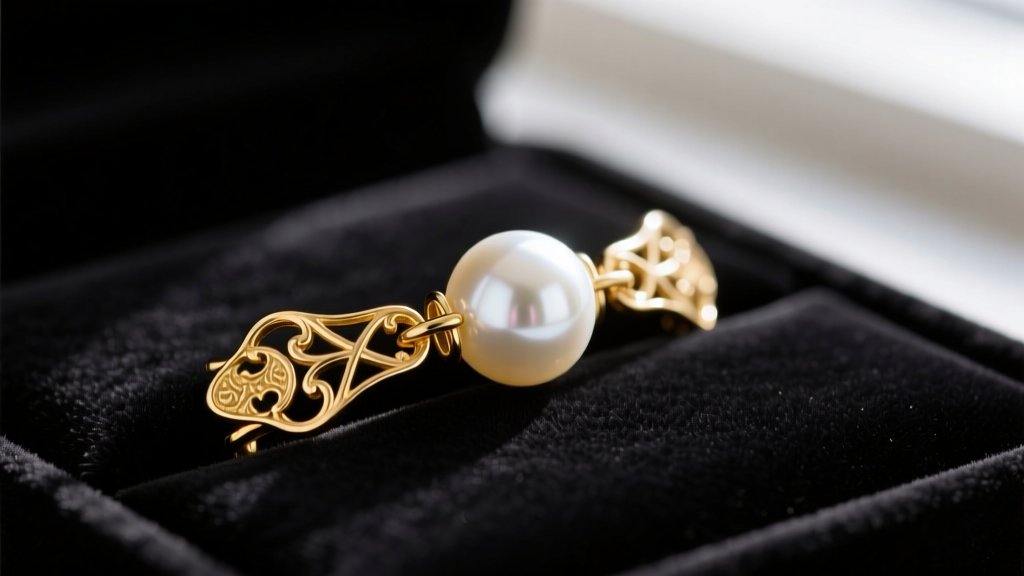
The Anatomy of a Gold Pearl Choker
The gold pearl necklace choker is a definitive staple in fine jewelry, sitting snugly at the base of the throat (typically 14 to 16 inches in length). Because a choker rests directly on the collarbone—a primary focal point in any outfit—the pearls must be impeccably matched in size, color, and luster. Any variation is immediately obvious to the naked eye. When assessing the budget and true market value of these pieces in 2026, you must look past the brand name and deconstruct the necklace into its two core components: the precious metal hardware and the organic gemstones.
Gold Purity and Plating Standards
The 'gold' in your choker dictates the baseline price. Solid 14k and 18k gold offer lifelong durability and intrinsic melt value. However, many budget-friendly chokers utilize gold vermeil or gold-filled chains and clasps. According to the Federal Trade Commission (FTC) Jewelry Guidelines, true gold vermeil must consist of a sterling silver base plated with at least 2.5 microns of gold (usually 14k or higher). If the plating is thinner, or if the base metal is brass, it is merely 'gold plated' and will inevitably tarnish or flake with daily skin contact. Gold-filled components, which contain 5% gold by weight (1/20th), offer a highly durable middle ground for budget-conscious buyers who want the longevity of solid gold without the premium price tag.
2026 Pricing Matrix: What Should You Actually Pay?
Navigating the pearl market requires a clear understanding of pricing tiers. The cost of a gold pearl necklace choker scales exponentially based on pearl origin, nacre quality, and the karat weight of the gold clasp. Below is a realistic 2026 valuation matrix for a standard 15-inch, 7mm pearl choker.
| Quality Tier | Pearl Type & Grade | Gold Component | Stringing Method | 2026 Fair Market Price |
|---|---|---|---|---|
| Fashion / Entry | AAA Freshwater (Near-round) | 14k Gold-Filled Clasp | Uncolored Nylon Wire | $90 - $180 |
| Mid-Tier Fine | AA+ Akoya (High Luster) | 14k Solid Gold Clasp | Hand-Knotted Silk | $650 - $1,100 |
| Premium Fine | AAA Hanadama Akoya | 18k Solid Gold Clasp | Hand-Knotted Silk | $1,400 - $2,500 |
| Investment | AAA White South Sea | 18k Solid Gold / Diamond | Multi-Strand Silk | $4,500 - $12,000+ |
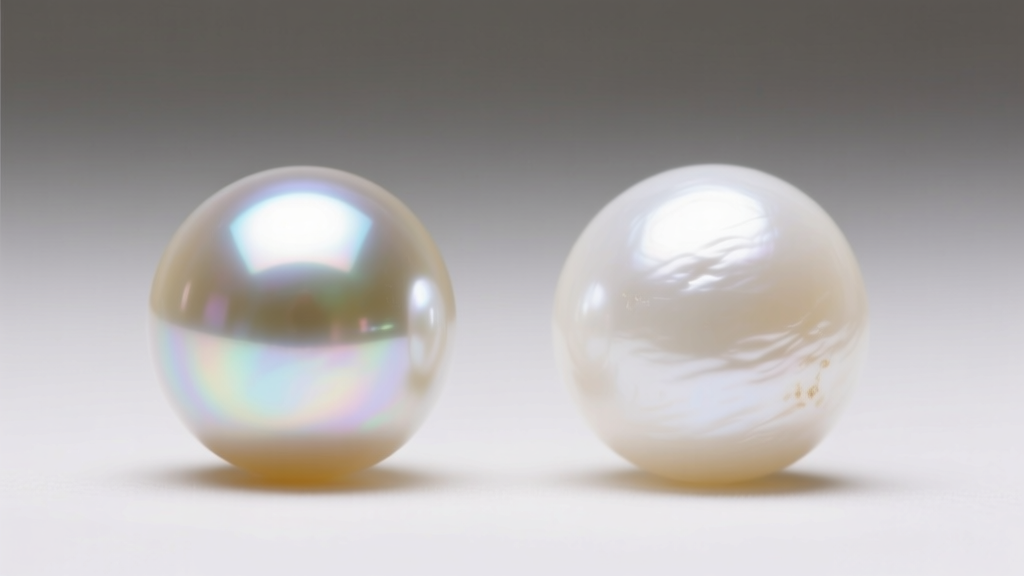
Freshwater vs. Akoya: The Great Choker Debate
For buyers seeking a classic white pearl choker, the decision almost always narrows down to Freshwater versus Akoya pearls. Understanding the biological differences between the two is critical for assessing value.
Freshwater Pearls: Cultivated primarily in China, modern freshwater pearls are tissue-nucleated, meaning they are composed of solid nacre from the inside out. This makes them incredibly durable and resistant to chipping. However, traditional freshwater pearls exhibit a softer, more subdued glow. While high-end 'Edison' freshwater pearls can mimic the luster of saltwater varieties, a standard AAA freshwater choker will generally lack the sharp, mirror-like reflection of its saltwater counterparts. They are the undisputed champions of budget value, offering genuine pearl material at a fraction of the cost.
Akoya Pearls: Cultivated in Japan and Vietnam, Akoya pearls are bead-nucleated. A mother-of-pearl bead is inserted into the oyster, and the oyster secretes nacre over it. The Gemological Institute of America (GIA) notes that high-quality Akoya pearls possess a nacre thickness of at least 0.4mm to 0.6mm. Because the oyster environment is highly controlled, Akoya pearls yield a sharp, almost metallic luster and perfect roundness that is highly prized for formal chokers. You are paying a premium for optical perfection and heritage cultivation techniques.
Expert Insight: When buying an Akoya choker, always ask the jeweler for the nacre thickness. If an Akoya pearl has nacre thinner than 0.3mm, the underlying bead may eventually show through, resulting in a dull, chalky appearance and drastically reducing the necklace's lifespan and resale value.
Hardware and Stringing: The Hidden Costs
When evaluating a gold pearl necklace choker, consumers often fixate entirely on the pearls and the gold clasp, ignoring the structural engineering that holds the piece together. The stringing material and knotting technique significantly impact both the price and the longevity of the jewelry.
- Hand-Knotted Silk: The gold standard for fine pearl jewelry. A master stringer ties a microscopic silk knot between every single pearl. This prevents the pearls from rubbing against one another (which degrades the nacre) and ensures that if the strand breaks, you only lose one pearl. This labor-intensive process adds $100 to $300 to the retail price of a choker.
- Nylon-Coated Steel Wire: Frequently used in budget and freshwater pearl chokers. It is incredibly strong and resistant to stretching, but it lacks the fluid drape of silk. Furthermore, if the wire kinks or snaps, the entire strand of pearls will scatter.
- Clasp Mechanics: A standard lobster clasp is secure but can be difficult to fasten unassisted. High-end chokers often utilize a 'fishhook' or 'bayonet' clasp housed in a decorative 14k or 18k gold barrel. These clasps are engineered for security and seamless aesthetics, but they require precise machining, adding to the overall cost.
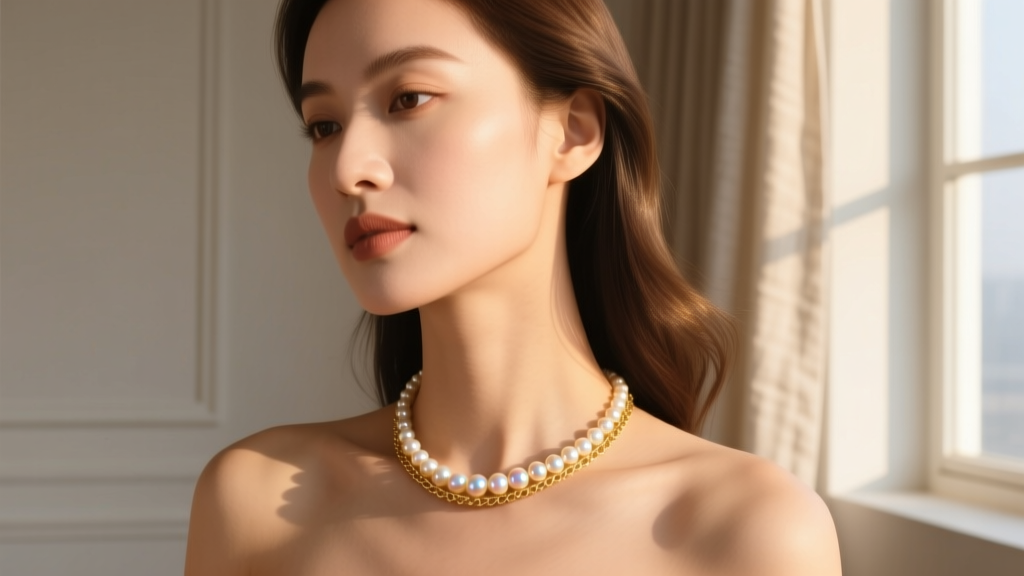
Red Flags: How to Avoid Overpaying
The pearl market is notoriously opaque, making it a prime environment for inflated prices and misleading terminology. To ensure your budget is allocated toward genuine quality, watch out for these common market deceptions.
Common Market Deceptions
1. 'Natural Color' Dyed Pearls: Many low-grade freshwater pearls are bleached and subsequently dyed to mimic the expensive silver-blue overtones of Akoya pearls or the dark hues of Tahitian pearls. The American Gem Society (AGS) warns that dyes can concentrate in the drill holes or surface blemishes. Always inspect the drill hole under magnification; if you see a dark ring of color around a white core, the pearl is dyed and should be priced accordingly.
2. Faux 'Shell' or 'Mallorca' Pearls: Some retailers sell 'shell pearls' (which are merely ground oyster shells bound with resin and coated in lacquer) or 'Mallorca pearls' (glass beads dipped in pearlescent fish-scale paint). While these offer perfect uniformity, they are entirely synthetic and hold zero intrinsic gemstone value. A choker made of these materials should never exceed $40, regardless of the gold clasp attached to it.
3. The 'Heavy Gold' Illusion: A bulky, oversized gold clasp on a budget pearl choker is often a marketing tactic to distract from low-grade pearls. The clasp may be hollowed out or cast from low-karat gold (like 9k or 10k) to maximize visual impact while minimizing material costs. Always verify the exact karat stamp and ensure the clasp's value is proportional to the pearls it secures.
Final Value Assessment
Ultimately, the value of a gold pearl necklace choker hinges on your personal priorities. If your goal is everyday wearability, trend-resistance, and maximizing your budget, a 15-inch AAA freshwater pearl choker strung on nylon with a 14k gold-filled clasp offers unparalleled value, typically costing under $150 while delivering genuine organic beauty. However, if you are seeking an heirloom piece with sharp, mirror-like luster and traditional prestige, investing $800 to $1,500 in a hand-knotted, 14k solid gold and AA+ Akoya choker is a financially sound decision that retains its elegance and structural integrity for decades.


