Best Metals for Hand Necklaces: A Material Comparison Guide
Discover the best metals for hand necklaces in 2026. Compare silver, gold, brass, and titanium for Hamsa, Mano Fico, and anatomical pendants.
The Unique Material Demands of Hand Necklaces
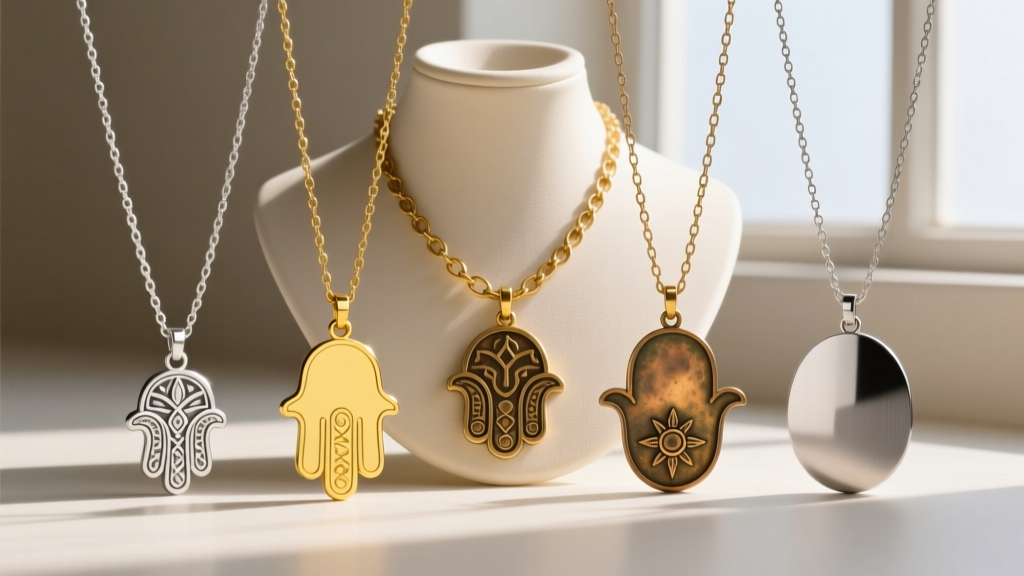
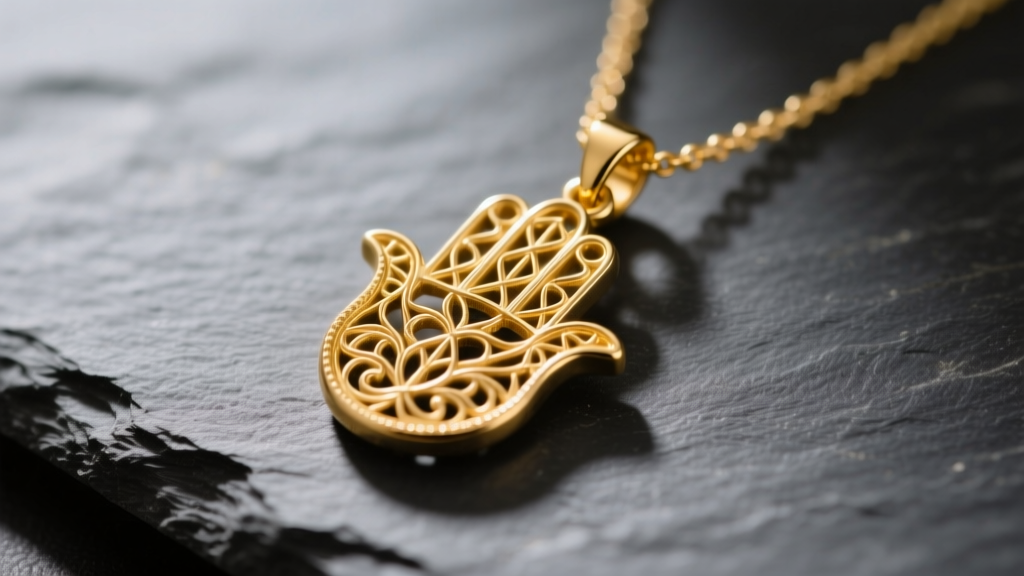
Hand necklaces have transcended their traditional talismanic roots to become a staple of contemporary jewelry design in 2026. Whether you are wearing a protective Hamsa, a Neapolitan Mano Fico (the iconic figa hand gesture), or an avant-garde anatomical hand pendant, the structural and metallurgical demands of these motifs are surprisingly rigorous. Unlike simple geometric pendants, hand motifs feature intricate undercuts, protruding digits, and deep palm-line engravings. These design elements require metals that offer exceptional fluidity during the casting process, high tensile strength to prevent bending, and superior tarnish resistance due to the pendant's constant contact with the skin's natural oils and sweat.
Choosing the wrong material for a hand necklace can lead to rapid degradation. Thinly cast silver fingers can snap under minor tension, while unsealed brass palms will oxidize and leave green stains on your décolletage. To navigate the market, buyers and collectors must understand the specific metallurgical properties that dictate the longevity, detail resolution, and wearability of hand-themed jewelry. Below, we break down the most common metals used in hand necklaces, evaluating their hardness, casting capabilities, and long-term maintenance requirements.
Metal Comparison Matrix: Durability, Tarnish, and Detail
The following table provides a comprehensive overview of the primary metals used for hand necklaces in 2026, comparing their Vickers Hardness (HV), resistance to environmental degradation, and ability to capture fine details during the lost-wax casting process.
| Material | Vickers Hardness (HV) | Tarnish Resistance | Detail Resolution | 2026 Price Range |
|---|---|---|---|---|
| 925 Silver (Rhodium Plated) | 65 - 75 | High (when plated) | Excellent | $45 - $180 |
| 14k Yellow Gold | 120 - 140 | Very High | Very Good | $280 - $650 |
| 18k Yellow Gold | 85 - 100 | High | Superior | $450 - $1,400 |
| Cast Brass (Jeweler's Grade) | 55 - 65 | Low | Excellent | $25 - $90 |
| Grade 5 Titanium (CNC Milled) | 334 | Absolute | Moderate | $130 - $380 |
Deep Dive: Precious Metals for Intricate Hand Motifs
925 Sterling Silver and the Necessity of Rhodium
Sterling silver remains the most popular choice for hand necklaces due to its brilliant reflectivity and affordability. However, standard 925 silver contains 7.5% copper, which is highly reactive to sulfur and moisture in the environment. According to The Silver Institute, this copper content is what causes the rapid tarnishing associated with silver jewelry. For hand pendants—especially the Hamsa, which features deep, recessed eye motifs and tight filigree—tarnish accumulates quickly in the crevices and is notoriously difficult to polish out without specialized ultrasonic equipment.
To combat this, premium silver hand necklaces are electroplated with rhodium, a platinum-group metal. A high-quality rhodium plating should be between 0.75 and 1.0 microns thick. This not only creates an impenetrable barrier against oxidation but also enhances the surface hardness, protecting the delicate fingertips of anatomical hand pendants from micro-scratches. When purchasing a silver hand necklace, always verify the plating thickness; anything under 0.25 microns will wear through within months of daily friction against clothing.
14k vs. 18k Solid Gold: The Structural Trade-Off
When investing in a gold hand necklace, the karat weight dictates both the color and the structural integrity of the piece. The Gemological Institute of America (GIA) notes that pure 24k gold is far too soft for jewelry, necessitating the addition of alloy metals like copper, silver, and zinc. 18k gold (75% pure gold) offers a rich, buttery yellow hue and captures the absolute finest details in palm-line engravings due to its lower melting point and superior fluidity during casting. However, its Vickers Hardness of roughly 90 HV makes it vulnerable to deformation.
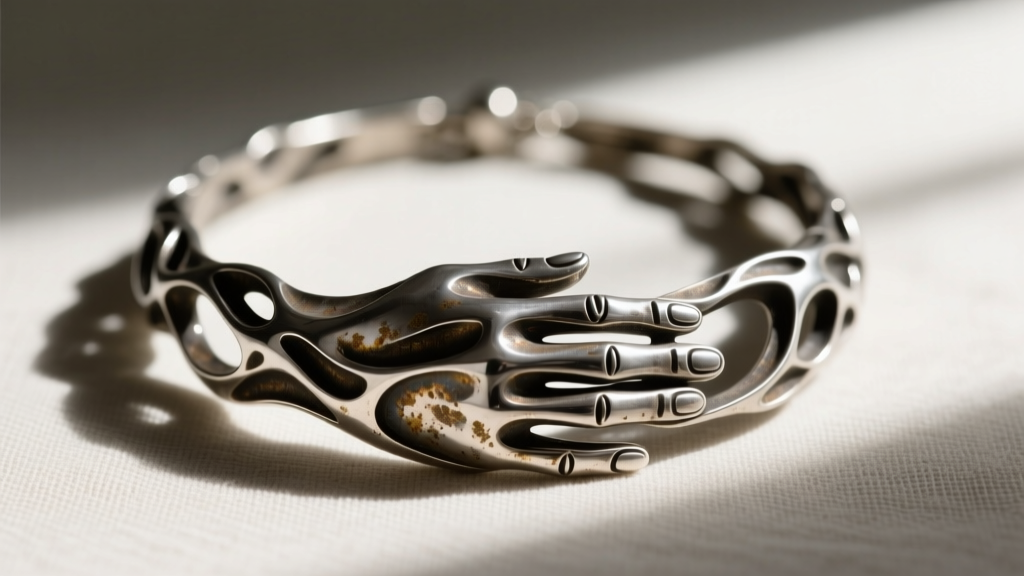
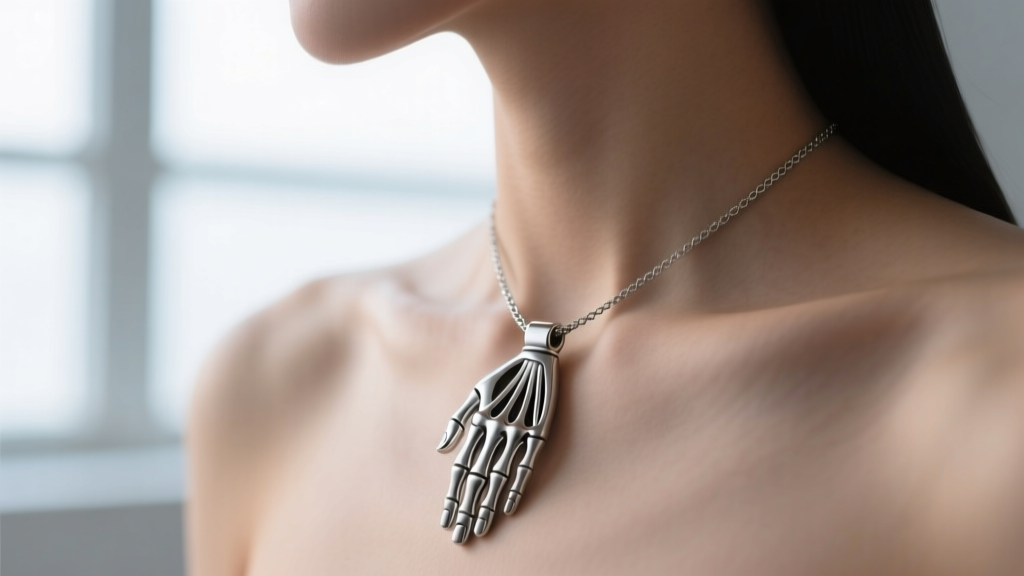
If your hand necklace features an anatomical design with extended, slender fingers (typically 1.0mm to 1.5mm in thickness), 18k gold is a structural liability. Catching the pendant on a heavy knit sweater can easily bend an 18k gold finger out of alignment. Conversely, 14k gold (58.5% pure gold) boasts a hardness of up to 140 HV, depending on the specific alloy mix. This increased tensile strength makes 14k gold the superior choice for structural hand motifs, ensuring that protruding elements like the thumb of a Mano Fico pendant remain rigid and secure over decades of wear.
Base Alloys: The Reality of Brass and Bronze
Artisan and indie jewelers frequently utilize brass (an alloy of copper and zinc) and bronze (copper and tin) to create bold, oversized hand necklaces at accessible price points. These base metals excel in the lost-wax casting process, filling complex mold cavities with ease and producing sharp, highly defined talismanic symbols. Furthermore, many collectors appreciate the living finish of brass, which develops a unique, darkened patina over time as it reacts to the wearer's specific skin chemistry.
However, the primary failure mode of brass hand necklaces is the oxidation of zinc, which reacts with the slightly acidic pH of human sweat (typically between 4.5 and 6.0) to create zinc chloride. This results in the infamous green discoloration on the skin. To mitigate this without sacrificing the aesthetic, expert jewelers seal raw brass pendants with microcrystalline wax, such as Renaissance Wax. This polymer barrier locks out moisture and oxygen, preserving the metal's bright golden hue and preventing skin staining. If you purchase an unsealed brass hand necklace, applying a thin coat of this wax yourself is a mandatory maintenance step.
Modern Alternatives: Grade 5 Titanium
For wearers with severe contact dermatitis or nickel allergies, Grade 5 Titanium (Ti-6Al-4V) has emerged as the ultimate material for hand necklaces in 2026. Unlike traditional metals that are cast in molds, titanium jewelry is typically CNC-milled from solid blocks or forged using advanced 3D metal printing techniques. This results in a pendant that is virtually indestructible, weighing roughly 45% less than an identically sized steel or silver counterpart.
The trade-off with titanium is detail resolution. Because it cannot be easily cast using traditional jewelry investment methods, intricate filigree or deep undercuts (like the folded fingers of a Hamsa) are difficult and expensive to machine. Therefore, titanium hand necklaces usually feature minimalist, geometric, or stylized anatomical silhouettes rather than hyper-realistic textures. The metal is completely impervious to tarnish, sweat, and saltwater, making it the undisputed champion for active lifestyles.
Maintenance and Common Failure Modes by Material
Understanding how different metals fail allows you to troubleshoot and maintain your hand necklaces effectively. Below are the most common issues associated with specific materials and how to address them:
- Silver Prong/Finger Snapping: Often caused by porosity during the casting process. If a silver finger snaps cleanly, inspect the break point for tiny air bubbles. This indicates poor casting quality, and the piece should be recast rather than soldered, as solder joints on thin extremities are weak points.
- Gold Alloy Fading (Depletion Gilding): Lower-karat white gold hand necklaces may develop a yellowish tint over time as the rhodium plating wears off, revealing the underlying gold/copper alloy. This requires professional re-plating every 12 to 18 months.
- Brass Verdigris Buildup: If a brass Hamsa necklace is stored in a humid environment without being sealed, it can develop verdigris (a toxic green crust) in the deep engravings. This must be carefully removed with a soft brass brush and a mild citric acid solution before the piece is worn again.
- Chain Detachment on Heavy Pendants: Hand pendants, especially solid bronze or oversized silver pieces, can weigh upwards of 25 grams. Standard 18-inch cable chains (often 0.8mm thick) will suffer from jump-ring distortion at the clasp. Always pair heavy hand pendants with a minimum 1.2mm box chain or a reinforced wheat chain to distribute the tensile load.
"When designing an anatomical hand pendant, the sprue placement during the wax-tree setup is critical. If the molten metal doesn't flow evenly into the fingertips, you get microscopic shrinkage cracks that will inevitably lead to structural failure. We always cast our 14k gold hand motifs with a slightly heavier wax profile to ensure absolute metallurgical density." — Master Caster, Rio Grande Technical Guidelines
Expert Verdict: Choosing Your Metal
Selecting the ideal metal for your hand necklace ultimately depends on the specific design of the pendant and your lifestyle. If you are purchasing a highly detailed, traditional Hamsa or Mano Fico with deep crevices and filigree, rhodium-plated 925 sterling silver or 18k solid gold will provide the sharpest detail resolution and the most luxurious finish. However, if your pendant features an anatomical design with extended, slender fingers, the structural superiority of 14k gold or titanium is non-negotiable to prevent bending and breakage. For budget-conscious buyers who appreciate an evolving, vintage aesthetic, sealed brass offers unparalleled weight and presence, provided you are willing to perform basic wax-sealing maintenance to prevent oxidation. By matching the metallurgical properties of the metal to the geometric demands of the hand motif, you ensure your talisman remains both beautiful and structurally sound for years to come.
For further reading on metal hardness and jewelry fabrication standards, consult the Rio Grande Metal Properties Chart, an essential resource for understanding the physical limits of jewelry alloys.


