Troubleshooting Your Hart Necklace: A Repair Guide
Learn how to troubleshoot common hart necklace issues, from fixing bent stag antlers and cleaning oxidized silver to repairing delicate chain clasps.

The True Hart Necklace: Beyond the Common Typo
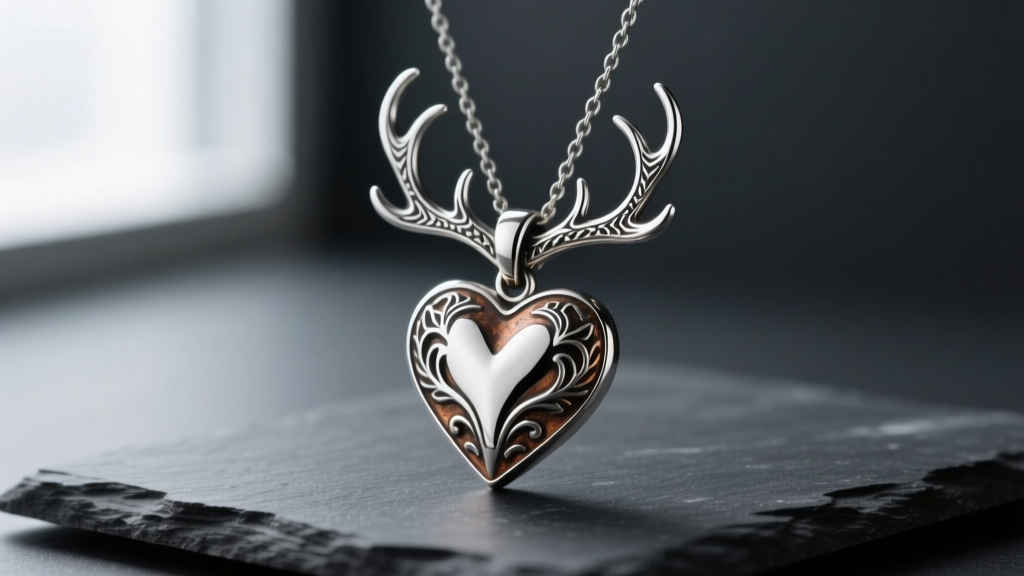
While the majority of online searches for a "hart necklace" are often typographical errors by users looking for a heart pendant, the true hart necklace—featuring the majestic stag or male deer motif—is a cornerstone of Celtic, heraldic, and vintage jewelry. From the famous White Hart badge of King Richard II to intricate Scottish stag crest pendants, these pieces are highly collectible and structurally unique. However, their complex anatomy makes them prone to specific types of damage that standard heart or geometric pendants simply do not face.
As a jewelry specialist, I frequently see vintage and modern hart necklaces arrive on my bench with bent antler tines, stripped oxidation, and snapped lightweight chains. Because these pendants feature high-relief casting and delicate protruding elements, they require a highly specialized approach to maintenance and repair. In this comprehensive troubleshooting guide, we will break down the exact failure modes of the hart necklace and provide actionable, professional-grade solutions to restore them to their former glory.
Troubleshooting Bent or Snagged Antler Tines
The most defining feature of a hart pendant is the antler rack. In jewelry casting, these antlers act essentially as elongated prongs. When a hart necklace is worn beneath heavy winter clothing or scarves, the tines frequently snag on wool or knit fibers. This lateral torque can easily bend 925 sterling silver antlers out of their original symmetry.
The Danger of Work Hardening
Sterling silver (an alloy of 92.5% silver and 7.5% copper) is highly malleable, but it is subject to work hardening. If you repeatedly bend a silver antler tine back and forth with your bare fingers, the crystalline structure of the metal will lock up, become brittle, and eventually snap off entirely.
Step-by-Step Antler Realignment
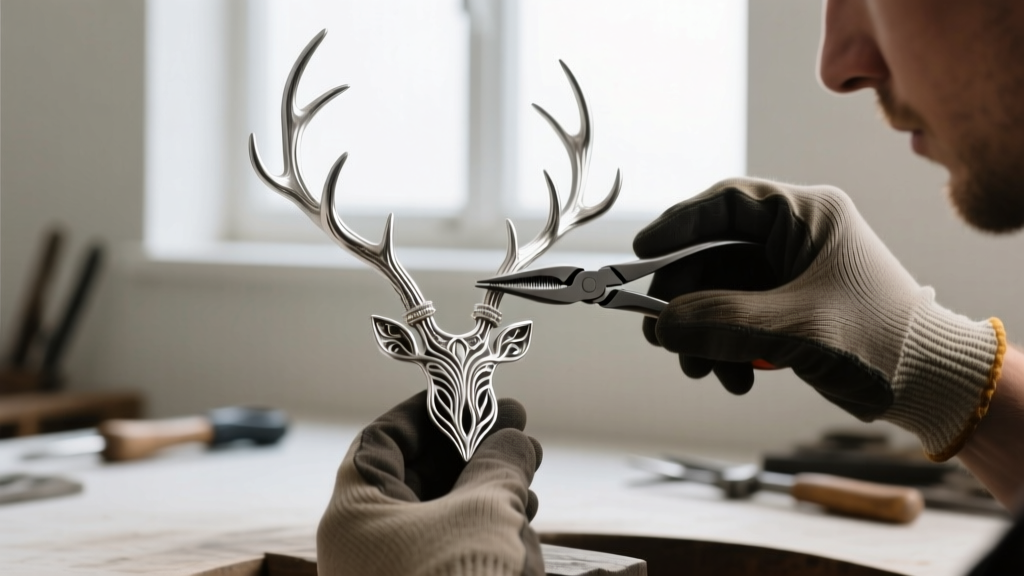
To fix a bent antler without causing a fracture, you must use the correct tools and apply steady, singular pressure.
- Step 1: Secure the main body of the hart pendant in a rubber-lined bench block or hold it firmly with a padded vice. Never grip the pendant with bare steel pliers, as this will leave permanent, jagged marring on the silver.
- Step 2: Use nylon-jaw pliers (such as those made by Wubbers or Eurotool) to grip the bent antler tine. The nylon coating prevents any surface scratching.
- Step 3: Apply slow, continuous pressure in the opposite direction of the bend. Do not wiggle or over-correct. Move the metal once, check the symmetry with a 10x jeweler's loupe, and adjust only if necessary.
- Step 4: If the tine has become severely work-hardened and stiff, a professional jeweler must use a micro-torch to locally anneal (heat and soften) the specific silver prong before bending it back into place.
Cleaning Oxidized Silver Without Ruining the Patina
Most high-quality hart necklaces utilize a technique called "antiquing" to make the intricate details of the stag's fur, facial features, and antler grooves pop. This is achieved by applying Liver of Sulfur (potassium sulfide) to the silver, which rapidly oxidizes the copper in the alloy, turning the recessed areas black. The raised areas are then polished to a high shine, creating a stunning two-tone contrast.
The most catastrophic mistake a hart necklace owner can make is using a commercial silver dip or the popular "aluminum foil and baking soda" hack. According to conservation guidelines from the Victoria and Albert Museum, chemical reduction baths do not discriminate between accidental surface tarnish and intentional artistic oxidation. A chemical dip will strip the dark recesses of your hart pendant in seconds, leaving it looking flat, white, and completely devoid of its original detail.
Safe Cleaning Protocol for Antiqued Hart Pendants
To remove skin oils, lotions, and accidental environmental tarnish without destroying the liver of sulfur patina, follow this targeted approach:
- Mix a few drops of mild, phosphate-free dish soap (like Dawn) into a bowl of lukewarm water.
- Submerge the hart pendant for no more than 3 minutes.
- Use an extra-soft baby toothbrush to gently agitate the dirt out of the deep crevices of the antlers and the stag's coat. Do not scrub aggressively.
- Rinse thoroughly under distilled water and pat dry with a microfiber cloth.
- To restore the shine to the raised areas only, use a treated silver polishing cloth (such as a Sunshine cloth), gently rubbing only the high points of the pendant. Avoid pushing the cloth into the dark grooves.
Comparison of Silver Cleaning Methods on Patina
| Cleaning Method | Effect on Intentional Oxidation | Risk Level to Hart Motif |
|---|---|---|
| Aluminum Foil + Baking Soda Bath | Completely strips all dark patina via electrochemical reduction. | Critical (Ruins antiquing) |
| Commercial Liquid Silver Dips | Strips oxidation; leaves harsh, chalky white finish. | High (Requires professional re-antiquing) |
| Mild Soap + Soft Brush | Safe; removes only surface oils and loose dirt. | Low (Recommended for routine care) |
| Treated Polishing Cloth (Targeted) | Safe if restricted to raised, high-polish areas only. | Low (Ideal for maintenance) |
Fixing Clasp Slippage and Chain Tangling
Because hart pendants are often cast in solid silver and can be surprisingly heavy (frequently weighing between 8 to 15 grams for a 1.5-inch pendant), they are usually paired with medium-weight chains. However, many vintage or mass-produced pieces are strung on lightweight 0.8mm to 1.0mm cable or curb chains. This mismatch in weight distribution leads to two major issues: chronic tangling and jump ring failure.
The Jump Ring Torque Problem
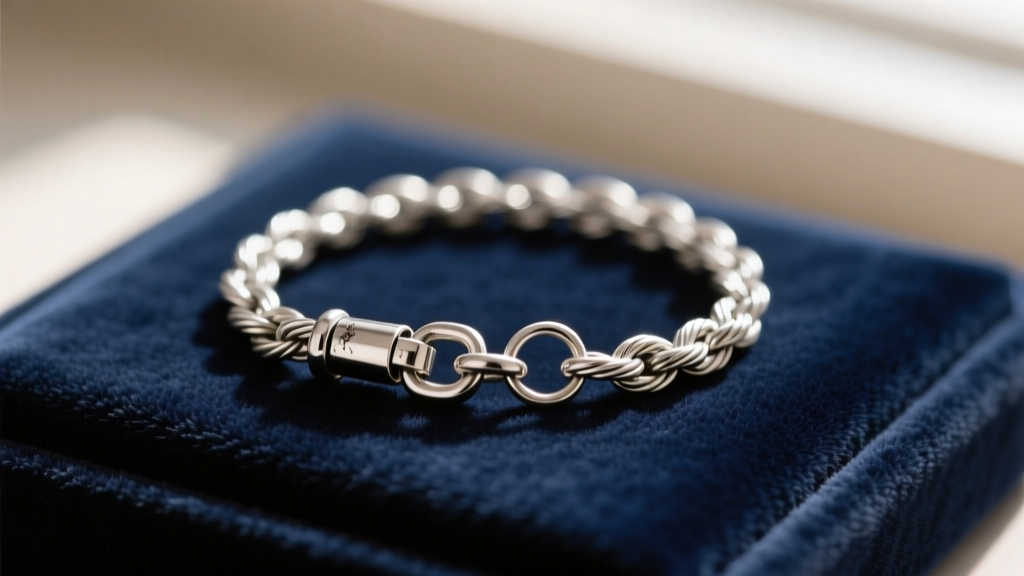
The jump ring is the small circular wire link that connects the hart pendant's bail to the chain, or the chain to the clasp. If a heavy stag pendant catches on a shirt collar, the sudden downward force pulls the jump ring laterally. Because standard jump rings have a single saw-cut slit, lateral torque will pull the slit open, allowing the chain to slip out and the necklace to fall off.
The Fix: If you find the jump ring gap has widened, do not simply push the two ends back together side-by-side. This weakens the metal. Instead, use two pairs of flat-nose pliers to grip the jump ring on either side of the cut. Twist the ends away from each other laterally to open it, slide the chain back in, and then twist them back together so the ends meet perfectly flush. For a permanent solution, have a jeweler solder the jump ring shut or replace it with a continuous (soldered) split ring.
Lobster Clasp Spring Fatigue
If the trigger on your lobster clasp feels mushy or fails to snap back into place, the internal stainless steel spring has likely fatigued or become clogged with skin oils and lint. While you can attempt to flush the clasp mechanism with a drop of 99% isopropyl alcohol and a blast of compressed air, a failing clasp on a heavy hart necklace is a liability. The Silver Institute recommends replacing compromised findings entirely rather than risking the loss of a valuable heirloom piece. Upgrade to a 5mm or 7mm solid cast lobster clasp for better leverage and security.
Enamel and Gemstone Inlay Restoration
Many heraldic hart necklaces, particularly those inspired by Scottish clan crests or medieval orders, feature enamel inlays on the pendant's border or the stag's crown. Over decades of wear, this enamel can chip or craze.
Expert Insight: Never attempt to fill chipped vitreous (kiln-fired) enamel with clear nail polish or superglue. The cyanoacrylate in superglue will yellow rapidly under UV light and will seep into the microscopic pores of the surrounding silver, making professional restoration nearly impossible.
If your hart necklace features chipped enamel, the repair path depends on the original material. If it is vitreous enamel (glass fused to metal at high heat), a specialist must pack new enamel powder into the recess and fire it with a torch or kiln. If it is cold enamel (a two-part jewelry epoxy resin), a jeweler can carefully scrape out the degraded resin, color-match a new batch of optical-grade epoxy, and cure it under a UV lamp. Both repairs require a steady hand and a microscopic understanding of the pendant's topography.
When to Seek a Professional Jeweler
While cleaning and minor jump-ring adjustments can be handled at home with care, certain hart necklace failures demand professional intervention. Take your pendant to a certified bench jeweler if:
- An antler tine has completely snapped off (requires laser welding to avoid melting the surrounding intricate details).
- The bail (the loop the chain passes through) has worn completely through due to metal-on-metal friction.
- The intentional liver of sulfur patina has been accidentally stripped by a commercial cleaning dip (requires chemical re-antiquing and selective polishing).
- There is structural cracking visible at the base of the antlers where they meet the stag's skull.
By understanding the unique metallurgical and structural realities of the hart necklace, you can preserve the rich history and striking beauty of the stag motif for generations to come. Treat the antlers with the same respect you would give to delicate gemstone prongs, and your hart pendant will remain a flawless centerpiece in your jewelry collection.


