Choosing the Best Metal for Your Horseshoe Pendant Necklace
Compare metals for your horseshoe pendant necklace. Discover the best materials for durability, skin safety, and style in our expert jewelry guide.

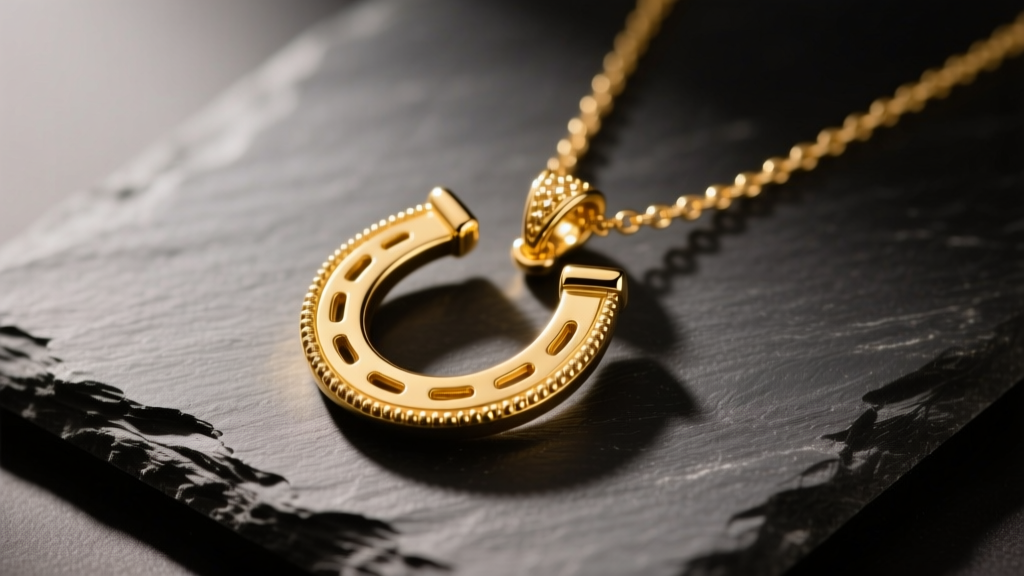
The Metallurgy of Luck: Why Material Matters in Horseshoe Pendants
The horseshoe pendant necklace has long transcended its equestrian roots to become a universal symbol of luck, protection, and rustic elegance. Whether worn with the ends pointing up to 'catch' good fortune or pointing down to 'shield' the wearer, the motif remains a jewelry box staple. However, the aesthetic appeal of a horseshoe pendant is only as enduring as the metal from which it is forged. In 2026, consumers are more educated than ever about metallurgical properties, skin sensitivities, and the long-term wearability of their accessories. Choosing the right alloy dictates not only the pendant's weight and luster but also its resistance to tarnish, scratching, and environmental degradation.
When selecting a horseshoe pendant necklace, you must evaluate the metal's hardness, its reaction to human sebum and environmental sulfur, and its compatibility with your chosen chain. This comprehensive material comparison breaks down the exact properties, failure modes, and pricing of the most popular metals used in horseshoe jewelry, ensuring your talisman of luck doesn't become a metallurgical liability.
The Big Four: Comparing Metals for Horseshoe Pendants
Sterling Silver (925): The Classic Equestrian Standard
Sterling silver is the most traditional choice for horseshoe pendants, offering a bright, reflective luster that mimics white gold at a fraction of the cost. By definition, 925 sterling silver consists of 92.5% pure silver and 7.5% alloying metals, usually copper. The copper is necessary to provide structural integrity, as pure silver (999) is too malleable to hold the intricate milgrain detailing or pave diamond prongs often found in premium horseshoe designs.
Failure Mode: The copper content makes sterling silver highly susceptible to tarnish. When exposed to atmospheric sulfur or the sulfur compounds in human sweat, the copper reacts to form silver sulfide, resulting in a dull, blackened patina. If your horseshoe pendant features a high-polish finish, expect to use a microfiber polishing cloth weekly. For a maintenance-free alternative, seek out rhodium-plated sterling silver, which adds a 0.05 to 0.1-micron barrier of platinum-group metal to prevent oxidation.
Solid Gold (14k vs. 18k): The Heirloom Investment
For those seeking a horseshoe pendant necklace that will survive generations without tarnishing, solid gold is the undisputed champion. However, the karat weight drastically alters the pendant's physical properties. 18k gold (75% pure gold) offers a rich, buttery yellow hue and excellent hypoallergenic properties, but it is relatively soft. If your horseshoe pendant features pave-set diamonds, 18k gold prongs are more prone to bending and losing stones upon impact.
Conversely, 14k gold (58.3% pure gold) is alloyed with higher amounts of copper, zinc, and silver. This increases its Vickers hardness, making it vastly superior for daily-wear pendants that might bump against zippers, steering wheels, or gym equipment. According to the Gemological Institute of America (GIA), 14k gold provides the optimal balance of rich color and structural durability for active lifestyles. Expect to pay between $350 and $800 for a solid 14k gold horseshoe pendant, depending on weight and gemstone accents.
Titanium & Surgical Steel: The Hypoallergenic Workhorses
For wearers with severe contact dermatitis or nickel allergies, titanium and surgical stainless steel offer bulletproof alternatives. Grade 5 Titanium (Ti-6Al-4V) is an aerospace-grade alloy that is 45% lighter than steel but boasts a significantly higher strength-to-weight ratio. A titanium horseshoe pendant will feel virtually weightless on the neck, making it ideal for oversized, chunky western-style designs that would otherwise cause neck strain in heavier metals.
Surgical steel (specifically 316L) is highly resistant to corrosion and tarnish, but it does contain trace amounts of nickel. While the nickel is usually bound tightly within the alloy matrix, the American Academy of Dermatology (AAD) warns that individuals with extreme nickel sensitivities may still experience reactions from prolonged sweat exposure. If you have a known allergy, bypass 316L steel entirely and opt for commercially pure Grade 2 Titanium or Grade 5, which are 100% nickel-free and biocompatible.
Brass & Bronze: The Rustic Patina Option
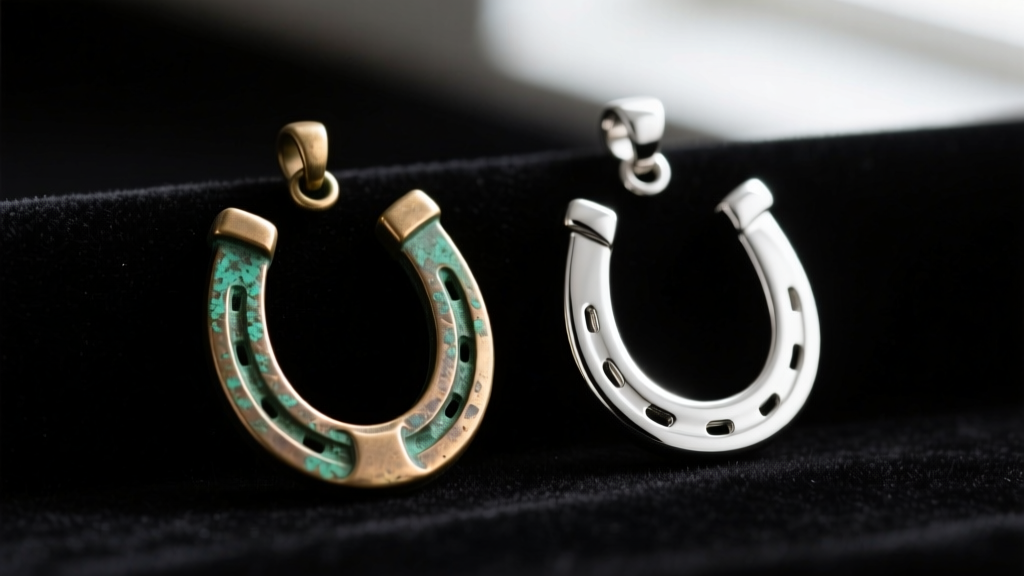
Brass (copper and zinc) and bronze (copper and tin) are heavily utilized in artisanal, western, and bohemian horseshoe pendants. These metals are prized specifically for their instability. Over time, exposure to oxygen, moisture, and skin acids causes these alloys to develop a dark, mottled patina, and eventually verdigris (a green copper carbonate crust). While some collectors love this 'antique' evolution, others find the green skin staining undesirable. To mitigate this, many modern brass pendants are sealed with a clear ceramic nano-coating or require monthly polishing with a mild acidic solution like lemon juice and baking soda.
Material Properties Comparison Chart
| Metal / Alloy | Composition | Hardness & Durability | Tarnish Risk | Est. Price Range (2026) |
|---|---|---|---|---|
| Sterling Silver (925) | 92.5% Ag, 7.5% Cu | Medium (Prone to scratching) | High (Requires polishing) | $40 - $150 |
| 14k Yellow Gold | 58.3% Au, Cu/Zn/Ag | High (Excellent for daily wear) | None | $350 - $800 |
| 18k Yellow Gold | 75% Au, Cu/Ag | Medium-Soft (Prongs may bend) | None | $600 - $1,400+ |
| Grade 5 Titanium | Ti-6Al-4V | Extremely High (Scratch resistant) | None | $60 - $180 |
| Raw Brass | Cu/Zn Alloy | Medium (Dents under pressure) | Extreme (Develops patina) | $25 - $85 |
Chain Pairing and the Threat of Galvanic Corrosion
A common mistake when assembling a horseshoe pendant necklace is ignoring the metallurgical compatibility of the pendant and the chain. When two dissimilar metals rest against each other in the presence of an electrolyte (like human sweat or ocean water), a galvanic cell is formed. This leads to galvanic corrosion, where the more anodic (less noble) metal rapidly degrades.
For example, pairing a raw brass horseshoe pendant with a sterling silver chain will cause the brass to corrode at an accelerated rate, potentially staining the silver chain with irreversible copper oxidation. To prevent this, always adhere to the rule of metallurgical uniformity: pair silver pendants with silver chains, gold with gold, and titanium with titanium or niobium. If you must mix metals for aesthetic contrast, ensure the pendant's bail (the loop that slides onto the chain) is lined with a neutral material like enamel or ceramic, or use a clear silicone O-ring as a physical barrier between the pendant and the chain.
Maintenance and Tarnish Prevention Framework
Proper care extends the life of your horseshoe pendant necklace, but the maintenance protocol varies wildly by material. Here is an actionable framework for preserving your jewelry:
- For Sterling Silver: Store in an anti-tarnish cloth pouch infused with activated charcoal. Avoid wearing in chlorinated pools, as chlorine reacts with the copper alloy to cause irreversible pitting and 'fire stain'.
- For Solid Gold: Clean monthly using a soft-bristled baby toothbrush and a solution of warm water with a single drop of mild, phosphate-free dish soap. This removes sebum buildup from the intricate crevices of the horseshoe's nail holes.
- For Titanium & Steel: These metals are virtually indestructible in standard environments. They can be safely cleaned in an ultrasonic jewelry cleaner without risk of chemical degradation.
- For Brass & Bronze: If you wish to maintain the bright, golden shine, apply a micro-thin layer of carnauba wax or Renaissance Wax after polishing. This creates a temporary moisture barrier that delays the onset of patina by several months.
Final Verdict: Which Metal Suits Your Lifestyle?
The ideal metal for your horseshoe pendant necklace depends entirely on your lifestyle and aesthetic preferences. If you desire a low-maintenance, heirloom-quality piece that can be worn in the shower, at the gym, and to the office without a second thought, 14k solid gold or Grade 5 Titanium are your best investments. Titanium offers a modern, industrial edge with unbeatable durability, while 14k gold provides timeless prestige and retains intrinsic value.
Conversely, if you appreciate the romantic, evolving nature of jewelry that tells a story through its wear and oxidation, a raw brass or unplated sterling silver horseshoe will develop a deeply personal patina unique to your body chemistry. Whichever metal you choose, understanding its properties ensures your symbol of luck remains a beautiful, functional staple in your wardrobe for years to come.


