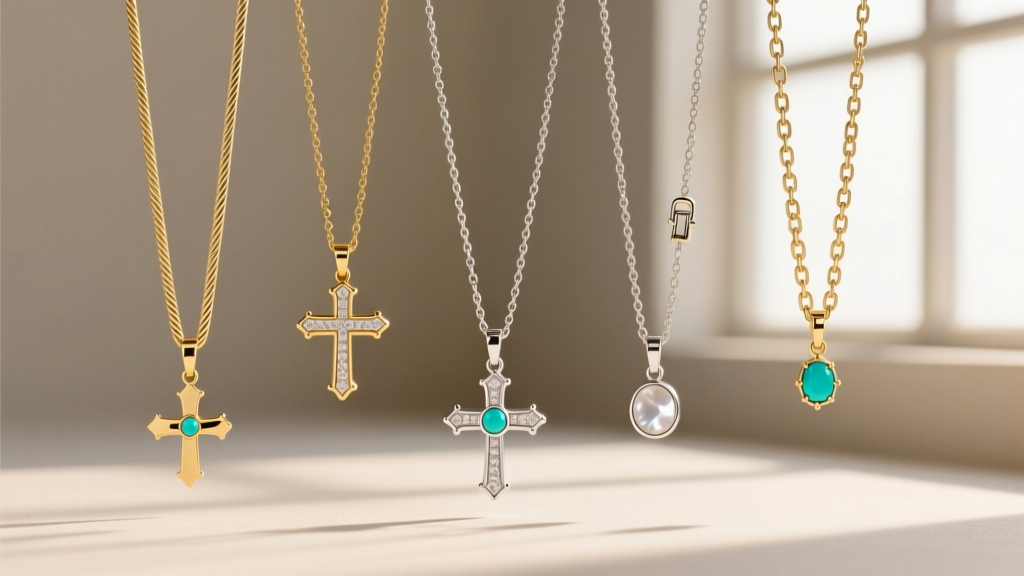
How to Style a Big Silver Cross Necklace: Step-by-Step Guide
Learn how to style, layer, and maintain a big silver cross necklace. Our step-by-step guide covers chain pairing, necklines, and tarnish prevention.
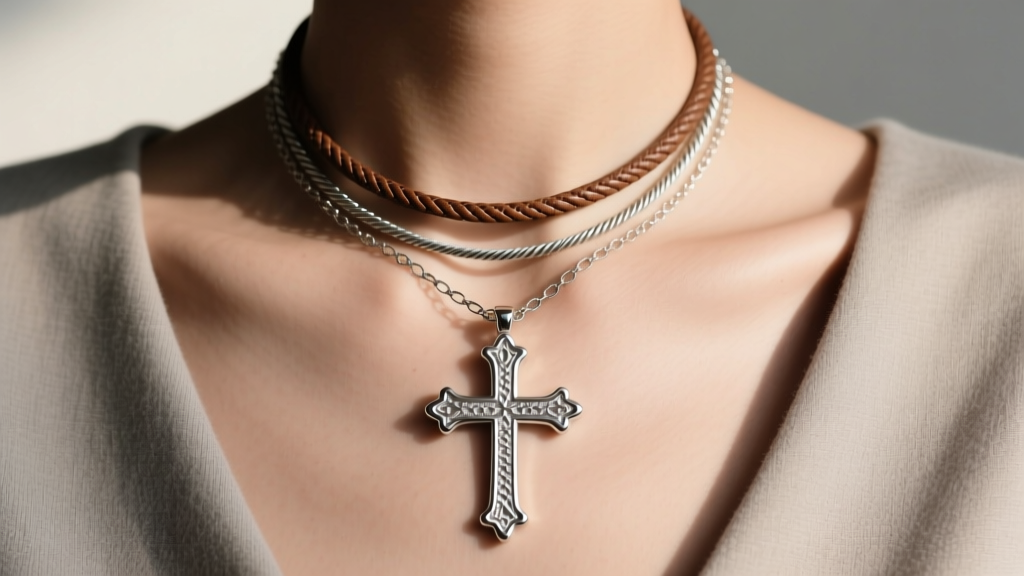

A big silver cross necklace is more than just a piece of jewelry; it is a bold sartorial anchor that can elevate a basic outfit into a deliberate, high-impact look. However, wearing a heavy, oversized pendant requires an understanding of proportion, metallurgy, and layering mechanics. If styled incorrectly, a statement cross can look costumey or, worse, cause physical damage to the chain and the pendant's bail. This comprehensive, step-by-step guide will walk you through the exact specifications, styling frameworks, and maintenance protocols required to wear and care for a large silver cross pendant with absolute confidence.
The Anatomy of a Statement Cross: Materials and Hardware
Before you drape a heavy piece of silver around your neck, you must understand what you are wearing. According to the Gemological Institute of America (GIA), pure silver is too soft for everyday jewelry, which is why it is alloyed. When shopping for a big silver cross necklace, you will typically encounter two main grades:
- 925 Sterling Silver: Composed of 92.5% silver and 7.5% copper. The copper adds necessary tensile strength but makes the alloy highly susceptible to tarnishing when exposed to sulfur and moisture.
- Argentium Silver (935 or 960): A modern alloy where some copper is replaced by germanium. This creates a transparent germanium oxide layer on the surface, making it highly tarnish-resistant and significantly more durable for heavy, everyday pendants.
Beyond the metal grade, inspect the bail—the loop that connects the cross to the chain. A large cross (typically weighing between 20g and 50g) requires a heavy-duty, fully soldered bail with an inner diameter of at least 5mm. Flimsy, glued, or narrow bails will experience severe friction wear when paired with thick chains, eventually leading to structural failure and a lost pendant.
Step-by-Step Guide to Styling Your Cross
Step 1: Match the Chain to the Pendant Weight
The most common mistake men and women make is hanging a massive 40-gram silver cross on a delicate 1.5mm cable chain. This creates a severe visual imbalance and puts excessive stress on the chain links, leading to snapping. For a big silver cross necklace, you need chains with high tensile strength and a width between 3mm and 6mm. Curb chains and Figaro chains are ideal because their interlocking, flattened links distribute weight evenly and resist kinking. Rope chains offer a brilliant, diamond-cut sparkle that complements highly polished crosses, but ensure they are at least 4mm thick to support heavy pendants safely.
Step 2: Balance the Neckline and Proportions
A large pendant demands a neckline that provides adequate visual breathing room. The geometry of your shirt collar dictates how the cross sits on your chest.

- Crew Necks: A 22-inch to 24-inch chain works best here, allowing the cross to rest below the collarbone and over the fabric, creating a stark, streetwear-inspired contrast.
- V-Necks and Open Collars: Opt for a 20-inch chain. The V-shape of the shirt naturally frames the V-shape of the cross pendant, drawing the eye directly to the center of the chest. Ensure the bottom tip of the cross does not disappear into the shirt's placket.
- Turtlenecks: A 26-inch to 28-inch chain worn over a dark, fitted turtleneck creates a sophisticated, avant-garde silhouette, allowing the silver to pop against the solid fabric backdrop.
Step 3: Layering Without Tangling
Layering a big silver cross necklace requires strict adherence to the 2-inch drop rule. If your base chain (like a simple silver choker or bead necklace) sits at 16 inches, the chain holding your large cross must be at least 18 or 20 inches. This gap prevents the heavy pendant from constantly striking and scratching the smaller chains. Furthermore, mix chain textures: pair a smooth, polished cross on a matte or oxidized curb chain to create depth and prevent the metals from visually bleeding into one another.
Chain Thickness vs. Pendant Weight Matrix
Use this reference chart to ensure your hardware is properly matched. Mismatched weights lead to bent links and broken clasps.
| Chain Type | Recommended Thickness | Max Pendant Weight | Best Cross Style |
|---|---|---|---|
| Cable | 2.0mm - 3.0mm | 10g - 15g | Lightweight, minimalist crosses |
| Curb | 4.0mm - 6.0mm | 20g - 45g | Heavy, big silver cross necklaces |
| Rope | 3.0mm - 5.0mm | 15g - 30g | Textured, vintage-style crosses |
| Figaro | 4.0mm - 7.0mm | 25g - 50g | Streetwear, oversized gothic crosses |
Step-by-Step Maintenance and Tarnish Prevention
Because large silver pieces have more surface area, they are highly visible when tarnish sets in. Tarnish is not dirt; it is a chemical reaction. Silver reacts with hydrogen sulfide in the atmosphere to form silver sulfide, which manifests as a dull, blackish film. To maintain the brilliant luster of your big silver cross necklace, follow these precise maintenance steps.
The Aluminum Foil Cleaning Method
For heavy tarnish, avoid abrasive pastes that can scratch intricate engravings on your cross. Instead, use an electrochemical reduction method. Line a glass bowl with aluminum foil (shiny side up). Place your silver cross inside and add two tablespoons of baking soda. Pour boiling water into the bowl until the piece is submerged. The heat and baking soda create an electrolytic bath, causing the sulfur to transfer from the silver to the aluminum foil. After three minutes, remove the cross with wooden tongs, rinse with distilled water, and buff dry with a microfiber cloth. The Jewelers of America highly recommends gentle, non-abrasive cleaning methods to preserve the patina and structural integrity of fine jewelry.

Proper Storage Protocols
Never toss a heavy silver cross into a communal jewelry box where it can scratch softer metals or gemstones. Store it in an airtight polyethylene ziplock bag. Crucially, include a 3M anti-tarnish strip or a small packet of silica gel inside the bag to absorb ambient moisture and neutralize sulfur gases. Hang the chain on a padded hook to prevent the links from kinking under the pendant's weight.
Common Styling Mistakes to Avoid
- Wearing it in the pool or ocean: Chlorine and saltwater will aggressively corrode the copper alloys in sterling silver, leading to irreversible pitting and weakening of the chain links.
- Ignoring the clasp: A heavy cross requires a sturdy lobster clasp or a locking carabiner clasp. Spring-ring clasps are entirely inadequate for pendants over 15 grams and will inevitably fail.
- Over-accessorizing: A big silver cross necklace is a focal point. Avoid wearing massive statement rings or heavy chandelier earrings simultaneously. Let the cross command the visual real estate.
Final Thoughts
Mastering the big silver cross necklace is about respecting the physics of the jewelry and the geometry of your wardrobe. By pairing the correct chain thickness, utilizing the 2-inch layering rule, and employing chemical rather than abrasive cleaning methods, you ensure that your statement piece remains a timeless, enduring element of your personal style for decades to come.