Is an Interchangeable Stone Necklace Worth It? 2026 Value Guide
We break down the true cost, mechanism durability, and long-term value of buying an interchangeable stone necklace in 2026.

The Promise and the Trap of Modular Jewelry
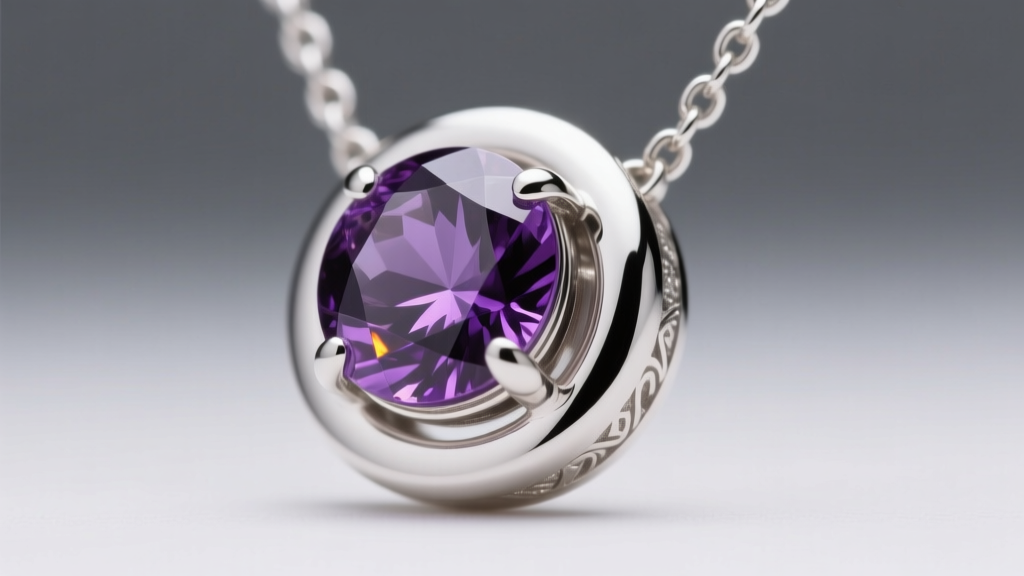
The modern jewelry market is saturated with the promise of endless versatility, and the interchangeable stone necklace sits at the very center of this marketing push. The concept is undeniably alluring: invest in a single, high-quality base chain and bezel setting, then swap out the center gemstone to match your outfit, mood, or the occasion. For the budget-conscious consumer in 2026, this modular approach sounds like a financial no-brainer. Why buy five separate necklaces when you can buy one chain and five loose stone inserts?
However, as with most 'buy once, use forever' consumer goods, the reality of interchangeable jewelry systems is far more complex than the advertising suggests. Behind the sleek Instagram ads lies a classic 'razor and blades' business model, mechanical vulnerabilities that can destroy your investment, and hidden material costs that budget brands conveniently omit. In this comprehensive value assessment, we are dismantling the interchangeable necklace trend to determine if it is a genuine budget hack or a cleverly disguised markup trap.
The Economics: The Razor and Blades Model
To understand the true value of an interchangeable stone necklace, you must first understand how these brands make their money. The base chain and the empty bezel setting act as the 'razor.' Brands often price the starter kit (chain plus one standard gemstone) at a highly competitive, sometimes razor-thin margin to get the hardware into your jewelry box. The profit center lies in the 'blades'—the additional interchangeable stone inserts.
While a standard fixed pendant necklace might retail for $60, a brand might sell their starter interchangeable kit for $85. The perceived value seems high until you realize that additional stones are priced at $35 to $65 each, despite costing the manufacturer only a fraction of that in raw materials and lapidary labor. Over a two-year period, a collector of interchangeable stones will often spend 30% to 40% more than they would have buying standalone, fixed-pendant necklaces from a traditional jeweler.
Mechanical Deep Dive: Where Budget Brands Fail
The most critical point of failure in any modular jewelry system is the mechanism that holds the stone to the chain. In 2026, the market is divided into three primary mechanism types, each with distinct durability profiles and hidden costs.
1. Screw-In Bezels (The Gold Standard)
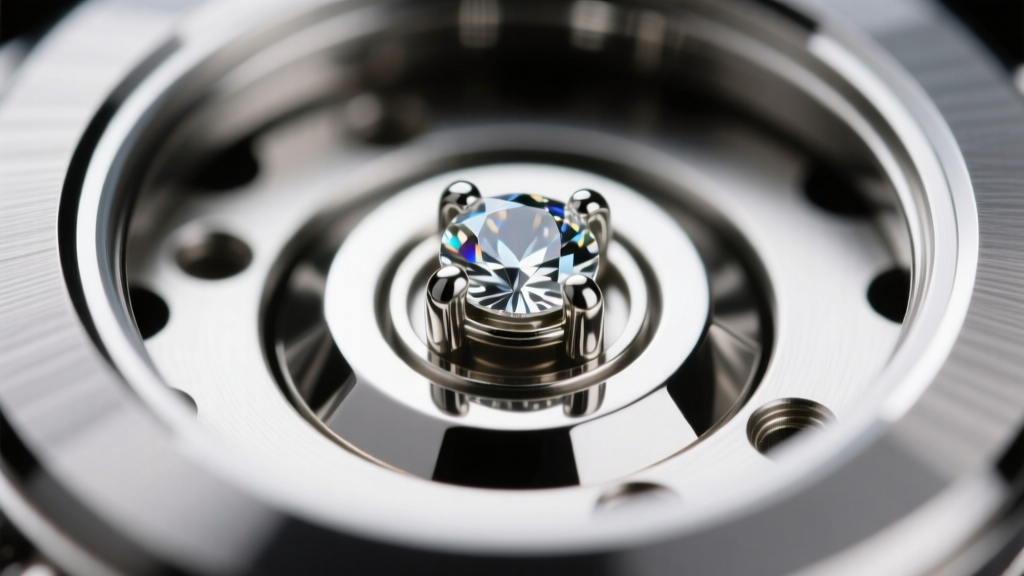
The most secure method involves a threaded bezel cup that screws onto a threaded post attached to the chain. High-end brands use micro-threading (typically a 1.5mm to 2.5mm pitch). However, this introduces a metallurgical risk known as galling. When two pieces of soft metal—like 925 sterling silver—are rubbed together under pressure, they can cold-weld and strip. If you cross-thread a silver screw-in bezel even once, you will strip the internal threads, instantly rendering your $120 base chain useless. Premium brands mitigate this by using a hardened stainless steel or titanium threaded core hidden inside the silver bezel, but budget brands rarely disclose this shortcut.
2. Magnetic Clasps (The Risk Zone)
Magnetic interchangeable systems use tiny neodymium magnets to snap the stone insert into the base chain. While incredibly convenient for quick swaps, they are a massive liability for active wearers. Neodymium magnets can degrade when exposed to high heat and the acidic pH of human sweat. Furthermore, the pull-strength of micro-magnets is easily overcome by the snag of a sweater or a heavy winter coat. The loss rate for magnetic stone inserts is staggeringly high, effectively turning your budget-friendly necklace into an expensive game of chance.
3. Snap-In Tension Bezels
These rely on a flexible metal lip that snaps over the girdle of the gemstone. While they require no threading or magnets, the metal lip fatigues over time. After 15 to 20 stone swaps, the silver or gold alloy loses its tensile memory, resulting in a loose fit that will inevitably drop your gemstone onto a hard floor.
Gemstone Durability and the Mohs Scale
Not all gemstones are meant to be handled repeatedly. When you buy an interchangeable stone necklace, you are subjecting your gems to constant friction, pressure, and the risk of impact. According to the Gemological Institute of America (GIA), a gemstone's durability is measured by its Mohs hardness and its toughness (resistance to chipping).
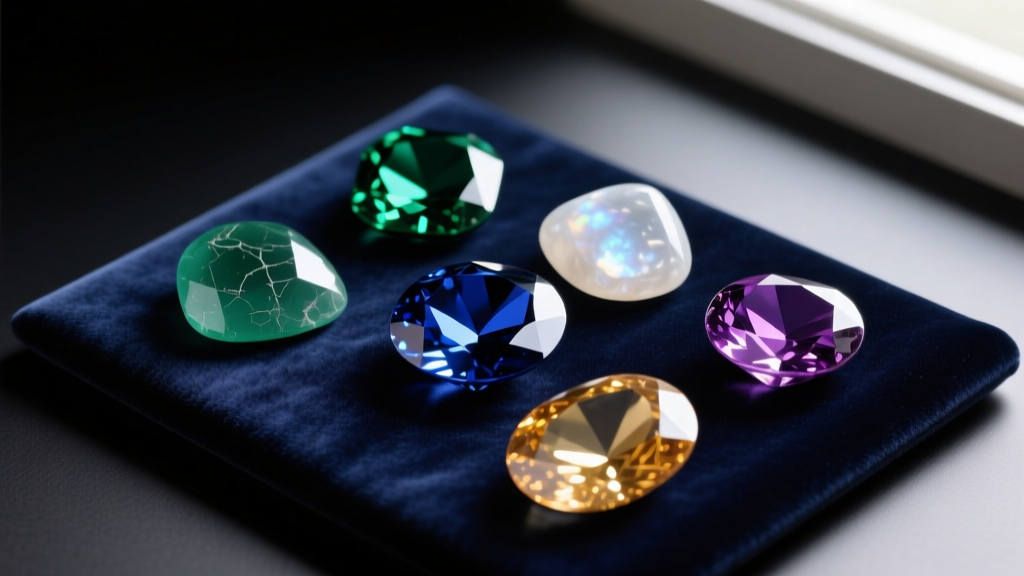
Stones like Sapphires (Mohs 9) and Diamonds (Mohs 10) are excellent candidates for interchangeable systems. They will not scratch when rubbed against a metal bezel, and they can withstand the torque of a screw-in mechanism. Conversely, highly popular interchangeable stones like Opals (Mohs 5.5-6.5), Moonstones (Mohs 6-6.5), and Emeralds (which possess poor toughness due to natural inclusions) are terrible choices for modular settings. The repeated pressure of screwing a metal bezel down onto an opal's girdle will almost certainly cause micro-fractures and eventual chipping. If you are investing in an interchangeable system, stick to corundum (sapphire/ruby) or cubic zirconia for your daily-swap stones.
2026 Cost Comparison: Interchangeable vs. Fixed Pendants
Let us look at the actual math. Below is a comparative breakdown of the costs associated with achieving three distinct 'looks' over a one-year period, comparing a modular system against buying three separate traditional necklaces.
| Necklace Strategy | Initial Cost (Base + 1 Stone) | Cost for 2 Extra Stones | Total 1-Year Spend | Secondary Market Value |
|---|---|---|---|---|
| Interchangeable System (925 Silver) | $85 - $140 | $50 - $90 | $135 - $230 | Low (Proprietary lock-in) |
| 3 Separate Fixed Pendants (925 Silver) | $45 - $75 (per necklace) | N/A (Included) | $135 - $225 | Moderate (Universal appeal) |
| Interchangeable System (14k Solid Gold) | $450 - $800 | $120 - $250 | $570 - $1050 | High (Melt + gem value) |
As the data illustrates, the 925 silver interchangeable system rarely saves you money compared to buying three distinct, high-quality fixed pendants. The true financial danger lies in the secondary market. If you decide to sell a traditional diamond pendant, any jeweler or private buyer will purchase it. If you attempt to sell three loose interchangeable stone inserts, your buyer pool is strictly limited to individuals who already own that specific brand's base chain. This proprietary lock-in severely depresses the resale value of modular jewelry.
Material Grades and FTC Standards
When assessing the budget of an interchangeable necklace, pay close attention to the metal plating. The Federal Trade Commission (FTC) strictly regulates jewelry metal markings. For a piece to be legally sold as 'Gold Vermeil' in the United States, it must feature a sterling silver base plated with at least 2.5 microns of gold.
Budget interchangeable brands frequently use 'flash plating' (often less than 0.1 microns of gold over brass or cheap silver). Because the threading mechanism of an interchangeable necklace requires metal-on-metal friction every time you swap a stone, flash-plated threads will wear down to the base metal within two to three months. Once the threads are exposed, they will tarnish, seize up, and eventually snap. If you are buying a gold-toned interchangeable system, you must demand solid 14k gold or certified heavy vermeil; anything less is a guaranteed mechanical failure.
Maintenance and Hidden Costs
Owning a modular necklace requires a maintenance regimen that fixed pendants do not. The threaded posts must be cleaned regularly with a soft brush and isopropyl alcohol to remove skin oils and lotion buildup, which can act like cement inside the micro-threads. Furthermore, premium systems utilize tiny silicone O-rings or nylon washers inside the bezel cup to provide tension and prevent the stone from spinning. These O-rings degrade, dry out, and snap over time. While they cost pennies to replace, sourcing proprietary micro-washers from the original manufacturer can incur exorbitant shipping and handling fees, adding yet another hidden cost to your 'budget-friendly' jewelry box.
Final Verdict: Who Actually Saves Money?
So, is an interchangeable stone necklace worth the investment in 2026? The answer depends entirely on your lifestyle and wearing habits.
The system is worth it for: Frequent travelers who want to pack light but desire multiple evening looks, provided they invest in a solid 14k gold screw-in mechanism and stick to high-Mohs gemstones like sapphires. The cost-per-wear justifies the initial hardware expense.
The system is a trap for: Budget-conscious buyers who simply want a variety of everyday jewelry. If your goal is to own a moonstone, a pearl, and a garnet necklace for daily wear, you will save money, avoid mechanical frustrations, and retain better resale value by purchasing three separate, traditional fixed-pendant necklaces. Modular jewelry is a triumph of marketing over metallurgy, and true value is only found by those who understand its mechanical limitations.


