Magnetic Clasps for Necklaces: A Beginner's Guide to Secure Closures
Learn how to choose and use magnetic clasps for necklaces. We cover neodymium grades, tube vs. barrel shapes, and safety tips for secure wear.

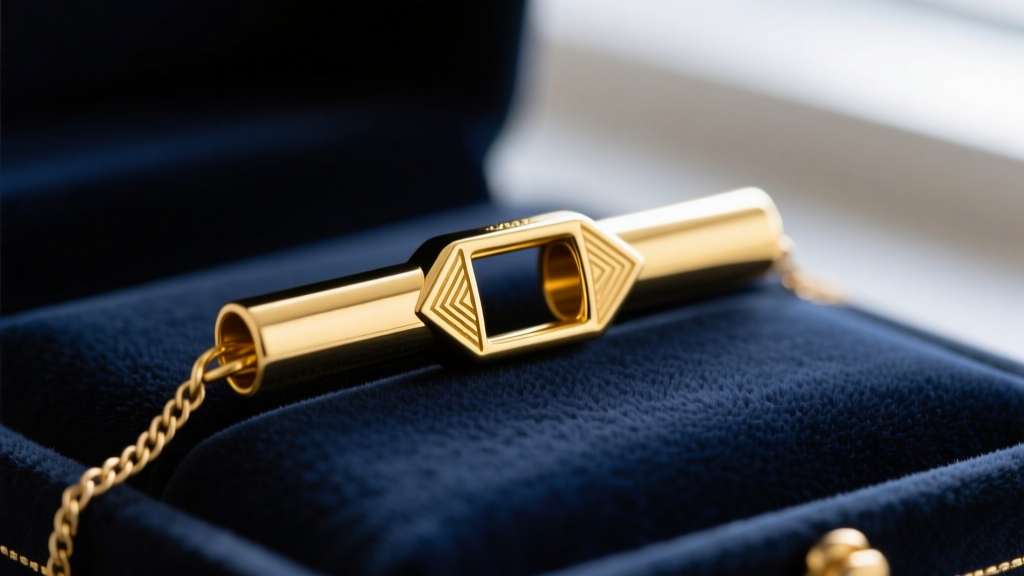
The End of the Lobster Claw Struggle
For decades, the lobster claw and spring ring have been the default closures for fine and fashion jewelry. However, for individuals with arthritis, neuropathy, long acrylic nails, or simply poor lighting in the bathroom, fastening a tiny 6mm clasp behind the neck is an exercise in frustration. Enter magnetic clasps for necklaces: an ergonomic, accessible, and increasingly stylish alternative that utilizes rare-earth magnets to snap securely into place. But not all magnetic closures are created equal. A cheap clasp can result in a lost diamond pendant, while a poorly engineered one can trigger skin allergies. This beginner-friendly explainer breaks down the metallurgy, mechanics, and safety protocols you need to know before upgrading your jewelry box.
Understanding Magnet Grades: Neodymium vs. Ceramic
The secret to a reliable magnetic clasp lies in the core material. Modern jewelry predominantly uses Neodymium (NdFeB) rare-earth magnets, which are vastly superior to older ceramic (ferrite) magnets. Neodymium magnets are graded by their maximum energy product, measured in Mega-Gauss Oersteds (MGOe). When shopping for magnetic clasps for necklaces, you will typically encounter three grades:
- N35 (Standard Grade): Offers a moderate pull force (roughly 3 to 5 lbs). Ideal for lightweight chains, delicate pearl strands, and hollow gold jewelry. It provides enough hold to keep the necklace secure without putting excessive strain on fragile jump rings.
- N42 (Medium Grade): The sweet spot for most everyday jewelry. With a pull force of 6 to 9 lbs, it easily supports medium-weight chains, gemstone bead necklaces, and standard pendants.
- N52 (High Grade): The strongest commercially available neodymium grade, boasting a pull force exceeding 12 lbs. While it sounds ideal, N52 is often too strong for delicate jewelry; the sheer force required to pull the magnets apart can accidentally bend open unsoldered jump rings or snap fragile chain links.
According to jewelry supply experts at Halstead Bead, matching the magnet grade to the weight of your necklace is critical to preventing structural failure at the connection points.
Shape and Size: Tube, Barrel, and Sphere Clasps
The physical shape of the clasp housing dictates how it handles different types of physical stress. Magnets have incredible pull force (resistance to being pulled straight apart) but relatively weak shear force (resistance to sliding sideways). The shape of the clasp mitigates this vulnerability.
| Clasp Shape | Best For | Shear Resistance | Average Price Range |
|---|---|---|---|
| Tube | Heavy chains, layered necklaces | High (Long surface area prevents sliding) | $18 - $45 |
| Barrel | Everyday wear, medium pendants | Medium (Can roll against the skin) | $15 - $35 |
| Sphere | Lightweight beads, minimalist chains | Low (Prone to sliding if bumped) | $12 - $28 |
Tube clasps are highly recommended for valuable pendants because their elongated design creates a physical track that prevents the two halves from sliding past one another when subjected to lateral movement.
The Crucial Role of Safety Chains and Leashes
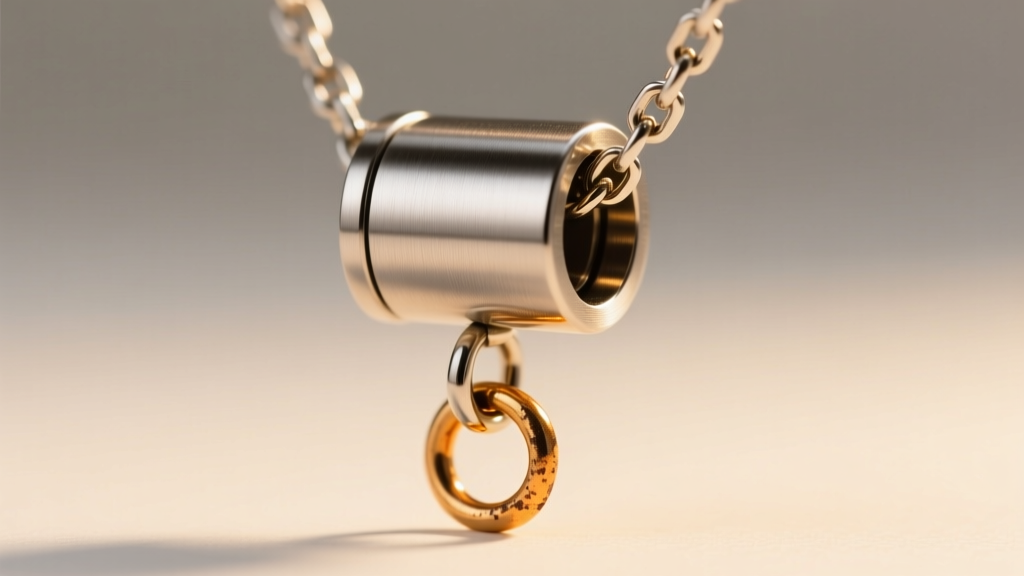
Because all magnetic clasps are vulnerable to shear force—a sudden sideways bump against a doorway or a heavy coat collar can cause the magnets to slide apart—a secondary security measure is non-negotiable for expensive jewelry. This is where the safety chain (or leash) comes in.
A proper safety leash is a short, flexible cable (usually 1 to 1.5 inches long) that connects the two sides of the necklace independently of the magnets. If a lateral bump causes the neodymium cores to slide apart, the leash catches the necklace before it falls to the floor. When purchasing magnetic clasps for necklaces, always look for designs that feature an integrated figure-8 safety chain or a secondary locking latch mechanism.
Step-by-Step: How to Attach a Magnetic Clasp
Installing a magnetic clasp requires a bit more foresight than swapping a standard lobster claw. Because the pull force of neodymium is so aggressive, the connection points on your chain must be reinforced.
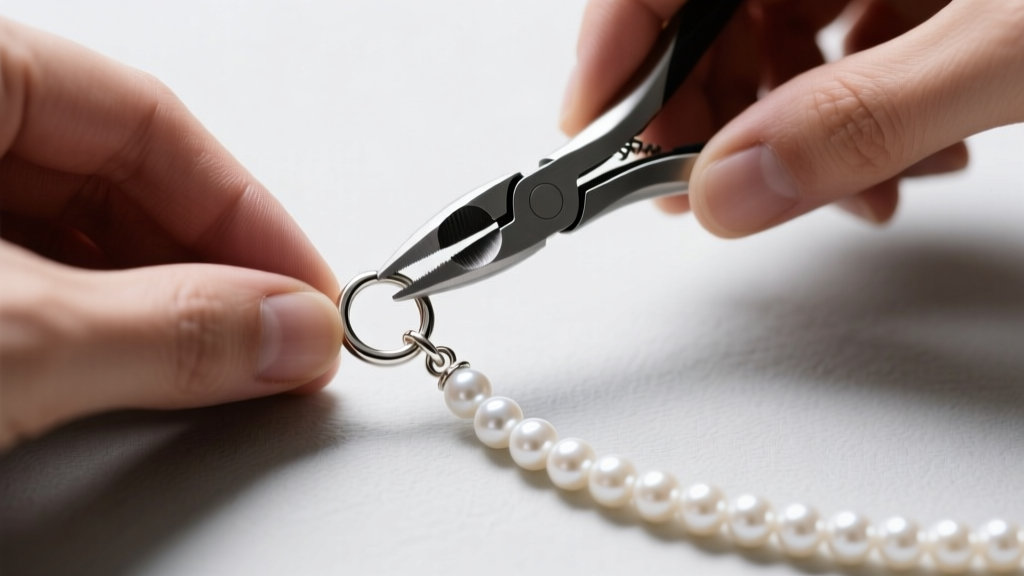
- Inspect Your Jump Rings: Never attach a magnetic clasp using a standard split ring or an unsoldered open jump ring. The magnetic pull will eventually warp the metal and pull the gap open. You must use a soldered (closed) jump ring or a heavy-duty wire-wrapped loop.
- Use the Right Tools: According to the master jewelers at Rio Grande, using two pairs of flat-nose pliers to twist an open jump ring laterally (rather than pulling it apart outward) preserves the structural integrity of the metal.
- Attach the Leash First: Thread your safety chain onto the soldered jump ring before closing it, ensuring the secondary security is permanently anchored to the chain.
Common Failure Modes and Health Warnings
While magnetic clasps for necklaces are highly effective, they are not suitable for every individual or environment. Be aware of these critical failure modes and health contraindications:
The Pacemaker Interference Risk
High-grade neodymium magnets (N42 and N52) generate strong localized magnetic fields. The American Heart Association and various medical device manufacturers warn that strong magnets can temporarily interfere with the operation of pacemakers and implantable cardioverter defibrillators (ICDs). If you or the wearer has a cardiac device, avoid wearing magnetic clasps that rest directly over the chest. Opt for longer necklaces (24 inches or more) where the clasp rests at the nape of the neck, or choose a mechanical clasp instead.
Nickel Allergies and Plating Wear
Raw neodymium magnets are highly reactive and will corrode rapidly if exposed to sweat and moisture. To prevent this, the magnets are almost always plated in a Nickel-Copper-Nickel (Ni-Cu-Ni) layer. While the outer casing of the clasp (sterling silver or gold vermeil) protects you initially, heavy wear can eventually expose the nickel underplate. If you have a severe nickel allergy, ensure you purchase solid 14k gold or 316L surgical stainless steel magnetic clasps, which utilize advanced internal shielding to prevent skin contact with the magnet core.
Expert Maintenance Tip: To maintain the snapping power of your magnetic clasp, wipe the connection points with a microfiber cloth weekly. Skin oils, lotions, and fine dust can build up on the flat faces of the magnets, creating a microscopic barrier that reduces the magnetic pull force by up to 20%.
Final Thoughts on Upgrading Your Jewelry
Transitioning to magnetic clasps for necklaces is one of the most practical upgrades you can make to your daily jewelry routine. By prioritizing N35 or N42 neodymium grades, selecting a tube shape for maximum shear resistance, and strictly utilizing a safety leash, you transform a frustrating daily chore into a seamless, satisfying snap. Whether you are adapting a vintage heirloom for an aging parent or simply treating yourself to a more accessible luxury, understanding the mechanics behind the magnet ensures your precious pendants stay exactly where they belong.


