Magnetic Necklace Trends 2026: Kinetic Style & Modular Layering
See how the magnetic necklace evolved in 2026 from wellness gear to kinetic high fashion. Explore modular layering, N52 magnets, and expert styling tips.

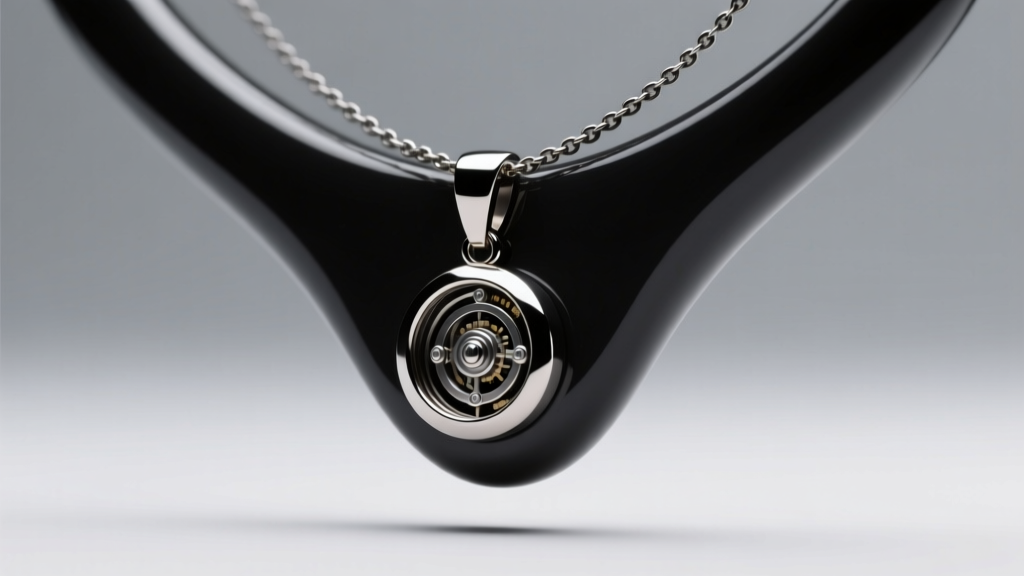
The Renaissance of the Magnetic Necklace in High Fashion
For decades, the magnetic necklace was largely confined to the realm of alternative wellness and athletic recovery—often characterized by bulky copper links and visible, unrefined magnets. However, the 2026 jewelry landscape has completely re-engineered this narrative. Today, the magnetic necklace stands at the forefront of the kinetic jewelry movement, blending advanced material science with high-fashion modularity. Designers are no longer hiding the magnets; they are utilizing magnetic repulsion and attraction to create floating pendants, seamless modular chains, and transformative layering systems that adapt to the wearer's movements.
This shift from purely therapeutic gadgets to aesthetic masterpieces is driven by advancements in micro-magnetization and hypoallergenic housing. As consumers demand jewelry that is both interactive and visually striking, the modern magnetic necklace offers a tactile experience that traditional clasps and static pendants simply cannot match.
Material Science: Beyond Basic Copper and Steel
The foundation of any premium magnetic necklace lies in its core components. In 2026, top-tier jewelers have abandoned standard ferrite magnets in favor of rare-earth neodymium, while upgrading the outer housing to aerospace-grade metals.
Magnet Grades: N42 vs. N52 Neodymium
Neodymium Iron Boron (NdFeB) magnets are the industry standard for high-end kinetic jewelry. According to material specifications outlined by K&J Magnetics, the "N" rating denotes the magnet's Maximum Energy Product (BHmax). While an N42 magnet is sufficient for lightweight clasps, the 2026 trend heavily favors N52 grade neodymium. An N52 magnet provides up to 25% more pull force than an N42 of the exact same dimensions. This allows designers to use micro-magnets (as small as 2mm x 1mm) that maintain a secure hold without adding visible bulk to delicate snake or box chains.
Housing Materials: PVD Titanium and Matte Ceramic
To house these powerful magnets, jewelers are turning to Grade 5 Titanium (Ti-6Al-4V) and high-density zirconia ceramic. As noted in materials research by GIA News & Research, Physical Vapor Deposition (PVD) coating on titanium creates a surface that is up to four times more scratch-resistant than traditional electroplating. This means a PVD-coated titanium magnetic clasp will not degrade or expose the raw magnet to skin oils, ensuring the piece remains hypoallergenic and visually pristine for years.
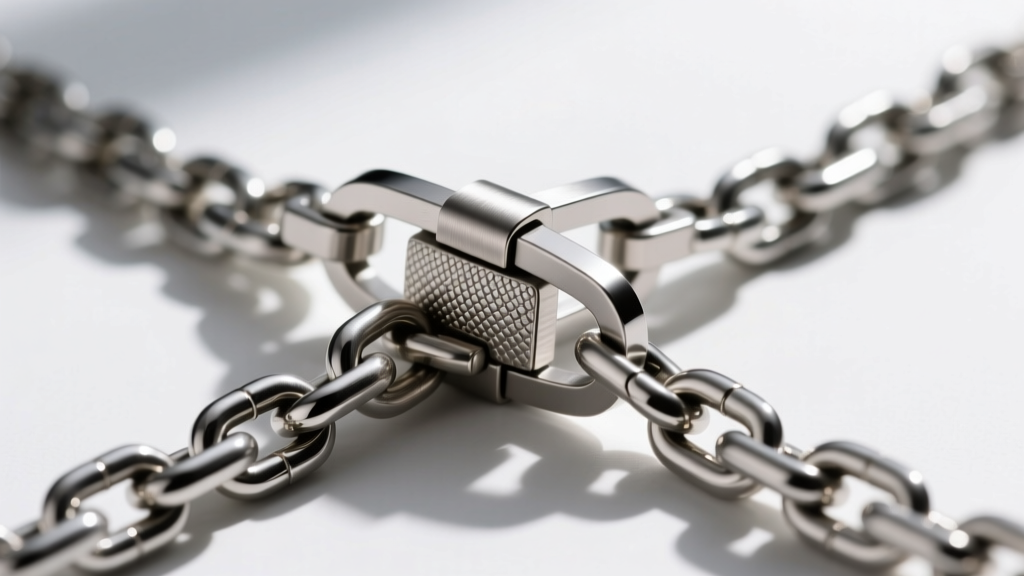
The Kinetic Jewelry Movement: Modular & Transformative Designs
The most defining trend of the magnetic necklace in 2026 is "kinetic modularity." This design philosophy treats the necklace not as a single static piece, but as a customizable system. Magnetic nodes allow wearers to snap together different chain textures—such as a matte black ceramic link segment and a polished 316L stainless steel rope chain—in seconds, without the need for traditional lobster clasps or jump rings.
Furthermore, "repulsion pendants" have taken center stage. By encasing two opposing N52 magnets within a transparent sapphire crystal or a hollowed-out titanium track, designers create pendants that continuously float and oscillate with the wearer's heartbeat and movements. This kinetic energy transforms the necklace into a living, breathing accessory.
Comparison of Magnetic Clasp Types & Hold Strength
Understanding the mechanics of magnetic closures is crucial for both designers and collectors. Below is a breakdown of the primary magnetic systems used in contemporary necklaces:
| Clasp Type | Magnet Grade | Avg. Pull Force | Best Use Case |
|---|---|---|---|
| Neo-Cylinder Slide | N42 | 8 - 12 lbs | Lightweight chains, minimalist daily wear |
| Mag-Lock Dual Pin | N52 | 15 - 22 lbs | Heavy Cuban links, multi-strand layering |
| Repulsion-Float Track | N52 (Opposing) | N/A (Kinetic) | Statement pendants, interactive art jewelry |
| Micro-Sphere Node | N52 | 4 - 6 lbs | Modular chain connectors, charm attachment |
Styling Framework: Layering Magnetic Chains Without Tangling
Layering multiple magnetic necklaces presents a unique challenge: if the polarities align, the chains will snap together, causing severe tangling and potential damage to the links. To master the 2026 layered magnetic aesthetic, follow this structural framework:
- The Polarity Offset Rule: When purchasing modular sets, ensure the designer has alternated the magnetic poles (North/South) on the clasps of different lengths. This creates a natural repulsion between the chains, keeping them separated on your collarbone.
- Length Differentials: Maintain a strict 2-inch to 3-inch gap between layers. A 16-inch choker with a micro-sphere node, an 18-inch snake chain with a sliding cylinder, and a 22-inch rope chain with a heavy mag-lock pendant provide the ideal visual cascade.
- Weight Anchoring: Always place the heaviest magnetic pendant on the longest chain. The kinetic swing of the bottom layer will naturally push the lighter, shorter layers outward, creating a dynamic, fanned-out silhouette.
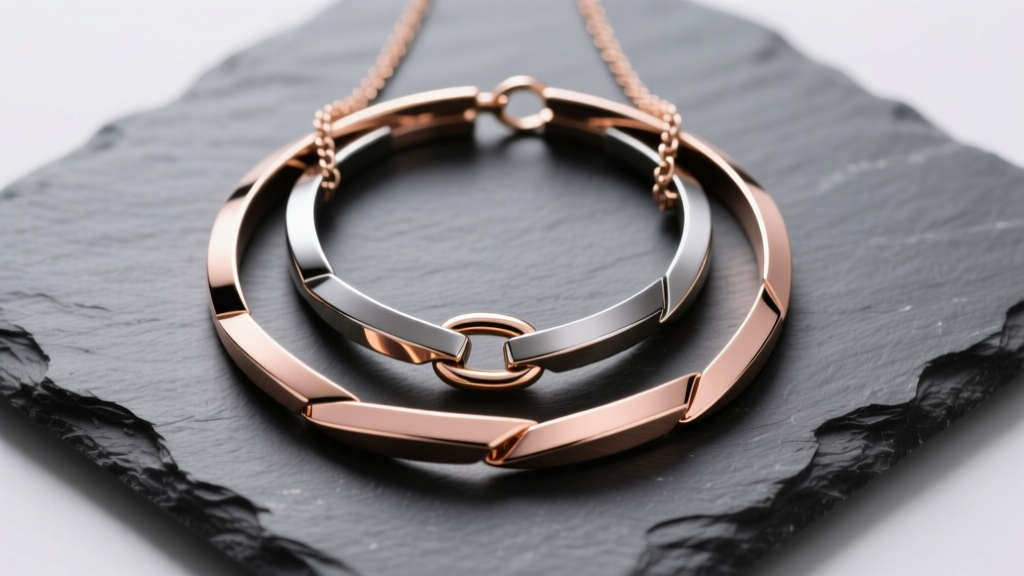
Troubleshooting & Care: Preventing Demagnetization
Despite their incredible strength, neodymium magnets have specific environmental vulnerabilities that jewelry owners must respect. The most common failure mode for a magnetic necklace is thermal demagnetization. Standard N-grade neodymium magnets have a maximum operating temperature of 80°C (176°F). While normal body heat and summer weather are perfectly safe, wearing your magnetic jewelry in a sauna, a hot tub, or leaving it on the dashboard of a car in direct sunlight can permanently degrade the magnet's gauss rating, causing the clasp to fail.
Additionally, moisture ingress is a critical threat. Raw neodymium is highly susceptible to oxidation. Premium necklaces utilize a triple-layer Ni-Cu-Ni (Nickel-Copper-Nickel) plating on the magnet itself before it is sealed inside the titanium or steel housing. If the outer housing is deeply scratched or the epoxy seal fails, sweat and humidity will cause the magnet to corrode, expand, and eventually crumble into a metallic powder. Always dry your magnetic necklaces thoroughly with a microfiber cloth after exposure to moisture, and avoid ultrasonic cleaners, which can vibrate the epoxy seals loose.
2026 Market Tiers: What Should You Pay?
As the magnetic necklace has moved into the luxury and boutique spaces, pricing has stratified based on material integrity and kinetic complexity. Entry-level pieces (typically 316L stainless steel with N42 magnets and basic epoxy seals) range from $45 to $85. Mid-tier designer pieces featuring PVD-coated titanium, N52 micro-magnets, and precision-machined Mag-Lock clasps command between $120 and $280. At the apex, artisan kinetic jewelry featuring sapphire-glass repulsion tracks and aerospace-grade ceramics can easily exceed $450. When investing in the higher tiers, always request the manufacturer's spec sheet to verify the magnet grade and the exact composition of the housing alloy.


