Marie Antoinette and the Diamond Necklace: Spotting Fakes
Explore the scandal of Marie Antoinette and the diamond necklace to learn modern troubleshooting for authenticating antique and high-carat diamond jewelry.

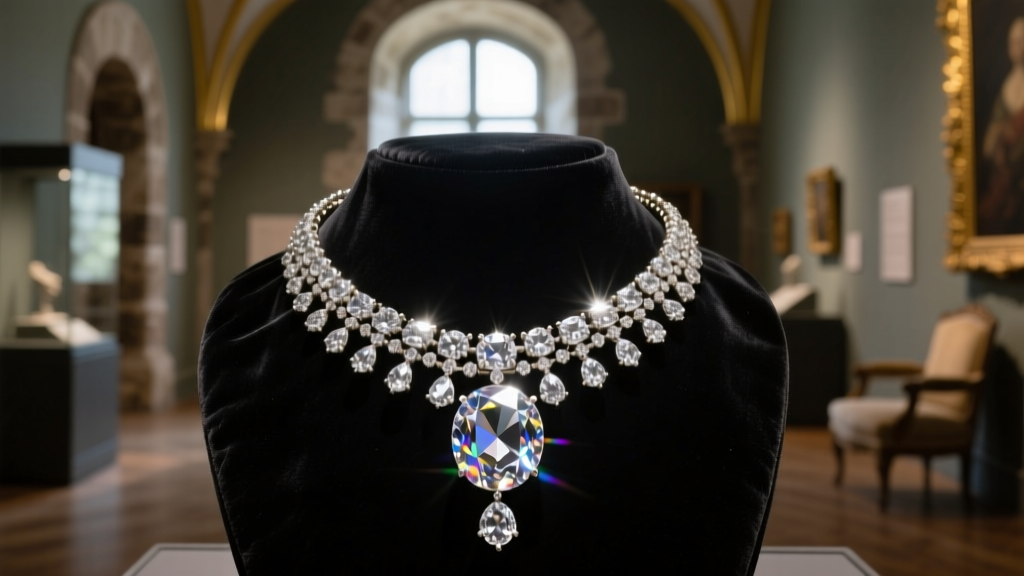
The Anatomy of History's Greatest Jewelry Scam
The story of Marie Antoinette and the diamond necklace is not merely a tale of 18th-century court intrigue; it is the foundational case study in high-stakes jewelry fraud. In the 1770s, jewelers Charles Auguste Boehmer and Paul Bassange constructed a staggering piece featuring 647 diamonds and weighing approximately 2,800 carats. The con artist Jeanne de Valois-Saint-Rémy orchestrated a complex scheme, forging letters and using a prostitute to impersonate the Queen, ultimately tricking Cardinal de Rohan into purchasing the 1.6 million-livre necklace on credit. The scandal severely damaged the monarchy's reputation and serves as a timeless warning about the dangers of unverified provenance.
While modern buyers are unlikely to be tricked by a prostitute in a dark garden, the psychological vulnerabilities that the Cardinal fell for—blind trust in intermediaries, the allure of royal provenance, and the failure to independently verify gemological data—are exactly the same tactics used by fraudsters in today's antique and estate jewelry market. As of 2026, with the proliferation of advanced lab-grown diamonds and sophisticated forgery techniques, troubleshooting high-carat antique necklaces requires rigorous, multi-layered gemological diagnostics.
Modern Troubleshooting: High-Carat Necklace Fraud
When evaluating an estate diamond necklace purported to be from the 18th or 19th century, the primary problem is material anachronism. Fraudsters frequently take modern synthetic stones and set them into genuine antique mountings, or they entirely fabricate 'antique-style' pieces. Here is how to troubleshoot the most common material deceptions.
Problem 1: Lab-Grown Diamonds in Antique Settings
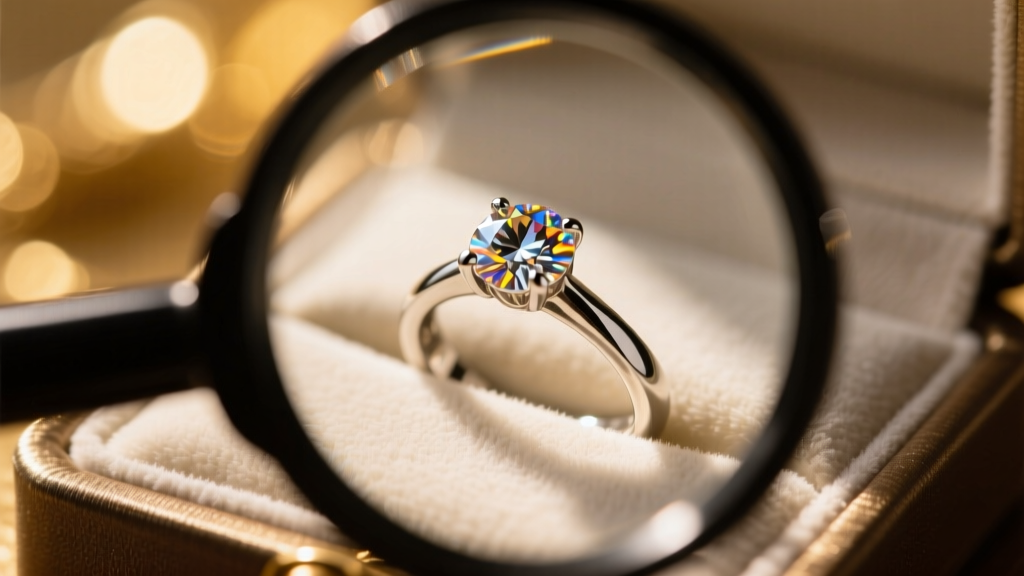
Chemical Vapor Deposition (CVD) and High-Pressure High-Temperature (HPHT) diamonds are chemically identical to natural diamonds. A standard thermal diamond tester will not differentiate them. To troubleshoot this, you must examine the stones under magnification and specialized lighting.
- HPHT Metallic Flux: HPHT diamonds are grown using metallic catalysts. Under a 10x triplet loupe or microscope, look for tiny, opaque metallic inclusions. If the stone is heavily included with metallic flux, it will actually be attracted to a strong neodymium magnet—a dead giveaway that the stone is not a natural antique diamond.
- CVD Strain Patterns: CVD diamonds often exhibit distinct strain patterns when viewed between crossed polarizing filters. Natural antique diamonds (like Old Mine or Old European cuts) display irregular, patchy strain patterns, whereas CVD stones often show a uniform, banded, or cross-hatched strain pattern.
- Laser Inscriptions: Always inspect the girdle of every stone in the necklace. While reputable labs laser-inscribe lab-grown diamonds, fraudsters sometimes polish the girdle to remove the inscription. A polished, unnaturally smooth girdle on an otherwise 'antique' cut stone is a massive red flag.
Problem 2: The Moissanite Bypass
Moissanite (silicon carbide) is a common diamond simulant that possesses thermal conductivity similar to diamond, meaning it will fool basic battery-operated diamond testers. The troubleshooting solution is electrical conductivity. Diamonds are generally electrical insulators (with the rare exception of natural blue boron-doped diamonds), whereas moissanite is electrically conductive. Any high-end estate buyer must carry a combined thermal/electrical conductivity tester to instantly flag moissanite.
Diagnostic Table: Testing Antique Diamond Necklaces
To systematically verify the authenticity of an antique diamond necklace, follow this diagnostic matrix. This framework isolates variables to pinpoint specific failure modes in authentication.
| Diagnostic Test | Natural Antique Diamond | Lab-Grown (HPHT/CVD) | Moissanite / Simulant |
|---|---|---|---|
| Thermal Conductivity | Passes (High) | Passes (High) | Passes (High) |
| Electrical Conductivity | Fails (Insulator)* | Fails (Insulator) | Passes (Conductive) |
| UV Fluorescence (Long Wave) | Often Blue (variable) | Often Inert or Orange/Red | Inert or Weak |
| Magnetism (Neodymium) | No Reaction | HPHT may react (flux) | No Reaction |
| Cut Proportions (10x Loupe) | High crown, open culet, squarish/round | Modern ideal brilliant proportions | Doubling of facet junctions |
*Note: Natural fancy blue diamonds contain boron and will conduct electricity. However, these are exceptionally rare and require specialized spectroscopic verification.
Metallurgy and Hallmark Troubleshooting
A necklace is only as authentic as its weakest link. Fraudsters often use genuine antique clasps and attach them to modern, machine-made chains. According to the Federal Trade Commission (FTC) Jewelry Guides, precious metal markings must be accurate and accompanied by a registered trademark. However, antique pieces predate modern FTC regulations, requiring historical hallmark knowledge.
If a seller claims a diamond necklace is French and dates to the 1780s (the era of Marie Antoinette), but the clasp bears the French Eagle's Head hallmark, you have a problem. The Eagle's Head (Tête d'Aigle) was introduced in 1838 to denote 18k gold. An 18th-century piece would not have this stamp. You must also check the chain links under magnification. Antique links were hand-drawn and soldered; they will show slight irregularities, file marks, and softer solder seams. Modern machine-made chains feature perfectly uniform, laser-welded links with no visible solder seams.
Provenance Verification: Avoiding the Cardinal de Rohan Trap
The Cardinal de Rohan's fatal flaw was relying on forged letters and the word of a charismatic middleman rather than demanding direct, verifiable proof from the principal (the Queen). In the 2026 estate jewelry market, the 'forged letters' take the form of fabricated GIA or AGS grading reports, or fake auction house stickers.
Never accept a printed grading report at face value. Scammers routinely photocopy legitimate GIA reports and pair them with inferior or synthetic necklaces. To troubleshoot provenance:
- Verify the Report Number: Use the Gemological Institute of America (GIA) Report Check database online. Type in the exact laser-inscribed number from the diamond's girdle, not just the number printed on the paper.
- Check the Carat Weight to the Milligram: Weigh the entire necklace and individual stones on a calibrated gem scale. If the necklace comes with a historical appraisal from a reputable auction house, the total carat weight and specific stone measurements must match the physical item exactly.
- Trace the Exhibition History: If the piece is touted as having 'royal provenance' or museum exhibition history, consult the archives of institutions like the V&A or the Met. As noted in Britannica's archive on the Affair of the Diamond Necklace, historical documentation is easily fabricated; it must be cross-referenced with independent institutional records.
Actionable Checklist for Estate Necklace Buyers
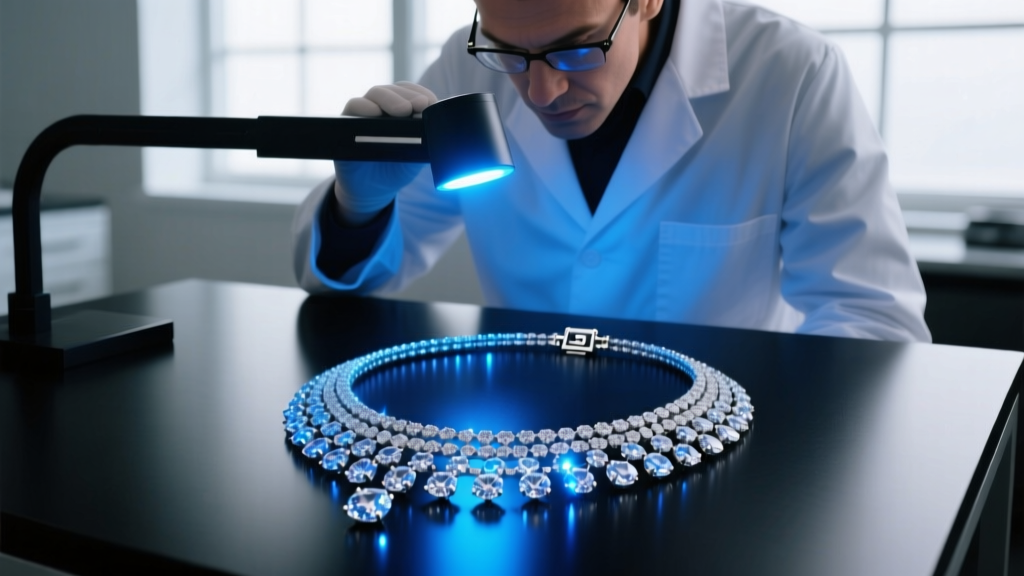
Before wiring funds for any high-carat antique diamond necklace, execute this final troubleshooting checklist to ensure you are not repeating the mistakes of 18th-century French nobility.
- Step 1: Perform a combined thermal and electrical conductivity test on a minimum of 10% of the stones in the necklace, focusing on the largest center stones and the clasp accents.
- Step 2: Examine the girdles under 20x magnification for laser inscriptions or evidence of recent polishing meant to remove inscriptions.
- Step 3: Analyze the cut geometry. Ensure the facet junctions align with Old Mine (pre-1900) or Old European (1900-1930) proportions, rather than modern Tolkowsky brilliant cuts.
- Step 4: Inspect the metallurgy. Verify that hallmarks are historically accurate to the claimed era and that chain links show hand-soldering characteristics.
- Step 5: Independently verify all gemological reports directly through the issuing laboratory's secure digital portal, matching the laser inscription to the digital record.
The tragedy of Marie Antoinette and the diamond necklace was rooted in a failure of verification. By applying modern gemological science and rigorous historical troubleshooting, today's collectors can appreciate the romance of antique jewelry without falling victim to its oldest scams.


