Marigold Necklace Pawnable Guide: Care & Cleaning Tips
Discover if your Marigold necklace is pawnable and learn expert care, cleaning, and maintenance tips to preserve its gold value and pristine condition.

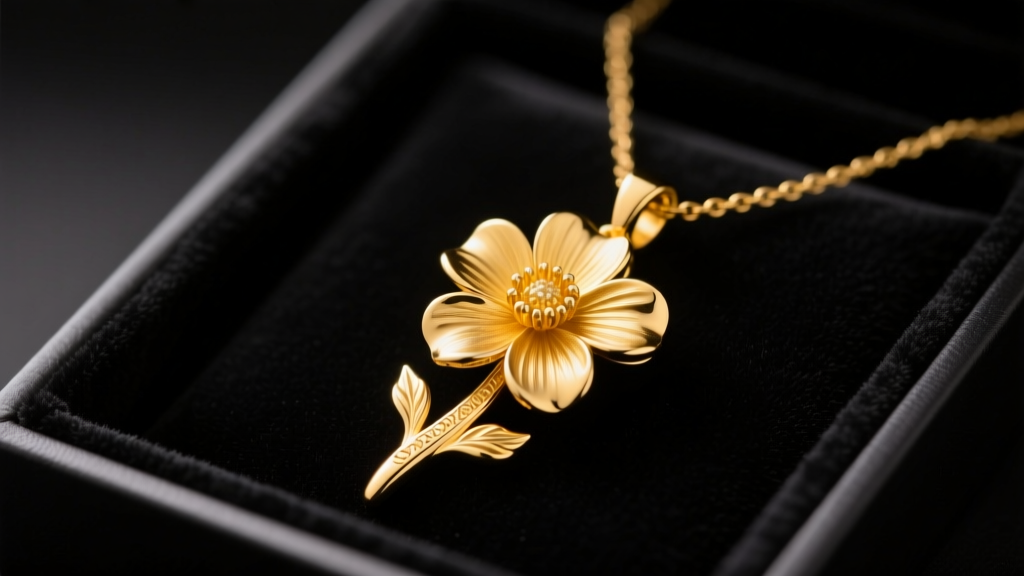
When investing in fine jewelry, the line between a beautiful accessory and a liquid financial asset often comes down to material composition and meticulous upkeep. For owners of floral-motif jewelry, a common question arises: is a marigold necklace pawnable? The answer depends entirely on the metal purity, the presence of authentic hallmarks, and the physical condition of the piece. Pawn shops and precious metal dealers do not appraise jewelry based on its aesthetic design alone; they rely on intrinsic melt value, brand recognition, and the cost of refinishing.
Whether your Marigold pendant is a family heirloom, a demi-fine fashion piece, or a solid gold investment, maintaining its structural integrity and surface finish is paramount. In this comprehensive 2026 guide, we break down the exact criteria that make your necklace pawnable, the chemistry behind gold tarnish, and the professional cleaning protocols required to preserve its maximum resale and melt value.
Understanding the Pawnability of Marigold Necklaces
To determine if your marigold necklace is pawnable, you must first verify its metal composition. The term 'Marigold' in the jewelry market frequently refers to intricate, botanical-inspired pendant designs, but it is also used by various demi-fine brands that specialize in gold vermeil or heavy gold plating over a sterling silver base. According to the Federal Trade Commission (FTC) Jewelry Guides, a piece can only be legally stamped and sold as solid gold if it meets specific karatage minimums.
When you bring a necklace to a pawn broker, they will immediately look for the hallmark stamp on the clasp or the jump ring. They are looking for:
- 10k (417): Contains 41.7% pure gold. Highly durable, but yields a lower melt value.
- 14k (585): Contains 58.5% pure gold. The industry standard for pawnable, everyday fine jewelry.
- 18k (750): Contains 75.0% pure gold. Yields the highest melt value but is softer and more prone to scratching.
If your marigold necklace is stamped with '925', 'GP' (Gold Plated), 'HGE' (Heavy Gold Electroplate), or 'Vermeil', it is not pawnable for its gold value. Pawn shops use X-ray Fluorescence (XRF) spectrometers or traditional nitric acid tests to verify the karatage beneath the surface. If the necklace fails this test, its pawn value drops to zero, regardless of how beautifully the marigold petals are crafted.
The Chemistry of Gold Alloys and Tarnish
A common misconception is that pure gold tarnishes. In reality, 24k pure gold is entirely inert. However, because pure gold is too soft to hold the intricate detailing of a marigold flower pendant, it is alloyed with other metals like copper, silver, zinc, and nickel. It is these secondary metals that react with environmental sulfur, chlorine, and oxygen to create tarnish.
According to the Gemological Institute of America (GIA), the higher the copper content in a gold alloy, the more susceptible it is to oxidation. A 14k rose gold marigold necklace, which contains a higher copper ratio to achieve its pink hue, will tarnish much faster than a 14k yellow or white gold variant. Understanding this chemical reality is the first step in adopting a maintenance routine that prevents the deep-set tarnish that pawn brokers use as leverage to lower their purchase offers.
Step-by-Step Cleaning Routine for Maximum Retained Value
To ensure your necklace retains its premium aesthetic value—potentially securing a higher pawn offer above the base scrap gold price—you must clean it without introducing micro-scratches. Pawn appraisers deduct money for 'refinishing costs' if a piece is heavily scratched.
The Gentle Soap Soak
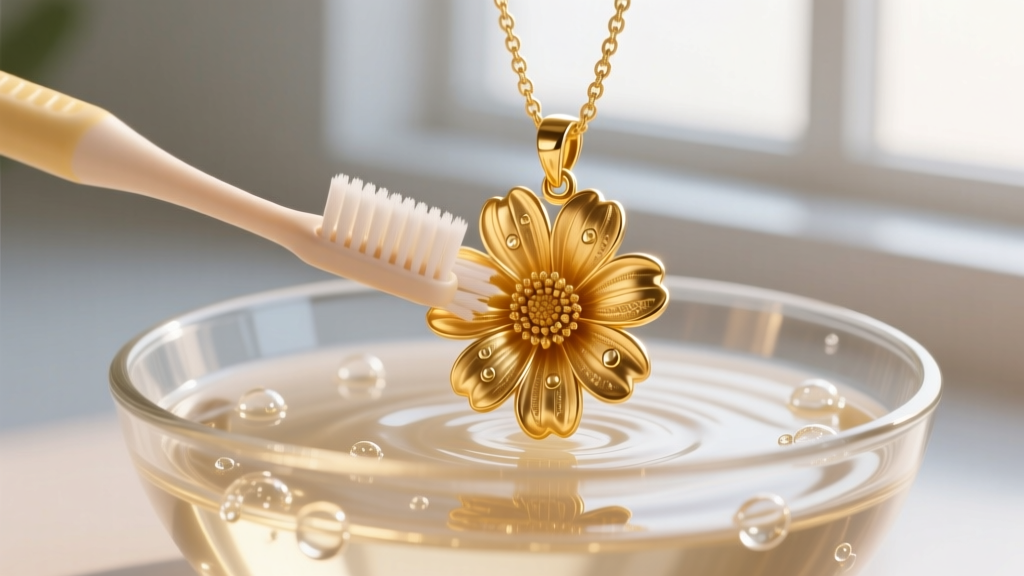
Avoid commercial jewelry dips, which often contain harsh thiourea compounds that can strip the alloyed metals and leave the gold looking porous and dull. Instead, use a solution of 1 part mild, phosphate-free dish soap (like Dawn) to 10 parts lukewarm distilled water. Submerge the necklace for exactly 15 minutes. This loosens sebum, dead skin cells, and cosmetic residue trapped in the intricate petal crevices of the marigold pendant without degrading the metal.
Targeted Crevices Cleaning
Floral pendants are notorious for trapping debris in the stamen and petal folds. Use a brand-new, ultra-soft baby toothbrush. Gently agitate the bristles in a circular motion over the crevices. Never use a stiff-bristled brush, as the friction can create microscopic grooves in 18k gold, which is particularly soft.
Drying and Polishing
Rinse the necklace under a gentle stream of lukewarm distilled water (tap water contains chlorine and hard minerals that can cause spotting). Pat dry with a lint-free microfiber cloth. For the final polish, use a dedicated, untreated jeweler's rouge cloth. Rub the chain and the flat surfaces of the pendant in one direction to align any micro-abrasions and restore the mirror finish.
Maintenance Mistakes That Destroy Pawn Value
Many well-intentioned owners inadvertently destroy the resale value of their gold jewelry using DIY internet hacks. Avoid these critical errors:
- The Baking Soda & Foil Trick: While effective for silver, this electrochemical reaction is too aggressive for gold alloys and can permanently dull the finish of a marigold pendant.
- Toothpaste Scrubbing: Toothpaste contains hydrated silica, a highly abrasive compound that will sand down the gold layer, destroying hallmarks and reducing the item's actual weight.
- Ultrasonic Cleaners with Gemstones: If your marigold necklace features inlaid turquoise, opals, or pearls, the high-frequency vibrations of an ultrasonic cleaner will shatter the stones. Furthermore, the heat can fracture tension-set diamonds.
- Chlorine Exposure: Wearing your necklace in a swimming pool is catastrophic. Chlorine reacts with the copper and silver alloys in 14k gold, causing 'stress corrosion cracking,' which makes the chain brittle and prone to snapping.
Marigold Necklace Material Comparison & Pawn Expectations
Not all marigold necklaces are created equal. The table below outlines what you can expect when taking different material variations to a pawn shop or precious metal buyer.
| Material Type | Hallmark Stamp | Pawnable for Melt Value? | Expected Pawn Offer (vs. Melt) | Care & Maintenance Focus |
|---|---|---|---|---|
| 18k Solid Gold | 750 / 18k | Yes | 70% - 85% of spot melt | Prevent scratching; avoid ultrasonic cleaners. |
| 14k Solid Gold | 585 / 14k | Yes | 60% - 80% of spot melt | Manage copper oxidation; regular mild soap soaks. |
| 10k Solid Gold | 417 / 10k | Yes | 40% - 60% of spot melt | Highly durable; watch for skin-acid tarnish. |
| Gold Vermeil | 925 | No (Silver melt only) | $2 - $5 (Scrap silver) | Never polish aggressively; protect the thin gold layer. |
| Gold Plated / HGE | None / GP | No | $0 (Zero intrinsic value) | Keep away from moisture and perfumes to prevent peeling. |
Storing for Long-Term Value Retention
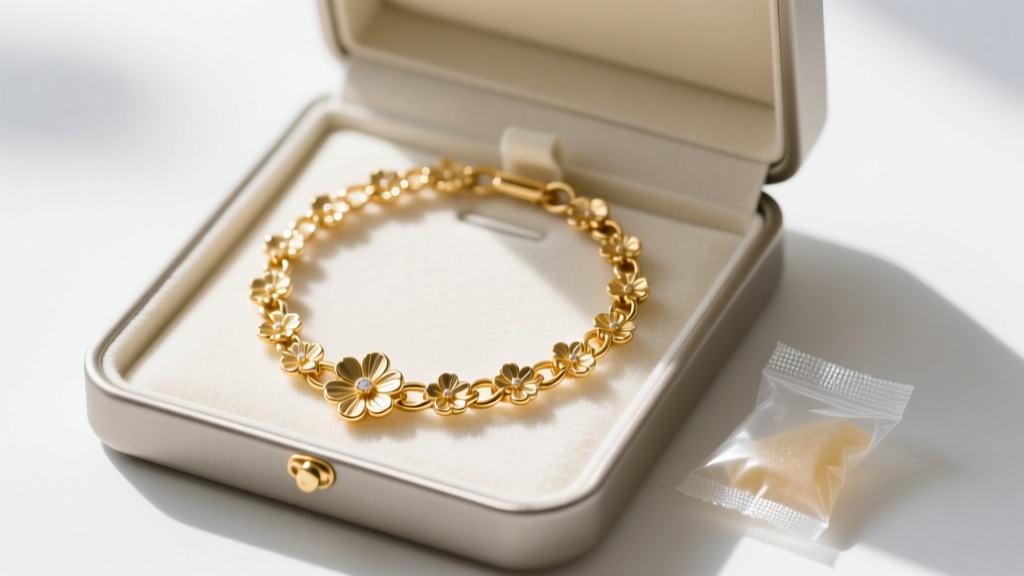
Proper storage is just as critical as active cleaning. The Jewelers of America recommends storing fine gold jewelry in an environment with controlled humidity. When you are not wearing your marigold necklace, it should be stored in an airtight, zip-lock style polyethylene bag or a dedicated jewelry box lined with Pacific cloth, which is treated with anti-tarnish compounds.
Always include a small silica gel desiccant packet in the storage container to absorb ambient moisture. Furthermore, never store your gold marigold necklace tangled with other pieces. Gold is easily scratched by harder gemstones like diamonds, sapphires, or even other gold chains with sharper link profiles (like rope or box chains). Store it flat, fully extended, and isolated.
Final Appraisal Tips for the Pawn Shop
If you ultimately decide to pawn or sell your solid gold marigold necklace, presentation matters. Bring the original box, certificate of authenticity, and any appraisal documents if the piece features high-clarity diamonds or rare gemstones. While the pawn broker will primarily weigh the piece and calculate the melt value based on the daily spot price of gold, a pristine, well-maintained necklace with verifiable brand provenance can sometimes command a 'premium aesthetic' offer, elevating it from mere scrap metal to a resellable retail item. By adhering to these meticulous care and cleaning protocols, you ensure that your jewelry remains both a stunning botanical statement and a secure, liquid financial asset.


