Sterling vs Argentium: Choosing Your Silver Heart Chain Necklace
Compare sterling, Argentium, and plated alloys to find the perfect silver heart chain necklace. Expert metallurgy, chain strength, and care tips.

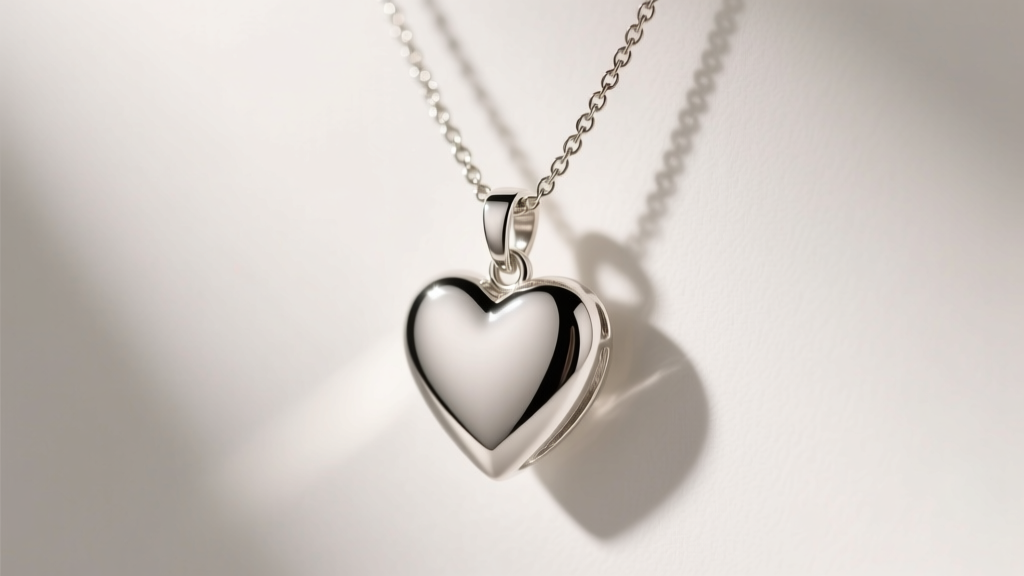
The silver heart chain necklace is a ubiquitous staple in modern jewelry, yet the vast majority of consumers purchase these pieces based solely on aesthetics, entirely ignoring the metallurgical properties that dictate their longevity. A heart pendant is not merely a shape; it is a structural component that places specific tensile and friction demands on its chain. When you combine the romantic symbolism of a heart pendant with the complex material science of silver alloys, you uncover a landscape of varying hardness, tarnish resistance, and skin reactivity.
In this comprehensive material guide, we dissect the exact alloy compositions, chain link architectures, and surface treatments you must evaluate before investing in a silver heart chain necklace. Whether you are looking at standard 925 sterling or advanced Argentium alloys, understanding these properties will save you from premature breakage and chronic tarnishing.
The Metallurgy of Silver: Why Alloy Composition Matters
Pure silver (Fine 999) is exceptionally soft, registering a mere 25 on the Vickers Hardness (HV) scale. While it is completely hypoallergenic and highly resistant to tarnish, it lacks the tensile strength required to support a daily-wear chain or a cast pendant without stretching or warping. Therefore, the jewelry industry relies on silver alloys. According to the Gemological Institute of America (GIA), the specific metals mixed with silver drastically alter the necklace's performance.
Sterling Silver (925)
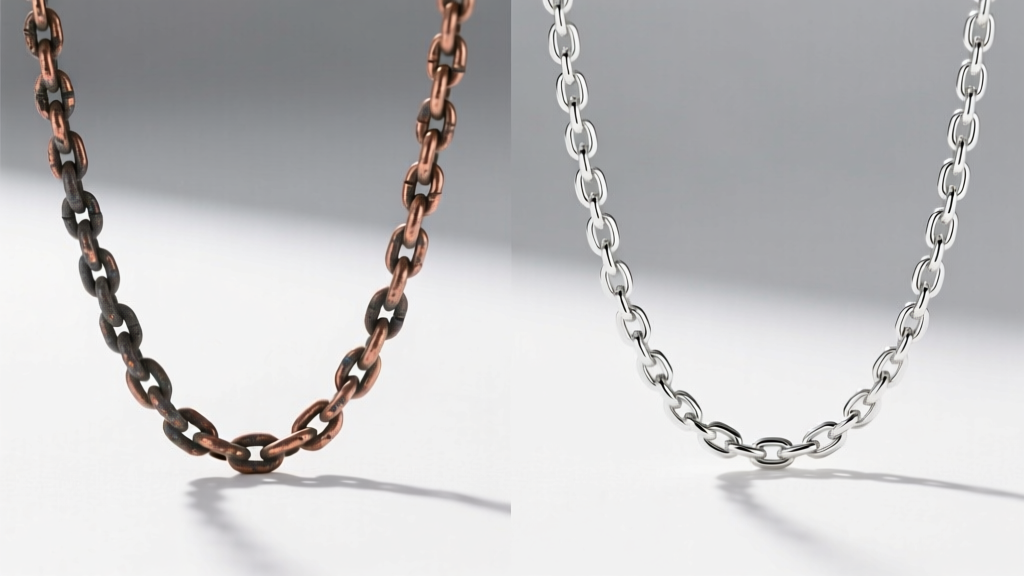
Sterling silver is composed of 92.5% pure silver and 7.5% alloy metals, almost exclusively copper. This raises the hardness to a durable 65 HV. However, copper is highly reactive. When exposed to sulfur compounds in the air, or the acidic pH (typically 4.5 to 5.5) of human sweat, the copper oxidizes, creating the familiar black silver sulfide tarnish. If you live in a humid climate or have naturally acidic skin, a standard sterling silver heart necklace will require weekly polishing.
Argentium Silver (935 or 960)
Argentium replaces a portion of the copper with germanium. This addition is revolutionary: the germanium migrates to the surface and forms a transparent, self-healing layer of germanium dioxide. This layer actively blocks sulfur from reaching the silver, making Argentium up to seven times more tarnish-resistant than traditional sterling. Furthermore, Argentium is nickel-free and highly hypoallergenic, making it the superior choice for sensitive skin.
Material Comparison Matrix: Silver Grades for Heart Pendants
Use the table below to compare the physical properties and market realities of different silver grades used in heart chain necklaces.
| Alloy Grade | Composition | Vickers Hardness (HV) | Tarnish Resistance | Est. Price Range (18" Chain + 4g Heart) |
|---|---|---|---|---|
| Fine Silver (999) | 99.9% Ag | 25 HV | Excellent | $80 - $150 (Rare for chains) |
| Sterling (925) | 92.5% Ag, 7.5% Cu | 65 HV | Moderate | $35 - $85 |
| Argentium (935) | 93.5% Ag, Cu, Ge | 75 HV | Exceptional | $70 - $140 |
| Silver Plated | Brass/Nickel core, Ag flash | Varies (Core dependent) | Poor (Wears off) | $15 - $30 |
Chain Link Architecture and Tensile Failure Points
A heart pendant typically weighs between 2.5 grams and 6 grams. While this seems light, the dynamic force of the pendant swinging against the chest creates localized stress on the chain links, particularly near the clasp and the bail (the loop connecting the heart to the chain). The Silver Institute notes that work-hardening during the drawing of silver wire is critical for chain durability.
- Box Chain (1.0mm - 1.2mm): The optimal choice for heart pendants. The square, interlocking links distribute weight evenly and offer a tensile strength of roughly 6 kg before deformation. They resist kinking and lay flat against the collarbone.
- Cable Chain (0.8mm - 1.0mm): A classic, minimalist look. However, the oval links are prone to stretching if the heart pendant catches on clothing. Limit cable chains to lightweight hearts (under 3 grams).
- Curb Chain (1.5mm+): Highly durable and flat, but visually heavy. A thick silver curb chain can easily overpower a delicate, stamped silver heart pendant, creating an unbalanced aesthetic.
Expert Insight: Never pair a heavy, cast 3D silver heart pendant with a chain thinner than 0.9mm. The friction between the pendant bail and the chain links will act like a saw, slowly cutting through the silver wire over 12 to 18 months of daily wear.
Clasp and Jump Ring Mechanics
The most common point of failure on a silver heart chain necklace is not the chain itself, but the jump ring connecting the clasp. Standard unsoldered jump rings will pull apart under just 2 kg of tension. Always inspect the jump ring: if you see a visible seam that is not fused shut (soldered), the ring will eventually open. Additionally, opt for a stamped lobster claw clasp rather than a cast one; stamped clasps possess a denser molecular structure and a more reliable internal spring mechanism.
Manufacturing the Heart: Stamped vs. Cast
The way the heart pendant itself is manufactured dictates its structural integrity and surface finish.
Sheet Stamping
Flat, 2D silver hearts are usually stamped from 0.8mm to 1.0mm thick sterling silver sheet metal. This process compresses the silver grains, increasing the metal's hardness and making it highly resistant to denting. Stamped hearts are lightweight, modern, and ideal for everyday layering.
Lost-Wax Casting
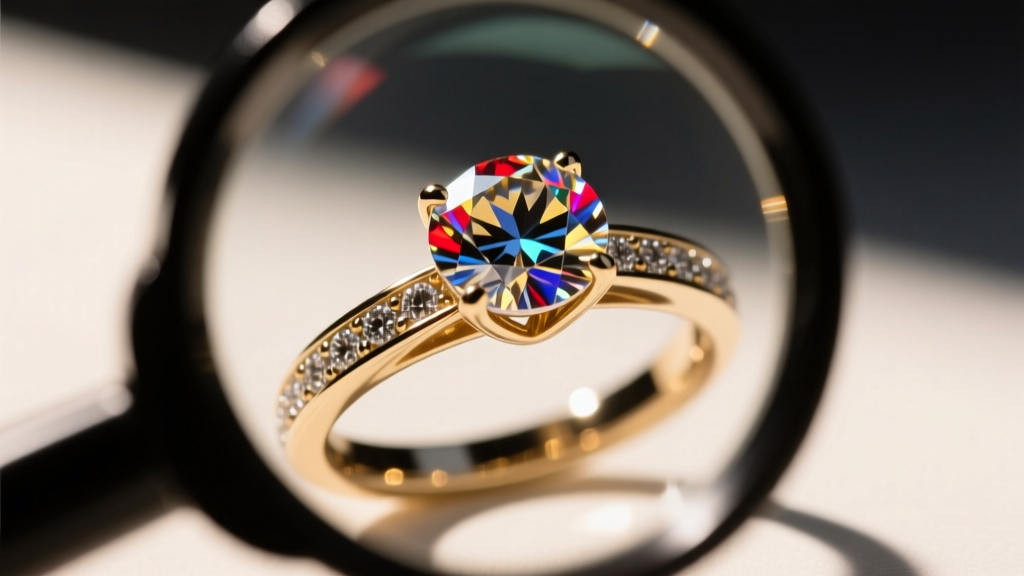
Chunky, 3D, or intricately detailed heart pendants (such as those with pavé-set cubic zirconia or deep engraving) are cast using the lost-wax method. Molten silver is poured into a plaster mold. If not vacuum-cast properly, cast silver can suffer from internal porosity—microscopic air bubbles that weaken the metal and create pitting on the surface. Always inspect cast silver hearts under bright light for tiny, pin-prick holes, which indicate poor casting quality.
Surface Treatments: Rhodium Plating and Oxidation
To combat the inherent tarnishing of copper-alloyed sterling silver, manufacturers employ surface treatments. Understanding these will manage your long-term expectations.
- Flash Rhodium Plating (0.05 microns): A microscopically thin layer of rhodium (a platinum group metal) applied to give the silver a bright, white-gold-like shine. This wears off within weeks of daily friction, revealing the yellowish-grey sterling underneath.
- Standard Rhodium Plating (0.1 to 0.3 microns): The industry standard for high-quality silver heart necklaces. This thickness provides 1 to 2 years of tarnish protection before requiring re-plating by a jeweler.
- E-Coating (Electrophoretic Deposition): A clear epoxy resin applied via electrical current. It is thicker than rhodium and highly resistant to sweat and cosmetics, though it can sometimes give the silver a slightly "plastic" or overly glossy sheen.
- Oxidized (Blackened) Silver: The silver is intentionally exposed to sulfur to turn the recessed areas black, highlighting the textured details of a vintage-style heart pendant. This finish requires zero polishing, as polishing will ruin the intentional patina.
Troubleshooting Common Silver Heart Necklace Failures
Even with meticulous material selection, environmental factors can cause issues. Here is how to troubleshoot the most common complaints associated with silver heart chain necklaces.
"The Chain is Leaving a Green Mark on My Neck"
This is not a sign of fake silver; it is a chemical reaction. The 7.5% copper in sterling silver reacts with the chlorides and acids in your sweat, creating copper chloride, which transfers to the skin. Solution: Wipe the chain daily with a microfiber cloth to remove sweat buildup, or upgrade to an Argentium silver chain, which contains germanium and significantly less reactive copper.
"The Box Chain Became Kinked and Stiff"
Box chains are prone to kinking if folded sharply or slept in. Once a box link is bent out of its 90-degree alignment, it locks against the neighboring link, creating a stiff, weak spot. Solution: Never sleep in a box chain. If a kink occurs, do not pull it. Lay the chain flat on a table and gently massage the kinked links with two pairs of smooth-jawed nylon pliers to realign the geometry.
"The Heart Pendant Bail is Wearing Through"
The bail (the loop at the top of the heart) experiences constant friction against the chain. If the bail is cast silver and the chain is a harder, work-hardened cable chain, the chain will eventually saw through the bail. Solution: Have a jeweler install a hardened steel or platinum "jump ring guard" inside the silver bail to absorb the friction, or ensure you pair the pendant with a softer, polished box chain.
Final Verdict: Making the Right Material Choice
When selecting your silver heart chain necklace, prioritize Argentium silver if you desire a low-maintenance, highly durable piece that resists tarnish and skin reactivity. If you opt for traditional 925 sterling silver, ensure it features a robust 0.2-micron rhodium plating and pair it with a 1.0mm box chain for optimal tensile support. By looking past the romantic silhouette of the heart and focusing on the metallurgy, gauge thickness, and manufacturing methods, you secure a piece of jewelry that will endure for decades.