Shell Necklace for Men: 2026 Budget & Value Assessment
Discover the true cost of a shell necklace for men. We analyze shell types, stringing durability, and hardware to find the best value in 2026.

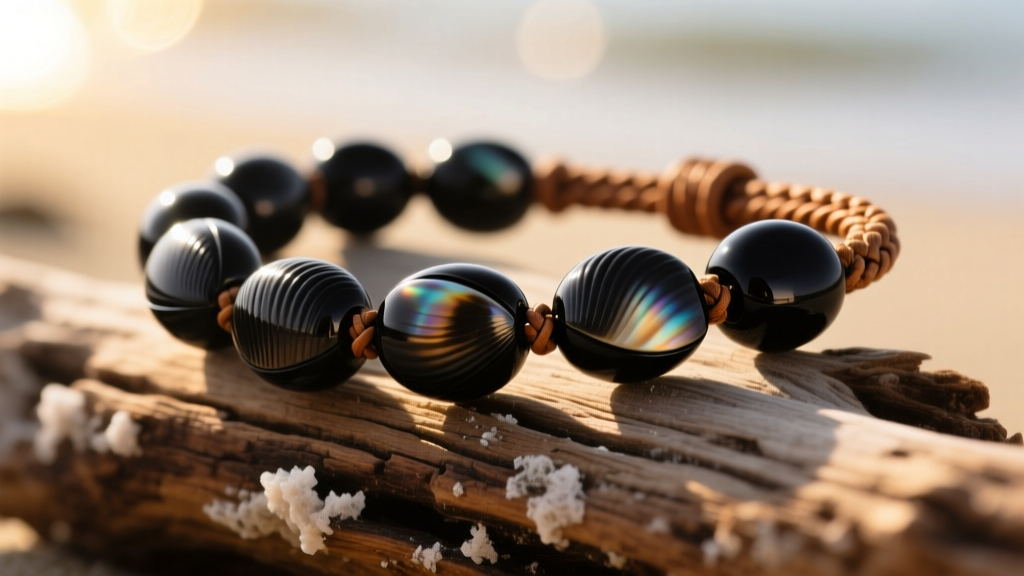
The modern menswear landscape has fully embraced organic textures, elevating the shell necklace for men from a cheap surf-shop souvenir to a legitimate staple of contemporary style. However, as demand has surged, the market has become heavily saturated with overpriced plastic imitations, dyed stones, and severely under-engineered stringing materials. For the discerning buyer, navigating this space requires looking past the aesthetic and understanding the intrinsic material value, structural durability, and hidden costs of organic jewelry.
Whether you are investing in a minimalist cowrie pendant or a dense, multi-strand puka choker, assessing the true budget and value of these pieces means deconstructing them into their core components: the shell species, the cordage, and the metal hardware. In this 2026 value assessment, we break down exactly what you should be paying and where mass-market brands are quietly cutting corners.
Decoding Shell Types and Their True Market Value
Not all shells are created equal. The Gemological Institute of America (GIA) classifies shells as organic gem materials, meaning their value is dictated by rarity, natural luster, and structural integrity. Understanding the Mohs hardness scale is critical here; most shells sit between 2.5 and 4.5, making them highly susceptible to scratching if not properly cut and polished.
| Shell Type | Mohs Hardness | Average Retail (18') | Primary Vulnerability |
|---|---|---|---|
| Genuine Puka (Cone Snail) | 3.0 - 3.5 | $45 - $120 | Asymmetrical wear, chipping |
| Cowrie (Cypraeidae) | 3.0 - 4.0 | $25 - $65 | Enamel layer scratching |
| Mother of Pearl (Pinctada) | 2.5 - 4.5 | $30 - $85 | Acid etching from sweat |
| Black Lip Shell | 3.5 - 4.5 | $50 - $150 | UV degradation, fading |
Genuine Puka shells, sourced from the cone snail, are naturally occurring with asymmetrical holes. Because they are labor-intensive to harvest and match for uniformity, a true 18-inch Puka necklace commands a premium. Conversely, Mother of Pearl is frequently farmed, making it more accessible, though its iridescent nacre layer requires careful maintenance to prevent dulling.
The Hidden Costs: Stringing Materials and Hardware
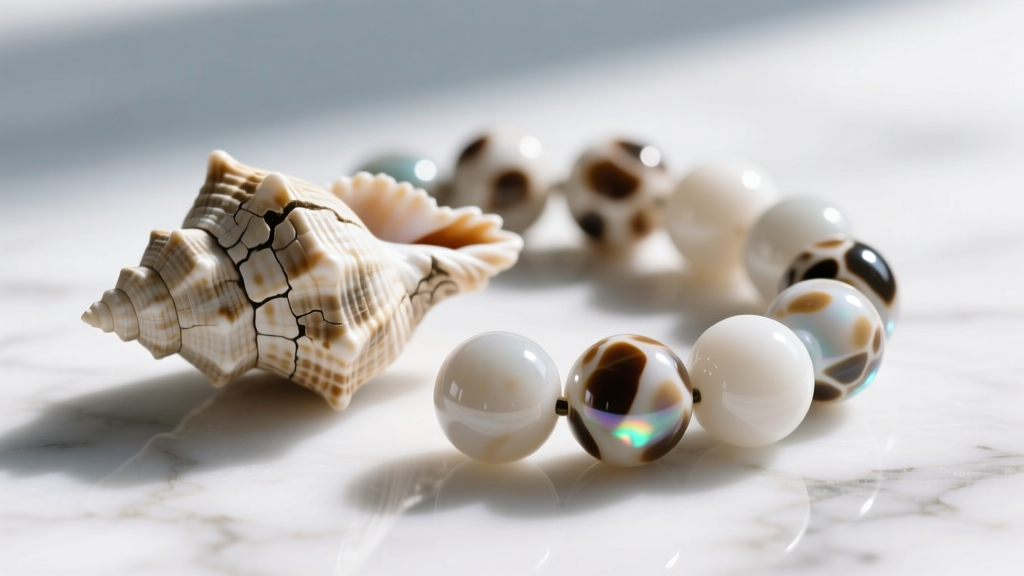
The most common point of failure in a shell necklace for men is not the shell itself, but the material holding it together. Many budget brands (retailing under $30) utilize cheap silk thread or low-grade cotton. According to the Fire Mountain Gems Beading Encyclopedia, natural fibers like silk are highly susceptible to rotting when exposed to the salt, oils, and lactic acid present in human sweat. A silk-strung necklace worn daily in the summer will often snap within four to six months.
The Stringing Hierarchy
- Bonded Nylon (e.g., C-Lon or Power Pro): The gold standard for mid-tier and premium necklaces. A 0.8mm to 1.2mm bonded nylon cord offers immense tensile strength, zero stretch, and total resistance to sweat and saltwater. If a brand uses this, it justifies a higher price point.
- Stainless Steel Micro-Wire: Excellent for heavy Mother of Pearl or Black Lip beads. It prevents sagging but can kink if stored improperly.
- Leather Suede: Highly popular for single cowrie pendants. While aesthetically pleasing, suede degrades rapidly when wet. Value is purely aesthetic, not structural.
- Silk Thread: Traditional but outdated for men's daily-wear surf or streetwear jewelry. Avoid unless the piece is strictly for occasional, climate-controlled wear.
Hardware and Clasp Metallurgy
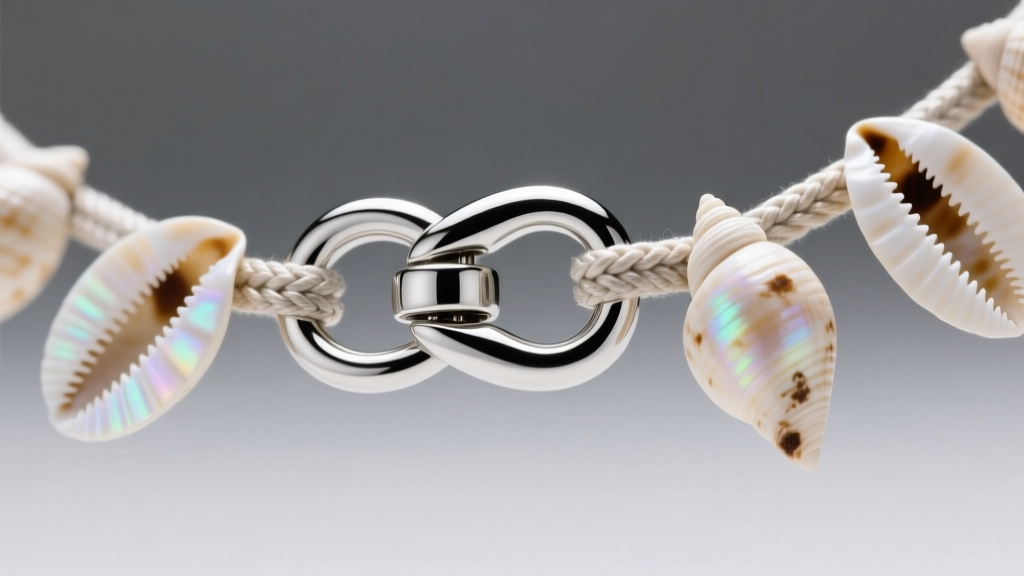
A $60 shell necklace ruined by a $2 zinc-alloy clasp is a poor investment. Zinc and brass alloys will oxidize, turning green and eventually snapping under tension. When assessing value, demand 316L Surgical Stainless Steel for budget-to-mid-tier pieces. 316L is highly resistant to chloride (saltwater) and acidic sweat. For luxury tiers ($100+), expect solid 14k gold or heavily rhodium-plated 925 sterling silver hardware.
Budget Tiers: Where Does Your Money Actually Go?
To accurately assess the value of a shell necklace for men in 2026, we must segment the market into three distinct pricing tiers. This framework will help you identify whether a brand is charging for genuine craftsmanship or merely capitalizing on a trend.
Tier 1: The Fast Fashion Trap ($15 - $28)
At this price point, you are rarely buying real shell. Mass-market retailers frequently use dyed howlite, chalk, or injection-molded polyurethane resin to mimic the look of Puka or Turquoise. The stringing is usually cheap elastic or thin cotton, and the clasps are base metals prone to immediate tarnishing. Verdict: Zero long-term value. The cost-per-wear is high because the necklace will inevitably break or discolor within weeks.
Tier 2: The Artisan Sweet Spot ($35 - $85)
This is where genuine value lives. Brands in this tier source authentic, sustainably harvested shells and pair them with high-density bonded nylon or waxed polyester cords. You will find secure 316L stainless steel lobster or toggle clasps, and the beads will feature hand-tied macrame knots between the shells to prevent catastrophic loss if the cord is severed. Verdict: Excellent value. This tier offers authentic materials, structural longevity, and versatile styling for daily wear.
Tier 3: Designer and Luxury Markup ($120 - $400+)
Entering the luxury space, you are paying for brand cachet, rare shell species (like perfectly matched, large-scale Black Lip), and precious metal hardware (solid 925 silver or 14k gold). While the materials are undeniably premium, the price often reflects a 300% designer markup rather than a proportional increase in material cost. Verdict: Buy only if you value the specific designer aesthetic or require solid precious metals due to severe base-metal skin allergies.
Failure Modes and Maintenance Costs
Even premium shell necklaces require maintenance. Shells are primarily composed of calcium carbonate, which is highly reactive to acids. Human sweat has a pH ranging from 4.5 to 7.0. Prolonged exposure to acidic sweat without rinsing the necklace in fresh water will cause the nacre (the iridescent outer layer of Mother of Pearl) to etch, pit, and permanently dull.
Furthermore, UV radiation from prolonged sun exposure can cause the natural proteins in certain shells to yellow and become brittle over time. To maximize your investment, a high-value shell necklace must be rinsed with fresh water after ocean swims or heavy workouts, and stored in a soft microfiber pouch away from direct sunlight to prevent micro-scratches from harder jewelry pieces.
How to Spot Overpriced 'Costume' Shells
Before purchasing, perform the temperature and texture tests. Genuine shell is dense and thermally conductive; it will feel distinctly cool to the touch when first picked up, whereas resin or plastic fakes will quickly match ambient room temperature. Additionally, examine the drill holes. Genuine Puka shells have naturally asymmetrical, slightly jagged holes formed by the ocean. If the 'Puka' beads on a necklace have perfectly uniform, laser-smooth holes and identical shapes, you are looking at mass-produced chalk or plastic that has been mechanically tumbled and artificially distressed.
Ultimately, the best value in men's shell jewelry lies in the mid-tier artisan market. By prioritizing 316L hardware, bonded nylon stringing, and genuine, un-dyed organic materials, you secure a piece that withstands the elements and anchors your wardrobe with authentic, enduring style.


