Finding the Name of Hawaiian Flower Necklace: Lei Guide
Discover the true name of Hawaiian flower necklace styles, from fresh Pikake leis to permanent plumeria pendants, plus troubleshooting care tips.

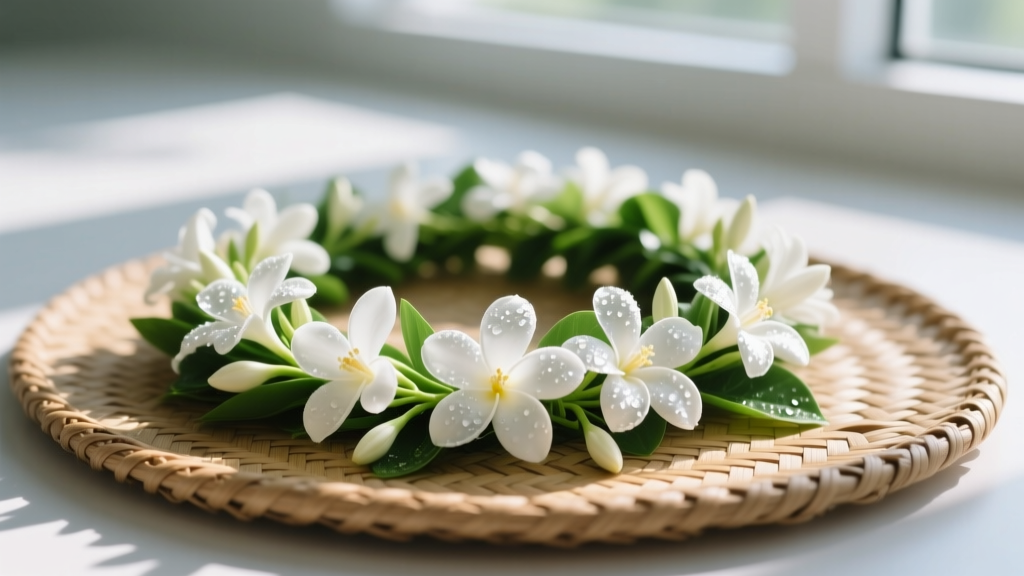
The Search for the Name of Hawaiian Flower Necklace: Decoding the Terminology
When jewelry collectors, tourists, and cultural enthusiasts search for the exact name of Hawaiian flower necklace, they are almost always looking for one specific word: Lei. However, treating "lei" as a single, uniform category is a common buyer mistake that leads to purchasing the wrong item for the wrong occasion. In Native Hawaiian culture, a lei is any garland or wreath, but the construction method and botanical materials dictate its specific name, use case, and longevity.
According to cultural archives at the Bishop Museum, the traditional floral necklaces are categorized by their assembly technique rather than just the flower used. If you are trying to replace a damaged piece or source an authentic gift, you must identify the specific construction style:
- Lei Kui: The most common strung necklace, where flowers (like orchids or plumeria) are pierced through the center or side with a needle and thread. This is the classic "tourist" airport lei, but also the standard for high-end fresh floral jewelry.
- Lei Haku: A braided lei where foliage and flowers are woven into a central cord. These are structurally denser and sit closer to the collarbone.
- Lei Wili: Flowers and ferns are tightly twisted and wound around a base, creating a thick, rope-like necklace that is highly durable for outdoor wear.
- Lei Po'o: Often confused with necklaces by novice buyers, this is specifically a headpiece or crown, not a neck garment.
Troubleshooting Buyer Confusion: Fresh Flora vs. Permanent Jewelry
The most frequent problem buyers face when searching for a Hawaiian flower necklace is the disconnect between fresh botanical leis and permanent fine jewelry. Many online shoppers order what they believe is a "Hawaiian flower pendant" only to receive a cheap, mass-injected plastic tourist lei. Conversely, buyers seeking fresh Pikake (jasmine) leis often fail to realize the strict agricultural and logistical requirements for shipping fresh flora.
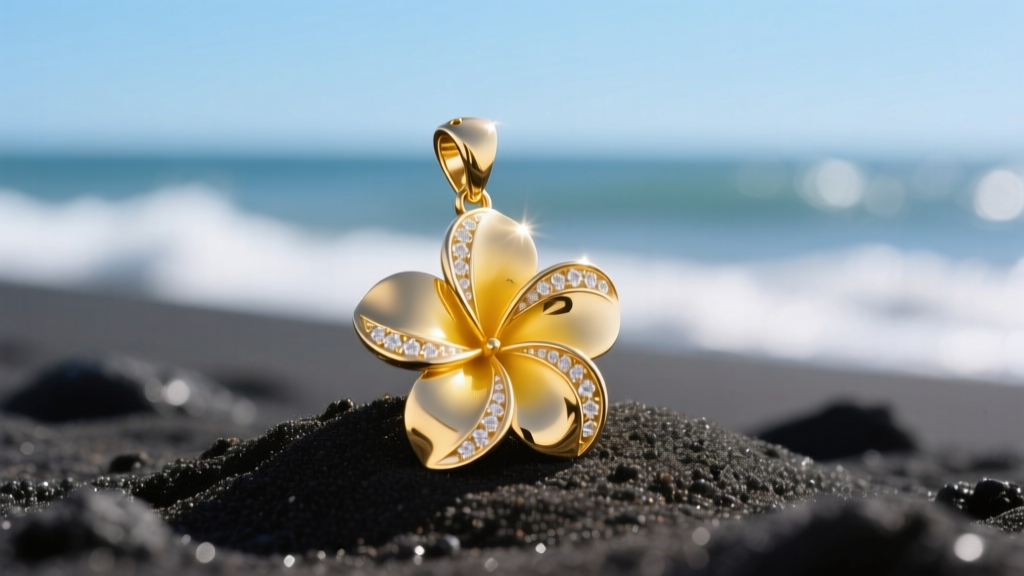
Comparative Framework: Floral Necklace Types
| Necklace Type | Primary Materials | Lifespan & Durability | Price Range (USD) |
|---|---|---|---|
| Fresh Lei Kui (Orchid/Plumeria) | Live botanicals, cotton thread | 3 to 7 days (requires refrigeration) | $20 - $60 |
| Fresh Lei Haku (Pikake/Fern) | Jasmine buds, maile vine, raffia | 1 to 3 days (highly fragile) | $75 - $150+ |
| Premium Plumeria Pendant | 14k/18k Gold, Vitreous Enamel | Lifetime (with proper enamel care) | $250 - $800 |
| Resin Hibiscus Choker | Sterling Silver, UV-Cured Resin | 2 to 5 years (prone to yellowing) | $45 - $120 |
Material Degradation: Why Your Floral Jewelry is Failing
If you own a permanent Hawaiian flower necklace—such as a plumeria (melia) or hibiscus pendant—and it is deteriorating, the issue usually stems from material incompatibility with tropical or high-humidity environments. The Gemological Institute of America (GIA) notes that organic and semi-organic jewelry materials require specific environmental controls to prevent structural failure.
1. Resin Yellowing and Clouding
Many mid-tier Hawaiian floral pendants use cold enamel (epoxy resin) to color the flower petals. If your white plumeria pendant has turned yellow or cloudy, the resin lacked HALS (Hindered Amine Light Stabilizers) during manufacturing. The Fix: Unfortunately, UV-induced yellowing in epoxy is a chemical change that cannot be polished out. You must replace the piece. When buying new, explicitly ask the jeweler if they use vitreous (fired) enamel or UV-stabilized jewelry-grade resin.
2. Sterling Silver Tarnishing in High Humidity
Hawaii's ambient humidity, combined with salt air, accelerates the oxidation of sterling silver (925). If your flower pendant's silver base is turning black or developing a chalky white residue (silver chloride), it is reacting to sulfur and chlorine in the environment. The Fix: Store the necklace in an airtight ziplock bag with a 3M anti-tarnish strip. For daily wear in coastal areas, upgrade to a rhodium-plated sterling silver or solid 14k gold base.
3. Silk Thread Rot in Preserved Leis
Some buyers attempt to preserve fresh orchid leis by drying them in silica gel. However, if the original Lei Kui was strung on natural silk or low-grade cotton thread, the thread will inevitably rot and snap within 6 to 12 months due to residual botanical moisture. The Fix: If preserving a fresh lei, have a jeweler re-string the dried flowers on synthetic nylon beading thread (like Silkon), which is impervious to moisture rot.
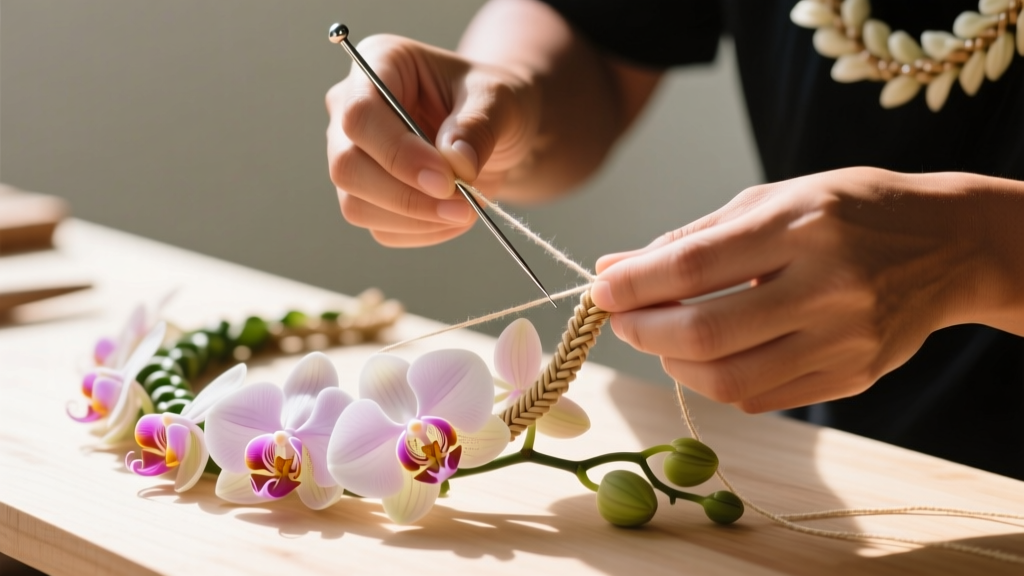
Cultural Authenticity vs. Tourist Traps
A major troubleshooting hurdle is verifying authenticity. The Hawaii Tourism Authority frequently educates visitors on the cultural significance of the lei, emphasizing that it is a symbol of aloha, respect, and connection—not merely a party accessory. Mass-produced plastic "flower leis" imported from overseas lack the botanical essence and cultural weight of true Hawaiian craftsmanship.
To ensure you are buying an authentic piece, look for the "Made in Hawaii" label, which is legally regulated and requires a significant portion of the manufacturing to occur within the state. For fine jewelry, seek out members of the Hawaiian Heirloom Jewelry guild, who specialize in hand-engraved floral motifs and traditional vitreous enamel work.
Care and Preservation Frameworks
Maintaining the integrity of your Hawaiian flower necklace depends entirely on its material classification. Follow this troubleshooting checklist to extend the life of your jewelry:
- For Fresh Leis: Mist lightly with water, place in a plastic bag with a damp paper towel, and store in the refrigerator's crisper drawer (ideally between 45°F and 50°F). Never freeze a fresh lei, as the cellular structure of the petals will rupture and turn to mush upon thawing.
- For Enamel Pendants: Clean only with a microfiber cloth and mild dish soap. Avoid ultrasonic cleaners, as the high-frequency vibrations can cause micro-fractures in both cold and fired enamel.
- For Gold/Silver Floral Chains: The delicate crevices of a plumeria pendant trap skin oils and lotions. Use a soft-bristled baby toothbrush dipped in warm soapy water to gently agitate the dirt from the petal grooves, then rinse with distilled water to prevent hard water spotting.
Conclusion
Understanding the true name of Hawaiian flower necklace styles—whether you are seeking a fresh Lei Haku for a wedding or a permanent 14k gold Plumeria pendant for daily wear—is the first step in making an informed purchase. By recognizing the specific construction methods, identifying material vulnerabilities like resin yellowing and silver oxidation, and demanding cultural authenticity, you can troubleshoot common buyer pitfalls and invest in pieces that truly honor the spirit of aloha.


