2026 Gift Guide: The Best Necklace Baseball Players Wear
Shop the best necklace baseball players wear. Our 2026 guide covers sweat-proof metals, MLB rules, and top chain styles for Draft Day and Senior Night gifts.

The Intersection of Athletics and Aesthetics
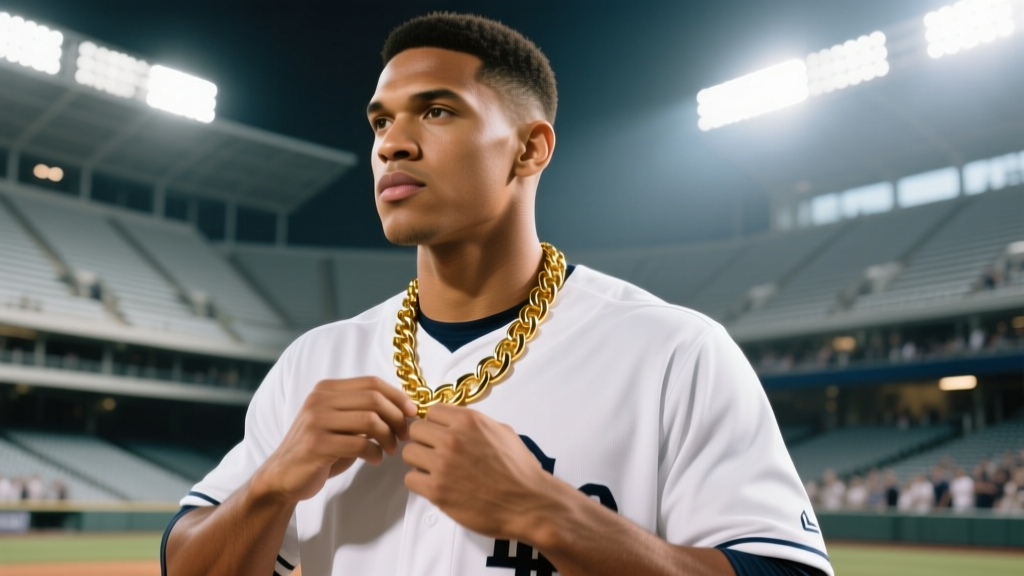
Baseball has a long, storied history with jewelry, dating back to the heavy gold ropes of the 1970s and evolving into the high-performance, sweat-resistant metals of the modern era. Finding the right necklace baseball players will actually wear requires balancing league regulations, intense physical exertion, and off-field style. Whether you are shopping for a high school prospect, a collegiate standout, or a seasoned professional, gifting jewelry to an athlete demands a deep understanding of material science and biomechanics. This 2026 gift guide breaks down exactly what to buy, when to give it, and how to ensure it survives the diamond.
Navigating MLB and NCAA Jewelry Regulations
Before purchasing a chain for a competitive player, you must understand the rules. According to the Official Baseball Rules (OBR), jewelry is not explicitly banned, but it falls under strict safety and uniform guidelines. Pitchers, for instance, cannot wear any white, gray, or reflective items on their wrists or neck that could distract the batter. Furthermore, sliding into second base or diving for a catch poses a severe snagging hazard. Therefore, the ideal on-field necklace must feature a breakaway mechanism or be constructed from a flexible, non-snagging material like braided titanium cord. Off-field and during post-game interviews, however, the rules relax, allowing for heavier, traditional precious metals.
Material Science: What Survives the Diamond?
A baseball season means 162 games of intense sweating, exposure to dirt, clay, and frequent contact with sports drinks and sunscreen. Plated jewelry will degrade within weeks. When selecting a piece, you must look at the Vickers hardness and corrosion resistance of the base metal. The International Titanium Association notes that titanium alloys offer unparalleled strength-to-weight ratios and complete immunity to sweat-induced oxidation, making them a staple in professional dugouts.
| Material | Durability & Sweat Resistance | Weight Profile | Best Occasion | Estimated Price Range |
|---|---|---|---|---|
| Grade 5 Titanium (Ti-6Al-4V) | Exceptional; 100% hypoallergenic and rust-proof | Ultra-lightweight | On-field performance, daily practice | $80 - $250 |
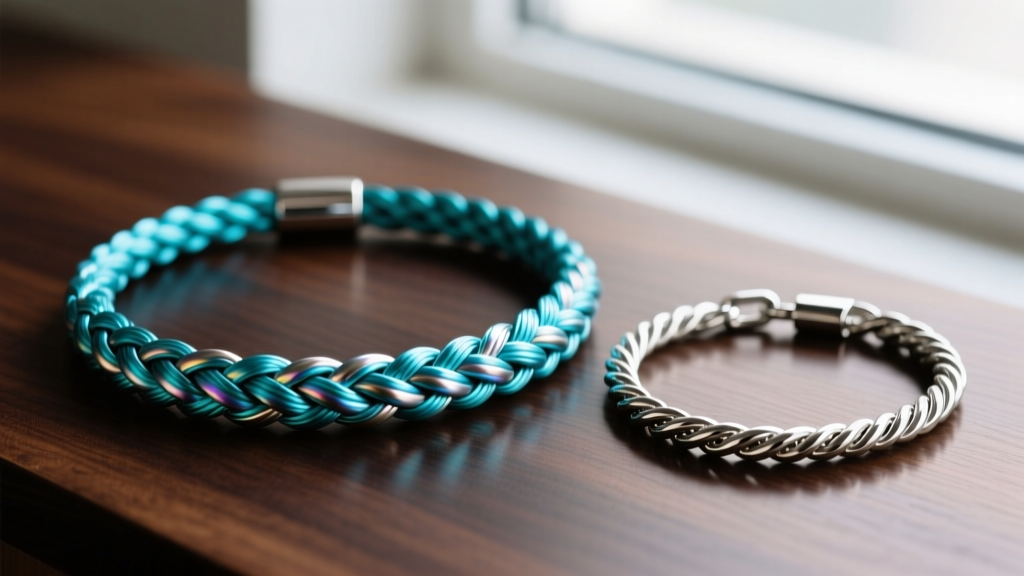
| Aqua-Titanium Braided Cord | High; flexible, non-snagging, sweat-wicking | Featherlight | Game-day wear, sliding, pitching | $50 - $150 |
| Solid 14k Gold | Very High; harder than 18k, resists scratching | Heavy, substantial | Draft Day, off-field, media days | $600 - $3,500+ |
| 316L Surgical Stainless Steel | Moderate; can pit with prolonged chlorine/acid exposure | Medium to Heavy | Casual wear, budget-friendly gifting | $40 - $120 |
| Tungsten Carbide | Extreme hardness, but brittle; shatters on hard impact | Extremely Heavy | Strictly off-field, ceremonial gifts | $100 - $300 |
Occasion Matching: The 2026 Baseball Gifting Calendar
Athletes receive countless gifts, but jewelry that aligns with specific career milestones carries profound sentimental and cultural weight. Here is how to match the necklace to the occasion:
- Senior Night (High School or College): Opt for a custom-engraved 14k gold pendant featuring their jersey number, a crossed-bat motif, or the coordinates of their home stadium. Pair it with a 20-inch, 3mm rope chain. This serves as a permanent keepsake of their amateur career.
- MLB Draft Day: This is a moment of pure flex and celebration. The standard for Draft Day is a 5mm to 8mm solid 14k or 18k Miami Cuban link. According to the Gemological Institute of America (GIA), 14k gold is often preferred for active lifestyles because the higher alloy content (58.3% gold mixed with strengthening metals like copper and zinc) provides superior scratch resistance compared to softer 24k or 18k options.
- Mid-Season / Championship Runs: Performance is paramount. Gift a high-grade Aqua-Titanium braided cord with a magnetic breakaway clasp. Many players believe in the bio-electric benefits of titanium, and regardless of the science, it remains a massive cultural staple in the clubhouse.
- Retirement or Hall of Fame Induction: A heavy, 10mm+ solid gold tennis chain featuring VS1 clarity, G-H color diamonds. This is a legacy piece meant for suits and tuxedos, not the batter's box.
Sizing, Weight, and Clasp Mechanics for Athletes
The most common mistake when gifting jewelry to athletes is choosing the wrong length and clasp. A standard 16-inch or 18-inch choker is a severe choking hazard for a baseball player who might take a cleat to the chest or slide headfirst into a base.
Expert Sizing Rule: For on-field wear, always select a 20-inch to 22-inch length. This allows the chain to rest safely on the sternum, beneath the collar of the jersey, preventing it from swinging up and striking the player's chin or helmet during a violent swing. For off-field statement pieces, 24 inches is the modern standard.
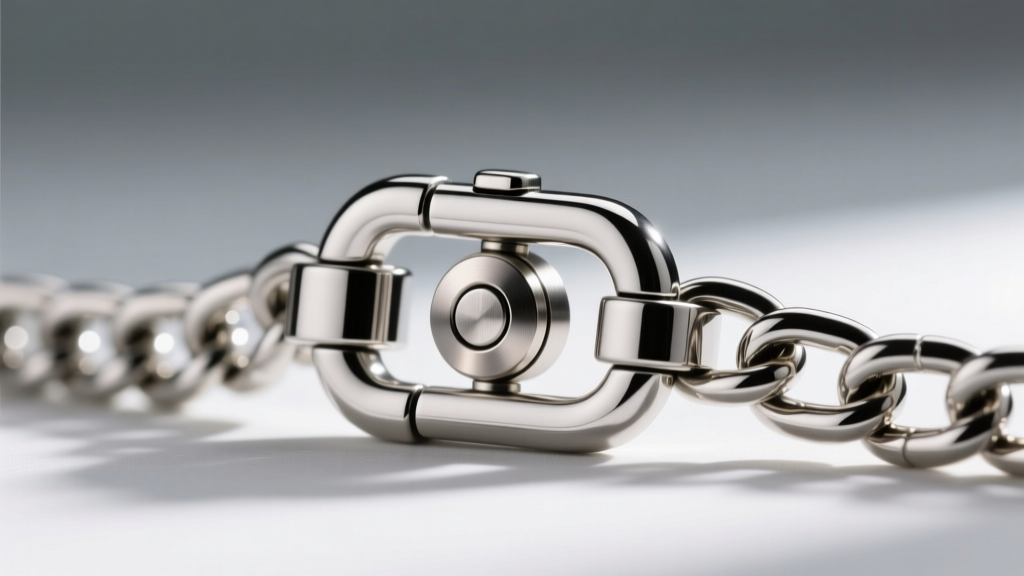
Furthermore, traditional lobster clasps are a liability on the diamond. If a chain is pulled, a lobster clasp will hold fast, potentially causing neck injury. Always upgrade the chain with a neodymium magnetic breakaway clasp. These clasps use powerful rare-earth magnets to stay securely closed during normal movement but will instantly pop open if subjected to the sudden, high-tension force of a snag.
Top 3 Chain Profiles for the Ballplayer
1. The Aqua-Titanium Performance Cord
The undisputed king of the dugout. These necklaces are constructed from a braided nylon or silicone core infused with microscopic titanium particles. They are entirely non-metallic on the exterior, meaning they will never scratch a bat, interfere with a radar gun, or cause skin irritation when soaked in sweat. They are typically finished with a proprietary plastic or magnetic clasp designed to snap open under 15 lbs of pressure.
2. The 3mm-5mm Miami Cuban Link (Solid 14k)
For the player who wants to transition seamlessly from the weight room to the post-game press conference, a mid-weight Miami Cuban is essential. The interlocking, flattened links lay perfectly flat against the chest, reducing the chance of catching on jersey buttons or undershirts. A 4mm width provides enough visual presence to be seen over a compression shirt without adding the pendulum-like weight of a thicker chain.
3. The Diamond-Cut Rope Chain
If the recipient prefers a more subtle, traditional aesthetic, a 14k gold diamond-cut rope chain is an exceptional choice. The twisted links catch the stadium lights beautifully, offering maximum brilliance with minimal metal weight. A 3mm rope chain is incredibly strong due to its interwoven structure, making it highly resistant to snapping even if subjected to the rigorous movements of pitching or batting.
Final Verdict: Building the Ultimate Athlete's Wardrobe
Gifting a necklace to a baseball player is about more than just aesthetics; it is about providing a piece of armor, a talisman, and a status symbol all in one. For game-day performance, never compromise on safety—stick to breakaway clasps and flexible titanium cords. For Draft Day, Senior Night, and off-field celebrations, invest in the structural integrity of solid 14k gold. By matching the metallurgy to the milestone, you ensure your gift becomes a permanent part of their baseball legacy.


