Necklace Choker Tattoo Materials: Property Comparison
Explore the material evolution of the necklace choker tattoo. Compare nylon, silicone, and wire weaves for durability, skin safety, and style.

The Evolution of the Necklace Choker Tattoo
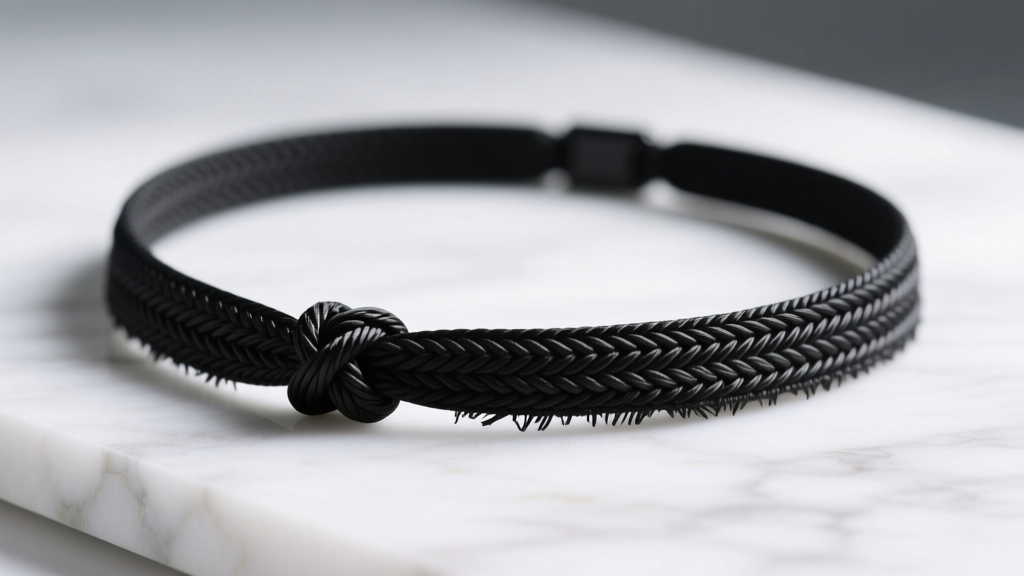
The necklace choker tattoo is an iconic piece of jewelry that bridges the gap between subculture rebellion and high-fashion nostalgia. Originally popularized in the 1990s as a cheap, stretchy plastic accessory designed to mimic the look of a tribal tattoo inked directly onto the skin, the style has undergone a massive material evolution. As of 2026, the resurgence of Y2K aesthetics has pushed jewelry manufacturers to completely rethink the structural integrity, skin safety, and material science behind this beloved accessory.
No longer confined to brittle mall-kiosk plastics, today's necklace choker tattoo options range from medical-grade silicones to superelastic Nitinol wire weaves. Understanding the physical and chemical properties of these materials is crucial for both everyday wearers and jewelry collectors. This guide breaks down the exact material grades, tensile strengths, and dermatological profiles of modern tattoo chokers, helping you make an informed decision based on your lifestyle and skin sensitivities.
Material Breakdown: From Nylon to Memory Wire
The weaving technique used to create the illusion of a continuous, inked tribal line requires a material with specific flexibility and memory characteristics. Here is how the core materials compare in modern jewelry manufacturing.
1. Classic Polyamide (Nylon) and PET Plastic
The original 90s chokers were predominantly made from extruded Polyamide 6 (PA6) nylon or Polyethylene Terephthalate (PET) plastic cords. While nostalgic, PA6 is highly hygroscopic, meaning it can absorb up to 8% of its weight in moisture from the environment and human sweat. Over time, this moisture absorption causes the polymer chains to swell, leading to a loss of tensile strength and eventual snapping. Furthermore, vintage-style nylon chokers often rely on phthalate-based plasticizers to maintain their stretch. These plasticizers can leach out when exposed to the natural oils and heat of human skin, resulting in a stiff, brittle necklace that loses its signature elasticity within six to eight months of daily wear.
2. Platinum-Cured Medical-Grade Silicone
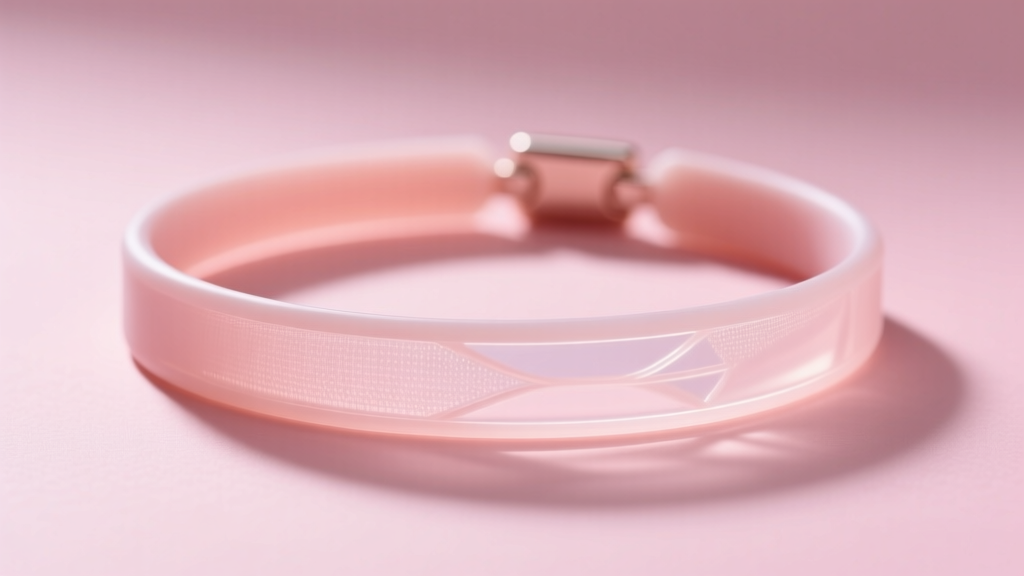
The most significant upgrade in the 2026 market is the transition to platinum-cured silicone. Unlike tin-cured silicones, which release alcohol byproducts and degrade faster, platinum-cured silicone is entirely biocompatible and non-porous. For a necklace choker tattoo, manufacturers typically utilize a Shore A hardness rating of 40 to 50. This specific durometer provides the perfect balance: it is soft enough to stretch comfortably over the head without a clasp, yet rigid enough to hold the complex tubular right-angle weave that creates the 'tattoo' illusion. Because it is completely non-porous, silicone does not harbor bacteria or absorb sweat, making it the superior choice for active individuals.
3. Woven Nitinol and 316L Stainless Steel Micro-Wire
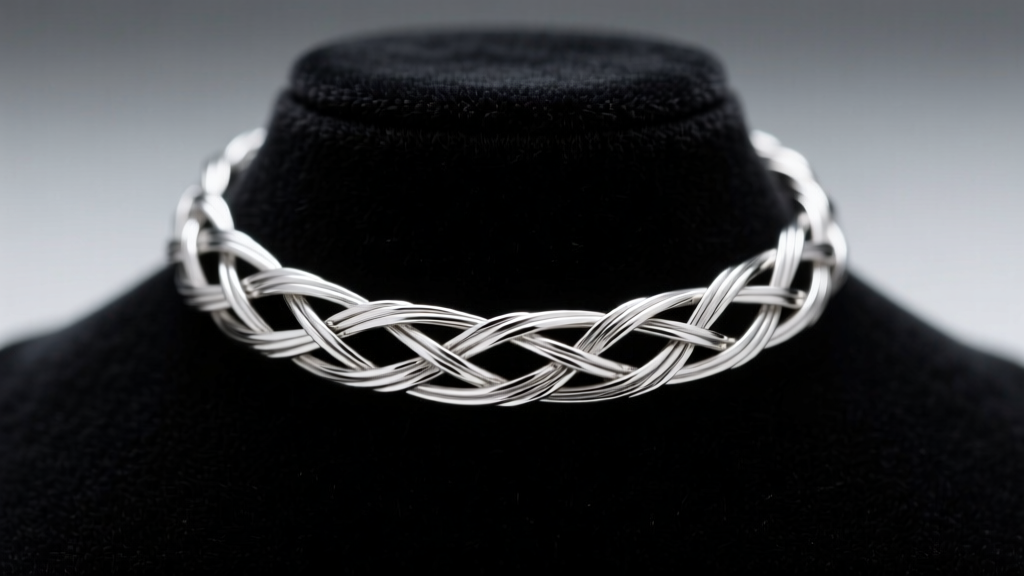
For a luxury or avant-garde interpretation of the necklace choker tattoo, contemporary jewelers are turning to micro-metals. Nitinol, a nickel-titanium alloy known for its superelasticity and shape memory, allows for a rigid, metallic choker that can be temporarily deformed to fit over the head and instantly snap back to its exact neck-hugging circumference. Alternatively, 316L surgical stainless steel wire (often drawn to a 26-gauge or 0.4mm thickness) is woven using a continuous figure-eight loop technique. While visually stunning and highly durable, metal wire weaves require precise passivation treatments to ensure skin safety, a topic we will explore in the dermatological section below.
Comparative Data: Material Properties and Pricing
To visualize the performance differences across the current market, refer to the material comparison table below. Data reflects standard manufacturing specifications for woven choker profiles in 2026.
| Material | Tensile Strength | Porosity | Skin Reactivity Risk | Avg Price Range |
|---|---|---|---|---|
| Extruded PA6 Nylon | Low (Degrades with moisture) | High (Absorbs sweat/oils) | Moderate to High | $5 - $15 |
| Platinum-Cured Silicone | High (Elastic recovery) | None (Non-porous) | Extremely Low | $25 - $60 |
| 316L Stainless Steel Wire | Very High (Rigid weave) | None | Low (If passivated) | $80 - $150 |
| Nitinol Memory Wire | Superelastic | None | Moderate (Nickel content) | $120 - $250+ |
Dermatological Considerations for Choker Wearers
Because a necklace choker tattoo sits flush against the skin—often trapping heat, friction, and perspiration in the delicate neck area—the material's dermatological profile is just as important as its aesthetic. The tight, woven structure of a tattoo choker creates micro-crevices that can harbor dead skin cells, sebum, and environmental bacteria if the material is porous.
According to the Mayo Clinic, irritant contact dermatitis is frequently triggered by prolonged exposure to trapped moisture and friction, which is common with cheap, non-breathable plastics. Furthermore, the American Academy of Dermatology warns that allergic contact dermatitis can occur when plasticizers, dyes, or trace metals leach from jewelry into the skin barrier.
Expert Insight: If you are prone to eczema or nickel allergies, avoid vintage-style PVC or PET plastic chokers entirely. Opt exclusively for 100% platinum-cured silicone or PVD-coated (Physical Vapor Deposition) titanium weaves, which create an inert barrier between the metal and your skin.
How to Choose and Care for Your Tattoo Choker
Selecting the right necklace choker tattoo depends heavily on your daily routine and maintenance willingness. Use the following decision framework to guide your purchase:
- For Daily / Active Wear: Choose platinum-cured silicone. It can be washed with antibacterial soap, boiled for sterilization, and will not degrade when exposed to chlorine in swimming pools or UV radiation from the sun.
- For Occasional / Fashion Wear: A high-denier nylon blend is acceptable if you only plan to wear it for a few hours at a time. Store it flat to prevent the plastic memory from warping into an oval shape.
- For High-Fashion / Luxury Styling: Invest in a 316L stainless steel or Nitinol wire weave. These require careful maintenance; they must be removed before showering to prevent soap scum from building up inside the microscopic gaps of the wire weave.
Maintenance Protocols by Material
Proper care extends the lifespan of your jewelry. For silicone chokers, a simple weekly soak in warm water with a drop of mild dish detergent is sufficient. Use a soft-bristled toothbrush to gently agitate the woven intersections. For metal wire chokers, avoid ultrasonic cleaners if the piece features any secondary gemstone beads or enamel accents, as the high-frequency vibrations can fracture the delicate wire loops. Instead, use a specialized jewelry polishing cloth to wipe down the exterior wire surfaces, preserving the dark rhodium or oxidized finishes that give the metal its tattoo-like contrast.
Conclusion
The necklace choker tattoo has matured far beyond its status as a disposable 90s novelty. By understanding the material science—from the hygroscopic flaws of early nylons to the biocompatible brilliance of modern silicones and the superelastic marvel of Nitinol—you can select a piece that offers both striking visual impact and long-term wearability. As jewelry technology continues to advance, the boundary between temporary body art and permanent, high-performance accessories will only continue to blur, offering more innovative, skin-safe options for the modern consumer.


