Choosing the Right Necklace From Dad to Daughter by Material
Discover how to choose the perfect necklace from dad to daughter by comparing metals. Learn about durability, allergies, and pricing for a lasting gift.
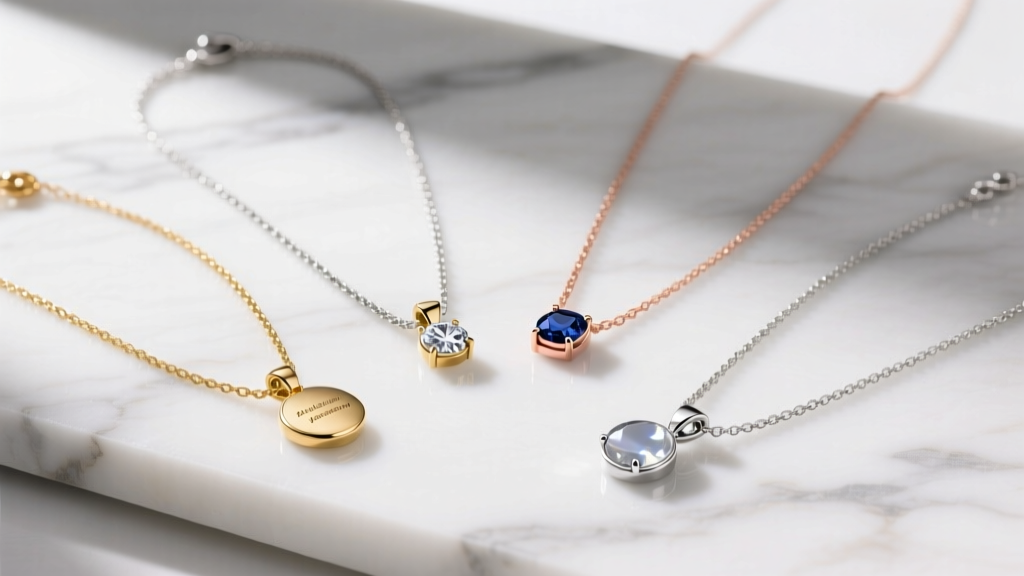

Gifting a necklace from dad to daughter is a profound milestone. Whether it is for a Sweet Sixteen, a high school graduation, or a wedding day, the piece you select carries emotional weight that transcends its monetary value. However, the sentimental intent behind the gift must be matched by practical metallurgical choices. A necklace meant to be worn daily by an active teenager or young adult will face sweat, friction, cosmetics, and accidental snags. Understanding the material properties of precious and alternative metals ensures your gift becomes a lasting heirloom rather than a broken trinket sitting in a jewelry box.
The Metallurgy of Sentiment: Why Material Matters
When selecting a necklace from dad to daughter, fathers often default to whatever looks shiniest in the display case. Yet, the longevity of the piece depends entirely on its alloy composition. Pure metals are rarely used in jewelry because they are too soft. Instead, they are mixed with other elements to enhance tensile strength, alter color, and improve corrosion resistance. The right choice depends heavily on your daughter's lifestyle: is she an athlete who will expose the metal to chlorine and sweat, or does she need a delicate piece for occasional formal wear?
Precious Metals: Gold and Platinum for Milestones
14k vs. 18k Gold: The Hardness Debate
Gold is the traditional choice for milestone gifting, but not all gold is created equal. The purity of gold is measured in karats, which directly impacts its Vickers hardness (HV) and scratch resistance.
- 14k Gold (58.5% Pure Gold): Alloyed with copper, silver, and zinc, 14k gold boasts a hardness of roughly 120-150 HV. This makes it exceptionally resilient against bending and denting. For a daughter who plays sports or works with her hands, a 14k gold chain is the most pragmatic choice. It typically ranges from $150 to $400 for a standard 16-to-18-inch pendant chain.
- 18k Gold (75% Pure Gold): With a higher gold content, 18k gold offers a richer, deeper yellow hue but drops to a softer 90-110 HV. It is more prone to micro-scratches and deformation over time. According to the Gemological Institute of America (GIA), 18k gold is ideal for low-impact, high-sentiment pieces like wedding day pendants, but it requires more careful maintenance. Expect to pay between $300 and $800+ for a quality chain.
Platinum: The Heirloom Standard
If budget permits, 950 Platinum (95% platinum, 5% ruthenium or iridium) is the ultimate metal for generational gifting. Platinum is incredibly dense and heavy, giving the necklace a substantial, luxurious feel. Unlike gold, which loses microscopic layers of metal when scratched, platinum merely displaces. Over years of wear, it develops a soft, satin-like 'patina' that many collectors prize. Furthermore, platinum is naturally hypoallergenic, making it a foolproof choice if your daughter has sensitive skin. The entry price for a solid platinum chain usually starts around $600 and can easily exceed $1,500.
Everyday Durability: Sterling Silver and Alternative Metals
Sterling Silver (925): The Budget-Friendly Classic
Sterling silver is an alloy of 92.5% pure silver and 7.5% copper. The copper is necessary to give the silver structural integrity, but it is also the culprit behind tarnishing. When exposed to sulfur compounds in the air, sweat, or household chemicals, the copper reacts to form silver sulfide—a dark, dull layer on the surface. If you choose a sterling silver necklace from dad to daughter, look for pieces that feature a rhodium flash or an anti-tarnish e-coating to delay this process. Sterling silver is highly affordable ($30 to $100), making it an excellent choice for younger teens or trend-focused gifts.
Titanium and Surgical Stainless Steel
For the ultra-active daughter, alternative metals offer unparalleled durability. Grade 23 Titanium (Ti-6Al-4V ELI) is an aerospace and medical-grade alloy that is completely impervious to saltwater, chlorine, and sweat. It is exceptionally lightweight and possesses a high strength-to-weight ratio. Similarly, 316L Surgical Stainless Steel contains molybdenum, which drastically improves its resistance to pitting and corrosion. While these metals lack the traditional prestige of gold or platinum, they are virtually indestructible in daily wear scenarios and generally cost under $50.
Material Comparison Chart for Dad's Gifting Guide
| Metal | Composition | Hypoallergenic Rating | Scratch Resistance | Maintenance Level | Avg. Price Range |
|---|---|---|---|---|---|
| 14k Yellow Gold | 58.5% Au, Ag, Cu, Zn | Moderate (Nickel-free alloys) | High | Low | $150 - $400 |
| 18k Yellow Gold | 75% Au, Ag, Cu | High | Moderate | Moderate | $300 - $800+ |
| 950 Platinum | 95% Pt, 5% Ru/Ir | Excellent | High (Displaces, doesn't flake) | Low | $600 - $1,500+ |
| Sterling Silver | 92.5% Ag, 7.5% Cu | Moderate | Low | High (Polishing needed) | $30 - $100 |
| Grade 23 Titanium | Ti-6Al-4V ELI | Excellent (Implant-grade) | Very High | None | $25 - $75 |
Factoring in Skin Sensitivities and Allergies
One of the most critical, yet overlooked, aspects of buying jewelry is contact dermatitis. The American Academy of Dermatology (AAD) notes that nickel is the most common cause of allergic contact dermatitis, affecting millions of people. When buying a white gold necklace, be highly cautious: traditional white gold is alloyed with nickel to achieve its silvery color. If your daughter has a known nickel allergy, a standard white gold chain will cause severe redness and itching at the nape of her neck.
To avoid this, you have two primary options. First, opt for palladium white gold, which uses palladium instead of nickel to bleach the yellow gold, though this comes at a premium price. Second, choose platinum or titanium, both of which are inherently hypoallergenic and meet strict biocompatibility standards outlined in medical implant literature. Always ask the jeweler for the specific alloy breakdown before purchasing white gold.

Chain Styles and Clasp Mechanics That Survive Teens
The metal is only half the battle; the structural engineering of the chain and clasp dictates whether the necklace survives the first month. Delicate chains like serpentine or herringbone are prone to kinking and snapping if pulled. Instead, opt for structurally sound weaves:
- Box Chains: Composed of square, interlocking links, box chains distribute tension evenly and are highly resistant to snapping.
- Cable Chains: The classic oval link design. Ensure the links are soldered closed (meaning there is no visible slit in the metal ring) to prevent them from pulling apart under stress.
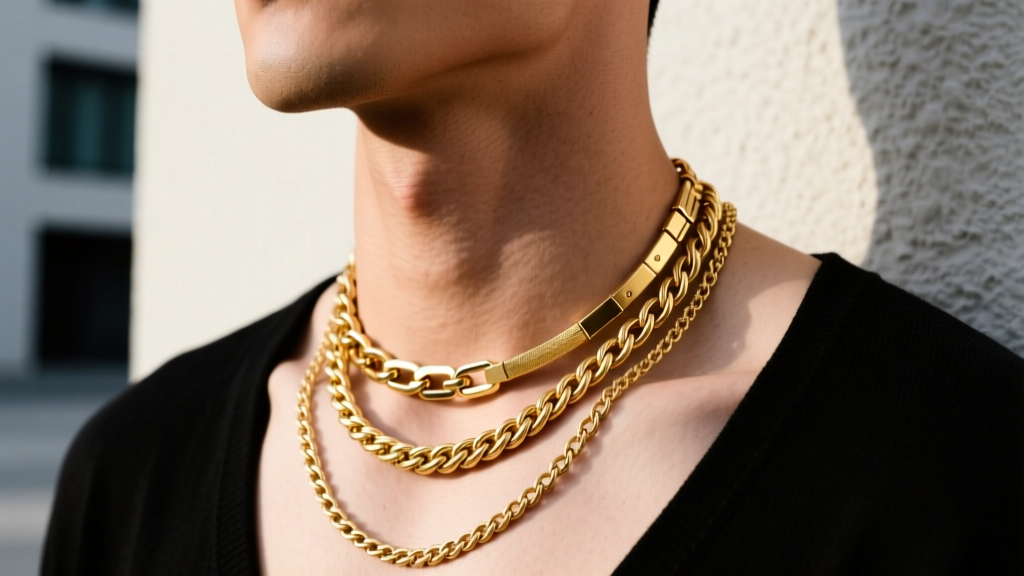
- Rope Chains: Twisted links that offer excellent durability and a brilliant light reflection, though they can occasionally catch on long hair.
Equally important is the clasp. Avoid spring-ring clasps, which rely on a tiny, easily corroded internal spring that frequently fails. Instead, insist on a solid cast lobster clasp. Lobster clasps feature a thicker lever mechanism and a stronger internal spring, providing a secure lock that can withstand the daily rigors of a teenager's life.
Engraving Considerations: Making It Personal
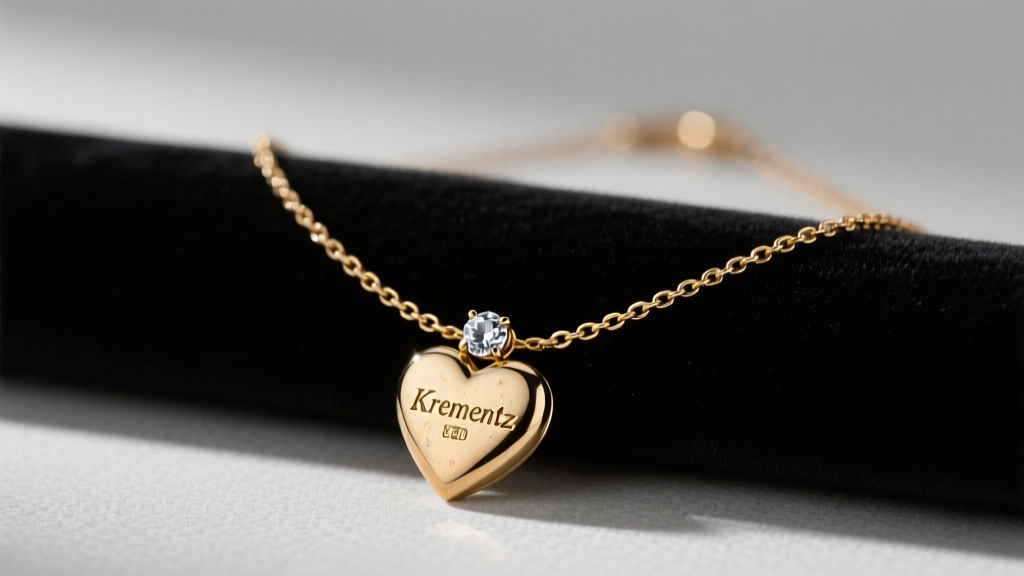
Many fathers choose to engrave a date, initials, or a short message on the back of a pendant. The metal you choose dictates the engraving method. Sterling silver and gold are soft enough for traditional rotary engraving, which cuts deep into the metal and can be filled with enamel for contrast. Platinum and titanium, however, are too hard and dense for standard rotary bits; they require laser engraving. Laser engraving on titanium yields a striking, high-contrast mark due to the metal's natural oxidation when exposed to the laser's heat, creating a permanent, deeply personal touch to your gift.
Final Thoughts on Budget and Longevity
Ultimately, the best necklace from dad to daughter is one that aligns with her daily reality while honoring the occasion. If you are marking a once-in-a-lifetime milestone like a wedding or college graduation, the enduring prestige and hypoallergenic safety of 950 Platinum or 18k Gold is worth the investment. For a Sweet Sixteen or a birthday gift for an active teen, a robust 14k gold box chain or a sleek titanium pendant offers the perfect balance of beauty, sentiment, and indestructible practicality. By prioritizing material properties over mere aesthetics, you ensure the necklace you give today will still be worn—and cherished—decades from now.