The Best Necklace Lighter Pendants: 2026 Gift Guide
Discover the best necklace lighter pendants for 2026. Our expert gift guide covers materials, mechanisms, and styling for every recipient.

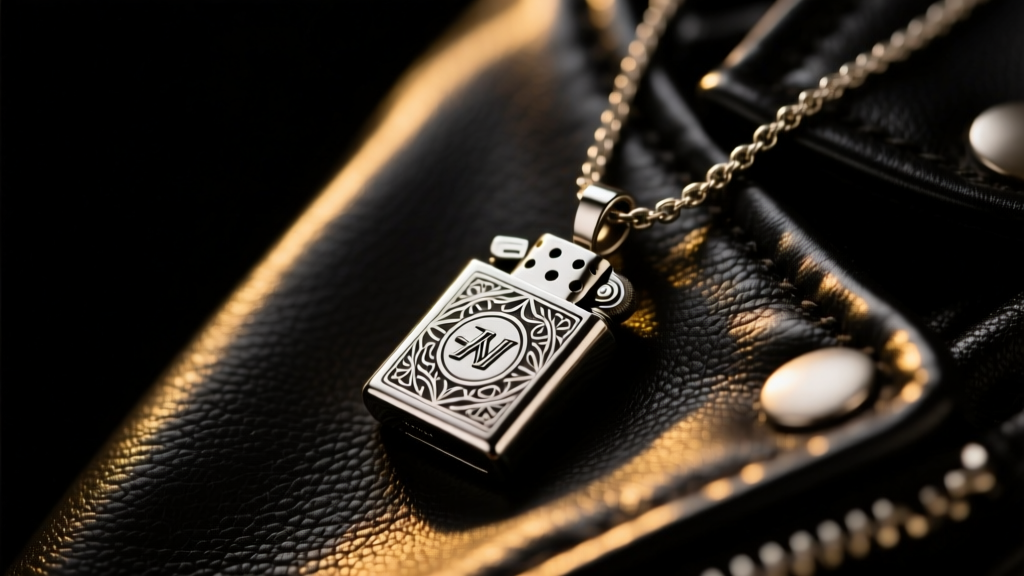
The intersection of utility and adornment has officially dominated the alternative and streetwear jewelry markets in 2026. No longer just a novelty item, the necklace lighter has evolved into a sophisticated piece of functional art. Whether it is a precision-engineered butane micro-torch or a heritage-inspired flint striker, lighter pendants bridge the gap between Everyday Carry (EDC) gear and high-end fashion accessories. If you are shopping for a smoker, a vaper, an outdoorsman, or a streetwear enthusiast, gifting a functional lighter necklace requires a deep understanding of metallurgy, weight distribution, and mechanical reliability.
This comprehensive gift guide breaks down the exact specifications, material grades, and styling frameworks you need to choose the perfect necklace lighter pendant this year.
Decoding the Mechanisms: Butane vs. Flint vs. Ferro
Before selecting a pendant, you must understand the internal combustion mechanism. The market is currently saturated with cheap, unreliable novelties, so knowing the difference between a functional tool and a prop is critical for a high-quality gift.
| Mechanism Type | Fuel Source | Avg Price Range | Best For | Maintenance Level |
|---|---|---|---|---|
| Butane Micro-Torch | Refined Butane | $60 - $150 | Streetwear, Vapers, Precision lighting | High (O-ring checks, purging) |
| Zippo-Style Insert | Lighter Fluid | $45 - $120 | Heritage Bikers, Vintage fashion | Medium (Wick trimming, refilling) |
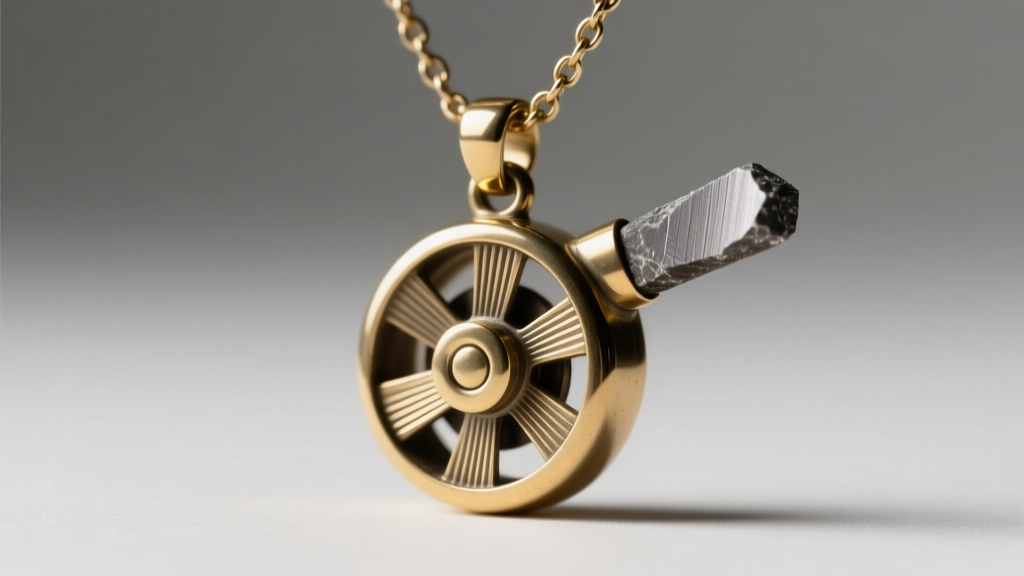
| Ferrocerium Flint | Friction / Sparks | $30 - $85 | Outdoorsmen, Survivalists, Hikers | Low (Flint rod replacement) |
For a premium gift, butane micro-torches encased in CNC-machined titanium offer a windproof, high-temperature flame that feels incredibly substantial around the neck. Conversely, ferrocerium flint pendants appeal to the rugged outdoorsman who values survival utility over urban aesthetics.
Chain Pairing & Weight Distribution
The most common failure mode when gifting a necklace lighter is chain breakage. Lighter pendants are inherently dense. A standard brass or steel lighter housing typically weighs between 45 grams and 90 grams. Suspending this weight from a delicate 1.5mm cable chain is a recipe for a snapped clasp and a lost pendant.
The 4mm to 6mm Rule
When pairing a chain with a utility lighter pendant, you must select a chain gauge between 4mm and 6mm. The best structural options include:
- Wheat Chains: Their woven, multi-directional links distribute the heavy pendulum swing of a lighter pendant evenly, preventing stress on a single link.
- Mariner (Anchor) Chains: The horizontal center bars in each oval link provide exceptional tensile strength, easily supporting 80g+ pendants.
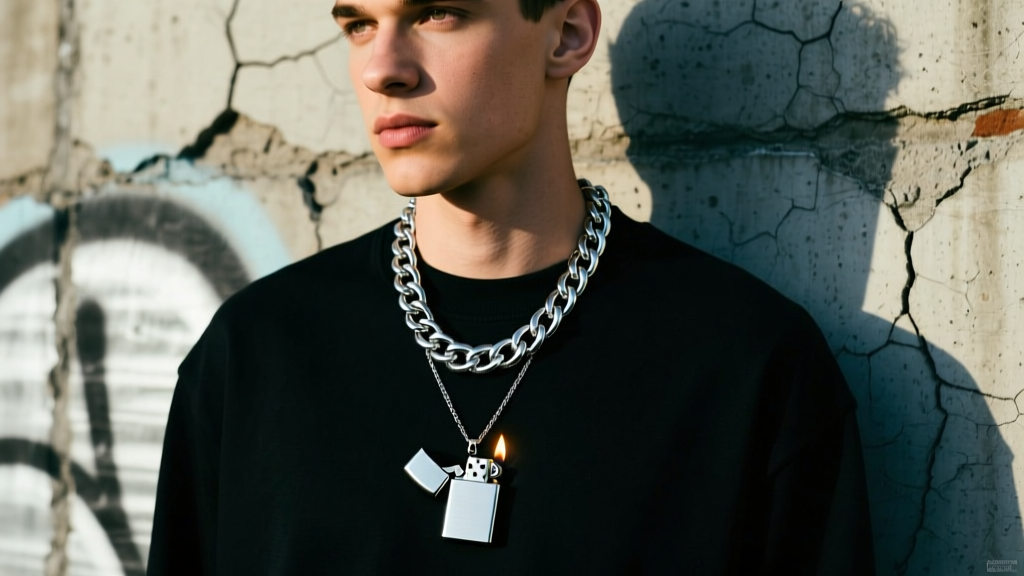
- Cuban Links: Ideal for streetwear, a 5mm solid stainless steel Cuban link offers the necessary rigidity to keep the lighter pendant facing forward rather than flipping upside down.
Always ensure the clasp is a heavy-duty lobster claw or a magnetic toggle rated for at least 100 grams of static pull.
Matching the Recipient: A Persona-Based Gift Guide
To ensure your gift resonates, match the necklace lighter's material and mechanism to the recipient's specific lifestyle and aesthetic.
The Streetwear & Skate Enthusiast
For the urban skater or hypebeast, aesthetics and tactile satisfaction are paramount. Look for a butane micro-torch pendant machined from Grade 5 Titanium with a knurled grip texture. Pair it with a 5mm 316L stainless steel Cuban chain. The titanium offers a dark, gunmetal grey aesthetic that pairs perfectly with oversized graphic tees and heavy denim, while the butane torch provides a satisfying, windproof flame for on-the-go use.
The Outdoorsman & EDC Fanatic
If your recipient spends their weekends hiking or camping, a fuel-dependent lighter is a poor choice (fluid evaporates and butane fails in freezing temperatures). Instead, gift a ferrocerium flint striker pendant made from C360 architectural brass. Suspended on a braided 550-paracord necklace or a thick leather thong, this pendant acts as a reliable survival fire-starter. According to the experts at Everyday Carry, integrating fire-starting tools into daily jewelry is a hallmark of advanced EDC loadouts.
The Biker & Punk Rock Purist
For the motorcycle enthusiast or punk aficionado, heritage is everything. A Zippo-style insert pendant housed in a heavily oxidized sterling silver skull or bullet casing is the ultimate statement piece. While sterling silver is generally discouraged for the *internal* lighter mechanism due to heat warping, it is perfectly safe for the decorative outer sleeve. Pair this with a heavy, oxidized silver rolo chain to complete the vintage, road-worn aesthetic.
Material Grades & Safety: What to Look For
When evaluating the build quality of a necklace lighter, the metallurgy dictates both the safety and the longevity of the piece. Cheap alloys will corrode from skin contact and lighter fluid spills.
'A true utility pendant must withstand extreme thermal shock and constant exposure to hydrocarbons. 316L surgical steel and aerospace-grade titanium are the only metals I trust for the internal fuel chambers.' — Master Jeweler & EDC Fabricator
- 316L Stainless Steel: The gold standard for affordability and durability. It resists rust from sweat and lighter fluid spills. However, it is heavy, making the pendant feel substantial.
- Grade 5 Titanium (Ti-6Al-4V): The premium choice. It is 45% lighter than steel, hypoallergenic, and possesses incredible thermal resistance. Titanium lighter pendants will not burn the wearer's chest if the casing retains heat.
- C360 Free-Machining Brass: Excellent for flint strikers and vintage aesthetics. It develops a beautiful, natural patina over time but requires occasional polishing with a brass-specific compound to prevent verdigris (green skin staining).
For deeper insights into how different alloys react to heat and friction, the International Gem Society's metallurgy guide provides excellent baseline data on jewelry metals.
Maintenance & Troubleshooting Your Lighter Pendant
Gifting a necklace lighter also means gifting a maintenance routine. Include a small care card with your present to ensure the mechanism lasts for years.
Troubleshooting Butane Micro-Torches
The most common failure mode in butane pendant lighters is a clogged O-ring or an air-locked fuel tank. If the recipient reports that the lighter is 'spitting' or failing to ignite, the tank likely has trapped air. The fix: Purge the tank by pressing a small jeweler's screwdriver into the fill valve until the hissing stops, then refill with 5x refined butane. Never use cheap, unrefined butane, as the impurities will permanently clog the micro-torch nozzle.
Maintaining Flint Striker Wheels
Over time, the spark wheel on a flint necklace lighter will seize up. This is rarely due to rust; it is almost always caused by microscopic brass or flint dust wedging between the teeth of the striker wheel. A quick blast of compressed air and a drop of lightweight sewing machine oil on the wheel's axle will restore the crisp, satisfying spark action.
Final Thoughts on Utility Gifting
The necklace lighter is far more than a gimmick; it is a celebration of mechanical ingenuity and personal style. By paying close attention to the internal mechanism, selecting the appropriate chain gauge for weight distribution, and matching the metallurgy to the recipient's lifestyle, you can gift a piece of jewelry that is as reliably functional as it is visually striking. In 2026, the best accessories are the ones that actually do something.


